Category: Uncategorized

  • Kenny G Is Not Jazz

    Kenny G Is Not Jazz

    I recently watched Listening to Kenny G, Penny Lane’s documentary on the world’s most famous saxophonist. It left me in a knot of conflicting emotions. Here’s a man, decent and diligent, who built a global empire of “smooth jazz”—a genre that, to my ears, is the musical equivalent of baby food: cloying, textureless, and aggressively inoffensive. And yet, millions worship him. The crowds at his concerts glow with unfiltered joy, their faces alight as if they’re receiving communion through the smooth, syrupy notes of his soprano sax.

    Who am I to sneer at them—or at him? I’m just a guy recovering from influenza, after all, with no musical empire to my name. But damn if I didn’t feel the urge to reach for some cultural antacid to settle my aesthetic nausea while judging him and his fans.

    And judge, I did. Kenny G, with his chirpy demeanor and ornithological cheer, seems blissfully detached from the rich, complex history of jazz that his music pretends to embody. He comes across as a musical solipsist, spinning out saccharine, Cliff Notes versions of jazz—an imitation so shallow it feels like he’s never ventured beyond the surface. His long, flowing hair and darting, eager eyes bring to mind a medieval court musician, strumming cloying pavane tunes to lull a bloated king into a post-feast stupor. Listening to Kenny G isn’t an artistic experience; it’s being spoon-fed emotional mush, a cheap confection disguised as depth. This is jazz devoid of soul, grit, or struggle—a hollow desecration of the genre’s essence, delivered with a smile so unrelenting it borders on the surreal.

    And yet, the guilt creeps in. Kenny G himself is disarmingly likable, a man seemingly immune to the venom of critics. He’s successful, and so are many of his fans, who are undoubtedly smart and decent people. Does that make their taste in music immune to critique? Hardly. Popularity is not an arbiter of artistic merit, and Kenny G’s music remains, to me, a vulgarity—saccharine and soulless, a betrayal of jazz’s improvisational brilliance. But the fact that his audience finds bliss in his syrupy melodies leaves me grappling with a larger question: Is artistic taste a bastion of universal truth, or just another playground for our pretensions?

    Am I so obsessed with Kenny G that I feel the need to join the ranks of his detractors, delivering a fiery diatribe like Pat Metheny’s infamous takedown? Not quite. But am I endlessly fascinated that something so blatantly saccharine, so clearly an abomination of music, can bring others to the brink of elation and transcendence? Absolutely. Kenny G’s music strikes me as the sonic equivalent of New Age spirituality: the kind where you pay for a weekend retreat only to be serenaded by a guru with Kenny G’s hair, who doles out self-help clichés like they’re sacred mantras. It’s the auditory version of being flattered into blissful mediocrity, a soothing appeal to one’s narcissism wrapped in smooth sax tones. And let’s face it: the appetite for such cloying bromides is insatiable—and always has been.

    I can’t help but feel a twinge of guilt for roasting Kenny G. I’m clearly afflicted with Sax Shamer’s Syndrome—the nagging unease of mocking a man whose soprano sax has brought legions of fans genuine joy, even if it makes me wince. I try to rationalize my disdain, reminding myself that I, too, have been guilty of infantile pleasures. As a child, I devoured Cap’n Crunch like it was manna from heaven, exalting its sugary crunch as the pinnacle of culinary achievement. The difference? I outgrew Cap’n Crunch. Meanwhile, Kenny G fans seem eternally devoted, treating his smooth jazz like the apotheosis of music. Does that make me a snob for pointing this out, or am I just calling it as I see it?

    The guilt gnaws at me. By deriding Kenny G, I’m effectively sneering at millions of perfectly decent, hard-working people who find solace in his musical equivalent of high-fructose corn syrup. But who am I to judge? I have my own guilty pleasures. I still scroll Instagram for black-and-white photos of 70s bodybuilders, sighing nostalgically for a golden age that was never mine. I still revel in childhood comfort foods—pigs-in-a-blanket dunked in mustard and barbecue sauce, as if I’m at a suburban soirée circa 1982.

    So really, what separates me from the Kenny G crowd? Not much. Scorning his fans isn’t a declaration of superior taste; it’s an act of hubris. We’re all creatures of indulgence, clinging to the things that soothe us. The real sin isn’t enjoying Kenny G or Cap’n Crunch—it’s forgetting that, at the end of the day, we’re all just looking for something to hum along to as we float through life.

  • DEATH BY SNACKS

    DEATH BY SNACKS

    After dinner, my wife and I luxuriated in a couple of Arrested Development reruns, marveling at the genius of Mitchell Hurwitz and Ron Howard. The show, an absurdist ode to familial dysfunction, felt decades ahead of its time—sharp enough to leave paper cuts on your brain. During the opening credits, I rose from the couch with noble intentions: I was off to fetch my so-called “satiety apple,” a modest, virtuous snack that allegedly curbs my post-dinner cravings without derailing my calorie count.

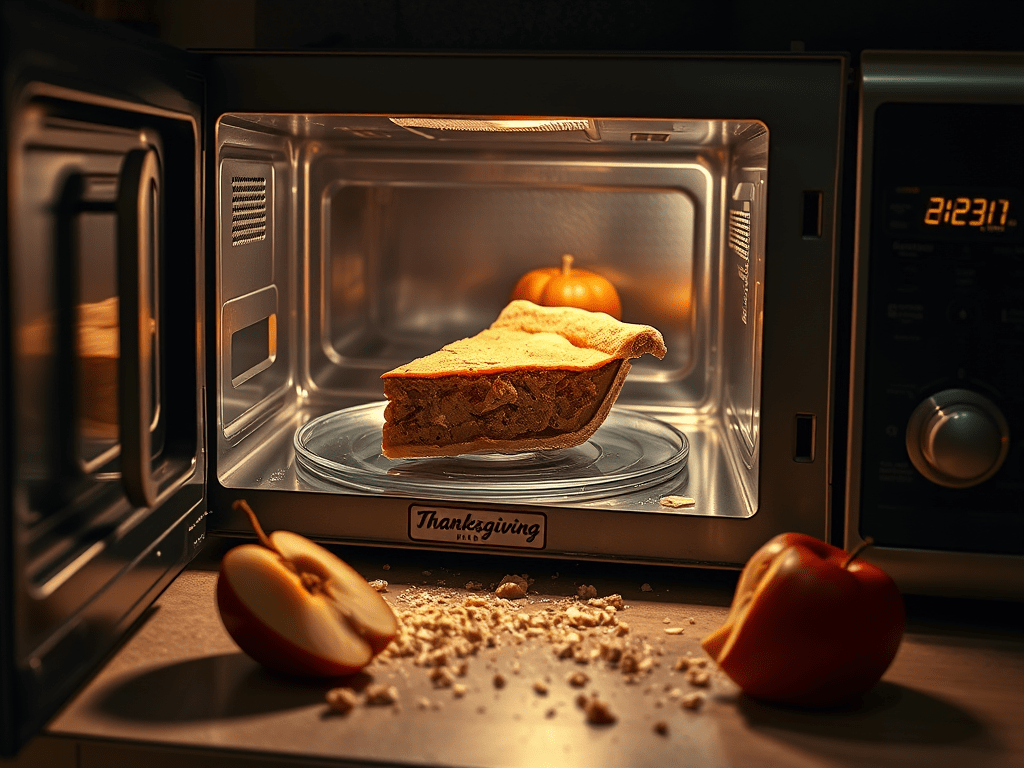
    But as I crossed the kitchen, fate—or treachery—beckoned me toward the microwave. There it sat: a pie box, faintly glowing, practically humming a siren song of buttery crust and spiced filling. One peek inside, and there it was—the last slice of Thanksgiving pie, radiating the kind of allure that no apple could ever muster.

    Before I knew it, I was hunched over the sink, inhaling that pie like a feral animal who’d just discovered civilization’s baked goods. Crumbs flew. Filling dripped. I was mid-bite, fully in beast mode, when my daughter Alison walked in. She stopped, surveyed the scene, and with surgical precision, dropped her line: “When’s the last time you were on a diet?”

    I froze mid-chew, my cheeks puffed out like a chipmunk caught in a raid. “A single slice of pie hardly merits such harsh judgment,” I said, wiping a smear of whipped cream off my chin.

    “Don’t be so defensive,” she said, her voice carrying the kind of condescension only a teenage girl can master. “I’m just asking—when was the last time you were on a diet?”

    “I didn’t realize you were the official historian of my weight management strategies,” I shot back, trying to maintain some shred of dignity.

    “What strategy?” she deadpanned, her tone as flat as the pie tin now sitting empty in the sink.

    I opened my mouth in an exaggerated display of mock offense, as if her words had wounded me so deeply that I could only respond with silence. We laughed, but the truth landed like a sucker punch: despite my heroic kettlebell workouts and high-protein meal plans, my daughter saw me for what I really was—a fat slob, undone by my inability to resist the siren song of leftover pie.

    My conversation with my daughter hit a nerve: my relationship with food is less of a partnership and more of a chaotic entanglement worthy of a reality show. I’m living with a chronic condition others have dubbed food noise—the relentless, mind-consuming obsession with food. It’s not just a passing craving; it’s a full-time occupation. Food noise is that little gremlin in your head planning tomorrow’s breakfast while you’re still wiping pie crumbs off your shirt from dinner. It’s exhausting, intrusive, and, frankly, a massive pain in the ass.

    I’ve tried all the supposed solutions. High-protein meals? Check. Fiber-packed fruits and veggies? Done. Permission to eat favorite foods to deflate their psychological power? Sure, why not. Listening to my so-called “hunger cues”? Please, those cues have been drowned out by a symphony of appetite louder than a Wagner opera. The truth is, my love of food has nothing to do with hunger. This isn’t about survival—it’s about passion.

    I crave food the way a musician craves music, except instead of performing Beethoven’s Ninth, I’m inhaling pie and serenading a protein bar like it’s my muse. Eating isn’t just sustenance; it’s a full-body euphoria, a never-ending sonata of chewing that I never want to end.

    So here I am, a helpless Snack Serenader, crooning over every dish like it’s the centerpiece of my magnum opus. Pie, pasta, cereal, or steak—it doesn’t matter. They’re all part of the eternal love song I sing to food, even as it steamrolls my willpower and expands my waistline. And while it may sound romantic, let’s be honest: it’s less about joy and more about imprisonment. I don’t just eat food; I worship it. I’m not hungry for a meal; I’m desperate for an encore. Just as a Beethoven superfan can lose themselves in the ninth symphony on repeat, I want to marinate in a bottomless jacuzzi of flavor, chewing my way through life’s buffet like a one-man marching band of mastication.

    As a Snack Serenader, I croon love songs to everything from pie to chicken shawarma. That Thanksgiving slice of pie wasn’t dessert; it was a crescendo. A bag of chips isn’t a snack; it’s an aria. And here I am, the tragic hero, swooning over leftovers as my waistline rolls its eyes and mutters, “You’re killing me.”

    The irony isn’t lost on me that I began this post with Arrested Development while chronicling my sink-side pie binge—a man-child devouring apple pie like it was the elixir of life, all under the unimpressed gaze of my daughter. Uncontrolled eating, it seems, is less about hunger and more about a deep-seated infantilization for which there’s no cure, just a lifetime subscription.

  • Ozempic Challenges the Notion of Free Will

    Ozempic Challenges the Notion of Free Will

    The other day I was listening to Howard Stern and his co-host Robin Quivers talking about how a bunch of celebrities magically slimmed down at the same time. The culprit, they noted, was Ozempic—a drug available mostly to the rich. While they laughed about the side effects, such as incontinence, “Ozempic face” and “Ozempic butt,” I couldn’t help but see these grotesque symptoms as a metaphor for the Ozempification of a society hooked on shortcuts. They enjoyed some short-term benefits but the side effects were far worse than the supposed solution. Ozempification was strikingly evident in AI-generated essays–boring, generic, surface-level, cliche-ridden, just about worthless. Regardless of how well structured and logically composed, these essays have the telltale signs of “Ozempfic face” and “Ozempic butt.” 

    As a college writing instructor, I’m not just trying to sell academic honesty. I’m trying to sell pride. As I face the brave new world of teaching writing in the AI era, I’ve realized that my job as a college instructor has morphed into that of a supercharged salesman. And what am I selling? No less than survival in an age where the very tools meant to empower us—like AI—threaten to bury us alive under layers of polished mediocrity. Imagine it: a spaceship has landed on Earth in the form of ChatGPT. It’s got warp-speed potential, sure, but it can either launch students into the stars of academic brilliance or plunge them into the soulless abyss of bland, AI-generated drivel. My mission? To make them realize that handling this tool without care is like inviting a black hole into their writing.

    As I fine-tune my sales pitch, I think about Ozempic–that magic slimming drug, beloved by celebrities who’ve turned from mid-sized to stick figures overnight. Like AI, Ozempic offers a seductive shortcut. But shortcuts have a price. You see the trade-off in “Ozempic face”—that gaunt, deflated look where once-thriving skin sags like a Shar-Pei’s wrinkles—or, worse still, “Ozempic butt,” where shapely glutes shrink to grim, skeletal wiring. The body wasn’t worked; it was bypassed. No muscle-building, no discipline. Just magic pill ingestion—and what do you get? A husk of your former self. Ozempified.

    The Ozempification of writing is a marvel of modern mediocrity—a literary gastric bypass where prose, instead of slimming down to something sleek and muscular, collapses into a bloated mess of clichés and stock phrases. It’s writing on autopilot, devoid of tension, rhythm, or even the faintest trace of a soul. Like the human body without effort, writing handed over to AI without scrutiny deteriorates into a skeletal, soulless product: technically coherent, yes, but lifeless as an elevator pitch for another cookie-cutter Marvel spinoff.

    What’s worse? Most people can’t spot it. They think their AI-crafted essay sparkles when, in reality, it has all the charm of Botox gone wrong—rigid, lifeless, and unnervingly “off.” Call it literary Ozempic face: a hollowed-out, sagging simulacrum of actual creativity. These essays prance about like bargain-bin Hollywood knock-offs—flashy at first glance but gutless on closer inspection.

    But here’s the twist: demonizing AI and Ozempic as shortcuts to ruin isn’t the full story. Both technologies have a darker complexity that defies simplistic moralizing. Sometimes, they’re necessary. Just as Ozempic can prevent a diabetic’s fast track to early organ failure, AI can become a valuable tool—if wielded with care and skill.

    Take Rebecca Johns’ haunting essay, “A Diet Writer’s Regrets.” It rattled me with its brutal honesty and became the cornerstone of my first Critical Thinking essay assignment. Johns doesn’t preach or wallow in platitudes. She exposes the failures of free will and good intentions in weight management with surgical precision. Her piece suggests that, as seductive as shortcuts may be, they can sometimes be life-saving, not soul-destroying. This tension—between convenience and survival, between control and surrender—deserves far more than a knee-jerk dismissal. It’s a line we walk daily in both our bodies and our writing. The key is knowing when you’re using a crutch versus when you’re just hobbling on borrowed time. 

    I want my students to grasp the uncanny parallels between Ozempic and AI writing platforms like ChatGPT. Both are cutting-edge solutions to modern problems: GLP-1 drugs for weight management and AI tools for productivity. And let’s be honest—both are becoming necessary adaptations to the absurd conditions of modern life. In a world flooded with calorie-dense junk, “willpower” and “food literacy” are about as effective as handing out umbrellas during a tsunami. For many, weight gain isn’t just an inconvenience—it’s a life-threatening hazard. Enter GLP-1s, the biochemical cavalry.

    Similarly, with AI tools quickly becoming the default infrastructure for white-collar work, resisting them might soon feel as futile as refusing to use Google Docs or Windows. If you’re in the information economy, you either adapt or get left behind. But here’s the twist I want my students to explore: both technologies, while necessary, come with strings attached. They save us from drowning, but they also bind us in ways that provoke deep, existential anguish.

    Rebecca Johns captures this anguish in her essay, “A Diet Writer’s Regrets.” Ironically, Johns started her career in diet journalism not just to inform others, but to arm herself with insider knowledge to win her own weight battles. Perhaps she could kill two birds with one stone: craft top-tier content while secretly curbing her emotional eating. But, as she admits, “None of it helped.” Instead, her career exploded along with her waistline. The magazine industry’s appetite for diet articles grew insatiable—and so did her own cravings. The stress ate away at her resolve, and before long, she was 30 pounds heavier, trapped by the very cycle she was paid to analyze.

    By the time her BMI hit 45 (deep in the obesity range), Johns was ashamed to tell anyone—even her husband. Desperate, she cycled through every diet plan she had ever recommended, only to regain the weight every time. Enter 2023. Her doctor handed her a lifeline: Mounjaro, a GLP-1 drug with a name as grand as the results it promised. (Seriously, who wouldn’t picture themselves triumphantly hiking Mount Kilimanjaro after hearing that name?) For Johns, it delivered. She shed 80 pounds without white-knuckling through hunger pangs. The miracle wasn’t just the weight loss—it was how Mounjaro rewired her mind.

    “Medical science has done what no diet-and-exercise plan ever could,” she writes. “It changed my entire relationship with what I eat and when and why.” Food no longer controlled her. But here’s the kicker: while the drug granted her a newfound sense of freedom, it also raises profound questions about dependence, control, and the shifting boundaries of human resilience—questions not unlike those we face with AI. Both Ozempic and AI can save us. But at what cost? 

    And is the cost of not using these technologies even greater? Rebecca Johns’ doctor didn’t mince words—she was teetering on the edge of diabetes. The trendy gospel of “self-love” and “body acceptance” she had once explored for her articles suddenly felt like a cruel joke. What’s the point of “self-acceptance” when carrying extra weight could put you six feet under?

    Once she started Mounjaro, everything changed. Her cravings for rich, calorie bombs disappeared, she got full on tiny portions, and all those golden nuggets of diet advice she’d dished out over the years—cut carbs, eat more protein and veggies, avoid snacks—were suddenly effortless. No more bargaining with herself for “just one cookie.” The biggest shift, however, was in her mind. She experienced a complete mental “reset.” Food no longer haunted her every waking thought. “I no longer had to white-knuckle my way through the day to lose weight,” she writes.

    Reading that, I couldn’t help but picture my students with their glowing ChatGPT tabs, no longer caffeinated zombies trying to churn out a midnight essay. With AI as their academic Mounjaro, they’ve ditched the anxiety-fueled, last-minute grind and achieved polished results with half the effort. AI cushions the process—time, energy, and creativity now outsourced to a digital assistant.

    Of course, the analogy isn’t perfect. AI tools like ChatGPT are dirt-cheap (or free), while GLP-1 drugs are expensive, scarce, and buried under a maze of insurance red tape. Johns herself is on borrowed time—her insurance will stop covering Mounjaro in just over a year. Her doctor warns that once off the drug, her weight will likely return, dragging her health risks back with it. Faced with this grim reality, she worries she’ll have no choice but to return to the endless cycle of dieting—“white-knuckling” her days with tricks and hacks that have repeatedly failed her.

    Her essay devastates me for many reasons. Johns is a smart, painfully honest narrator who lays bare the shame and anguish of relying on technology to rescue her from a problem that neither expertise nor willpower could fix. She reports on newfound freedom—freedom from food obsession, the physical benefits of shedding 80 pounds, and the relief of finally feeling like a more present, functional family member. But lurking beneath it all is the bitter truth: her well-being is tethered to technology, and that dependency is a permanent part of her identity.

    This contradiction haunts me. Technology, which I was raised to believe would stifle our potential, is now enhancing identity, granting people the ability to finally become their “better selves.” As a kid, I grew up on Captain Kangaroo, where Bob Keeshan preached the gospel of free will and positive thinking. Books like The Little Engine That Could drilled into me the sacred mantra: “I think I can.” Hard work, affirmations, and determination were supposed to be the alchemy that transformed character and gave us a true sense of self-worth.

    But Johns’ story—and millions like hers—rewrite that childhood gospel into something far darker: The Little Engine That Couldn’t. No amount of grit or optimism got her to the top of the hill. In the end, only medical science saved her from herself. And it terrifies me to think that maybe, just maybe, this is the new human condition: we can’t become our Higher Selves without technological crutches.

    This raises questions that I can’t easily shake. What does it mean to cheat if technology is now essential to survival and success? Just as GLP-1 drugs sculpt bodies society deems “acceptable,” AI is quietly reshaping creativity and productivity. At what point do we stop being individuals who achieve greatness through discipline and instead become avatars of the tech we rely on? Have we traded the dream of self-actualization for a digital illusion of competence and control?

    Of course, these philosophical quandaries feel like a luxury when most of us are drowning in the realities of modern life. Who has time to ponder free will or moral fortitude when you’re working overtime just to stay afloat? Maybe that’s the cruelest twist of all. Technology hasn’t just rewritten the rules—it’s made them inescapable. You adapt, or you get left behind. And maybe, somewhere deep down, we all already know which path we’re on.

    As I mull over the anguish and philosophical complexities presented in Rebecca Johns’ essay, I realize I’ve hit a goldmine for my Critical Thinking class. The themes of free will and technological dependency in her essay make it a worthy essay assignment for my students. For an assignment to be worthy, it must contain “Enduring ideas” that transcend the course and are so powerful and haunting they potentially sear an indelible impression in the students’ souls. 

    My college’s online education coordinator, Moses Wolfenstein, introduced me to this idea of “Enduring Ideas,” which he learned from Grant Wiggins and Jay McTighe’s Understanding by Design. Moses explained that “Enduring Ideas” are the foundational, universal concepts within a subject—those big ideas that students are likely to carry with them well beyond the classroom. According to Moses, these ideas form “the heart of the discipline,” connecting to the larger truths of the human condition. Because they resonate so deeply with students, “Enduring Ideas” have the power to drive genuine engagement.

    I was convinced that Rebecca Johns’ essay fulfilled the criteria, so now I had to create an argumentative essay assignment:

    In a 1,700-word essay using at least four credible sources, support, refute, or complicate the claim that, despite the philosophical challenges to free will, self-worth, and authenticity raised in Rebecca Means’ essay “A Diet Writer’s Regrets,” her story demonstrates that reliance on technology—such as GLP-1 drugs and AI writing tools—can be a necessary adaptation for survival, success, and competitiveness in today’s world. However, this adaptation comes at a significant cost: the erosion of self-reliance, a diminished sense of identity, and compromised authenticity. Is the cost justified? Are we striking a dangerous bargain for convenience and success? Or is refusing this deal even more self-destructive, with consequences so severe that avoiding it is the greater folly? Explore these questions in your essay, considering both the benefits and risks of technological dependency.

  • Today, we don’t experience moments—we package them for consumption.

    Today, we don’t experience moments—we package them for consumption.

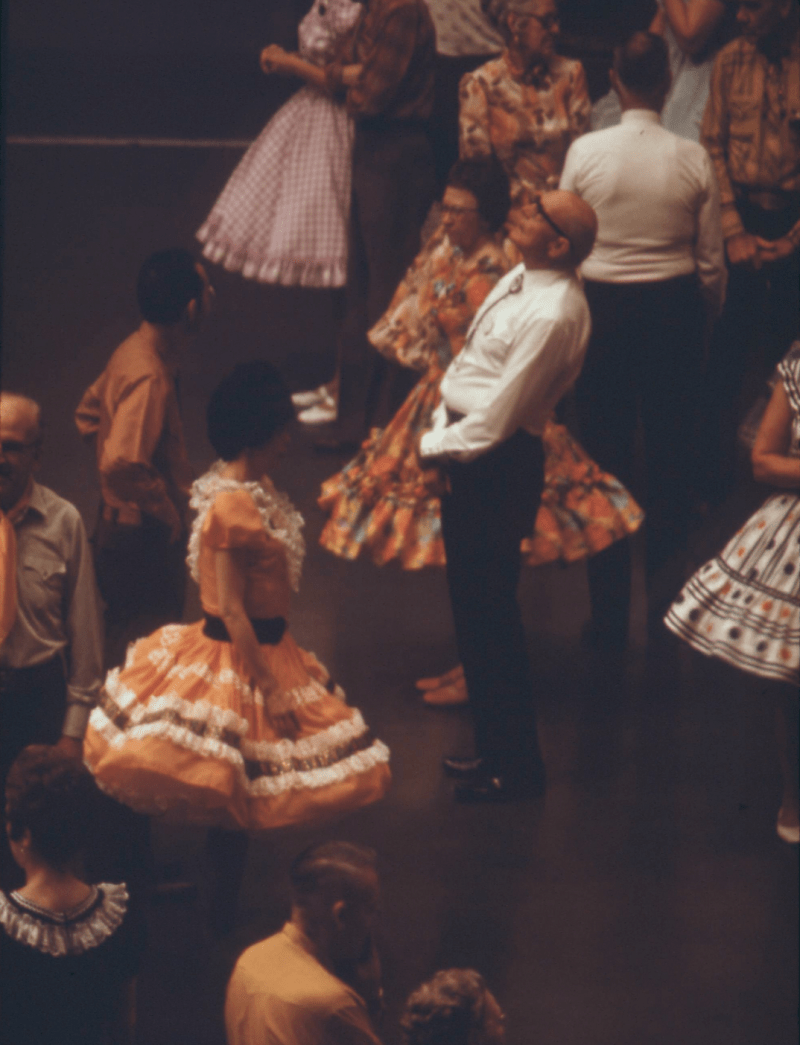
    Today I climb into Mr. Peabody’s time machine and set the dial to the summers of 1975 through 1979, when my family and a small army of friends made the annual pilgrimage to Pt. Reyes Beach. Johnson’s Oyster Farm was our temple, and its truck beds overflowed with what seemed like an infinite supply of oysters. From noon to sunset, we ate like gods in exile—barbecued oysters drowning in garlic butter and Tabasco, bottomless baskets of garlic bread, and colossal slabs of moist chocolate cake.

    Ignoring the ominous great white shark warnings, we punctuated our feasting with reckless dives into the waves, emerging from the ocean with our pecs glistening in the sunlight, ready for another round of oysters. In the summer of ’78, I decided not to ride home with my parents. Instead, I hitched a ride in the back of a stranger’s truck, surrounded by a ragtag group of new acquaintances—full-bellied, sun-dazed, and staring up at the stars with our glazed lizard eyes, swapping wild stories like ancient mariners.

    And here’s the thing: nobody took a single picture. There were no selfies, no curated posts to induce FOMO, no frantic attempts to manufacture nostalgia in real time. We were too deep inside the moment to think about how it might look on a screen later. Today, we don’t experience moments—we package them for consumption.

  • Never Insult Your Guests with Mock Apple Pie

    Never Insult Your Guests with Mock Apple Pie

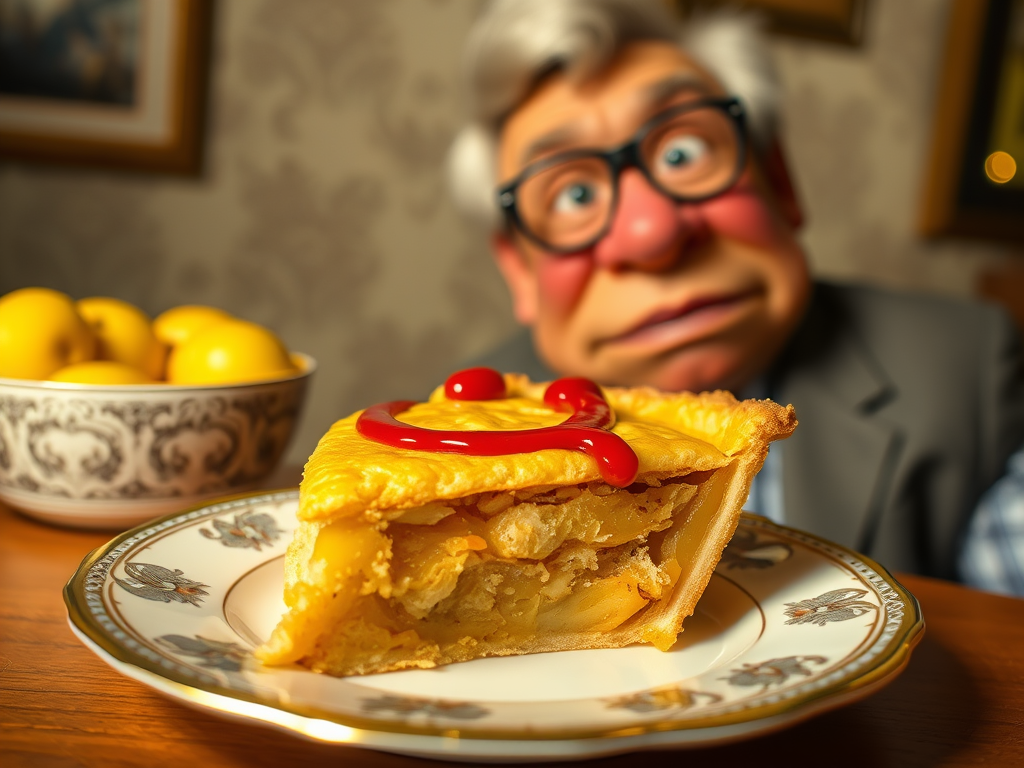
    One fateful evening in 1982, as I was nestled on the couch like a potato after a long day, I tuned into a San Francisco KQED comedy special. Enter Bob Sarlatte, a comedian with a chin so bold it could be used as a paperweight and a grin so snide it seemed to have its own agenda. He took aim at the pièce de résistance of culinary chicanery: the Ritz Crackers recipe for Mock Apple Pie. Sarlatte was on a mission to uncover the absurdity behind Ritz’s audacious claim of making apple pie with, wait for it, crackers instead of apples. He was incredulous, practically frothing at the mouth as he dissected this travesty. “Why on earth,” he demanded, “would Ritz, in all their cracker-clad glory, boast about a recipe that doesn’t even remotely involve apples?” According to Sarlatte, this so-called “apple pie” was like calling a desert a beach because it had sand—except the sand was made of crushed Ritz crackers, and the beach was a figment of your imagination. The comedian was in no mood for Ritz’s grandstanding. To him, this wasn’t a culinary innovation; it was a culinary catastrophe. He took Ritz to task for attempting to pass off a cracker conglomeration as apple pie, as if the lack of fruit was a feature, not a flaw. “Who,” Sarlatte railed, “are you going to serve this Mock Apple Pie to? Your mock friends? People who enjoy mockery served with a side of disappointment?” Sarlatte’s razor-sharp wit wasn’t just about lampooning a recipe—it was about exposing a greater travesty: the shameless elevation of a subpar substitute as a triumph of creativity. This wasn’t a clever culinary trick; it was an insult wrapped in a cracker crust. Bob Sarlatte laid bare the staggering lack of self-awareness and the brazen audacity required to serve such an ersatz “apple” pie with a smug smile. It was a masterclass in how to serve up an insult with a cherry on top, minus the apple, of course.

  • I Had to Choose to Either be a Thief Or Superman

    I Had to Choose to Either be a Thief Or Superman

    When I was six years old in 1968, I lived for a year with my grandparents in Belmont Shore. One day after school, a distraught neighbor, a 79-year-old widow named Mrs. Davis, said she locked herself out of her house. Could she borrow me to climb through her bedroom window and unlock the front door for her? With my grandmother’s approval, I did just that. I pretended to be a cat burglar, slithered through the ajar window, and walked through her house. With great curiosity, I examined the interior of the living room.  The floor was covered with a plush, floral-patterned rug. The centerpiece of the room was a large, floral-patterned couch. It was flanked by two wingback chairs, upholstered in a velvety red fabric. Each chair had a lace doily draped over the backrest. A coffee table with spindly legs sat in front of the couch, its surface crowded with an assortment of knickknacks: a porcelain figurine of a ballerina, a small crystal bowl filled with wrapped candies, and a couple of framed photos. The walls were adorned with family portraits, framed cross-stitch samplers, and a large, oval mirror with a gold frame. A grandfather clock ticked methodically in the background, its pendulum swinging with a steady rhythm that made me feel lost in time. Something came over me. Being alone, I felt possessed with a transgressive spirit, and I lifted the candy jar’s lid and stuffed a butterscotch candy in my pocket before opening the front door for Mrs. Davis. I felt guilty for my act of theft because Mrs. Davis proclaimed me to be her newly-minted hero and handed me a crisp one-dollar bill, which I would later spend on Baby Ruth and Almond Joy Bars. I had difficulty sleeping that night. I worried that Mrs. Davis might feel inclined to take inventory of her candies and discover that one was missing, prompting her to demote me from hero to villain. My career as a thief had come to a quick end. On the other hand, I had a glimpse of what it was like to be a superhero entering houses and saving people in distress. I convinced myself that my career as Superman was just beginning. 

  • WHEN WATCHING PIE BAKING CONTESTS ELEVATES THE SOUL

    WHEN WATCHING PIE BAKING CONTESTS ELEVATES THE SOUL

    Many moons ago, my wife and I watched the 2006 HBO documentary Thin, which chronicles the tragic existence of girls in a Florida rehab clinic for eating disorders. These poor souls were ensnared in a vicious cycle of depression, self-loathing, and lies, their recovery rates abysmally low and fatality rates tragically high. After this emotional gut-punch, we desperately needed a palate cleanser, so we turned to a pie-baking contest featuring Midwestern women in Christmas sweaters, lovingly toiling over pie crusts. These wholesome warriors of the kitchen were a stark contrast to the aforementioned sufferers. It dawned on me that pie baking is the antithesis of anorexia—a condition of solipsism where one disappears into the self, whereas pie baking is a testament to community, love, and selfless devotion to butter and flour.

    Imagine, if you will, a world where the kitchen isn’t just a hub of culinary creation but a sacred temple of love, where pie-baking is the highest form of devotion. In this sanctified realm, every Midwestern woman in a Christmas sweater is a culinary high priestess, her rolling pin a scepter of affection, her pie crust a canvas for heartfelt artistry. The Pie Baking Contest is an epic battleground where these valiant women gather, their aprons fluttering like superhero capes, ready to channel pure, unadulterated love into their pies. The stakes are absurdly high, the competition fierce, but the atmosphere? Pure camaraderie and joy.

    Here, pie baking is not just a quaint pastime; it’s an epic saga of love, community, and unyielding devotion. These heroines approach their craft with the precision of neurosurgeons and the passion of Renaissance artists. Flour fills the air like enchanted snow, butter is blended into dough with the deftness of a master illusionist, and apples are peeled and sliced with the ferocity of a seasoned samurai. Each pie is a labor of love, a tangible expression of their deepest affections. As they sweat and toil over their creations, the kitchen morphs into a bustling hub of warmth and connection.

    Baking pies, slinging spaghetti and garlic bread, or whipping up a dish of hot and sour Tom Yum Goong soup demands a healthy soul, one that’s plugged into the matrix of family and community. We therefore don’t journey solo but soar with a merry band of culinary adventurers, armed with spatulas and mixing bowls, ready to conquer the next great feast. So, skip the guilt and embrace the butter—life’s too short for bland food and empty kitchens.

  • The Demise of Danish Go-Rounds Will Never Be Forgiven

    The Demise of Danish Go-Rounds Will Never Be Forgiven

    Introduced by Kellogg’s in 1968, Danish Go-Rounds were like the golden fleece of breakfast pastries. Imagine Pop-Tarts, but with the sophistication of a five-star dessert. The brown sugar-cinnamon Danish Go-Rounds were so addictive, they made crack look like a mere curiosity. At the ungodly hour of 2 a.m., millions of Americans would wake up in cold sweats, their cravings driving them to frenzied searches for the Nectar of the Gods—only to find their precious pastries had vanished into thin air. Then, in a move so baffling it felt like a conspiracy against breakfast enthusiasts everywhere, Kellogg’s pulled the plug on Danish Go-Rounds in the mid-seventies. They kept the Pop-Tarts, those cardboard-like impostors that tasted like they were designed by a committee of flavorless robots. The heartbreak was palpable. It was as if a divine bakery had been shut down and replaced with a factory that churned out glorified toaster insulation. The eradication of Danish Go-Rounds is now remembered as one of the most colossal institutional blunders in history—up there with the fall of Rome and the invention of the Rubik’s Cube. The void they left was so immense, it bored a gaping chasm in my soul. My heart, once full of pastry-filled joy, now echoed with the hollow sound of Pop-Tarts’ lifeless crunch. While Danish Go-Rounds faded into the annals of breakfast history, Pop-Tarts flourished like a tasteless, mass-produced phoenix. This shift symbolized the erosion of artisanal craftsmanship and the triumph of consumer complacency. It heralded the rise of such culinary horrors as Imperial Margarine, Tang, Space Food Sticks, Boone’s Farm Apple Wine, and SlimFast—products so tragic they make a TV dinner look like a gourmet feast. The Gastronomic Time Traveler had to bear witness to this disheartening transition, seeing the demise of pastries that were practically food royalty. In their place, we got a parade of processed atrocities that made the culinary landscape look like a dystopian nightmare. So there I was, left to mourn the loss of Danish Go-Rounds, savoring the bitter taste of what once was, while choking down the unworthy replacements that flooded the market. It was a breakfast apocalypse, and I was living in its soggy aftermath.

  • The Art of Connection

    The Art of Connection

    Welcome to WordPress! This is a sample post. Edit or delete it to take the first step in your blogging journey. To add more content here, click the small plus icon at the top left corner. There, you will find an existing selection of WordPress blocks and patterns, something to suit your every need for content creation. And don’t forget to check out the List View: click the icon a few spots to the right of the plus icon and you’ll get a tidy, easy-to-view list of the blocks and patterns in your post.

  • Beyond the Obstacle

    Beyond the Obstacle

    Welcome to WordPress! This is a sample post. Edit or delete it to take the first step in your blogging journey. To add more content here, click the small plus icon at the top left corner. There, you will find an existing selection of WordPress blocks and patterns, something to suit your every need for content creation. And don’t forget to check out the List View: click the icon a few spots to the right of the plus icon and you’ll get a tidy, easy-to-view list of the blocks and patterns in your post.