Blog

  • Memoirs of a Tanned Narcissist

    Memoirs of a Tanned Narcissist

    The summer of 1977: I was fifteen, half-boy, half-bicep, bronzing my delusions at the Don Castro Swim Lagoon. I lay stretched across the sand like a sacrificial offering to the gods of narcissism, a dog-eared paperback of The Happy Hooker tucked inside my gym bag like contraband scripture. My nose, my skin, my hormonal soul were all baptized in the collective perfume of that era—banana-scented cocoa butter and coconut oil sizzling on sunbaked flesh.

    It wasn’t just a swim lagoon; it was a sensory bacchanal. My eyes devoured the parades of bikini-clad girls, but it was the scent—the olfactory gospel of the ’70s—that tattooed itself onto my brainstem. The decade fused with my adolescence to form a perfect cocktail of lust, leisure, and delusion. That was Me Time before “me time” became a self-help cliché. This was Me Time as a birthright. An ecstatic creed. A half-naked mission statement.

    I hoarded that fragment of the 70s like a holy relic, a sweaty teenage talisman that whispered, You are entitled to this pleasure. And for decades, I believed it. I ritualized it. I salted it into the marrow of my daily habits. Self-indulgence wasn’t a guilty pleasure; it was as essential as cod liver oil and calf raises.

    But now, older, less tanned, and with only traces of Adonis left in my rearview mirror, I wonder if that Me Time ethos has become a prison disguised as a spa. What began as a teenage philosophy of sacred sensuality now feels like a rerun of Fantasy Island with worse lighting. The coconut oil that once anointed me has turned rancid with nostalgia.

    Am I frozen like Lot’s wife, looking back too long at the sun-glazed glory of the past and turning to salt—one of the many malformed, glittering relics trapped in the Salt Mines of my own mythology? Have I confused my emotional scrapbook for a roadmap?

    I don’t want to kill the boy inside me. I just don’t want him running the show.

    I’m not aiming to become some dried-out stoic spouting bromides about detachment and virtue while chewing flaxseed in silence. I still want pleasure. Complexity. Shadow. Laughter. Sweat. But I want to carry my memories like a man, not drag them around like a stunted boy still snorting the ghost of Hawaiian Tropic in the Rite Aid aisle.

    So I ask—how do you love the Me Time Era less? How do you put the suntan oil back in the bottle?

  • Ghosts at Pearl Harbor: A Morning of Reverence and Unease

    Ghosts at Pearl Harbor: A Morning of Reverence and Unease

    Yesterday we drove thirty minutes from the Embassy Suites in Waikīkī to the Pearl Harbor Memorial, where solemnity hangs in the air like thick humidity. The journey from beachfront ease to battlefield remembrance felt immediate and irreversible.

    Inside the visitor center’s theater, a National Park spokesperson stood behind a lectern—short, compact, dark-haired, with the confident charisma of someone who has delivered this message a thousand times, and still means every word.

    “You’re not on a must-see tour,” he said, with an edge of reprimand. “You’re visiting a mass military gravesite. This is more than a military tragedy—it’s familial. Thousands of children lost their parents that day. That grief doesn’t expire. It echoes. Please treat this place with respect—not as a TikTok backdrop.”

    I thanked him on the way to the dock. His words stripped away any residue of tourism and replaced it with reverence.

    We boarded a navy-operated boat alongside a quietly murmuring mix of global visitors—Germans, Japanese, mainland Americans, Australians. The boat was packed, but no one jostled or joked. You could feel the history pressing in from all directions.

    At the memorial itself, I tried to read the names etched into white marble. I tried to focus. But I was distracted—haunted—by two figures lingering at the edge of my vision.

    They were brothers, unmistakably. In their thirties, pale as winter ash, with dirty-blond hair and heads shaped like crude pyramids. Their eyes—almond-shaped, off-kilter—glinted with something sharp. Their teeth were crooked and small, the kind that suggest years of silent snarling. They were so wiry, so sunken, that even their frosted skinny jeans hung like surrender flags around their twiggy legs. Nicotine-stained, post-industrial, almost spectral.

    They spoke in rapid whispers—something Slavic, maybe Czech or Slovak—always leaning close, always glancing. They radiated the kind of anxious secrecy that suggested they were either up to something or simply never learned how not to seem that way.

    Everyone avoided them. Even when we were asked to scoot together on the boat to make room, the brothers sat untouched—shunned like they carried some forgotten plague. They were the kind of figures who seem pulled from the margins of a Dostoevsky novel or the casting list of a horror film.

    I can’t stop thinking about them. What drew them to Pearl Harbor? What shadow were they following? Their presence felt less like tourism and more like reconnaissance. In another life, in another medium, they could be characters in a Safdie brothers film—like John the heavy from Uncut Gems, who wasn’t an actor at all, just a force of nature discovered on the street.

    You can’t invent that kind of menace. You can only observe it, marvel at it, and wonder: what story did they bring to the memorial, and what story did they take away? And why in my heart do I see them less as tourists and more as criminals embarking on some kind of scheme? 

  • The Oatmeal Oracle of Midtown

    The Oatmeal Oracle of Midtown

    Last night I dreamed I was living high above Manhattan in a sleek glass high-rise, the kind of place with floor-to-ceiling windows that dared you to feel superior to the ants below. My life had found its rhythm: each morning I played hazy, ethereal piano melodies—half Satie, half spa soundtrack—while conjuring great cauldrons of steel-cut oatmeal, slow-simmered like a religious rite.

    And this wasn’t just any oatmeal. It was mythic. Creamy, textural, celestial. Each batch better than the last. The grains plumped with devotion, the aroma saintly. Word spread. Soon, ravenous New Yorkers had an app—OatDrop—that pinged their phones the moment a new batch emerged. They queued up like disciples at the altar of nourishment, ascending to my apartment in respectful silence, bowls in hand, soothed by the piano and spoonfuls of sanctified grain.

    I wasn’t just making breakfast. I was feeding souls. I had become a guru of wellness and warm carbs. And in that vaporous, ludicrous dreamspace, I felt something I rarely do in waking life: purpose. I was finally at peace—serving oatmeal to the hungry.

  • Moral Lessons from the California Asphalt Oracle

    Moral Lessons from the California Asphalt Oracle

    Last night I dreamed I was barreling down a California backroad—the kind that snakes between dying orchards and outlet malls—snarled in traffic and pulsing with urgency, though I couldn’t say why. Something inside me whispered that I was late for an imaginary emergency, so I gunned it into the fast lane, sliced off a truck dragging a trailer like it was hauling the wrath of God, and peeled into my driveway like I was fleeing a heist.

    The truck followed me to my home.

    Out stepped the driver, a bear of a man with forearms like fire hydrants and the moral clarity of an avenging angel. I launched into a lavish, painfully polite apology, spooling out excuses like some Victorian butler who’d backed over the master’s poodle. He was unmoved.

    But his girlfriend—sharp-eyed, unimpressed, yet oddly merciful—listened to my desperate opera and, with the authority of a queen mother at a parole hearing, declared my remorse sincere. That seemed to settle it. The brute unclenched. There was no handshake, but the temperature dropped from fury to resignation. A truce forged in awkward contrition.

    I woke up chastened, the lesson as clear as a roadside sobriety test: Driving like a maniac and talking like a sycophant isn’t a personality. It’s a pathology. If this dream was a parable from the gods of sleep, then consider me humbled and (momentarily) reformed.

  • Your Brain Is the Checkout Aisle Now

    Your Brain Is the Checkout Aisle Now

    Recently, Sam Harris told Josh Szeps something obvious but still worth repeating: since around 2009, social media has been conducting a mass psychological experiment, and the results have been, in a word, catastrophic. The rise of conspiracy junkies, rage-peddling charlatans, and democracy’s steady unraveling isn’t a glitch—it’s the inevitable outcome of letting the world’s worst instincts marinate in an algorithmic stew.

    Just now, while scrolling through YouTube, I found myself wading through a sewer of clickbait: miracle diet hacks, steroid-fueled fitness influencers, and close-up footage of animals devouring each other in 4K. And in that moment, I was struck by a flash of analog nostalgia: the checkout aisle at a 1970s grocery store.

    Remember those? Lined with The Star, The National Enquirer, and Weekly World News. Aliens abducting Elvis. Ten-minute abs. The Pope giving interviews to ghosts. They were grotesque, hilarious, and disposable. Everyone knew they were trash. They were meant for the brain-dead—gossipy or gullible folks who had nothing better to read while waiting for someone to bag their iceberg lettuce.

    But now? Now the tabloids have gone digital, evolved, and metastasized. The checkout aisle never ends. It follows us everywhere, lives in our pockets, and demands not just our attention but our belief. The zombies from the Enquirer covers have entered the bloodstream of public discourse. They’ve traded their tinfoil hats for YouTube channels, Substacks, and monetized paranoia.

    And here we are—standing on the edge, wondering if the culture can somehow hit the brakes, or if we’ve already gone over the cliff in a flaming minivan full of QAnon bumper stickers.

  • The Gods Have Spoken, and They’re Not Retweeting You

    The Gods Have Spoken, and They’re Not Retweeting You

    Look, man. Take a breath. Use some common sense. Build a little structure into your day. Cultivate a modicum of discipline. Be decent. Be helpful. That much should be obvious.

    But here’s what you need to quit: this slow-burning fantasy that you’re some kind of star, some sage of the suburbs, a public intellectual on the cusp of going viral. You’ve spent years constructing a grandiose mental biography—narrating your life as if you’re a misunderstood genius waiting to be discovered at Whole Foods.

    But you’re almost 64. And the gods—let’s be honest—have rendered their verdict. You’re not a prophet. You’re not a disruptor. You’re not the secret third Hemsworth brother who reads Proust and deadlifts.

    You’re just a man. A lucky one. Still breathing, still moving, still able to eat toast without choking.

    You’re withering. You’re going to die. And the more you try to sugarcoat that fact with heroic self-mythologizing, the more ridiculous you sound.

    Learn the art of resignation. Stop treating acceptance like it’s some cheap concession. It’s not weakness. It’s freedom.

    Yes, life’s a battle. You fight your own laziness, your distractions, your unearned vanity. But some things you don’t get to conquer:


    You won’t live forever.
    You won’t be famous.
    You won’t change the world with your podcast or your perfectly structured Substack post.

    And that’s okay.

    Be humble. Find peace in the unremarkable. Go pet your dog. Send a kind text. Make eggs. Thank the sky that you’re still here. Not trending. Not being retweeted. Not transcendent. But here.

  • The Accidental Tourist, Redux

    The Accidental Tourist, Redux

    Yesterday, we flew from LAX to Honolulu aboard a gargantuan United jet so large I half expected to see shag carpet and a spiral staircase to a smoking lounge. The thing was practically a flying condominium—wide-bodied, high-ceilinged, and just roomy enough to avoid triggering my usual claustrophobia. Even while pinned to the aisle seat as fellow passengers formed a stagnant TSA-themed flash mob to jam their overpacked luggage into the overhead bins, I managed to breathe.

    I passed the flight in my usual state of high-functioning dread, retreating into Jim Bouton’s Ball Four on Audible through my Sony noise-canceling headphones—the only legal form of sedation I can stomach at 35,000 feet. Forget reading, forget movies, forget chit-chat. Air travel reduces me to a vibrating vessel of cortisol unless I can disappear into the low, comforting drone of a narrator’s voice. It’s less entertainment and more emergency emotional triage.

    Mid-flight, I spotted a man in first class—reclined, smug, his chest puffed like a hawk surveying the terminal. He wore a Rolex Submariner, its gleaming bracelet catching the light like a flex. For a moment I considered violating my long-standing ban on watch bracelets. But then I re-centered myself. No, I thought. No shiny metal shackles. Stay true to your rubber-strap asceticism.

    As we deplaned and shuffled past the first-class cabin, it looked less like a luxury lounge and more like the aftermath of a Roman orgy. Gargantuan seats sat slumped under rumpled cashmere blankets, like spent emperors. Empty champagne flutes glistened in the overhead lights. Half-melted caviar pearls clung to fine china, and artisanal pizza crusts lay abandoned, their truffle oil sheen dulled by neglect. It was less aviation and more archaeological dig—excavating the indulgences of the airborne elite.

    After getting our luggage, we skipped the usual rental car shuttle chaos (unlike in Maui or Kauai) and simply walked across the street to pick up our reserved vehicle. It was almost… dignified.
    Pro Tip: Disconnect your Sony headphone app before navigating to the hotel, or your phone will whisper silent directions to your eardrums while you make wrong turns into private military roads.

    This morning’s Embassy Suites breakfast buffet was a competent affair—dark coffee, lukewarm eggs, and a waffle station overseen by a teenager with the haunted eyes of someone six minutes into an eight-hour shift. Still, it did the job. Sustenance secured.

    Before the trip, friends warned me that Oahu lacks the charm of the smaller islands. So far, I find that advice overstated. Yes, there are people. But they’re spread out, like tourists in a theme park operating at 60% capacity. Manageable. Tolerable. Occasionally amusing.

    What continues to fascinate me is the ABC Store phenomenon. Every island has them, and each one is a bustling shrine to overpriced macadamia nuts, sunburned tourists, and cold bottled water with just enough condensation to feel spiritual. They are the Walmarts of Waikiki, the cathedrals of caffeine and aloe, always stocked, always staffed by saints, always crawling with those of us trying to patch together a sense of stability while wearing flip-flops and SPF 70.

    As I sit here contemplating the beach and the impossibility of relaxing, I realize something: I don’t know how to vacation. I don’t know how to unplug. I don’t know how to vanish. Perhaps it’s time I reread Anne Tyler’s The Accidental Tourist and finally admit I’m the kind of man who travels with headphones, anxieties, and an internal spreadsheet of projected discomforts.

  • Kettlebells, Clorox, Waikiki Dread, and the Need to Reread Ariel Leve’s An Abbreviated Life

    Kettlebells, Clorox, Waikiki Dread, and the Need to Reread Ariel Leve’s An Abbreviated Life

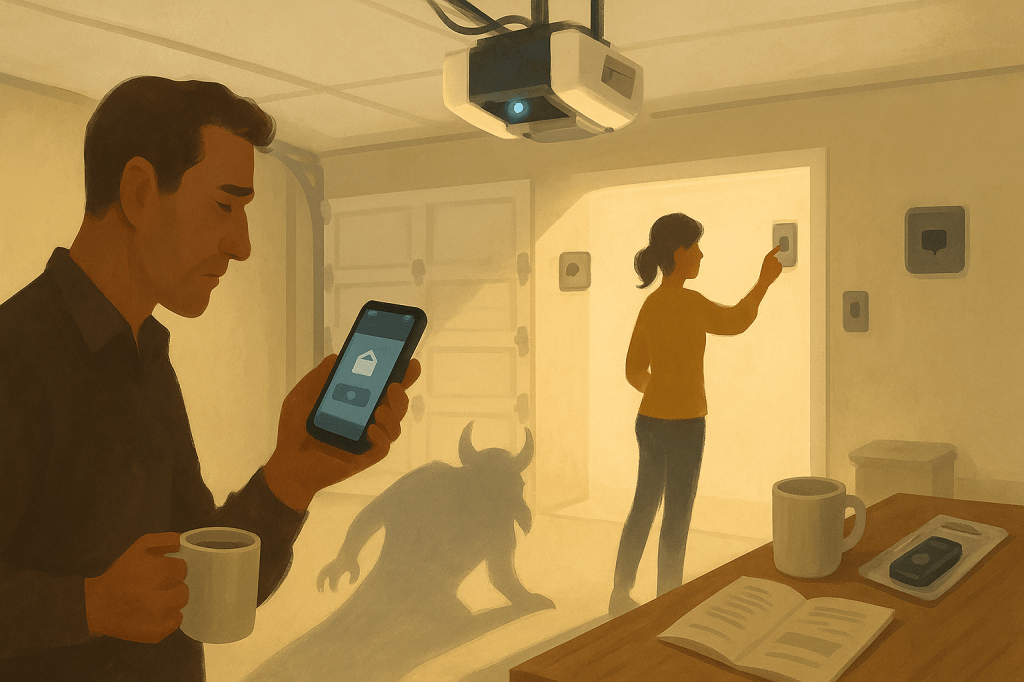
    At nearly sixty-four, I still work out like a man who thinks death is watching from the corner of the garage, arms crossed, waiting to pounce the moment I skip a kettlebell swing. I train with the same primal urgency I felt at thirteen—when muscle equaled safety, and soreness meant I still mattered. I think about workouts. I talk about them. I bore people to death with unsolicited fitness manifestos. My obsessions are a carousel of age, mortality, exercise, oatmeal breakfasts, French-press coffee, and a pathological resistance to anything resembling leisure, especially vacations.

    Which brings me to now: it’s Sunday, and in a few hours my wife’s friend will drive us to LAX so we can board a United flight to Oahu. I should be thrilled. I’m not. I feel like a hostage in my own well-appointed life. I’m going only because family life requires the occasional sacrifice—and this is mine. A three-night stay at the Embassy Suites in Waikiki Beach. Palm trees. Breezes. Ocean sunsets. All of it unnerves me. I want to be helpful, gracious, even grateful—but I am a neurotic, OCD-addled man-child in a do-rag who agonizes every morning over which chunky diver watch to wear, like I’m prepping for surgery on the space-time continuum.

    I do not want to be the dead weight on this trip.

    Still, I try to prepare. My comfort rituals are in full swing. We’re packing two memory foam pillows because hotel pillows have the spinal integrity of a wet napkin. I created a “Travel Checklist” yesterday with over 30 items. My wife flagged two of them—Clorox gel and a scrub brush—and asked why I intended to pack janitorial supplies. “To disinfect the hotel shower,” I said. She told me I’m crazy. Scratch that from the list.

    We’ll land around eleven tonight, pick up the rental car, check in, visit ABC Store #38—because no Hawaii trip is complete without wandering into an ABC Store to buy bottled water, toothpaste, and the spiritual reassurance that you haven’t forgotten something vital. Then we’ll sync our devices to the hotel WiFi, maybe sit on the bed and stare blankly at the TV for twenty minutes before collapsing into our pancake pillows (if the foam ones failed to survive the suitcase crush). By the time I feel vaguely human, it will be midnight.

    And just like that, the countdown begins.

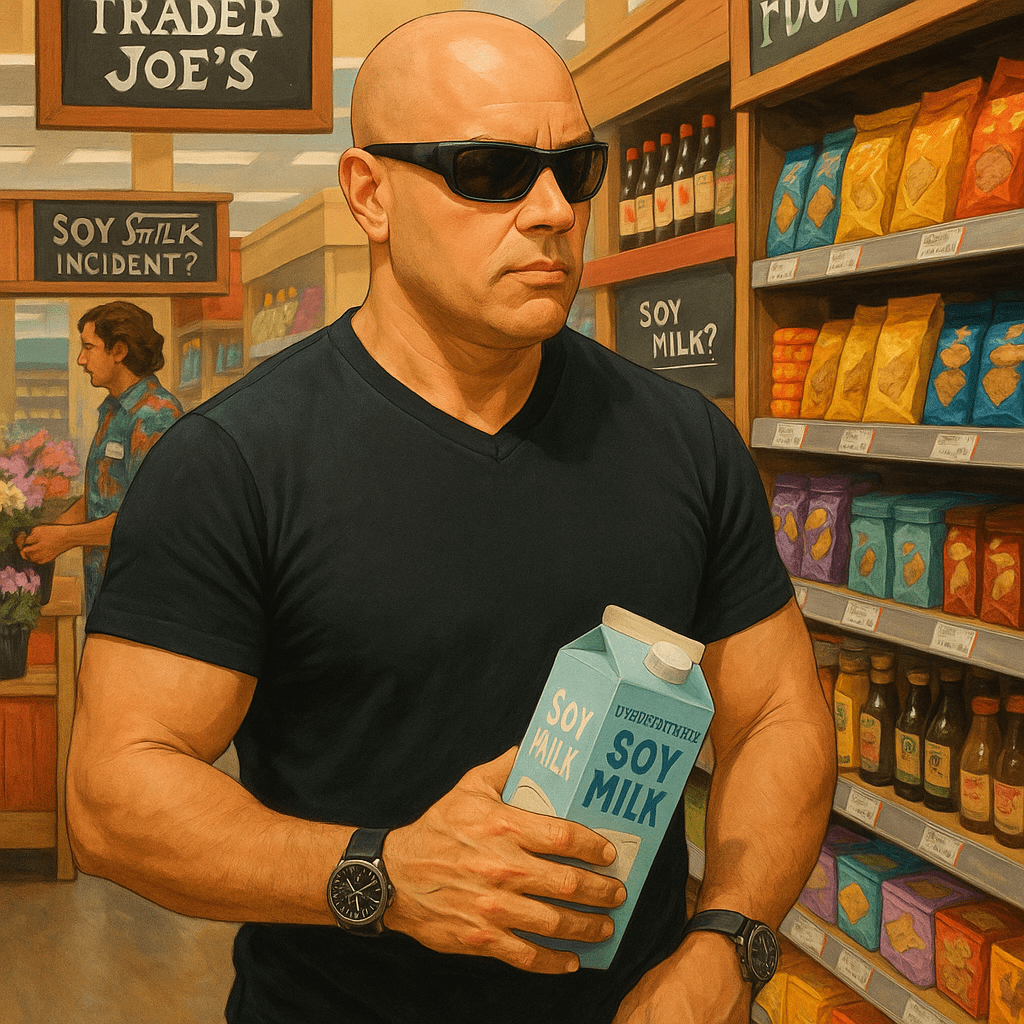
    We fly back Wednesday. Back to LAX. Back to my routine. By Thursday morning, I’ll be at Trader Joe’s shopping for groceries, then in the garage doing kettlebell swings to reassert my identity as a disciplined, slightly unhinged older man who treats a three-day vacation like a stint in exile.

    My wife’s friends raised their eyebrows when they heard how short the trip is. “That’s all my husband can take,” she told them. I felt seen and exposed all at once. It hit me while writing this: it really is a short trip. I feel guilty for being the reason we trimmed it down to a long weekend. And yet—I’m also relieved. Too much freedom, too much unstructured joy, and I begin to unravel. I need my routines. I need the Mothership. Without them, I drift.

    I’m reminded of a memoir I read nine years ago and plan to reread after this trip: An Abbreviated Life by Ariel Leve. It’s about surviving childhood under the tyranny of a narcissistic, chaotic mother. Leve writes with scalpel precision about how chronic trauma rewires the brain, how the child adapts with emotional detachment and hypervigilance, and how adulthood becomes a performance of normalcy built on damaged circuitry. Her memoir is unsentimental, razor-sharp, and achingly honest. I admire her. In some cracked mirror, I recognize myself.

    When I return from Oahu, I’ll dig up my old copy of her book. It’ll be the perfect homecoming gift—a reminder that healing is a long-haul flight, often with delays, turbulence, and very bad pillows.

  • The Farmer’s Walk of Shame and Glory

    The Farmer’s Walk of Shame and Glory

    At thirteen, I became an Olympic weightlifter—because what else does a wiry, overachieving kid from suburban California do when puberty arrives like a freight train full of testosterone and insecurity? My coach, Lou Kruk, had the gruff certainty of a war general. His command: Squats. Lots of them. Squats were the foundation, the gospel, the holy writ. Lou didn’t care if your femurs screamed or your glutes cried for mercy—he wanted you buried under iron like a potato under mulch.

    And I obeyed. I squatted in the gym. I squatted while playing goalie in soccer. I squatted in line during PE roll call, waiting for Ernie Silvera to butcher yet another attendance list. I even squatted in front of my locker, hoping posture would hide the acne. Eventually, the kids at Earl Warren Junior High stopped calling me by my name. I was simply: Squats.

    But here’s the thing: squats weren’t just reps. They were a romantic infatuation with self-improvement. A ritual. A sacrament. I didn’t fall into squats—I plunged, like a lovesick poet into madness.

    Fast-forward to middle age—forty years and one mid-life crisis later—I traded barbell bravado for kettlebells and met a new myth: the Turkish Get-Up. It felt like choreography from some warrior ballet: lie down like a slain gladiator, then rise with a kettlebell overhead like a triumphant god reanimating himself for vengeance.

    Then came the Farmer’s Walk, and I was undone.

    Here’s the scene: I grab a 48-pound kettlebell in one hand, a 53-pounder in the other, and saunter out of my garage barefoot like a lunatic monk of pain. I circle my Honda Accord, not for superstition, but for symmetry. Then I march around the front lawn, beads of sweat trickling down my temples, tank top clinging to my body like a polyester declaration of war.

    The burn in my delts and forearms? Biblical. Especially when I’ve just finished kettlebell swings and around-the-worlds like some masochistic circus act.

    Why do I love the Farmer’s Walk?

    First: its austere simplicity. It’s manual labor disguised as exercise. I’m hauling metaphorical water, carrying invisible suitcases packed with existential weight.

    Second: it taps into a fantasy. I imagine I’m a young, vigorous farmhand, righteous and virtuous, about to earn a sizzling plate of bacon and eggs just for showing up to life.

    Third: it’s primal. I’m walking twin beasts, two snarling metal bulldogs, and I’m the alpha. My heart rate spikes, my skin gleams, and I feel, absurdly, alive.

    But with greatness comes peril. I go barefoot, which means one mistimed drop and I’m dialing podiatry from the ER. If I stub my toe, I’ll be hobbling like a Dickensian orphan. Then there’s the risk of dinging my Accord, which would be both tragic and hilarious.

    Yet the greatest threat isn’t physical—it’s psychological. I am, without a doubt, the neighborhood oddity.

    My neighbors stare. They whisper:

    “What’s he trying to prove?”
    “Is he unraveling?”
    “Is this a cry for help or a cry for gains?”
    “Why doesn’t he take up pickleball like a normal old man?”
    “Oh dear, that poor wife.”

    But despite the scrutiny, I press on. I rise each morning with the enthusiasm of a caffeinated Spartan. I brew my coffee, stir my buckwheat groats, and prepare for my ritual. And when it’s time to perform my ceremonial promenade across the lawn, kettlebells in hand and sweat on brow, I do so with one thought:

    Let them watch.

  • Naked at the Piano Store

    Naked at the Piano Store

    Last night I dreamed I was dragged, not willingly, to what can only be described as a nocturnal daycare megachurch for toddlers. A female friend insisted I come with her, and because I lack boundaries in dreams, I agreed. It was night—an odd time for finger paints and tantrums—but the daycare manager, a woman in her forties with the strained face of someone who’d long since traded dreams for wet wipes, greeted us like this was normal.

    Almost immediately, a child began howling with the primal rage of someone denied a third juice box. I was conscripted to console him. My solution? A trip to a movie theater—because nothing says early childhood healing like surround sound. The child settled, spellbound by whatever played on screen. The strange part? I couldn’t see it. Or hear it. Apparently, the film was perceptible only to children. Perhaps it was Baby’s First Metaphysics. Or an encrypted Pixar feature accessible only through a purified heart.

    At some point, without ceremony or explanation, I slipped away and found myself on a college campus in daylight. My brother was waiting in a parking lot that looked like a car dealership I had overfunded. I had more cars than common sense and a key ring jangling with so many keys it looked like I had robbed a locksmith. He wanted me to follow him to our mother’s house. It suddenly felt urgent. Cosmic, even.

    I got in my vehicle—a car awkwardly tethered to a trailer—and, for reasons known only to dream logic, I drove from the trailer. It took me several minutes to realize I was operating a vehicle from behind, without a windshield or visibility. I was essentially piloting a missile blindfolded.

    Eventually I stopped—miraculously not dead—and found myself balanced at a deadly incline on an overpass. I had parked inches from becoming a traffic statistic. Bystanders stood around, but no one was mad. No one honked. It was as if my recklessness had occurred in a different dimension of social expectation.

    Near the overpass stood a shopping plaza featuring Yamaha grand pianos, each with the sticker shock of a midlife crisis: $26,000 apiece. I considered entering, comforted by the notion that I had “deep pockets”—but the moment I thought it, I realized I was naked. Fully, publicly naked. Oddly, this didn’t mortify me. I was as invisible as a ghost no one remembered to summon.

    Still, I decided not to enter the piano store and sit bare-bottomed on an $8,000 piano bench. Even dream logic has hygiene limits.

    I wandered into a pair of adjacent, carefully curated Edens—two burial gardens laid side by side, one Jewish, one Christian. Both were equal parts reverence and real estate, immaculately landscaped like death had hired a design team. The air was golden with sunlight, the kind that flatters grief and makes you forget about decay.

    Mourners floated among the headstones in their ceremonial best—linen suits, black veils, tailored despair. The Jewish and Christian worshippers moved in peaceful parallel, as if the afterlife had negotiated a truce that the living never quite managed. Gift shops nestled among the tombstones sold tasteful souvenirs—stone etchings, pressed lilies, probably a limited-edition Torah-meets-Gospels keychain. Everything was clean, sacred, and suspiciously well-funded.

    That’s when she appeared—a Quaker woman in a starched bonnet, all radiant calm and pioneer wisdom. She approached like someone who could knit an entire theological treatise while making a pot of herbal tea. Her smile was unshakeable, beatific in that unnerving Quaker way that suggests she knows something you don’t, but she’ll never say it out loud.

    She asked, in a voice smooth as chamomile, why I looked so troubled.

    I told her the truth: “I’m lost. I’ve been driving blind—literally—and now I’ve crash-landed in a dual-faith necropolis. Also, I’m naked. No clothes, no GPS, no plan. I think I took a wrong turn at sanity.”

    She didn’t flinch. Of course she didn’t. She’d seen worse. She probably taught Sunday school to ghosts.

    She smiled. Help was at hand.

    She summoned a tall man in a radiant yellow tunic—somewhere between a monk and a spa manager—who told me the directions home were complicated and could only be followed on foot. What about my car? My trailer? My sprawling fleet of unnecessary transportation?

    “Let it go,” he said, as if he’d read Marie Kondo for the Soul.

    Suddenly, I was surrounded by Quakers. They had me sit on a wooden chair as the daylight shifted to an amber hush. They prayed in Latin, pouring syllables over me like baptismal water. It was solemn. It was sacred. It was disorienting.

    When it ended, the woman in the bonnet asked if I’d been converted.

    “Not exactly,” I said. “But I did have a religious phase in high school. I was a big fan of Rufus Jones. Fundamental Ends of Life—ever read it?”

    She hadn’t. She was more of a George Fox girl. Fair enough.

    I thanked them for the baptism but declined the full spiritual onboarding. I had priorities: get to my mother’s house, find some clothes, and maybe return for the piano if I could be properly trousered.

    I descended a steep, stone staircase into dense green foliage. At the bottom, I hoped, would be pants—and clarity.