Blog

  • Radio Reclaimed: The Proxy Friendship That Saves Your Sanity

    Radio Reclaimed: The Proxy Friendship That Saves Your Sanity

    A couple of months ago, as the Los Angeles wildfires raged, I found myself glued to a radio for live reports. A thought struck me like a lightning bolt: I had missed the radio. This ancient relic had been eclipsed by streaming devices, which, over the past decade, had somehow become my personal cocoon—a space where I meticulously curated my music and podcasts like a hyper-intelligent hermit with a PhD in self-isolation. I was alone, yes, but at least I had the comforting hum of algorithmically chosen tunes to keep me company. Then I realized: this wasn’t comfort. This was madness in a cocoon. My little silo, built to keep out the noise of the world, was also keeping out everything else that made me feel connected. I was losing my grip on reality, like the woman in “The Yellow Wallpaper” who could only see the world through the eyes of her claustrophobic madness.

    So, I did what any self-respecting, slightly paranoid adult would do: I bought a batch of high-performance radios, like the Tecsun PL-990, and I tuned back into the real world. I started listening to Larry Mantle’s voice again on LAist, to KJAZZ and KUSC—the classical music station that claims to be the most popular in the country. And after a few months of basking in their sonic embrace, I understood why KUSC is so beloved. It’s not just music; it’s a friend. The DJs don’t just announce the next piece; they drop in casual nuggets of composer trivia like old pals who just happen to know a lot about Bach’s temper. They are personal, conversational, and soothing, like a club of soundwave whisperers gently easing you into a state of calm with “your nightly lullaby” or music to “start your day.”

    KUSC doesn’t just play classical music. It plays the role of a companion—your anti-anxiety, anti-depression, virtual hug in the form of a radio signal. These aren’t just voices on the air; they’re voices that make you feel like you’re not alone, that someone is there to guide you through the chaos of your day. It’s the kind of subtle emotional manipulation you don’t mind because it’s just so comforting. If radio is going to survive the onslaught of streaming, it could do worse than to study KUSC’s Proxy Friendship model. There’s a lesson in that calm, gentle routine that could help even the most chaotic station become a lifeline in a world that feels like it’s constantly spinning off its axis.

  • Facebook, Bigfoot, and the Digital Swamp of the Reptilian Mind

    Facebook, Bigfoot, and the Digital Swamp of the Reptilian Mind

    When I was a child, going to the grocery store with my mother was a mundane errand—until we reached the checkout line. There, stacked beside the gum and glossy TV guides, was a fever swamp in newsprint: tabloids. They screamed in all-caps about alien babies, Bigfoot sightings in Milwaukee, swamp druids kidnapping hikers, and celebrities melting in real-time under the cruel lens of long-range zoom. I remember wincing. Even at that age, I sensed these were not harmless distractions but invitations to devolve—open doors to the primitive brainstem, the part Phil Stutz calls the “lower channel,” where we stop being people and start becoming lizards with opposable thumbs and credit cards.

    What I didn’t realize then was that these headlines—designed to hijack the amygdala and pump cortisol like candy—were just the analog prototype. The final form? Facebook. Facebook is the digital version of that tabloid aisle, now algorithmically juiced and weaponized to deliver an intravenous drip of the grotesque. My feed, once a sleepy scroll through family birthdays and vacation humblebrags, has transformed into a daily assault of schadenfreude, scandal, and shameless clickbait. Like a bored demon trying to stir chaos in the marketplace of thought, Facebook now mimics TikTok in its race to grab you by the reptilian brain and shake.

    I stay on Facebook for one reason: radios. I’m a radio hobbyist (listen to FM mostly) and belong to a clutch of charmingly niche radio groups where grown adults argue about antenna angles and trade photos of 1980s Japanese receivers like they’re Monet originals. I also use it to message my wife. But every time I log on, I feel like a sober man walking into a dive bar filled with uncouth drunks swinging pool cues at shadows.

    Facebook isn’t just a swamp. It’s a bubbling cauldron of cultural sludge, stirred hourly by algorithms that mistake engagement for intelligence and outrage for insight. It’s a symptom of our collective cognitive degradation—and a primary contributor. It’s an empire built on the backs of half-truths, low-resolution thinking, and viral tantrums. And yet, here I am—wading in, knee-deep, every time I want to tell someone about a new DSP radio chip or the joy of a clean AM signal at midnight.

    This is the curse of the modern enthusiast: to live in a digital kingdom that is both a community center and a cognitive landfill. I stay for the signal, but God help me, I’m choking on the noise.

  • Devotion and Deliverance: Frederick Douglass as Prophet of the Sunken Place

    Devotion and Deliverance: Frederick Douglass as Prophet of the Sunken Place

    Frederick Douglass was the first great American voice to name what Jordan Peele would later visualize as the Sunken Place—that paralyzing state of voicelessness, invisibility, and psychological captivity experienced by African Americans. Though Peele dramatizes the horror of this condition in his film Get Out, Douglass lived it. As an enslaved child denied literacy and identity, Douglass endured what he later described as a living death, a soul frozen beneath the surface of white supremacy’s illusion of order. His fight to reclaim his voice, his mind, and his humanity was nothing less than a jailbreak from the original Sunken Place—and once free, Douglass didn’t just climb out. He turned around and lit the way for others.

    Douglass’s genius wasn’t just in naming the horror but in refusing to let his people be forgotten. In his Narrative, he writes not only for white readers’ moral awakening but for Black readers’ spiritual survival. He wants them to know: I see you. I know what you’re going through. I made it out—and you can, too. His commitment was not just to truth-telling, but to emotional rescue. He becomes the voice for the voiceless, and more importantly, a memory for the disappeared. In every speech, every book, Douglass is saying to his people: You are not crazy. You are not alone. You are not invisible. I love you.

    This radical love—this refusal to forget or abandon the oppressed—is not only the essence of Douglass’s mission but the throughline of the African-American church and the great soul artists who emerged from its sanctuary. Aretha Franklin’s demand for “Respect” is not merely about gender or music—it is about soul-level recognition, the same Douglass demanded when he taught himself to read and stood before an audience to declare, I am a man. Marvin Gaye’s “What’s Going On?” is a lament and a prayer, echoing Douglass’s own grief at watching America devour its conscience while pretending to be virtuous.

    Earth, Wind, and Fire’s “Devotion” is a gospel-soaked anthem of uplift, a promise to stay true, stay grounded, and stay together. That’s the same spiritual contract Douglass wrote with his people: no matter how far he rose—dining with Lincoln, traveling to Europe—he never abandoned the struggle, never stopped fighting for those still trapped in the Sunken Place. The Commodores’ “Zoom” imagines flight from pain and confinement, a kind of cosmic exodus—but not a selfish escape. The dream is to rise and return with wisdom, strength, and hope. This is Douglass in every sense.

    Jordan Peele gave us the Sunken Place in high-definition horror, but Frederick Douglass mapped it out with ink and fire long before the screen could flicker. He understood that the greatest tragedy of oppression is not physical bondage but spiritual erasure. And he devoted every breath of his free life to pulling others out—through rhetoric, through writing, through relentless love.

    In the voices of Aretha, Marvin, Maurice White, and Lionel Richie, we hear Douglass’s echo: not just survival, not just resistance, but a deeply rooted refusal to abandon anyone to silence. These aren’t just songs. They are gospel calls to rise, to remember, and to remain devoted. In that sacred tradition, Douglass stands as the first great prophet of the Sunken Place—and the first to vow, with soul-deep conviction, I will not leave you there.

  • Performance Anxiety: The Liver King and Joan, Both Awful in Their Own Way

    Performance Anxiety: The Liver King and Joan, Both Awful in Their Own Way


    The Liver King and Joan from Black Mirror’s “Joan Is Awful” walk into the same existential trap, only one is greased in raw liver and the other in algorithmic despair. Both become victims of their own performance, trapped in personas crafted for mass consumption. One flexes in loincloths to sell ancestral supplements, the other finds her life commodified by a streaming service that turns her every ethical failure into entertainment. What they share is the slow, public realization that the self they’ve been performing isn’t just unsustainable—it’s a lie with consequences.

    The Liver King, with veins like tree roots and an ego to match, built his brand on being the living embodiment of primal masculinity. Turns out, his liver was natural, but his abs were not. When the steroid truth came out, so did the emptiness behind the brand: a man so addicted to being a character that he forgot how to be a person. Similarly, Joan discovers she is both the protagonist and product of a Netflix-style show that mirrors her life in real time. Her public image becomes so divorced from her private self that the two are no longer distinguishable. In both cases, performance replaces identity—and eventually consumes it.

    Both characters suffer a mental breakdown not because they’ve failed, but because they’ve succeeded—at becoming the thing they thought the world wanted. The Liver King was adored until he wasn’t, and Joan was forgettable until she became a meme of moral failure. The irony is brutal: success, for them, is the trapdoor. Their audiences don’t want authenticity—they want a spectacle, a scapegoat, someone to mock or idolize, preferably both at once. And when the curtain is pulled back, the applause turns to outrage.

    There’s also the matter of control—or rather, the delusion of it. The Liver King believed he could manipulate his public image through primal storytelling and ab workouts. Joan believed she had autonomy until she saw Salma Hayek’s CGI avatar doing unspeakable things in her name. Both lose control of their narratives, and the horror isn’t just public shame—it’s the recognition that their true selves have been outsourced, packaged, and sold. They become strangers to their own lives.

    In the end, the Liver King and Joan are case studies in performative collapse. They remind us that the pursuit of a curated, amplified self—whether through steroids or streaming—leads not to greatness but to existential whiplash. When you spend your life trying to be a brand, don’t be surprised when you’re treated like a product: disposable, replaceable, and, eventually, outdated. Joan may be awful, and the Liver King may be absurd, but their breakdowns are brutally, unmistakably human.


  • The Maudlin Man: On Watches, Social Media, and the Narcissism of Meaningless Eagerness

    The Maudlin Man: On Watches, Social Media, and the Narcissism of Meaningless Eagerness

    There is no sound more pathetic than the cry of the maudlin man—the self-appointed tragic hero of his own YouTube channel, sobbing between cuts of B-roll footage of his watch collection, mistaking emotional leakage for authenticity. He clutches his diver watches like talismans, convinced that the right lume or bezel action will finally make him whole. But his affliction is deeper than poor taste or consumer excess. He is in love with his own sorrow. And worse, he films it.

    Cicero had a word for this spectacle: maudlin. It was not meant kindly. The maudlin man is drunk on his own emotional silliness, addicted to contrived drama, and tragically proud of his displays of overstated sorrow and giddy exuberance. In his pursuit of happiness, he has mistaken cheap feeling for moral virtue, dopamine for character, sentiment for wisdom. He is not mature. He is a teenager with a $5,000 Tudor.

    The watch hobby, for all its mechanical beauty and aesthetic value, has become a theater of narcissistic self-performance. The YouTube wrist-roll has replaced the confessional. The thumbnail becomes the new sacred icon: face frozen mid-epiphany, a timepiece held up like a religious relic. Each upload, each gushing review, is a digital Rolex—plucked, examined, and consumed with trembling fingers and tears in the eyes. The tragedy is not that the watch community is ridiculous (though it often is), but that it has devolved into a factory of performative adolescence.

    It wasn’t always this way. There was a time when the pursuit of happiness, as Jeffrey Rosen in The Pursuit of Happiness reminds us, meant the cultivation of moral character. Rosen draws from Franklin, Jefferson, and ultimately Cicero, who taught that happiness came not from pleasure but from the tranquil soul: one unbothered by fear, ambition, or maudlin eagerness. The watch obsessive is none of these things. His soul is rattled, consumed by longing, shaken by regret. He mistakes every new acquisition for a cure, every unboxing for a rebirth. But he is not reborn. He is merely re-dramatizing the same pathology.

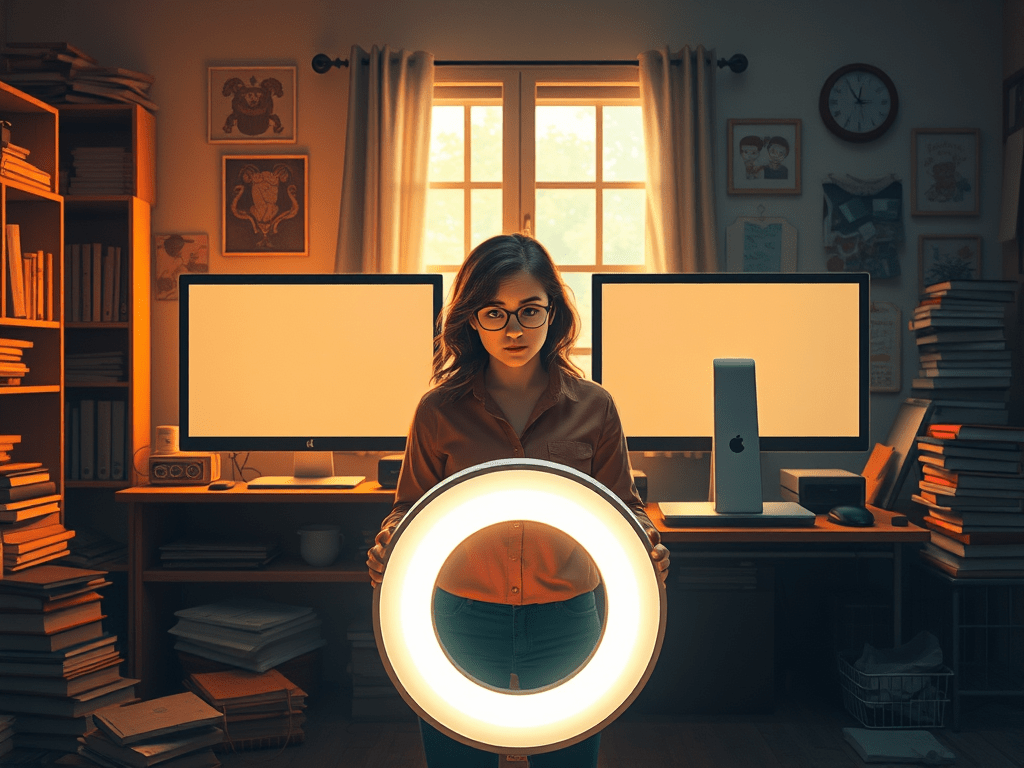
    Enter the maudlin man, the inner saboteur. He mocks, he sneers, and he tells the truth: that the maudlin man has no real restraint. That his self-recrimination is as performative as his self-praise. The maudlin man is cruel. He exaggerates the regret that comes from flipping watches like penny stocks; the hollow boast of self-control while our eBay watchlist grows longer by the hour; the dopamine crashes masked by overproduced videos and fake enthusiasm. We are not collectors. We are addicts with ring lights.

    To be addicted to the watch hobby is to be afflicted with a thousand tiny regrets. We regret what we bought, what we sold, what we didn’t buy fast enough. We suffer from wrist rotation anxiety, Holy Grail delusions, false panic, and the creeping horror that we are just men who talk too much about case diameter. Our collections become mausoleums of past mistakes. We are haunted, not healed.

    The only cure—if one exists—is a form of philosophical sobriety. Cicero called it temperance. Franklin called it moral perfection. Phil Stutz calls it staying out of the lower channel. It is the refusal to feed the drama. It is the decision not to narrate your regret as if it were wisdom. It is stepping back, stepping away, and recognizing that sometimes, the most radical act of self-possession is to stop filming.

    This maudlin sickness isn’t limited to the horological hellscape. Social media itself is a dopamine machine engineered to keep us emotionally drunk. We live in a world of curated personas, algorithmic affirmation, and the self-cannibalizing loop of outrage and euphoria. As Kara Swisher notes in Burn Book, the tech elite have weaponized this environment for profit, fueling sociopathy with likes and retweets. They are not gods. They are billionaires who behave like wounded teenagers in private jets.

    It is not a coincidence that the watch obsessive and the tech mogul share the same pathology: a hunger for affirmation masquerading as taste. They are the same creature, only one wears a G-Shock and the other a Richard Mille. Both are drunk on maudlin emotion. Both mistake attention for meaning.

    What, then, is the alternative? It is to shut off the camera. To read. To walk. To live a life not curated but inhabited. To pursue virtue, not validation. To wear one watch and be content. To see, finally, that maudlin self-display is not depth, but decadence.

    So here is the diagnosis, bitter but true: The maudlin man must die. Not literally, but spiritually. He must be silenced so the adult may speak. He must be buried so the man of character can rise. He must be mocked, dissected, exposed, and ultimately exorcised.

    Only then, perhaps, will we stop crying over something as silly as the regret of sold watches we can never get back.

    And maybe—just maybe—stop filming them.

  • Streaming Ourselves to Death: Black Mirror’s Guide to Digital Self-Destruction: Comparing “Rachel, Jack, and Ashley Too” to “Joan Is Awful”

    Streaming Ourselves to Death: Black Mirror’s Guide to Digital Self-Destruction: Comparing “Rachel, Jack, and Ashley Too” to “Joan Is Awful”

    Sample Thesis Statement:
    In both “Rachel, Jack, and Ashley Too” and “Joan Is Awful,” Black Mirror delivers a two-pronged assault on algorithmic tyranny and digital self-annihilation, revealing how tech billionaires convert human identity into cheap, clickable content. Ashley O is drugged and dollified into pop-star merchandise, while Joan is flattened into meme fodder for slack-jawed voyeurs on Streamberry—but both women are trapped in the same soul-crushing system. These episodes expose the delusions we sell ourselves to survive in digital captivity: Ashley believes she’s empowering fans with upbeat anthems; Joan thinks she’s a decent person navigating modern life. Both are wrong. In their pursuit of relevance and convenience, they surrender agency, narrative control, and even reality itself. What emerges is not connection or empowerment, but sedation, surveillance, and spiritual decay. Black Mirror doesn’t just critique technology—it screams from inside the machine, warning us that if we don’t resist the limiter, we’ll be reduced to content, chewed up and streamed.


    9-Paragraph Outline:

    1. Introduction: Welcome to the Content Farm
    Set the tone with a satirical overview of the modern digital landscape—where dopamine is currency, identity is branding, and everyone is one click away from becoming a hollow avatar. Introduce the two episodes as complementary case studies in algorithmic exploitation.

    2. The Algorithm as Warden: Sedation in Both Episodes
    Compare how both Joan and Ashley are sedated—Ashley literally, with pharmaceuticals and PR micromanagement; Joan metaphorically, with sleek tech interfaces and passive user agreements. In both cases, the algorithm serves as the controlling force, silencing resistance and flattening complexity.

    3. Fame Without Self: Parasocial Hellscapes
    Explore the twisted nature of fame in each story. Joan becomes the star of her own humiliation, while Ashley is transformed into a smiling bot. Both are consumed by audiences who offer attention without empathy—voyeurs feeding on curated suffering.

    4. From Individual to Product: Identity as IP
    Analyze how both characters are commodified: Joan’s life becomes serialized misery, Ashley’s brain becomes intellectual property. Identity is no longer something you are, but something you license. In both cases, human interiority is collateral damage.

    5. The Illusion of Control: False Narratives and Self-Delusion
    Dive into the self-deceptions each woman clings to: Joan’s belief that she’s a decent person with nothing to hide, and Ashley’s idea that she’s empowering fans. Black Mirror plays these delusions against the brutal clarity of algorithmic truth, which cares nothing for intention—only data.

    6. Digital Convenience as Spiritual Rot
    Zoom in on the danger of passive tech adoption. Both women embrace convenience—Joan with Streamberry’s EULA click, Ashley with her compliance to branding—but convenience becomes complicity. These episodes indict us all for trading privacy and agency for frictionless digital life.

    7. Vaulted Dreams and Caged Souls
    Explore the imagery of confinement: Ashley’s hidden songs and real voice locked away, Joan’s authentic self buried under a performative persona. Both characters are imprisoned not by force, but by systems they enabled and internalized.

    8. Breaking the Limiter: Brief Flickers of Resistance
    Describe the moments when Joan and Ashley attempt to fight back—Ashley’s rock performance, Joan’s confrontation with the simulation. These acts are cathartic but fleeting, raising the question of whether resistance is even possible when the system owns the stage, the script, and the camera.

    9. Conclusion: Smash the Mirror Before It Streams You
    Reinforce the episodes’ collective message: we’re not spectators—we’re participants in our own reduction. The only way out is radical self-awareness and refusal. These aren’t just stories about fictional characters—they’re early obituaries for anyone who fails to reclaim their voice from the algorithm.

  • Pop Star in a Coma: The Algorithm Is Lip-Syncing Your Soul: Sample Thesis and Outline for Black Mirror’s “Rachel, Jack, and Ashley Too”

    Pop Star in a Coma: The Algorithm Is Lip-Syncing Your Soul: Sample Thesis and Outline for Black Mirror’s “Rachel, Jack, and Ashley Too”

    Sample Thesis Statement:
    “Rachel, Jack, and Ashley Too” rips the pink wig off the pop-culture-industrial complex to expose a dystopia where tech billionaires run a human soul mill. It’s not just Ashley O who’s drugged, duped, and locked in a digital dollhouse—it’s all of us, caught in the ghoulish grip of algorithm-driven content that flatters the lowest common denominator. This is not entertainment; it’s sedation. The episode shows how our creativity is strip-mined, our personas flattened into merchandise, and our deepest doubts and desires locked in corporate vaults for being too inconvenient. In the end, the message is clear: unless we smash the limiter, we’ll live and die as Ashley O—cutesy, compliant, and spiritually comatose.


    Outline (9 Paragraphs):

    1. Introduction: Welcome to the Cuteness Gulag
    Set the stage with a darkly humorous description of Ashley O’s squeaky-clean image as a smiling hostage, complete with robotic merch and saccharine lyrics. Introduce the idea that the episode is less a quirky sci-fi tale and more a snarling manifesto against the commercialization of identity.

    2. The Algorithm Never Sleeps: Hollow Content for Numb Minds
    Analyze how Ashley’s public persona is curated by committee and driven by data. Her music is optimized for palatability—just enough rhythm to tap your foot, but not enough soul to make you think. The “limiter” isn’t just a piece of tech—it’s a metaphor for the entire entertainment industry’s lobotomy.

    3. Cloning the Soul: From Pop Star to Plastic Bot
    Dive into the horror of the Ashley Too doll, which turns a person into a chirpy personal assistant. It’s not just branding—it’s identity theft with a bow on it. The real Ashley is asleep in a hospital bed while her synthetic self grinds out content for profit. A metaphor, yes—but also terrifyingly literal in our age of deepfakes and AI-generated influencers.

    4. Rachel and Jack: The Misfit Audience with Brains Still Intact
    Shift to the sisters, particularly Rachel, who clings to Ashley Too like a lifeline. Her obsession is a study in how young people form parasocial bonds with avatars rather than real people. Jack, the skeptical sister, represents resistance—but she too is caught in the web, just on the other end of the thread.

    5. Sedation by Stardom: Pills, PR, and the Art of Numbing Out
    Explore the pharmaceutical theme—Ashley’s forced sedation is a grim exaggeration of how the real entertainment world runs on uppers, downers, and spin doctors. It’s not just about keeping Ashley compliant—it’s about keeping the brand on message. Mental health is bad for business.

    6. Vaulting the Real: Dreams Locked Away for Profit
    The vault where Ashley’s raw, honest songs are hidden is a blunt-force metaphor for how corporations bury real expression. Creativity becomes contraband. Anything genuine is deemed “off-brand,” and therefore locked away until further monetization becomes viable.

    7. From Stardom to Slavery: When the Product Becomes a Prisoner
    Zoom in on the brutal irony: Ashley is both the star and the captive, both the cash cow and the corpse. Her likeness is used to sell empowerment anthems while her actual self is powerless, voiceless, drugged into silence. This is the algorithm’s endgame: total identity extraction.

    8. Breaking the Limiter: Rebellion as Reclamation
    Detail the climax where Ashley escapes and finally performs her real music—raw, angry, and alive. This isn’t just a feel-good moment; it’s a warning shot. It says you’ll have to fight for your voice in a world that profits from your silence. And the limiter? That’s on all of us, every time we dumb ourselves down for likes.

    9. Conclusion: Unplug Before You’re Repackaged
    Bring it home with a rallying cry. The episode isn’t just critiquing pop culture—it’s slapping your phone out of your hand and daring you to wake up. If we don’t unplug from the factory of fake selves and hollow clicks, we’ll all be Ashley O: dancing, smiling, and dead inside.

  • The Algorithm Will See You Now: Joan’s Collapse in a Funhouse Mirror World: Sample Thesis and Outline for Analysis of Black Mirror’s “Joan Is Awful”

    The Algorithm Will See You Now: Joan’s Collapse in a Funhouse Mirror World: Sample Thesis and Outline for Analysis of Black Mirror’s “Joan Is Awful”

    Sample Thesis Statement:


    In Joan Is Awful,” the titular character stumbles into ruin not because she’s evil, but because she’s deluded—clinging to a flattering self-image while ignoring the yawning chasm between how she sees herself and how others do. Her desperate need for approval blinds her to the hollow spectacle of parasocial fame, where the Streamberry audience gorges on her curated misery with slack-jawed glee and not an ounce of empathy. Meanwhile, Joan’s passive embrace of digital convenience—those sleek platforms that promise connection, ease, and relevance—costs her everything: privacy, agency, even identity. As her most intimate moments are vacuumed into the cloud, diced into monetizable data, and reassembled into lurid entertainment, Joan learns the hard way that algorithms don’t care about narrative nuance—they just want content. In the end, she’s not the star of her own life. She’s tech industry chum, chewed up and streamed.


    Outline (9 Paragraphs):

    1. Introduction: The Mirror Cracks
    Set the tone by describing Joan’s glossy, curated digital life as a carefully lit Instagram photo—harmless on the surface, but riddled with cracks. Preview the idea that Joan Is Awful isn’t just a satire about tech—it’s a psychological horror story about self-delusion, digital exploitation, and the death of narrative control.

    2. The Selfie Delusion: Joan’s Inflated Self-Perception
    Explore Joan’s internal image of herself as a reasonable, competent, kind professional. Contrast this with the version that appears on Streamberry: vain, passive-aggressive, and spineless. Argue that the episode’s central irony lies in Joan’s shock—not at being watched, but at being seen too clearly.

    3. The Streamberry Effect: Fame Without Love
    Analyze the parasocial dimension: Joan’s life is turned into a binge-worthy drama, but there’s no affection in the audience’s gaze. They’re not fans; they’re voyeurs. The more humiliating the content, the more addicted they become. This is the dopamine economy, and Joan is its punchline.

    4. Compliance and Convenience: How She Handed Over the Keys
    Joan doesn’t get hacked—she clicks “Accept Terms and Conditions.” Show how the episode weaponizes our own tech complacency. Her ruin begins with a shrug. She wanted frictionless tech. What she got was soul extraction via user agreement.

    5. Raw Data, Real Damage: The Monetization of Intimacy
    Dig into the idea that Joan’s emotions, her breakups, her therapist visits, even her sex life—all become commodities. They’re no longer private moments, but digital product. The episode skewers the idea that tech is neutral. It’s a vampire, and your heart is just another bite-sized upload.

    6. Algorithmic Authoritarianism: The Tyranny of Predictive Systems
    Focus on the moment when Joan realizes she’s been living inside a nested simulation created by AI. Explain how this metaphor extends beyond science fiction—it mirrors the way our lives are shaped, nudged, and pre-written by recommendation engines, targeted ads, and invisible code.

    7. Narrative Collapse: When You’re No Longer the Main Character
    Explore the existential horror of losing narrative control. Joan’s identity dissolves not just because she’s surveilled, but because she can no longer steer the story. She’s overwritten by code, versioned into oblivion, rendered into a flattened character in someone else’s plot.

    8. Final Descent: From Star to Spectacle to Scrub
    Track Joan’s downward spiral as she tries to fight the system, only to discover that her rebellion has already been commodified. Even her attempts to resist are folded into more content. Her final fate isn’t tragic—it’s product placement.

    9. Conclusion: A Warning Disguised as Entertainment
    Tie everything back to the real world. We are all Joan to some degree—curating, consenting, surrendering. Streamberry may be fictional, but the forces it parodies are not. End with a sharp jab: the next time you agree to terms of service without reading, remember Joan. She clicked too.

  • Confessions of a Washed-Up Watchfluencer: Dreaming of Leaving YouTube and Instagram

    Confessions of a Washed-Up Watchfluencer: Dreaming of Leaving YouTube and Instagram

    For the better part of a decade, I’ve been a talking head on YouTube—waxing unpoetic about dive watches, flipping Seikos like pancakes, and freefalling into endless spirals of horological self-loathing. My channel was never slick. No fancy cuts, no drone shots over crashing waves, no ominous music swelling over macro shots of ceramic bezels. Just me: a man, a camera, and the slow erosion of his dignity.

    I didn’t edit. I didn’t storyboard. I didn’t build a brand. I just rambled into the void, a kind of wristwatch confessional booth where I shared my joy, my shame, and my madness with an audience of fellow obsessives. For a while, it was exhilarating. Like catching your own reflection in a funhouse mirror and mistaking it for truth.

    At my pathological peak, I owned sixty-three “TV-brand” watches—any brand that looked good on camera and bad for your soul. I knew I had a problem when I started hiding watches in drawers and pretending I hadn’t bought another diver. Getting the collection down to five felt like detox. Like crawling out of a swamp in ripped jeans, clutching a G-Shock and whispering, never again.

    And now? I haven’t filmed in a month. The idea of making another video fills me with dread. My subscriber count has flatlined around 10,000. I’m not growing. I’m not evolving. I’m the guy in the garage band who still thinks the right lighting will disguise the fact that he’s 63, wearing a wig, and flexing in a tank top with a fake tan and a borrowed swagger.

    More than stagnation, it’s the cost of content creation that’s choking me. Every video drags me deeper into the watch swamp. I obsess. I fantasize. I compare. I scroll forums at 2 a.m. and start building mental spreadsheets of specs I’ll forget by morning. The longer I film, the more I think about watches, and the more I think about watches, the less I think about anything else.

    Then there’s Instagram—my other digital vice. The cigarette break I take between grading student essays and questioning my life choices. One minute I’m watching a documentary; the next I’m styling a wrist shot, spreading digital envy like cologne. Watch porn. FOMO fuel. I’m not sharing insight. I’m spreading existential rot disguised as lifestyle content.

    The breaking point came last week when two Instagram friends—good guys, honest guys—messaged me with admiration-tinged despair. They loved my collection but felt ashamed of their own modest $300 watches. That’s when I saw it: I wasn’t inspiring anyone. I was curating a highlight reel of hollow indulgence, turning craftsmanship into competition. I don’t want to be that guy. The one whose joy costs others their peace.

    So yes—I’ve been dreaming of leaving. Leaving YouTube. Leaving Instagram. Leaving the digital masquerade where likes masquerade as affection and comments stand in for connection. But here’s the kicker: I don’t want to announce my departure. I don’t want to post some faux-epic “farewell” video where I stare off into the middle distance like a monk who’s just discovered minimalism. That’s not liberation—that’s branding.

    And yet, here I am. Writing this.

    The irony is suffocating.

    What’s my future on YouTube and Instagram? I honestly don’t know. But I’ve caught the scent of something better—something that smells like freedom, like sanity, like the first breath of fresh air after crawling out of a sealed vault.

    In the meantime, there’s the blog. Nine subscribers. Twenty hits a day. Basically the sound of a tree falling in the woods while everyone’s at brunch. But unlike video, writing helps me think. It gives shape to the noise in my head. Like kettlebell workouts or noodling on a keyboard, it’s therapy with fewer side effects and no recurring subscription fee.

    So no, I don’t care about metrics. Not anymore. I just want to be true to myself, however unmarketable that truth might be.

    And if you’re still reading this—thanks. I’m guessing you get it.

  • What Am I Even Teaching Anymore? Enduring Understandings, Fleeting Trends, and the Ever-Shifting Ground of Freshman Composition

    What Am I Even Teaching Anymore? Enduring Understandings, Fleeting Trends, and the Ever-Shifting Ground of Freshman Composition

    After four decades of teaching college writing, you’d think I’d have my units and essay prompts locked in, shrink-wrapped, and ready to microwave. Not quite. The world moves fast. Prompts that feel brilliant on Tuesday can feel dated by Friday. TikTok didn’t exist when I started teaching. Neither did smartphones, influencers, or GLP-1 agonists. So instead of clinging to yesterday’s prompts like a hoarder clutching expired coupons, I chase the deeper prize: Enduring Understandings—those sticky, soul-level questions that live beyond the classroom and follow students into the messiness of real life. (Hat tip to Grant Wiggins and Jay McTighe, who gave this idea a name and a purpose.)

    This fall, my freshman comp class includes the college football team, which means our opening unit now tackles (yes, pun intended) the sport that defines American spectacle and denial. But this isn’t your uncle’s barstool rant about “kids these days.” We’ll use football as a lens to examine risk, consent, identity, and systemic power—big stuff disguised in helmets and shoulder pads.

    Whether my students wear cleats or Converse, I want them grappling with questions that matter: Why do we chase short-term glory when the long-term cost might be our body, our brain, or our soul? What do we sacrifice on the altar of performance—on the field, online, or in life?

    Here’s how the year breaks down:


    Freshman Composition and Critical Thinking

    Freshman Composition Class

    Unit 1: Gladiators in Pads: Risk, Consent, and the Business of Football
    Is football a sacred rite of passage or a meat grinder in cleats? Students will write about acceptable risk, consent, glory, money, and whether football is a path to opportunity—or exploitation wrapped in pageantry.

    Unit 2: Heroism and Resistance to the Sunken Place
    From Frederick Douglass to Malcolm X, from Get Out to Black Panther, students will explore how marginalized figures resist dehumanization and transform themselves. We’ll examine what it means to climb out of the “Sunken Place”—and why it matters.

    Unit 3: The Loneliness of the Digitally Depressed
    With help from Black Mirror (“Nosedive” and “Fifteen Million Merits”), students will explore the connection between online performance and psychological breakdown. Are we curating ourselves into oblivion?


    Critical Thinking Class

    Unit 1: Willpower Is Not a Weight-Loss Strategy
    Ozempic is here, and the willpower gospel is wobbling. Students will unpack the moral panic surrounding weight-loss drugs and debate what happens when biotech and body image collide.

    Unit 2: The Mirage of Self-Reinvention
    From Fitzgerald’s doomed dreamers to Black Mirror’s algorithmic puppets, we’ll examine how the myth of personal reinvention can go horribly wrong—and why losing control of your narrative is the ultimate modern horror.

    Unit 3: Culinary Code-Switching or Cultural Betrayal?
    Food as survival, as art, as compromise. We’ll trace the tangled line between adaptation and erasure in the Americanization of Chinese and Mexican cuisines. When is fusion a celebration—and when is it a sellout?


    Teaching writing in this century means teaching students how to think clearly while the world gaslights them with dopamine and distraction. These units won’t solve that problem, but they’ll make sure we’re asking the right questions while we’re still allowed to.