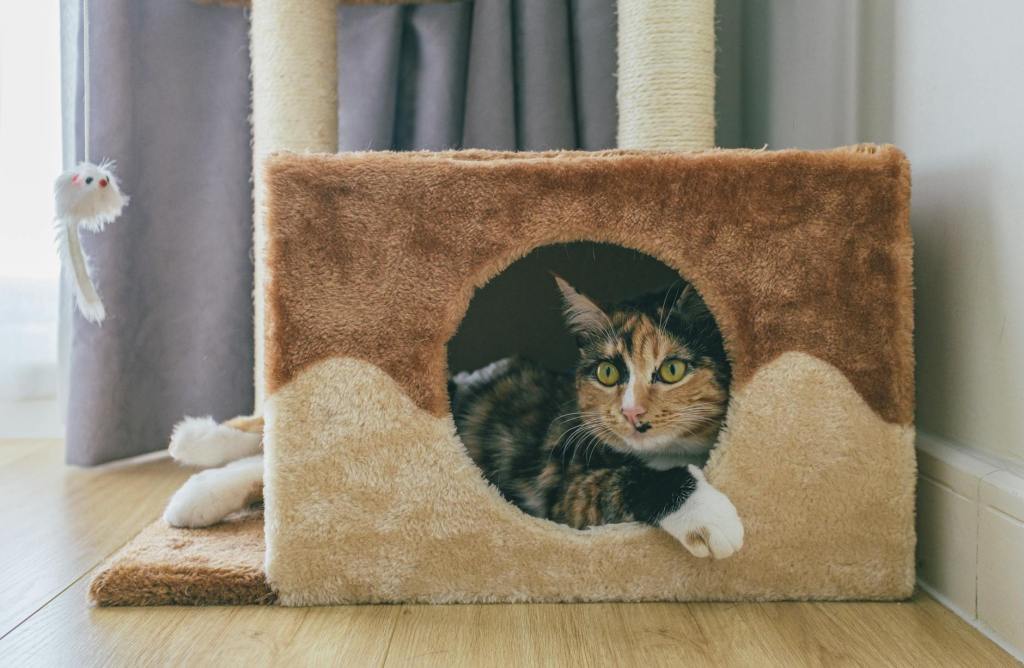
Declawing Effect
noun
The gradual and often well-intentioned removal of students’ essential capacities for self-defense, adaptation, and independence through frictionless educational practices. Like a declawed cat rendered safe for furniture but vulnerable to the world, students subjected to shortened readings, over-accommodation, constant mediation, and AI-assisted outsourcing lose the intellectual and emotional “claws” they need to navigate uncertainty, conflict, and failure. Within protected academic environments they appear functional, even successful, yet outside those systems they are ill-equipped for unscripted work, sustained effort, and genuine human connection. The Declawing Effect names not laziness or deficiency, but a structural form of educational harm in which comfort and convenience quietly replace resilience and agency.
***
In the early ’90s, a young neighbor told me that the widow behind his condo was distraught. Her cat had gone missing, and she didn’t expect it to come back alive. When I asked why, he explained—almost casually—that the cat had been declawed. He then described the procedure: not trimming, not blunting, but amputating the claws down to the bone. I remember feeling a cold, visceral recoil. People do this, he said, to protect their furniture—because cats will shred upholstery to sharpen the very tools evolution gave them to survive. The logic is neat, domestic, and monstrously shortsighted. A declawed cat may be well behaved indoors, but the moment it slips outside, it becomes defenseless. The price of comfort is vulnerability.
Teaching in the age of AI, I can’t stop thinking about that cat. My students, too, are being declawed—educationally. They grow up inside a frictionless system: everything mediated by screens, readings trimmed to a few pages, tests softened or bypassed through an ever-expanding regime of accommodations, and thinking itself outsourced to AI machines that research, write, revise, and even flirt on their behalf. Inside education’s Frictionless Dome, they function smoothly. They submit polished work. They comply. But like declawed cats, they are maladapted for life outside the enclosure: a volatile job market, a world without prompts, a long hike navigated by a compass instead of GPS, a messy, unscripted conversation with another human being where nothing is optimized and no script is provided. They have been made safe for institutional furniture, not for reality. And here’s the part that unsettles me most: I work inside the Dome. I enforce its rules. I worry that in trying to keep students comfortable, I’ve become an enabler—a quiet accomplice in reinforcing the Declawing Effect.
 Cinemorphosis