Tag: cooking

  • Bland Is My Brand: Confessions of a Simplicity Addict

    Bland Is My Brand: Confessions of a Simplicity Addict

    All I want is a simple life. Not monk-on-a-mountain simple—just orderly, disciplined, and quietly adult. The kind of life where the tools around me signal that I’ve stopped auditioning for chaos. My shaving ritual is a 1959 Gillette Fatboy and cheap double-edge blades. My coffee comes from freshly ground dark roast, brewed slow enough to qualify as a character-building exercise. On my wrist: a diver on rubber, because I value function over flash. My workouts happen in the garage with kettlebells. My wardrobe is a uniform—black athletic pants, dark T-shirts, sherpa sweatshirts when the temperature drops. My car is a Honda Accord: bland, boring, and unkillable. People mock its white-bread styling. I embrace it. Bland is my brand.

    Food, however, is where simplicity turns into a group project. My own diet dreams of sweet potatoes, steel-cut oats, buckwheat groats, millet, tofu sautéed in Trader Joe’s curry or peanut sauce, nutritional yeast sprinkled like the Parmesan of moral superiority. I’ll toss in tuna or salmon a few nights a week for variety. My family, meanwhile, wants chicken tenders and taco meat—organic, sure, but flown in from Australia and Argentina like first-class beef. I made a sincere pitch for a mostly plant-based household. It failed spectacularly. Democracy has spoken, and it wants ground beef.

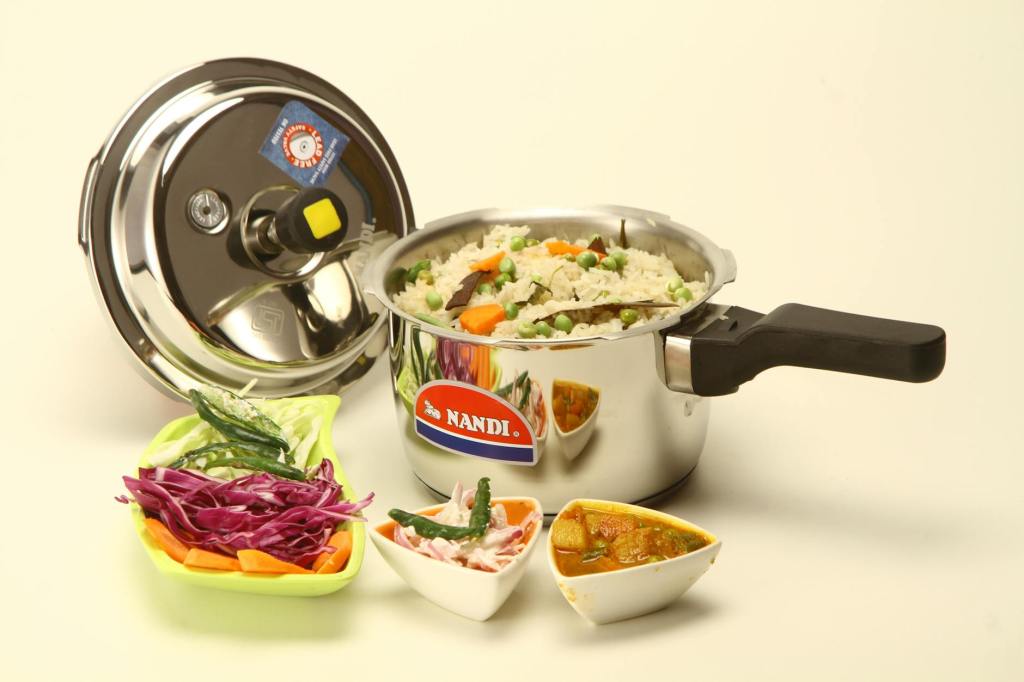
    Appliance-wise, I’m at a crossroads of excess. I own a rice cooker I never use and a giant Instant Pot I never use. They sit there like bulky monuments to abandoned ambition. I could use them for oats, groats, rice, and millet—or I could do what my soul really wants: get rid of both and buy one small pressure cooker that doesn’t hog the counter. Two out, one in. The math thrills me. My wife has approved the purchase. Now comes the real drama: do we donate the old machines, exile them to the garage, or perform the ritual drive to Goodwill? These are the kinds of ethical dilemmas that define modern minimalism.

    Of course, I feel a pang of guilt every time I buy something in the name of owning less. Nothing complicates a simplicity quest like consumer remorse. Forgive me my first-world angst. I suspect this whole project—paring down razors, beans, watches, and appliances—is really a coping mechanism. It’s easier to optimize your oatmeal workflow than confront the madness of the world. So here I am, scrolling Reddit, reading debates about rice cookers versus pressure cookers, pretending that the right appliance might finally bring me peace. Spoiler: it won’t. But it might make better millet.
  • Stir-Free Peanut Butter and the Slow Death of Self-Control

    Stir-Free Peanut Butter and the Slow Death of Self-Control

    Frictionless Consumption is the pattern by which ease replaces judgment and convenience overrides restraint. When effort is removed—no stirring, no waiting, no resistance—consumption accelerates beyond intention because nothing slows it down. What once required pause, preparation, or minor inconvenience now flows effortlessly, inviting repetition and excess. The danger is not the object itself but the vanished friction that once acted as a governor on behavior. Frictionless consumption feels like freedom in the moment, but over time it produces dependency, overuse, and decline, as appetite expands to fill the space where effort used to be. In eliminating difficulty, it quietly eliminates self-regulation, leaving users wondering how they arrived at excess when nothing ever felt like too much.

    ***

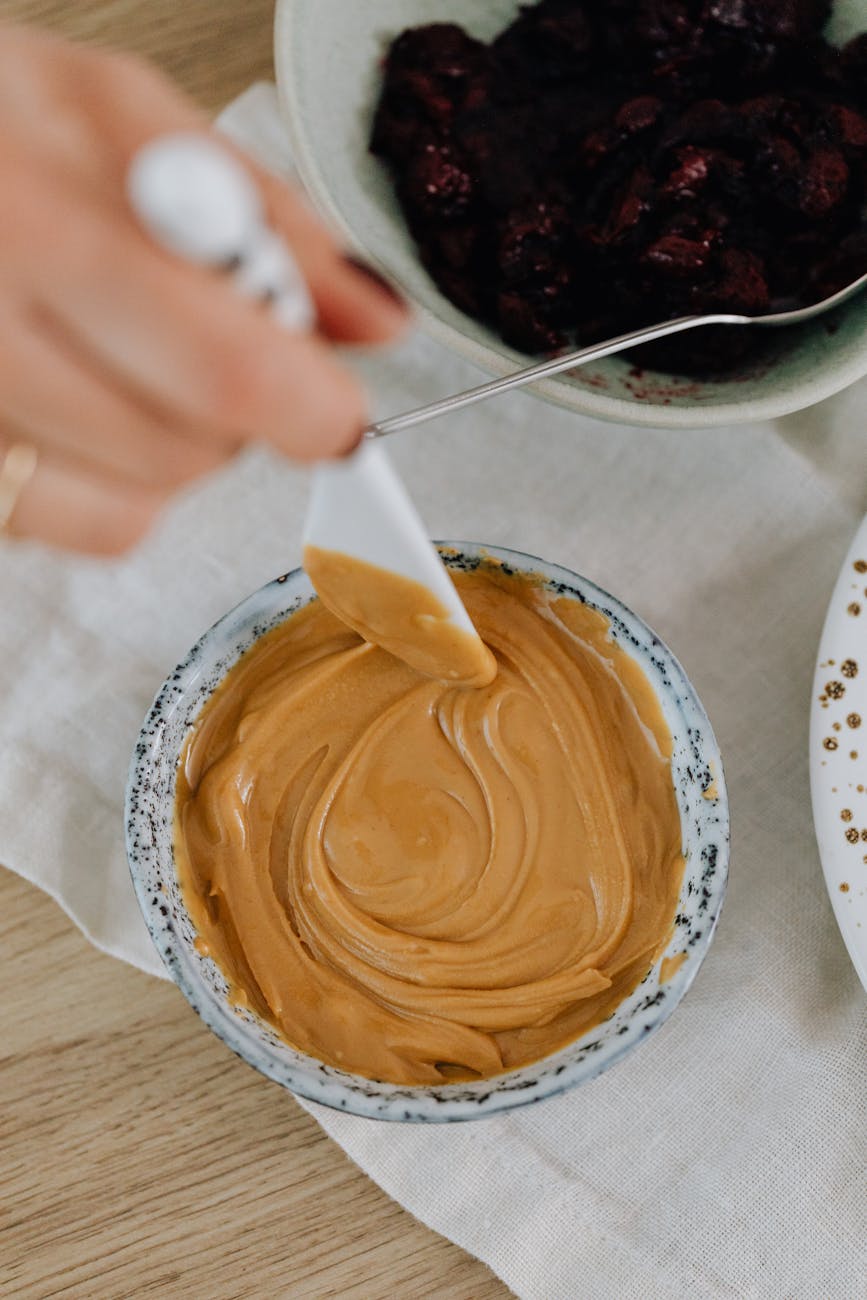
    For decades, I practiced the penitential ritual of mixing organic peanut butter. I wrapped a washcloth around a tablespoon for traction and churned as viscous globs of nut paste and brown sludge slithered up the sides of the jar. The stirring was never sufficient. No matter how heroic the effort, you always discovered fossilized peanut-butter boulders lurking at the bottom, surrounded by a moat of free-floating oil. The jar itself became slick, greasy, faintly accusatory. Still, I consoled myself with the smug glow of dietary righteousness. At least I’m natural, I thought, halo firmly in place.

    Then one day, my virtue collapsed. I sold my soul and bought Stir-Free. Its label bore the mark of the beast—additives, including the much-maligned demon, palm oil—but the first swipe across a bagel was a revelation. No stirring. No resistance. No penance. It spread effortlessly on toast, waffles, pancakes, anything foolish enough to cross its path. The only question that remained was not Is this evil? but Why did I waste decades of my life pretending the other way was better?

    The answer arrived quietly, in the form of my expanding waistline. Because peanut butter had become frictionless, I began consuming it with abandon. Spoonfuls multiplied. Servings lost their meaning. I blamed palm oil, of course—it had a face, a name, a moral odor—but the real culprit was ease. Stir-Free was not just a product; it was an invitation. When effort disappears, consumption accelerates. I didn’t gain weight because of additives. I gained weight because nothing stood between me and another effortless swipe.

    Large Language Models are Stir-Free peanut butter for the mind. They are smooth, stable, instantly gratifying, and always ready to spread. They remove the resistance from thinking, deliver fast results, and reward you with the illusion of productivity. Like Stir-Free, they invite overuse. And like Stir-Free, the cost is not immediately obvious. The more you rely on them, the more your intellectual core softens. Eventually, you’re left with a cognitive physique best described as a pencil-neck potato—bulky output, no supporting structure.

    The promise of a frictionless life is one of the great seductions of the modern age. It feels humane, efficient, enlightened. In reality, it is a trap. Friction was never the enemy; it was the brake. Remove it everywhere—food, thinking, effort, judgment—and you don’t get progress. You get collapse, neatly packaged and easy to spread.

  • Borderless Flavors: Food, Power, and the Collapse of Culinary Elitism (College Essay Prompt)

    Borderless Flavors: Food, Power, and the Collapse of Culinary Elitism (College Essay Prompt)

    Essay Prompt (1,700 words):

    In the Chef’s Table: Pizza episode featuring Ann Kim, food becomes a site of transformation, healing, and reinvention. Kim channels her failed acting career into culinary artistry, crafting dishes that express the multiplicity of her identity—as a Korean-American daughter, an artist, and an immigrant success story. Her pizzas become canvases for memory, rebellion, and gratitude, especially toward her parents. Her story is a microcosm of the broader immigrant narrative: negotiating identity, navigating cultural shame, and ultimately reversing the script as the very foods once mocked become culinary gold.

    In this essay, compare the themes in Ann Kim’s story with those in Ugly Delicious (Season 1, Episode “Tacos”) and selected episodes of The Taco Chronicles. How do these shows depict food as more than sustenance—as performance, identity, resistance, and love? In what ways do immigrant chefs and food workers subvert the shame once associated with their cultural foods and assert pride, creativity, and belonging through cuisine?

    Your essay must engage with the visual rhetoric of the shows (tone, music, imagery), analyze the role of food as narrative and identity, and include at least two secondary sources—these may include academic articles on food studies, identity, or immigrant narratives.

    Sample Thesis Statements:

    1. The Performance of the Plate
    Through Ann Kim’s story in Chef’s Table: Pizza, the taco discourse in Ugly Delicious, and the street-food heroism of The Taco Chronicles, we see food function as a performance of identity, where immigrant chefs use culinary artistry to reclaim scorned traditions, express hybrid selves, and find belonging in spaces that once excluded them.

    Mapping components:

    • Culinary performance as identity expression
    • Reversal of cultural shame into pride
    • Belonging through the craft of food

    2. From Shame to Reverence
    Ann Kim, David Chang, and the taqueros of The Taco Chronicles show how the foods once mocked in American lunchrooms are now celebrated on global stages, revealing that cuisine is a powerful tool of cultural revenge, emotional healing, and self-definition for immigrant communities.

    Mapping components:

    • Mockery and marginalization of immigrant food
    • Culinary revenge and cultural redemption
    • Healing and self-definition through cooking

    3. Food as Love, Labor, and Legacy
    While Chef’s Table: Pizza casts Ann Kim’s story as one of artistic reinvention and filial love, Ugly Delicious and The Taco Chronicles emphasize how food binds generations, builds communities, and becomes a labor of love that transforms trauma into legacy.

    Mapping components:

    • Culinary reinvention as personal and artistic legacy
    • Food as intergenerational bridge
    • Labor, love, and storytelling through cuisine

    Sample Outline:


    I. Introduction

    • Hook: A vivid scene from Ann Kim’s episode—placing gochujang on pizza as rebellion and homage.
    • Context: Rise of food documentaries as cultural texts.
    • Thesis: (Insert one of the thesis statements above.)

    II. Ann Kim: The Personal is Culinary

    • Acting failure and identity fragmentation
    • Food as theatrical medium: personas, freedom, risk
    • Immigrant shame turned into culinary power (Korean pizza)
    • Cooking for her parents as an act of redemption and gratitude

    III. Ugly Delicious: The Taco Episode and Cultural Inversion

    • David Chang’s exploration of authenticity and invention
    • The taco as a battleground of legitimacy (Mexican roots vs. American remix)
    • Use of celebrity chefs and taqueros to show class and cultural divides
    • Food once marginalized now used as a symbol of culinary innovation

    IV. The Taco Chronicles: Myth, Ritual, and Regional Pride

    • Focus on specific episodes (e.g., Suadero, Cochinita Pibil)
    • Tacos as sacred practice, generational labor, and social equalizer
    • Visual and musical rhetoric: the taco as folk hero
    • Repeated motif: taqueros breaking class and cultural boundaries with corn, fire, and steel

    V. Comparative Analysis

    • Immigrant identity in all three: reclaiming power through food
    • Emotional resonance: food as apology, tribute, rebellion
    • Different tones: Kim’s cinematic elegance vs. Chang’s irreverent inquiry vs. Chronicles’ reverent folklore

    VI. Counterargument Section

    • Some critics argue that food media romanticizes struggle or sanitizes labor conditions
    • Rebuttal: While these shows may aestheticize food, they also restore dignity to cuisines and cooks historically ignored by dominant culture

    VII. Conclusion

    • Reassert the thesis: food is not just fuel—it is metaphor, memoir, and medium
    • End with a return to a powerful image—perhaps Ann Kim in her pizzeria, cooking for her parents, feeding them not just dinner, but decades of unspoken love

  • Taco Nation: How a Humble Street Food Became Mexico’s Superpower (College Essay Prompt)

    Taco Nation: How a Humble Street Food Became Mexico’s Superpower (College Essay Prompt)

    Essay Prompt:

    In the Netflix docuseries The Taco Chronicles, the taco is not portrayed as a mere food item but as a cultural force—an edible emblem of Mexico’s resilience, creativity, and soul. The series argues that the taco is a kind of Mexican superfood—not only for its nutritional versatility, but also for its power to break down cultural and class barriers, foster community, and rejuvenate the communal spirit through the sacred staple of corn. It is both deeply traditional and endlessly innovative, enchanting the people who eat it and the taqueros who make it.

    Write a 1,700-word argumentative essay that responds to the claim that the taco functions as a Mexican superfood with transformative social and cultural power. Consider how the taco transcends boundaries—economic, racial, culinary, and geographic—while also preserving deep-rooted traditions. You may also explore counterarguments: Is the global popularity of the taco watering down its identity? Is the romanticization of street food masking deeper inequalities?

    Support your argument with examples from The Taco Chronicles and incorporate at least two additional sources (journalistic, scholarly, or culinary writing) that offer insights into food culture, globalization, or Mexican identity.

    Sample Thesis Statements:


    1. The Taco as Cultural Bridge
    While often seen as humble street food, the taco stands as a powerful symbol of cultural resilience, breaking barriers of class and race, rejuvenating communities through the ancestral force of corn, and reinventing itself across borders without losing its soul.

    Mapping components:

    • Symbol of cultural resilience
    • Rejuvenation through corn
    • Innovation without cultural loss

    2. A Superfood for the Soul
    Far from just a culinary trend, the taco operates as a Mexican superfood by nourishing the body, connecting diverse communities across social divides, and reviving cultural heritage through its balance of tradition and modern flair.

    Mapping components:

    • Nourishment and accessibility
    • Cross-class and cross-cultural unity
    • Reinvention of tradition

    3. Romantic or Real? Interrogating the Taco’s Power
    Though The Taco Chronicles portrays the taco as a superfood capable of healing social divisions and celebrating tradition, its growing global appeal risks cultural dilution, commodification, and the masking of labor inequities behind its charm.

    Mapping components:

    • Healing and communal unity
    • Risk of global commodification
    • Invisible labor and exploitation

    Here are three counterarguments with rebuttals, each addressing a core claim from the prompt about the taco’s cultural and communal power:


    Counterargument 1: “The Taco Has Been Commercialized Beyond Recognition”

    As the taco gains global popularity, it’s often stripped of its cultural context and repackaged as a trendy, overpriced novelty in upscale restaurants. The soul of the taco gets lost in translation, turning it into an Instagram prop rather than a communal or ancestral food.

    Rebuttal:
    While some global versions of the taco are divorced from tradition, The Taco Chronicles shows that innovation and authenticity can coexist. From suadero in Mexico City to cochinita pibil in Yucatán, the taco is continually reinvented without losing its cultural core. Rather than being erased, the taco’s story is being exported—sometimes imperfectly, but often with respect and curiosity.


    Counterargument 2: “Romanticizing the Taco Ignores Labor Exploitation”

    Celebrating the taco as a symbol of love and unity risks whitewashing the harsh labor realities faced by many taqueros, many of whom work long hours in informal economies with little pay or security.

    Rebuttal:
    Yes, romanticizing food can blur the realities of labor, but The Taco Chronicles doesn’t shy away from this. It honors the taquero not just as a cook but as a craftsman, keeper of tradition, and community anchor. Elevating their work brings visibility and dignity—not erasure. Recognizing tacos as cultural capital can be the first step toward advocating for fair labor practices in the food industry.


    Counterargument 3: “The Taco Doesn’t Break Class Barriers—It Reinforces Them”

    Although tacos are accessible, their new gourmet incarnations often exclude working-class eaters, turning a people’s food into a luxury experience and reinforcing class divides rather than dismantling them.

    Rebuttal:
    The taco’s genius lies in its dual identity. It can be both a 10-peso street meal and a $15 chef’s experiment without collapsing under the weight of either role. Its roots in affordability and improvisation mean that it retains its cultural identity even when elevated. More importantly, the street taco is still thriving—in Mexico and beyond—resisting erasure by holding its own against the forces of culinary elitism.

  • Cultural Fusion or Culinary Fraud?

    Cultural Fusion or Culinary Fraud?

    My Critical Thinking students are grappling with the sacred and the sacrilegious—namely, tacos.

    Their final essay asks a deceptively simple question: When it comes to iconic dishes like the taco, should we cling to tradition as if it were holy writ, treating every variation as culinary heresy? Or is riffing on a recipe a legitimate act of evolution—or worse, an opportunistic theft dressed up in aioli?

    To dig into this, we turn to Netflix’s Ugly Delicious, where chef David Chang hosts an episode simply titled “Tacos.” The episode plays like a beautifully constructed argumentative essay by Gustavo Arellano, who dismantles the idea of “Mexican food” as a static monolith. Instead, he presents it as a glorious, shape-shifting culture of flavor—one that thrives because of its openness to the outside world.

    Arellano celebrates Mexico’s culinary curiosity: how Lebanese immigrants brought shawarma and inspired tacos al pastor, a perfect example of cultural fusion that became canon. He contrasts this with the United States’ suspicious, xenophobic posture—a country that historically snarls at outsiders until they open a food truck and sell $2 magic on a paper plate.

    Roy Choi, creator of the legendary Kogi taco trucks, takes this further. He speaks of cooking as a street-level negotiation for dignity: Korean-Mexican fusion forged in the heat of shared kitchens, shaped by the scorn of American culture, and perfected not out of trendiness but out of survival. These tacos aren’t just delicious; they’re resistance with a salsa verde finish.

    But this isn’t just a story of open minds and flavor-blending utopias. There’s also the hard truth of survival and adaptation. Take Lucia Rodriguez, who immigrated from Jalisco and had to recreate her recipes using whatever ingredients she could find in San Bernardino. Her efforts became the foundation of Mitla Cafe, a restaurant still thriving since 1937. It also became the blueprint for Glen Bell—yes, that Glen Bell—who reverse-engineered her food to create Taco Bell, which is to Mexican cuisine what boxed wine is to Bordeaux.

    Still, not all spin-offs are sins. Rosio Sanchez, a Michelin-level chef, began her journey by mastering traditional Mexican food. Only then did she begin to improvise, like a jazz virtuoso honoring the standards before going off-script. Her reinvention is rooted in love, not opportunism. It’s a tribute, not a theft.

    And therein lies the moral fault line: intent, respect, and—let’s not forget—execution. As one student noted with appropriate outrage, white TikTok influencers once rebranded agua fresca as “spa water,” a cultural mugging wrapped in Pinterest aesthetics. And let’s not ignore the corporate vultures who buy beloved local chains only to gut their soul with frozen ingredients and bottom-line mediocrity.

    The lesson? Not all innovation is appropriation. But if your food disrespects its roots, dilutes its meaning, or simply tastes like disappointment, it’s not fusion—it’s a felony.

    The rule is simple: Make great food that honors its lineage and blows people away. Otherwise, what you’re serving is not cuisine. It’s edible disrespect.

  • Crustodianism

    Crustodianism

    Many moons ago, my wife and I watched the 2006 HBO documentary Thin, which chronicles the tragic existence of girls in a Florida rehab clinic for eating disorders. These poor souls were ensnared in a vicious cycle of depression, self-loathing, and lies, their recovery rates abysmally low and fatality rates tragically high. After this emotional gut-punch, we desperately needed a palate cleanser, so we turned to a pie-baking contest featuring Midwestern women in Christmas sweaters, lovingly toiling over pie crusts. These wholesome warriors of the kitchen were a stark contrast to the aforementioned sufferers. It dawned on me that pie baking is the antithesis of anorexia—a condition of solipsism where one disappears into the self, whereas pie baking is a testament to community, love, and selfless devotion to butter and flour.

    Imagine, if you will, a world where the kitchen isn’t just a hub of culinary creation but a sacred temple of love, where pie-baking is the highest form of devotion. In this sanctified realm, every Midwestern woman in a Christmas sweater is a culinary high priestess, her rolling pin a scepter of affection, her pie crust a canvas for heartfelt artistry. The Pie Baking Contest is an epic battleground where these valiant women gather, their aprons fluttering like superhero capes, ready to channel pure, unadulterated love into their pies. The stakes are absurdly high, the competition fierce, but the atmosphere? Pure camaraderie and joy.

    Here, pie baking is not just a quaint pastime; it’s an epic saga of love, community, and unyielding devotion. These heroines approach their craft with the precision of neurosurgeons and the passion of Renaissance artists. Flour fills the air like enchanted snow, butter is blended into dough with the deftness of a master illusionist, and apples are peeled and sliced with the ferocity of a seasoned samurai. Each pie is a labor of love, a tangible expression of their deepest affections. As they sweat and toil over their creations, the kitchen morphs into a bustling hub of warmth and connection.

    Baking pies, slinging spaghetti and garlic bread, or whipping up a dish of hot and sour Tom Yum Goong soup demands a healthy soul, one that’s plugged into the matrix of family and community. We therefore don’t journey solo but soar with a merry band of culinary adventurers, armed with spatulas and mixing bowls, ready to conquer the next great feast. So, skip the guilt and embrace the butter—life’s too short for bland food and empty kitchens.

    Baking pies points us to the valuable custom of Crustodianism–the sacred, soul-healing act of cooking not merely for sustenance, but as a devotional rite—an expression of love, fellowship, and culinary redemption. Born at the crossroads of Midwest Christmas sweater sincerity and battle-hardened pie crust tenacity, Crustodianism elevates the domestic act of baking into a communal liturgy. The Crustodian is no mere cook; she (or he, apron optional) is a caretaker of tradition, a therapist armed with a rolling pin, a high priest of carbs performing ritual alchemy with butter, flour, and tears of joy.

    In contrast to the solipsistic void of disordered eating, where nourishment is seen as the enemy, the Crustodian sees food as communion. A warm casserole becomes a life raft. A triple-layer coconut cream pie becomes a bridge to the lonely. A pot of stew bubbles with the echoes of ancestral affection. Cooking, in this frame, is the antidote to isolation—the proof that one has not given up on the world but doubled down on its delicious potential.

    Crustodianism isn’t just about the food. It’s about saying, “I made this for you,” and meaning it with your whole buttery soul. It’s about reclaiming joy, reclaiming appetite, and yes, reclaiming your place at the table—preferably next to someone you love, with a second helping on the way.

  • Appetyranny

    Appetyranny

    One of the most memorable TV ad campaigns of my youth in the late 1960s was “How Do You Handle a Hungry Man?” The stakes were sky-high. Imagine the scene: a harried housewife in her perfectly pressed apron, hair teased to high heaven, facing off against her husband, the archetypal Hungry Man. He enters the kitchen with the imposing gait of a lumberjack who’s felled a forest, his appetite as vast as the Grand Canyon. He casts a skeptical eye over the bubbling pot on the stove, nostrils flaring like a bloodhound on the scent. The tension is palpable. But fear not! With a dramatic flourish, she opens a can of Campbell’s Manhandlers soup, the magical elixir that transforms her kitchen into a culinary Colosseum. She pours the contents into a pot, and it’s as if she’s summoned the culinary gods themselves. The soup is no ordinary broth; it’s a veritable cornucopia of steak chunks, peas, and potatoes, swimming in a rich, hearty base that promises to tame even the most insatiable of appetites. As the aroma wafts through the kitchen, her husband’s eyes widen in delight. He grabs a spoon and dives in, and the transformation is instantaneous. His previously skeptical demeanor melts away, replaced by pure bliss. He slurps the soup with the gusto of a Viking at a medieval banquet, and she watches, triumphant. The jingle plays in the background, a triumphant anthem to her victory over hunger.

    The food industry at the time was relying on Appetyranny–the 1970s advertising-driven psychosis in which a woman’s entire self-worth was measured by her ability to quell the beastly hunger of her man. Fueled by jingles and canned soup, Appetyranny framed female failure not in terms of character or intellect, but in spoonfuls: if he’s still hungry, you’re unlovable.

    It was the golden age of culinary gaslighting, where a man’s growling stomach was treated like a ticking bomb, and your job—housewife, mother, woman—was to neutralize it with sodium-laced beef sludge. Fail, and you risked suburban scandal. Succeed, and you were serenaded by baritone jingles that implied your marriage had been saved by soup.

    Side effects of Appetyranny include:

    • The belief that men turn feral without starch by 6 p.m.
    • Buying food with names like Manwich, Sloppy Joe, or Hearty Beef ‘n’ Barley
    • Mistaking Campbell’s labels for emotional validation
    • A lifelong association between love and ladles

    Appetyranny wasn’t just marketing. It was a meat-chunk manifesto from the patriarchal pantry, where the kitchen timer doubled as a ticking bomb of feminine adequacy.

  • The gastronomic equivalent of putting a monocle on a raccoon

    The gastronomic equivalent of putting a monocle on a raccoon

    As a kid, my taste buds were on a non-stop joyride with Pigs In a Blanket—those glorious cocktail sausages swaddled in Pillsbury Crescent Rolls, dunked with the carefree abandon of a sugar-high toddler in cheddar cheese, spicy mustard, and barbecue sauce. They were the epitome of childhood bliss.

    Fast forward to adulthood, and we must now suffer Luxury Reinterpretation. This is the gastronomic equivalent of putting a monocle on a raccoon. The process involves taking our beloved comfort foods like Pigs in a Blanket, grilled-cheese sandwiches, and Sloppy Joes, and draping them in so much opulence that you’d think they were being prepared for a royal banquet. We’re talking artisan breads that cost more than a week’s groceries, freshly baked brioche buns, and French cheeses so refined they practically come with a family crest.

    In this upscale twist, culinary wizards employ techniques that sound like they belong in a sci-fi film—slow cooking, smoking, and sous-vide. Flavors are layered with truffle oil, caramelized onions, and sautéed mushrooms, all artfully plated with microgreens, edible flowers, and a drizzle of balsamic reduction that could double as abstract art. There’s even a heart-wrenching narrative woven into the dish, involving deep-rooted culinary traditions or some distant great-grandmother who once served peas on an antique platter.

    The lengths to which we’ll go to gild the lily of our childhood comfort foods is a testament to our fear of being judged for enjoying simple pleasures. Sometimes, all I want is to revel in the uncomplicated joy of Pigs in a Blanket without all the pomp and circumstance. But no, in the world of haute cuisine, even the humble piggy-in-a-blanket must be paraded around in a tuxedo and given a backstory worthy of Shakespearean drama. And so, we drape our comfort foods in an extravagant cloak of sophistication, proving once and for all that our insecurities are as elaborate as the dishes we create.

    This scenario exposes the fact that the move to “Luxury Reinterpretation” isn’t just a culinary choice—it’s a full-blown identity crisis, a performance art piece meant to scream, Look how refined I’ve become! Remember: No matter how much balsamic reduction you drizzle, a piggy-in-a-blanket in a tuxedo is still just a piggy in a blanket—albeit one sweating under the weight of insecurity and overpriced truffle oil.