Tag: diet

  • Why Willpower Can’t Save You from the Snack Aisle

    Why Willpower Can’t Save You from the Snack Aisle

    After hearing something thoughtful interviews with journalist Julia Belluz and scientist Kevin Hall about their new book Food Intelligence: The Science of How Food Both Nourishes and Harms Us and KCRW food expert Evan Kleinman praise the book, I broke down and decided to see if the authors had any new insights into the exploration of what I call humans’ mismanagement of eating. The book begins on a promising note: The authors observe that in the animal kingdom, we are hard-wired with “food intelligence,” a natural-born instinct to regulate the quantity of what we eat and to target foods that our body craves for optimal nutrition. Our instinctive connection with food went haywire in the twentieth century: “Many of us started to eat too much, and the wrong things, even when we didn’t want to. Obesity rates began rising, first in rich, Western, industrialized countries such as the United States, then elsewhere.” Between 1980 and today, the obesity rate has doubled in several countries. Seventy percent of American adults and a third of U.S. children are classified as overweight or obese. Obesity-related diseases such as type 2 diabetes kills over half a million Americans a year. Obesity-related health costs are in the trillions.

    One of the major reasons for this breakdown in our instinctive hardwiring to naturally eat well is our disconnection from food: how it’s grown, produced, and cooked. We are now addicted to factory-produced fat, sugar, and salt. 

    Shaming and the gospel of self-discipline doesn’t help even though, as the authors point out, the wellness industry points an accusatory finger at our own moral shortcomings (lack of willpower, gluttony, and sloth) for our failures at weight management. The diet industries, the authors claim, are asking the wrong questions when they ask what is the best diet and how people can lose weight. For example, there are influencers who say low-carb is the best, but the authors show studies that contradict that claim. Low-carb diets are no better than low-fat ones in the long-term. The authors argue that championing the so-called ultimate diet is not the right question. Instead, the more helpful question is this: “Why do we eat what we eat?” Their obsession with answering this question is what propelled them to write the book. 

    The authors explain the problem of calories-in, calories-out as a surefire model for weight loss. The model is complicated and eventually sabotaged by the way the body reacts when we reduce calories. The metabolism slows down, we burn fewer calories doing the same exercise than we did initially, and our hunger signals rebel and scream “Eat more!” Contrary to the cheery claims of the wellness industry, eating less and exercising more usually fails within a year. 

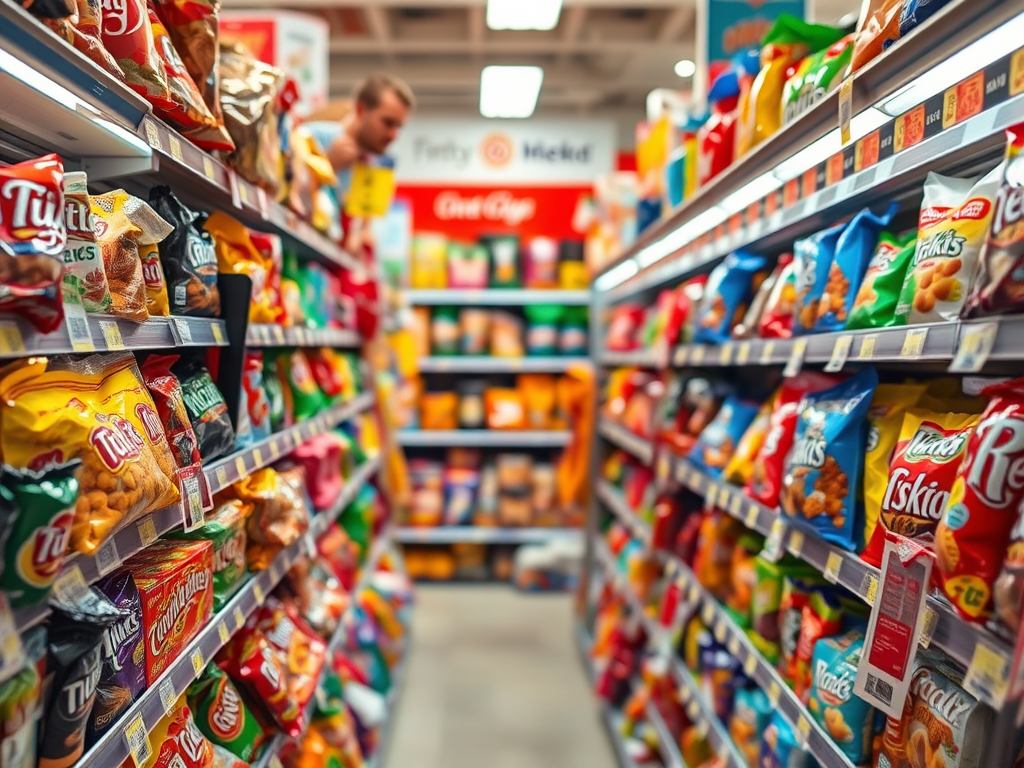
    A more promising approach to weight management is avoiding ultra-processed foods. The more of these foods we eat, the less we are able to regulate our appetite, resulting in “a calorie glut” and weight-gain hell. But becoming food literature, replacing processed foods with whole foods, and learning to enjoy this exchange requires time and resources, which are lacking in many. Convenience and cost drive many Americans to processed food. Therefore, “the root causes” of obesity are structural. In the words of the authors: “It was never about us as individuals. Our food environment is wrecking us.” Our food environment is rewriting our brains to make us consume a calorie glut. Therefore, the food environment is making us overweight, sick, and unhappy. It is killing us. 

    Don’t consult Food Intelligence for the simple call to eat like your great-grandmother did. Even that sentiment is based on myth, the authors point out. Your great-grandmother may have spent endless hours in the kitchen exhausted while struggling “with hunger and nutrient shortfalls.” 

    One of the book’s objectives is to show how “old, unproven ideas and outdated policies continue to guide our current thinking and approaches to food.” They make it clear early on that they won’t be pushing this or that diet or even promoting “clean eating.”  If you’re looking for food puritanism, then look elsewhere. Kevin Hall admits to eating ultra-processed food and Julia Belluz admits to eating too much sugar. This book is not so much about rigid prescriptions as much as helping you change from a mindless eater to an intelligent one.   

  • The Aesthetic Pharmaceutical Complex (a College Essay Prompt)

    The Aesthetic Pharmaceutical Complex (a College Essay Prompt)

    Write a 1,700-word argumentative essay that evaluates this claim: GLP-1 weight-loss drugs (e.g., Ozempic/Wegovy) offer a Faustian bargain–they blunt appetite and deliver rapid results, but at significant cultural, moral, and social costs. Examine whether these drugs simply cure an individual problem or whether they reshape appetite, pleasure, gender and marital dynamics, class inequality, body aesthetics, and personal agency in ways that should alarm us.

    Use Rebecca Johns (“A Diet Writer’s Regrets”), Johann Hari (“A Year on Ozempic…”), Harriet Brown (“The Weight of the Evidence”), Sandra Aamodt (“Why You Can’t Lose Weight on a Diet”), and at least two additional reputable sources of your choice. Address both sides: acknowledge the medical benefits (for diabetes, metabolic disease, disability reduction) while testing the claim that GLP-1s amount to a societal deal with the devil — trading desire, culinary culture, and autonomy for narrow aesthetic and market outcomes.

    Be sure to define terms (e.g., “Faustian bargain,” “GLP-1 drugs,” “body aesthetics”), offer evidence, and include a clear counterargument and rebuttal.


    Five Sample Thesis Statements (with mapping components)

    1. Thesis 1
      GLP-1 drugs are a Faustian bargain: they deliver rapid weight loss and metabolic benefit, but they also erode culinary pleasure, exacerbate social inequality, and replace disciplined habits with pharmaceutical dependence.
    • Mapping: (1) immediate medical and psychological benefits, (2) cultural costs to food and pleasure, (3) social/economic consequences and dependence.
    1. Thesis 2
      While GLP-1 medications can rescue lives in a clinical sense, their mainstreaming industrializes thinness—privileging aesthetics over health, amplifying economic divides, and outsourcing self-control to corporations and prescribers.
    • Mapping: (1) clinical life-saving benefits, (2) commercialization of body aesthetics, (3) economic and ethical fallout.
    1. Thesis 3
      GLP-1 drugs pose an ethical dilemma: they promise to erase cravings and curb addiction, but in doing so they risk flattening human desire, unsettling intimate relationships, and converting a public-health problem into a luxury aesthetic market.
    • Mapping: (1) pharmacological suppression of appetite, (2) impact on relationships and social life, (3) marketization and inequality.
    1. Thesis 4
      The rise of GLP-1s reframes weight management from moral failing to medicalized consumerism—undeniable benefits for some masked by troubling costs: cultural loss, shifting marital dynamics, and a dangerous dependence on biotech fixes.
    • Mapping: (1) medical reframing of obesity, (2) cultural and interpersonal costs, (3) risks of technological dependence.
    1. Thesis 5
      GLP-1 drugs give individuals the power to silence hunger, but that power comes tethered to troubling social outcomes: it amplifies privilege, intensifies pressure for aesthetic conformity, and weakens the role of habit and self-discipline in healthy living.
    • Mapping: (1) appetite suppression and individual gains, (2) exacerbation of aesthetic and class pressure, (3) erosion of habit-based agency.

    Counterargument (fair, strong):
    Proponents of GLP-1 drugs argue that calling them a “Faustian bargain” ignores the very real medical and social benefits these medications deliver. For many patients—especially those with type 2 diabetes, obesity-related hypertension, or mobility-limiting weight—GLP-1s reduce blood sugar, lower cardiovascular risk, and unlock functional gains that years of dieting could not. Early reports also show improvements in mood, self-efficacy, and social participation: when chronic hunger is quieted, people can exercise more, sleep better, and engage with life instead of being consumed by food preoccupation. From this perspective, the drugs restore agency rather than remove it; they are tools that expand options for people trapped by biology, food environments, and limited access to behavioral medicine. To label them morally corrosive risks stigmatizing patients who finally find relief.

    Rebuttal:
    That claim deserves respect—but it doesn’t dissolve the deeper social harms that mainstreaming GLP-1s threatens to produce. Medicine can relieve individual suffering while simultaneously reshaping culture in ways that reward aesthetic conformity and widen inequality: when a pharmaceutical becomes the fastest route to thinness, weight status shifts further from a health metric to a marketable badge of status, attainable first by those with money, time, and prescriber access. The drugs also substitute biochemical fixes for social solutions—affordable nutritious food, safer neighborhoods for exercise, workplace protections—that address root causes of metabolic disease; this medicalization risks absolving policymakers and corporations of responsibility. Finally, the long-term psychosocial costs are real: appetite suppression can blunt pleasure and disrupt food’s role as social glue, and couples who diverge in access to these drugs face novel tensions over desirability, divided resources, and identity. In short, GLP-1s can be miracles for patients; they can also be catalysts for cultural and economic shifts that deserve critical scrutiny before we call the bargain a fair trade.

  • The Pea Protein Plague

    The Pea Protein Plague

    For three days, I flirted with the fantasy of going vegan in the protein department. Out went my dependable whey; in came Orgain’s peanut butter-flavored vegan powder ($32), built on the gritty backbone of pea protein. Waiting in the wings was OWYN Pro Elite in dark chocolate ($47), still sealed, still smug.

    But curiosity didn’t last. It curdled into resolve — the kind of resolve born from three days of gut-twisting cramps so vicious they stole my ability to work out. Imagine the irony: my protein obsession, meant to fuel training, knocked me out of the gym entirely. Not just any protein, but vegan protein, embraced in part to end my petty larceny of cow’s milk from calves. My humanitarian mission dissolved in a haze of bloating and despair.

    So I texted my neighbor Holly, handed over $80 of organic powders, and felt as if I were banishing demons. She was delighted. Her family loves vegan protein powder for their smoothies. I was both exorcised and relieved. Good riddance to powders that turned my insides into a war zone.

    Looking forward, I’ll still be a thief — but only a petty one. A scoop of whey stirred into my morning buckwheat groats. Two modest helpings of plain Greek yogurt with honey at lunch and after my nap. A splash of stolen milk here and there. I hope the calves understand: my theft is not egregious, just survivable.

    Still, my diet is 90 percent plants, enough to keep my conscience propped up. My protein intake will slide from 180 grams to about 140, and so be it. I’ll trade hypertrophy for digestive peace.

    Because let me say it clearly: some of us must never touch pea protein again. It expands inside us like an alien organism, leaving us to wish for death’s consoling embrace. Never again.

  • The Difference Between Thriving and Withering on a Vegan Diet

    The Difference Between Thriving and Withering on a Vegan Diet

    Like many people, I want to believe that a plant-based diet can deliver optimal nutrition for everyone—from casual gym-goers to powerlifters and elite athletes. It’s a hopeful vision: strong bodies built on beans and lentils instead of beef. But a memory from 2019 lingers in my mind and keeps me cautious.

    That year I had a nursing student in my class. She was sharp, disciplined, a straight-A student who also worked as a personal trainer at Gold’s Gym. On top of all that, she was a powerlifter. Under the guidance of an experienced coach, she decided to go vegan. For the first several months, everything looked fine. But after about nine months, the cracks showed. Her skin grew pale, her training stalled, she felt weak and lightheaded, and worst of all—her hair began to fall out in clumps. When she abandoned the vegan diet, her health rebounded.

    At the time, I didn’t know what I know now. Maybe she was missing key amino acids like lysine or leucine. Maybe she wasn’t using vegan protein powders that could have filled the gap. Maybe she didn’t know that a vegan diet contains no creatine at all, and a simple 5-gram daily supplement might have made the difference. The truth is, neither of us will ever know.

    This is what haunts me: a vegan diet can be excellent for cardiovascular health and a powerful humanitarian stand against factory farming, but only if it’s done with knowledge and precision. Done carelessly, it can lead to exactly what my student experienced—decline, weakness, and disillusionment.

    I can’t know for certain whether a few smart adjustments would have allowed her to thrive. But I can’t shake the suspicion that with the right tools—a quality vegan protein blend, a steady supply of B12, an algal omega-3 supplement, and a scoop of creatine—her story could have ended very differently. Instead of decline and disillusionment, she might have been proof that a plant-based diet, done right, can power even the most demanding athletic lives.

  • Confessions from Planet Soy: A Vegan’s Double Life

    Confessions from Planet Soy: A Vegan’s Double Life

    On your vegan planet—a lonely sphere orbiting light years away from your family’s meat-slicked universe—you begin the day with your ritual bowl: buckwheat groats buried under vegan protein powder, drowned in plain soy milk, jeweled with berries, peanuts, walnuts, and a dusting of cinnamon. To wash it down, you baptize your dark roast coffee with soy milk and stevia, a brew that tastes like contrition disguised as virtue.

    Next comes your supplement sacrament: creatine, magnesium, B-12, turmeric, algal oil omega-3. You don’t take pills—you swallow the illusion of control.

    After your workout, tofu takes center stage—sautéed over cucumbers, peppers, and arugula, slicked with balsamic, buried under nutritional yeast, Calabrian chili sauce, and herbs. Beans are optional, as though this carnival of legumes were still missing a clown. Alternatively, cube the tofu, simmer it in Thai peanut sauce, and pretend it’s indulgent.

    Post-nap comes the protein potion: more powder, more soy milk, leftover tofu blitzed in the blender, maybe apple slices draped in nut butter. You tell yourself this is food; your ancestors might call it penance.

    Dinner is a coin toss: tofu tacos loaded with vegetables, or the trusty oatmeal rerun—protein powder, berries, peanuts, soy milk. Meanwhile, across the table, your omnivorous family devours salmon, chicken, and spaghetti and meatballs. You watch the plates like contraband. Temptation comes later, as you clear dishes: a forkful of salmon swallowed in secret, or chicken “accidentally” folded into tomorrow’s tofu salad.

    And then? The halo slips. You tumble from vegan heaven into flexitarian purgatory, the dietary halfway house for frauds, traitors, and the morally spineless. Yet you persist. This new regimen gives you clarity, structure, and—against all reason—happiness. Whether that happiness is genuine or the first symptom of nutritional madness, we’ll investigate another day.

  • Letter of a Reluctant Vegan

    Letter of a Reluctant Vegan

    Dear Family and Friends,

    My conscience has dragged me, kicking and screaming, into veganism—at least in the realm of eating. I’m not claiming sainthood. There will still be leather on my belt and my chair, but food is the resource I consume daily until I croak, so food is where the battle line is drawn.

    Frankly, it feels absurd to have to write this letter. What am I supposed to do—show up at your barbecue with a thawed hockey puck of a veggie burger and no explanation? Consider this fair warning.

    I don’t pass judgment on those who can’t afford the luxury of organic lentils, nut butters, and vegan supplements. I judge only myself. I have the means. I have no excuse.

    For my Christian in-laws, who may brand this heresy, I’ll admit: Scripture says God gave us animals for food, and Jesus Himself ate fish. But tell me—do you really see Jesus slurping down a farm-factory tilapia raised in ammonia haze, or God green-lighting slaughterhouses where conveyor belts double as hell’s architecture? I don’t.

    Yes, animals in antiquity suffered in the kill, but the industrial scale today—the torture factories, the mass indifference to pain—requires a numbness of conscience that is staggering. Hunting is one thing. Outsourcing the deed to workers inhaling ammonia until their fingernails fall off is quite another.

    I can already hear the rebuttal: “Why fret over animals when humans suffer?” To which I reply: false dilemma. I can care about both. Just as I can walk and chew gum, I can oppose sweatshops and factory farms.

    Still, I know my silence won’t protect me. Even if I never lecture, my plate of tofu will speak volumes. My very behavior will look like an indictment. Mockery is inevitable.

    And sure, I could rationalize my way back. It would be easier to eat one family meal instead of making them salmon while I steam buckwheat groats. I could shrug and say, “The animals are doomed anyway, so I might as well enjoy them.” I could hide behind biology: “I’m an omnivore; meat is natural; animal protein is more bioavailable.” But to do this would be cowardice—a lazy suppression of conscience.

    I owe my family the best version of me, not the morally diminished one. So here I stand, vegan plate in hand. The road is awkward, lonely, and a little ridiculous, but it’s the road my conscience demands.

  • When Your Tofu Judges Your Family

    When Your Tofu Judges Your Family

    Let’s say your guilty conscience finally gets the better of you. You can no longer justify devouring Thai-glazed chicken tenders, Mongolian beef, or coconut-curry fish stew while imagining the farm-factory horror that produced them. So you make the noble pivot: buckwheat groats for breakfast, organic nut butter toast, tofu and tempeh sizzling over cucumbers and arugula, and two daily scoops of plant-based protein powder to cover your macros. Milk? Gone. Soy in your coffee now, because conscience trumps cream.

    Do you miss meat? Absolutely—especially when your neighbor fires up the barbecue and the smell of charred ribs floats over the fence like weaponized nostalgia. But you march on, telling yourself that your cousin’s cardiologist called a vegan diet the “gold standard” for heart health.

    And yet, your cravings turn out to be the easy part. The real battlefield isn’t in the kitchen—it’s in the living room, the backyard, the family reunion. Your relatives haven’t sipped the vegan Kool-Aid and don’t appreciate the implicit sermon you’re preaching with every salad. You can swear you’re not judging them, but your plate of tofu says otherwise. Moral condemnation wafts from you like incense whether you intend it or not.

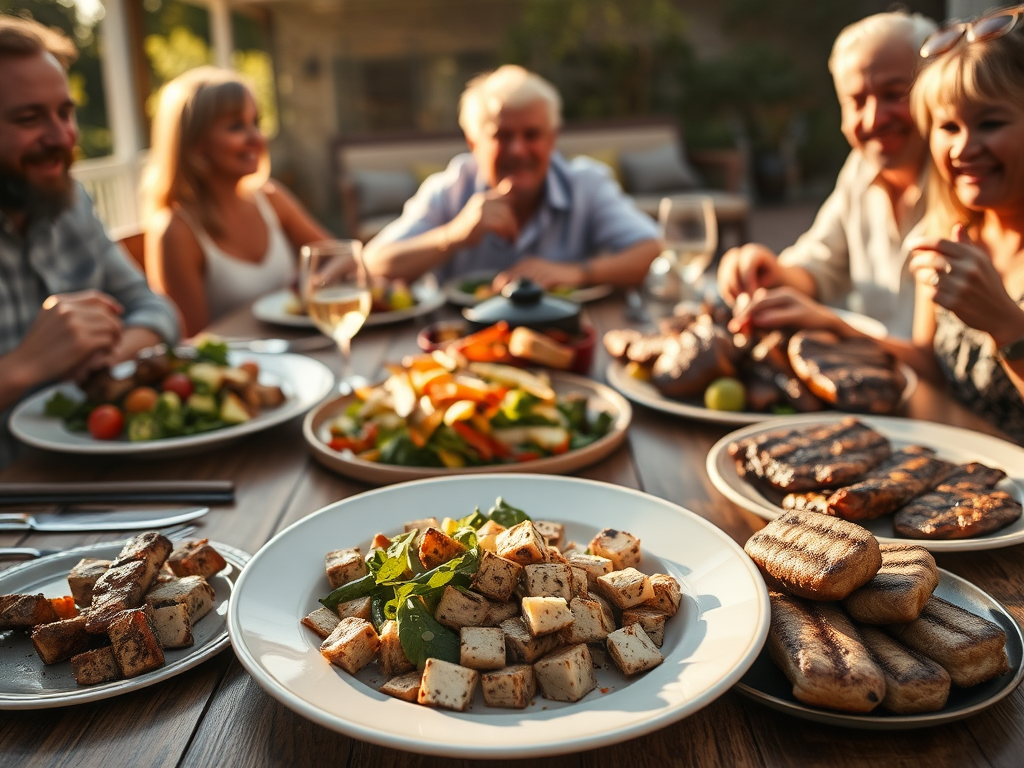
    Socially, you’ve become a problem guest. You show up at a barbecue with your vegan hockey puck, and suddenly you’re the party’s designated buzzkill—part leper, part nag, part mascot of guilt. Expect to eat your soy patty alone while everyone else passes the brisket.

    Economically, you’ve got blind spots too. Sure, you can afford organic tempeh and boutique supplements, but when you hint that everyone should go vegan, you’re ignoring the single mom shopping with food stamps, or the families living where tofu costs more than ground beef. To them, your “ethical choice” sounds like aristocratic scolding.

    Culturally, you risk stomping on traditions. Grandma’s meat stew isn’t just calories; it’s love in a ladle. Lecture her about vegan virtue, and you’re not just critiquing dinner—you’re insulting her lineage. And good luck explaining your plant-based gospel to Inuit communities who rely on seals and whales for survival. You’ll sound less like a prophet and more like a nincompoop.

    So here you are, impaled on the horns of the vegan dilemma. On one side, you can’t play the sanctimonious scold without alienating everyone around you. On the other, your conscience insists that, as a well-fed suburbanite, you are morally obligated to avoid meat. The path forward is thorny, precarious, and socially awkward. But welcome to the real world: nobody said doing the right thing would come with applause.

  • The Gospel of Broccoli

    The Gospel of Broccoli

    For the last two decades, I’ve gorged myself on a certain genre of book: part self-help, part pop psychology, part personal confession, and part armchair sociology. They’re all cut from the same cloth. Sometimes the title is blunt and monosyllabic—Grit, Flow, Blink. The kind of title that slaps you with FOMO and whispers: you’re missing out on the one great discovery of our age.

    The author inevitably casts themselves as an intellectual Indiana Jones, unearthing some dark corner of human frailty—our laziness, our compulsions, our doomscrolling brains—and holding it aloft like a cursed artifact. But don’t worry: they’ll swap your vice for a virtue. Where once was sloth, you’ll now install grit. Replace despair with tenacity, chaos with routine, cowardice with courage. Each quality is presented as if it were a rare mineral dug from the Earth’s molten core, not something your grandmother muttered at you over meatloaf.

    I’ll grant them this: these books are smooth. The anecdotes are lively, the arguments persuasive, the storytelling slick enough to convince you that eating your vegetables is an act of revolution. And yet—I wince. These books are built on a template so predictable you can spot the seams. They’re self-help in disguise, draped in academic robes to save the reader the shame of browsing the “Inspiration” aisle.

    Their authors remind me of medieval minstrels and troubadours, wandering into our living rooms and cubicles to hose down our cobwebbed souls with disinfectant. They don’t strum lutes anymore—they host podcasts, deliver TED Talks, and keynote conferences. We line up for their sermons because they make us feel clean. They are the secular priests of our age, baptizing us in chapter-length homilies and promising to purge our modern sins.

    The journey they lead us on is as predictable as a Disney ride: first the dark woods of dysfunction, then the bright meadows of redemption. The simplicity borders on smugness, and yet—I still buy the ticket. Why? Because sometimes I need to be scolded into eating my broccoli. These books are broccoli dressed up in filet mignon plating: familiar, obvious, slightly sanctimonious, but undeniably good for me in small, bitter doses.

  • The Unspeakable Miracle of the Clean Break

    The Unspeakable Miracle of the Clean Break

    I stopped buying toilet paper three months ago. Not as an act of rebellion or eco-virtue—just as a natural consequence of no longer needing it. At first, I thought it was a fluke. But week after week, the same strange reality: quick, frictionless exits from the bathroom with nothing left to wipe. Naturally, I retraced my steps. What had changed?

    Breakfast, for starters. I began eating buckwheat groats—just under half a cup—bathed in soy milk, whey protein, and a handful of berries. Think monk breakfast with gym-bro toppings. At lunch, I ditched meat and tinned fish in favor of twelve ounces of super-firm tofu atop a cucumber salad, dressed with Greek yogurt, nutritional yeast, and whatever herbs made me feel like I was living in Tuscany.

    Dinner? Whatever my wife cooks. I’m not a monster.

    Of course, the hero here is the buckwheat. It isn’t wheat, not really—it’s a seed masquerading as a grain, gloriously gluten-free and loaded with insoluble fiber and resistant starch. In less science-y terms: it bulks, it sweeps, it feeds your gut’s good guys, and it delivers the elusive clean break. The kind of bathroom visit where nothing lingers—physically or emotionally.

    Then there’s the tofu. It doesn’t showboat. It doesn’t need to. Its gift is its non-disruption. High in protein, low in drama, tofu is the digestive equivalent of a self-driving electric car. It quietly replaces the gut’s old sputtering engine, the one bogged down by greasy meats and dairy sabotage, and makes everything hum.

    Put the two together, and suddenly, bathroom time became… efficient. Minimal. Almost elegant. No TP required. Just a moment of stunned gratitude, a small prayer to the intestinal gods, and a confused gaze into the middle distance: Did I just hack the human body?

    And then came the real question: Do I tell people?

    Because while we’ll chat endlessly about protein macros, creatine, cholesterol, and God help us, cold plunges—we go silent on the topic of TP use and the miracle of no longer needing it. And yet, so many are secretly miserable. The bloating, the straining, the endless wiping. And here I am with the holy grail—and I’m supposed to stay quiet?

    No, I won’t promise this will work for everyone. But if you’re even slightly intrigued by the promise of digestive liberation, consider the humble buckwheat. Consider the tofu. And maybe, just maybe, you’ll find yourself typing from a place of lightness, efficiency, and radiant intestinal peace.

  • What Fifty Years of a High-Protein Diet Taught Me

    What Fifty Years of a High-Protein Diet Taught Me

    These days, there’s no shortage of content promising health, strength, and longevity through high-protein diets. Everyone’s got a take. I can only give you mine—earned through fifty years of trial, sweat, and a steady stream of protein powder.

    I first learned the value of protein in 1974. I was thirteen, a Junior Olympic weightlifter, and determined not to be outlifted by anyone with better genetics or better snacks. I made it my mission to eat no fewer than 160 grams of protein a day. That habit never left. For the past five decades—save for the occasional vacation detour—I’ve kept my intake between 160 and 200 grams daily. Today, approaching 64, I train in my garage like a teenager on a mission, kettlebells swinging, breath steady, muscles intact.

    Protein isn’t a trend. It’s foundational. Just the other day, I was driving my daughter and her friend to Knott’s Berry Farm when her friend said, “I think I’m going to faint.” I asked if she’d eaten breakfast. “Yes,” she said. “A bowl of fruit.” I told her the truth: “That’s zero protein. No wonder you’re crashing. First thing you do when we park—go find yourself a carne asada burrito.” I told her to eat a meal with forty grams of steak-powered resurrection.

    Here’s what people still don’t get: if you don’t eat at least 40 grams of protein in a meal, you’ll be starving and sluggish thirty minutes later. It’s not magic; it’s physiology. Back in the day, I inhaled bodybuilding magazines. Everyone warned me: “Don’t believe those. They’re just selling supplements.” Sure, some of them were. But when it came to protein, they weren’t wrong. The numbers don’t lie. For men, 160 grams a day is a solid target. For women, around 120. I’ve lived it. I’ve trained on it. And I’ve aged with it. The science has finally caught up to what lifters have known all along.