Tag: europe

  • Carlsbad’s Shadow, Oceanside’s Soul

    Carlsbad’s Shadow, Oceanside’s Soul

    We spent a few days in Carlsbad at the Hotel Solea. Aside from the sublime crepes at The French Corner and the infectious energy of surfers drifting through town with boards tucked under their arms, the place left me strangely cold. Carlsbad struck me as polished to the point of sterility, a resort town forever orbiting the gravitational pull of Legoland. Everywhere you looked, there were souvenir shops, family vacation logistics, and the unmistakable soundtrack of overtired toddlers conducting negotiations at full volume. The town seemed suspended in a permanent state of cheerful tourism.

    Then, on the drive home, we traveled fifteen minutes north on Interstate 5 and discovered Oceanside.

    The difference was immediate.

    Instead of curated resort charm, Oceanside possessed the rough confidence of a town that exists for the people who actually live there. We wandered into The Beach Break Cafe, tucked beside a residential neighborhood, where every table seemed occupied by people who looked genuinely happy to be exactly where they were. Nothing about the place felt manufactured. There was no Instagram choreography, no designer rusticity, no desperate attempt to convince diners they were enjoying an “authentic experience.” It simply was authentic.

    More importantly, they don’t phone in breakfast.

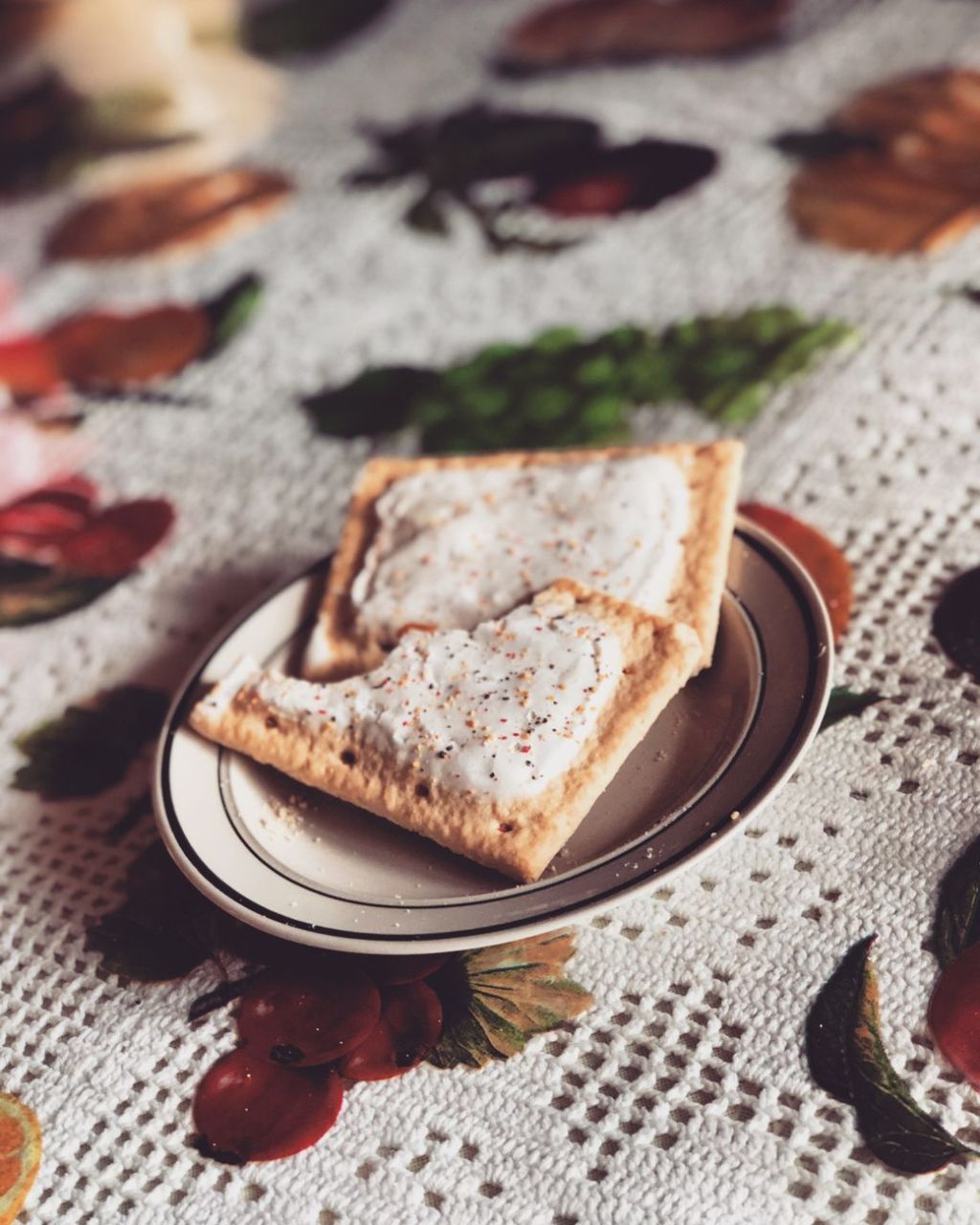
    They treat eggs, pancakes, and French toast with the seriousness of a Michelin chef preparing foie gras. The omelets were generously stuffed without collapsing into greasy excess. The French toast achieved that elusive balance of crisp edges and custardy center. The whole-grain banana pancakes possessed a nutty richness that made them taste less like indulgence than craftsmanship.

    The manager—a fit man in his thirties with a neatly trimmed beard and a weathered gray baseball cap—told me he had taken over the restaurant from his father. Born and raised in Oceanside, he spoke about the community with the quiet pride of someone who had no desire to escape it. He mentioned that elite fighters from Camp Pendleton regularly come in for breakfast. After one bite, I understood why. If your profession involves throwing another human being across a room, this is precisely where you’d replenish your glycogen stores.

    That conversation crystallized the difference between the two towns.

    Carlsbad feels like milquetoast chic: affluent, immaculate, and carefully curated for visitors. Oceanside has working-class muscle. It doesn’t seem interested in impressing you. It simply gets on with the business of living. There is an honesty to that kind of place, a confidence that doesn’t require branding consultants or lifestyle influencers to validate it.

    Fifteen minutes separate Carlsbad from Oceanside.

    Culturally, they feel like different countries.

    I’ll take Oceanside.

  • The Sandwich Shop of Eternal Regret

    The Sandwich Shop of Eternal Regret

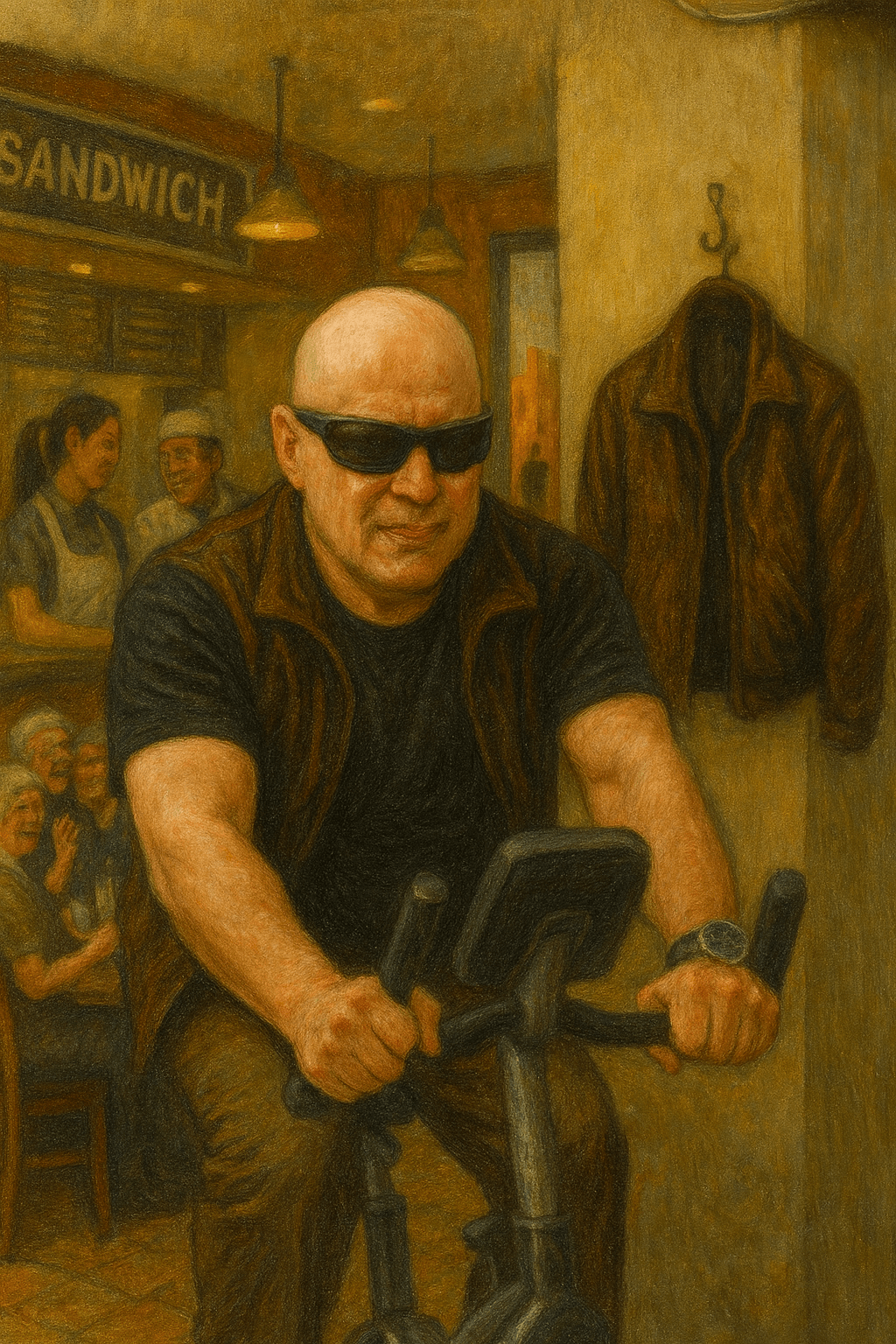
    Last night, I dreamed I retired too early, lost my tenure, and found myself cobbling together two humiliating jobs to survive. By day I was a part-time writing instructor, hustling between second-rate colleges. By night I was reduced to a takeout delivery boy for the sandwich shop where my wife cheerfully worked.

    If there was a silver lining, it was this: while waiting for her to assign me deliveries, I could pedal furiously on a stable of exercise bikes provided by the restaurant. Because, naturally, this wasn’t just a sandwich joint — it was part health club, part tourist mecca. At one point, a gaggle of Danish tourists descended, cackling in a booth for hours, treating the sandwich shop as though it were the Eiffel Tower of their itinerary.

    My wife flourished. She collaborated with the shop’s original owners, a warm couple from Hong Kong, brainstorming new sandwiches and ambitious upgrades, while I sweated like a condemned man on the bikes. Fortunately, I had a secret weapon: a dark brown leather jacket with supernatural properties. Each time I donned it before a delivery, every bead of sweat, every impurity, vanished as though I’d been baptized anew.

    But there was more. To scrape together a living, I also moonlighted in a third job — mysterious manual labor in a basement with a nameless partner. To reach this purgatory, I rode a bus into the “forbidden city,” a nightmare realm painted in muted oranges, where the architecture sulked in jagged, miserable shapes and its citizens were shackled to endless toil. It was a geometry lesson in despair.

    I was heartsick, regretting my decision to retire early. Only when the bus carried me back to the sandwich shop did relief arrive. There, I could mingle with long-lost friends and international tourists, ride the exercise bikes, and cling to the reassuring thought that my leather jacket would always purge me of sweat and shame.

  • Kettlebells, Clorox, Waikiki Dread, and the Need to Reread Ariel Leve’s An Abbreviated Life

    Kettlebells, Clorox, Waikiki Dread, and the Need to Reread Ariel Leve’s An Abbreviated Life

    At nearly sixty-four, I still work out like a man who thinks death is watching from the corner of the garage, arms crossed, waiting to pounce the moment I skip a kettlebell swing. I train with the same primal urgency I felt at thirteen—when muscle equaled safety, and soreness meant I still mattered. I think about workouts. I talk about them. I bore people to death with unsolicited fitness manifestos. My obsessions are a carousel of age, mortality, exercise, oatmeal breakfasts, French-press coffee, and a pathological resistance to anything resembling leisure, especially vacations.

    Which brings me to now: it’s Sunday, and in a few hours my wife’s friend will drive us to LAX so we can board a United flight to Oahu. I should be thrilled. I’m not. I feel like a hostage in my own well-appointed life. I’m going only because family life requires the occasional sacrifice—and this is mine. A three-night stay at the Embassy Suites in Waikiki Beach. Palm trees. Breezes. Ocean sunsets. All of it unnerves me. I want to be helpful, gracious, even grateful—but I am a neurotic, OCD-addled man-child in a do-rag who agonizes every morning over which chunky diver watch to wear, like I’m prepping for surgery on the space-time continuum.

    I do not want to be the dead weight on this trip.

    Still, I try to prepare. My comfort rituals are in full swing. We’re packing two memory foam pillows because hotel pillows have the spinal integrity of a wet napkin. I created a “Travel Checklist” yesterday with over 30 items. My wife flagged two of them—Clorox gel and a scrub brush—and asked why I intended to pack janitorial supplies. “To disinfect the hotel shower,” I said. She told me I’m crazy. Scratch that from the list.

    We’ll land around eleven tonight, pick up the rental car, check in, visit ABC Store #38—because no Hawaii trip is complete without wandering into an ABC Store to buy bottled water, toothpaste, and the spiritual reassurance that you haven’t forgotten something vital. Then we’ll sync our devices to the hotel WiFi, maybe sit on the bed and stare blankly at the TV for twenty minutes before collapsing into our pancake pillows (if the foam ones failed to survive the suitcase crush). By the time I feel vaguely human, it will be midnight.

    And just like that, the countdown begins.

    We fly back Wednesday. Back to LAX. Back to my routine. By Thursday morning, I’ll be at Trader Joe’s shopping for groceries, then in the garage doing kettlebell swings to reassert my identity as a disciplined, slightly unhinged older man who treats a three-day vacation like a stint in exile.

    My wife’s friends raised their eyebrows when they heard how short the trip is. “That’s all my husband can take,” she told them. I felt seen and exposed all at once. It hit me while writing this: it really is a short trip. I feel guilty for being the reason we trimmed it down to a long weekend. And yet—I’m also relieved. Too much freedom, too much unstructured joy, and I begin to unravel. I need my routines. I need the Mothership. Without them, I drift.

    I’m reminded of a memoir I read nine years ago and plan to reread after this trip: An Abbreviated Life by Ariel Leve. It’s about surviving childhood under the tyranny of a narcissistic, chaotic mother. Leve writes with scalpel precision about how chronic trauma rewires the brain, how the child adapts with emotional detachment and hypervigilance, and how adulthood becomes a performance of normalcy built on damaged circuitry. Her memoir is unsentimental, razor-sharp, and achingly honest. I admire her. In some cracked mirror, I recognize myself.

    When I return from Oahu, I’ll dig up my old copy of her book. It’ll be the perfect homecoming gift—a reminder that healing is a long-haul flight, often with delays, turbulence, and very bad pillows.