Tag: exercise

  • Diary of a Shoulder That Tried to Kill Me

    Diary of a Shoulder That Tried to Kill Me

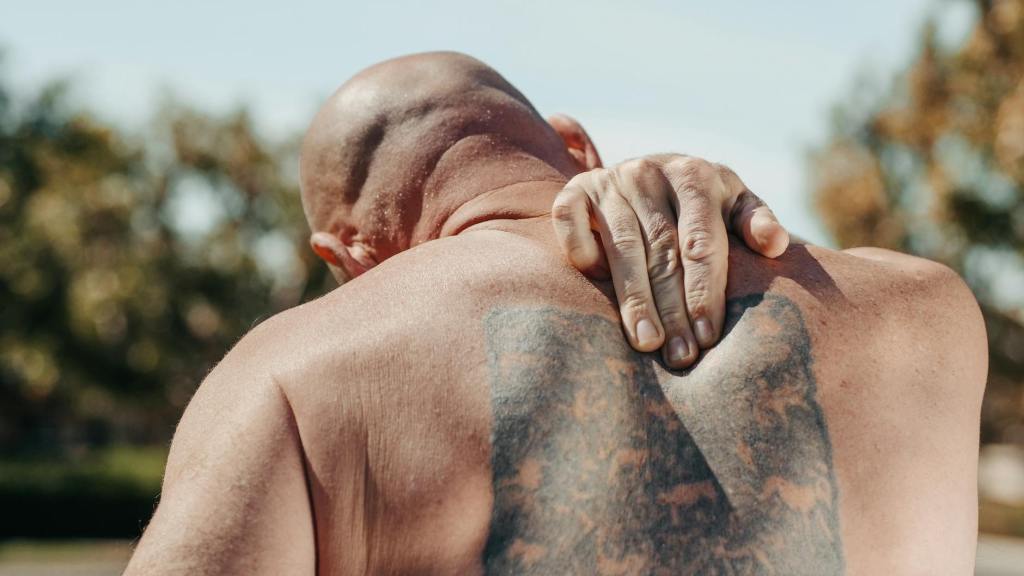
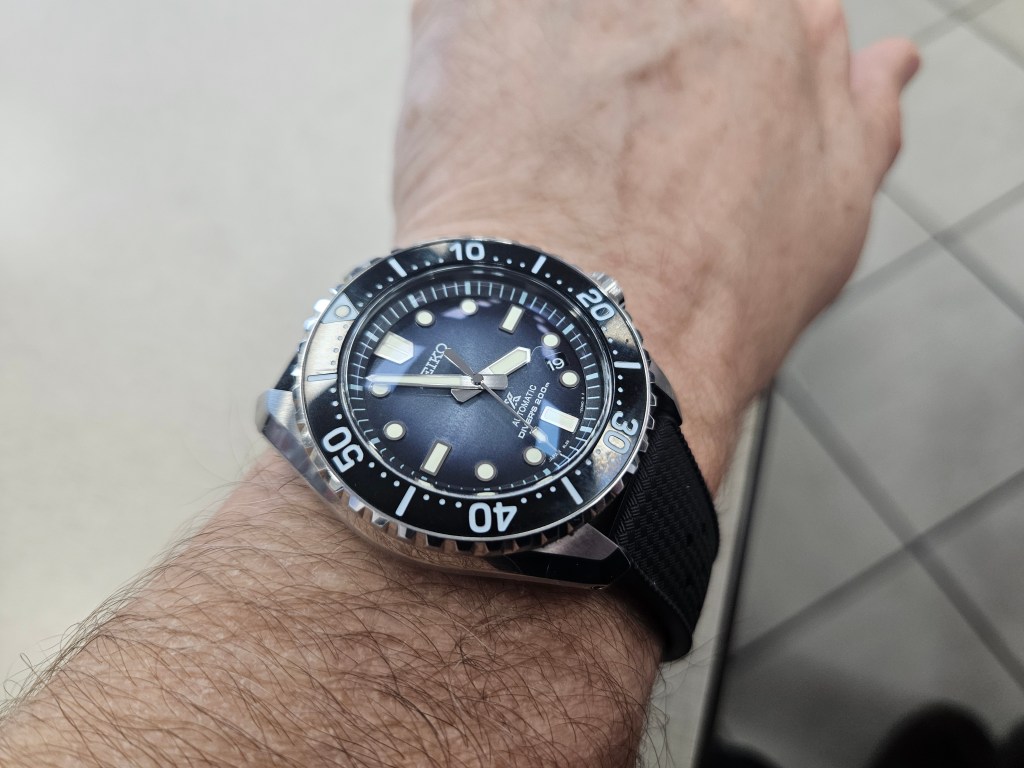
    I posted a YouTube video confessing that my torn rotator cuff cured me of my watch addiction. I braced for scolding: “How dare you upload non-watch content?” I imagined angry horology fanatics clutching diver bracelets and pearl-clutching over my betrayal. Instead, the algorithm delivered mercy. The view count was business as usual. The comments, however, were a grim roll call of the maimed.

    They arrived like pilgrims to a shrine of damaged shoulders. Chronic pain veterans, many of them familiar names from the watch trenches, sent dispatches: stalled healing timelines, depression so thick it sits on your chest, isometric training as penance, and farewell notes to heavy lifting. A few newcomers drifted in, summoned by the wretched deltoid-algorithms that sort humanity into suffering tribes.

    Every story hit the same grim notes: rage, dread, self-pity, and nihilism. There it was again, that quiet void whispering, “Nothing matters anymore.” Nihilism is simply the rotator cuff of the soul—an internal tear that immobilizes you far longer than the physical one.

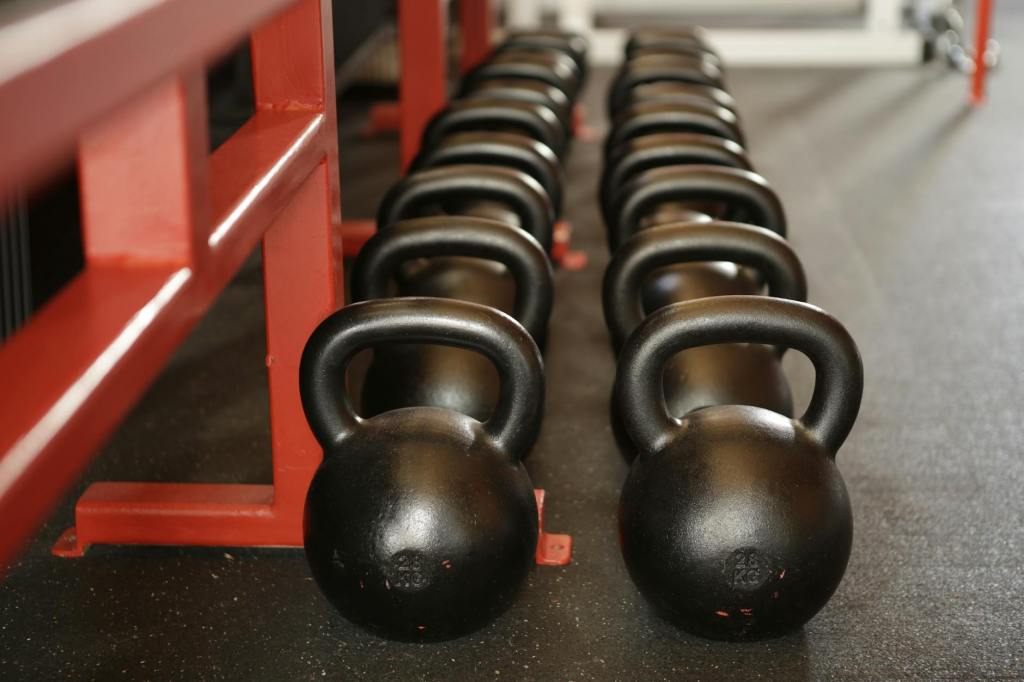
    I haven’t officially become a miserablist. Not yet. I still haunt my garage gym like a stubborn ghost. Goblet squats, double-hand swings, straight-leg deadlifts. Russian twists. A triceps exercise called Skull-crushers—named because the kettlebell would slam into your forehead if you lose focus for half a second. I use a twenty-pounder. I’m vain, not suicidal. My push-ups are a sort of prayer: on my knees, arms tucked like a sphinx, rising slowly as if coaxing life back into my triceps.

    This morning I feel a good soreness in my triceps, the soreness that whispers, “You’re still in the game.”

    Yesterday, mid-workout, two revelations hit me like kettlebells to the temple. First, the smoking gun: the injury didn’t come from ordinary training. It came from that medieval torture move known as the “lawnmower row.” You lean over and yank the kettlebell skyward like you’re trying to start a balky Briggs & Stratton. I blocked that memory for weeks—like someone trying to forget a bad romance.

    Second, I realized the injury was gentler in its early days. I know this because I still did “around-the-worlds”: passing a 70-pound kettlebell around my body in clockwise and counterclockwise orbits like a makeshift solar system. Yesterday, with a much lighter bell, I could barely scrape a half-circle before my left shoulder screamed mutiny. I didn’t just injure myself—I worsened it with the zeal of a true believer.

    So this December  of 2025 becomes a tightrope: train enough to fend off atrophy and rigidity, but not so much that the rotator cuff tears in half like wet parchment. This is the gospel of injury: moderation, humility, and the patience of a monk.

    If I were naïve enough to trust the publishing industry, I might dream of spinning this into a 70,000-word memoir. A blockbuster chronicling not only the physical agony but the psychological descent into pain-induced existentialism. The masses would see themselves in it. I might become rich. I might become famous. And yet, between two futures—a healthy shoulder and obscurity, or torn rotator cuff and celebrity cripple memoirist—I’d take the intact tendon every time. I’d rather be an anonymous man in a quiet garage than a limping prophet of pain and book deals.

  • How a Torn Rotator Cuff Tried to Break Me

    How a Torn Rotator Cuff Tried to Break Me

    A rotator cuff injury is an affront to the human desire for control. You follow instructions and protocols to avoid injury and get stronger, but the pain reminds you that you can’t control the trajectory of recovery. Complete rest could be its own disaster. You’re choosing between two bad options.

    Not only do you lose control of your body in ways you never imagined—you can’t optimize.

    If you’re an exercise buff who struggles with weight and is waiting for affordable versions of GLP-1 drugs, as I am, the compromises forced by a shoulder injury are disconcerting.

    My workout on November 29, with kettlebells integrated with shoulder rehab exercises, was not encouraging. My shoulder felt worse afterward. When the Motrin wore off and I woke up at two in the morning, I could tell the training had aggravated it. I began thinking about giving up the Farmer’s Walk with a 45-pound kettlebell in each hand. Perhaps that was too much. My entire training life has been a process of eliminating one exercise after another.

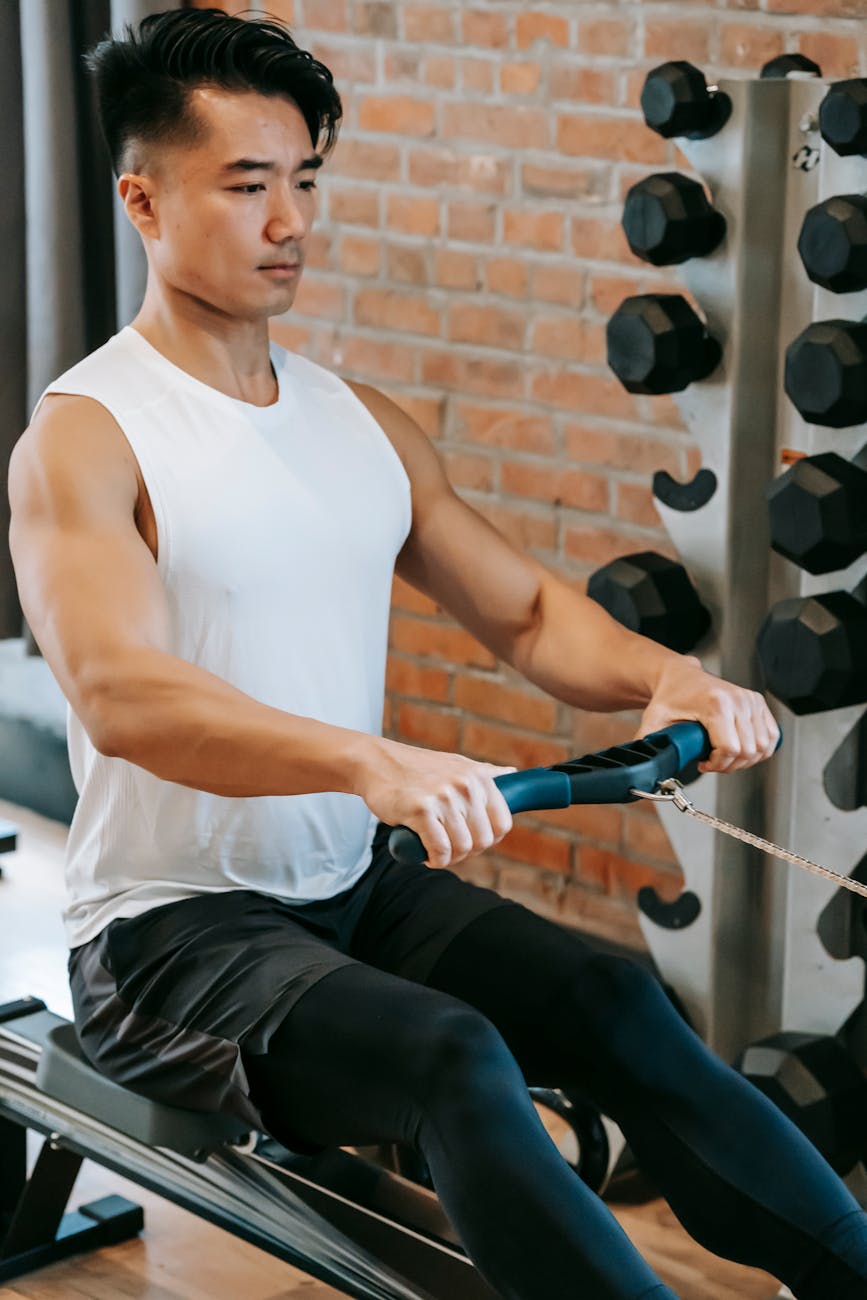
    With my shoulder still aggravated from the workout, on November 30 I decided to try my Schwinn Airdyne again, but this time I wouldn’t use my left arm to row the lever. I would rest my hand on it and rely mostly on my legs. The problem was psychological. Using my arms fully, I had burned 600 calories in about 50 minutes—probably more, since the calorie monitor doesn’t calculate body weight, and several forums claim that an hour on an air bike burns around 1,000 calories. Not using my arms would reduce my output, which, in a gamified world, is demoralizing. Still, even without using my arms, the calorie burn would exceed that of walking the neighborhood for an hour while worrying about stray dogs and car fumes.

    Exactly a week before—on the day my Airdyne workout was followed by nerve pain shooting down my left arm—I burned 600 calories in 52 minutes, which comes to 11.54 calories per minute. A week later, three days after seeing the doctor, I tried the Airdyne again with a significant disadvantage: I couldn’t row with my left hand. During the session, I protected my shoulder with three strategies. I rested my hand on the lever with no pushing or pulling; I gripped my towel with the left hand while my right arm did the rowing; or I grabbed the towel draped over my neck with both hands. Not surprisingly, I didn’t burn as many calories as the week before. I burned 601 in 57 minutes, which was 10.54 calories per minute. My calorie-burn efficiency was down 9.5 percent.

    Despite the significant drop in efficiency, the experiment was half successful: I still reached my goal of 600 calories.

    The real test remained: an hour after the workout, how would my shoulder feel?

    I showered, ate lunch, did some mild isometrics for my shoulder, and did not experience the shooting nerve pain I had a week earlier, so perhaps I was in the clear with the Airdyne provided I don’t row with my injured side.

    I would take this minor victory. The last three months I felt insulted by the difficulty in wrapping a towel around my waist, taking off a sweat-soaked tank top, putting on a belt, closing the driver-side car door, reaching for something in the back of the fridge, and using my left hand to soap my right armpit. Being able to burn 600 calories on the Airdyne was a sweet morsel of consolation. 

    In this war with a rotator cuff injury, I was willing to take whatever tiny victories I could get. 

    A small expression of gratitude might help my morose disposition and the self-pity that I had indulged in over the last three months. If I ever were to write and publish a book on my ordeal, I would probably title it Shoulder, Interrupted: How a Torn Rotator Cuff Tried to Break Me

  • Hope in the Form of a Lab Coat

    Hope in the Form of a Lab Coat

    For three months I slogged through shoulder pain armed with nothing but a self-diagnosis and stubborn pride. I refused to see a doctor. Why submit myself to some exhausted clinician who’d never lifted a kettlebell in his life and would prescribe the usual pablum—ice, rest, and advice I could have gotten from the comments section of Wikipedia?

    Then something happened that forced a reckoning. To compensate for the kettlebell exile, I doubled down on the Schwinn Airdyne—hour-long sessions of fan-bike misery that combine pedaling with lever rowing. I felt no pain… until a week before Thanksgiving. After a brutally satisfying session, a nerve fired down my arm like a live wire. The message was unmistakable: I had graduated from “irritation” to “we’re-squeezing-your-spinal-cord-for-fun.” Something was pinched, something was furious, and it was no longer optional.

    I made a YouTube video to announce the cosmic irony: my watch addiction was cured, but the cure was a torn rotator cuff. The floodgates opened. Dozens of comments poured in from people who had endured surgeries, magnets, injections, cortisone cocktails, or endless physical therapy. One old friend emailed: ten years of chronic pain, zero recovery, restricted motion for life. The road, it turns out, is paved with hope and ends in a ditch.

    It was clear: I didn’t need more voices, I needed data. I called Kaiser and booked an appointment. Someone would see me the day before Thanksgiving.

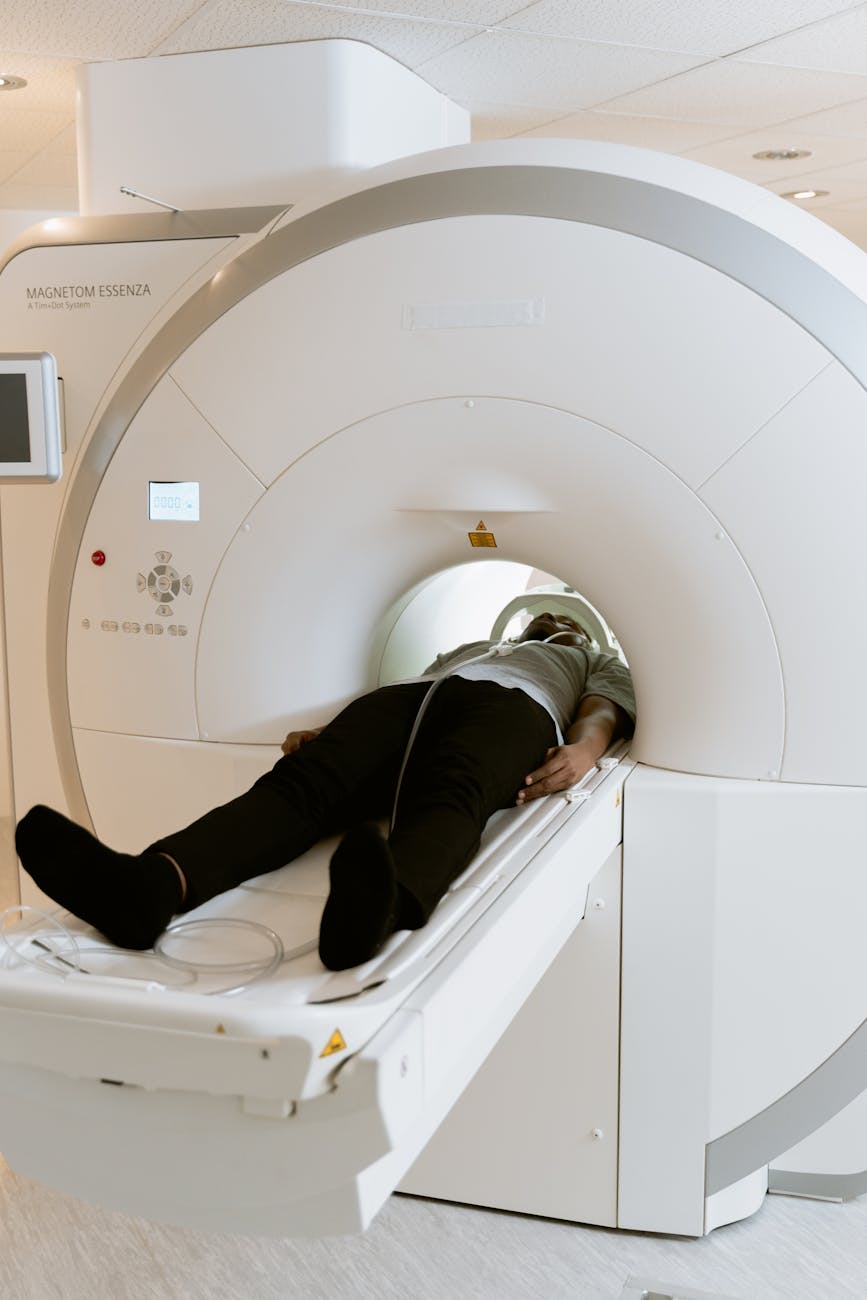
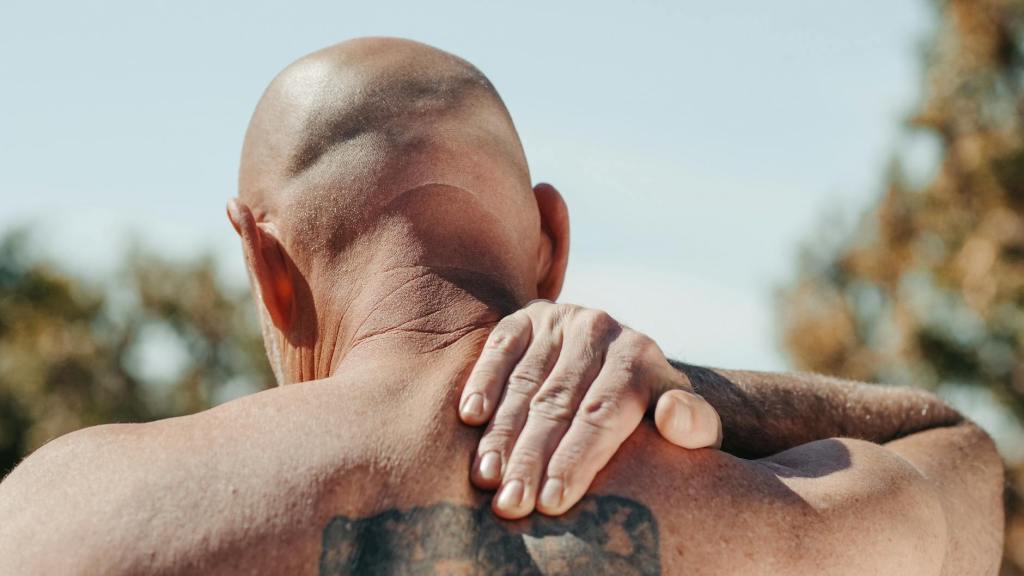
    That afternoon I met Dr. Cherukuri, a woman in her late thirties with the energy of someone who actually likes her profession. She examined my shoulder, commented that the bulge was visible even through my T-shirt, pressed around the joint, put me through a series of movements, and diagnosed left rotator cuff syndrome with left biceps tendinopathy. She ordered X-rays and an ultrasound and, pending results, believed three months of rehab could put me back together.

    She put me on Motrin three times a day for two weeks to bring the inflammation down—enough to make rehab possible. She also agreed I should continue kettlebell work for muscle maintenance. A doctor who understands the importance of preserving muscle mass? I nearly wept. The catch was predictable: no chest or shoulder presses, no biceps curls. My hypertrophy would be confined to legs, glutes, traps—maybe some trickle-down gains from rehab exercises if the gods were kind.

    She handed me a list of movements, which I combined with ones I learned from YouTube: cow-cat yoga pose, broomstick flexion, wall push-ups, wall flexion, forearm planks, plank shoulder taps, narrow-position knee push-ups, light dumbbell rotations, and more. Anything that required me to lift my arms overhead or behind me felt like sticking my shoulder into a hornet nest.

    The mandate was fifteen minutes of rehab every day. On kettlebell days, I’d slip the movements between lifts three days a week. The other four days were rehabilitation only—an entire week built around mending the wounded joint.

    Psychologically, the appointment was a relief. First, the diagnosis proved I wasn’t a lunatic or some melodramatic malingerer. Second, I needed structure. I needed a plan, a weapon—something to push against instead of drifting through pain, anxiety, and the unknowable. When I’m saddled with a problem, I don’t need platitudes; I need targets and artillery. Seeing the doctor was the moment I picked up a rifle instead of a white flag.

    But I was still blind. I had no idea how severe the tear was, whether rehab would work, whether I could heal without surgery, or how to navigate the distress of shoulder pain so sharp that turning my steering wheel wrong or sliding a backpack strap across my arm sent shockwaves that lingered for minutes.

    Going to a doctor was a necessary first step. But I still knew nothing. All I understood was how much I still needed to know if I hoped to climb out of this hole. The thirst for clarity, for diagnostic certainty, became my new obsession—one that bulldozed my watch addiction.

    My YouTube followers were devastated.
    “We need you back, bro. We need you to commiserate with us about the watch madness.”

    God bless them. They needed me to get better—not only for me, but for them, so we could suffer together in peace.
  • A Diagnosis is a Weapon: My First Step Toward Shoulder Recovery

    A Diagnosis is a Weapon: My First Step Toward Shoulder Recovery

    Yesterday I met with a sports medicine physical therapist at Kaiser for the first time. The kind nurse took my vitals, and to my surprise my blood pressure wasn’t bad at all: 127 over 84. My blood pressure always spikes a bit at the doctor’s. 

    Then I met the sports doctor. She was affable, direct, and clearly passionate about her work. She examined my left shoulder, noted that the swelling was visible even through my T-shirt, pressed along the biceps groove, and tested my range of motion. After watching me perform several movements, she diagnosed me with rotator cuff syndrome and biceps tendinopathy. She immediately ordered an X-ray (results pending) and scheduled an ultrasound in five weeks to gather more detail. 

    Her initial verdict was cautiously optimistic: with proper rehab, she believes I can recover in three months. I told her that unlike my old gym injury—when I tore my rotator cuff doing heavy bench presses and spent nine months in purgatory—this one didn’t begin with trauma. I was simply doing my normal kettlebell chest presses, felt a little tightness, and woke up the next morning with a shoulder that felt like it belonged to someone else. That incident was three months ago. 

    She has me on Motrin three times a day to bring down the inflammation so I can tolerate the rehab movements. To my relief, she didn’t ask me to abandon muscle training; she understands the realities of aging and the need to protect lean mass. I just have to avoid chest presses, shoulder presses, and curls. My work will shift to legs, glutes, traps, and lat activation, with shoulder and pec stimulation coming indirectly through rehab. She gave a handout of exercises, some I can do and others I can’t. I also consulted some doctors who do shoulder rehab on YouTube and told her about some, and she agreed I could do them.

    So far, I have a long list of rehab exercises I can choose from: cat–cow yog pose, broomstick flexion, wall push-ups, wall flexion, planks, plank taps, narrow push-ups on the knees, light dumbbell rotations, and others. 

    Some overhead movements are currently impossible. Hanging from a chin-up bar, the internet’s magic cure, feels like medieval torture. 

    I’ll do the exercises that I can tolerate for fifteen minutes daily: integrated on kettlebell days, standalone on the rest. Also, on my non-kettlebell days, the doctor agrees I should take an hour-long walk.

    Psychologically, this appointment mattered. A diagnosis means I’m not inventing pain or collapsing mentally. It gives me a plan, an organizing principle, a weapon. When my body fails, I can live with discomfort; what I cannot tolerate is drifting in uncertainty. Seeing this doctor was the first step in taking back control.

  • Three Months of Shoulder Pain and the Art of Not Panicking

    Three Months of Shoulder Pain and the Art of Not Panicking

    This afternoon I’ll see a doctor about my three-month shoulder ordeal. I’m hoping for clarity: bursitis or a torn rotator cuff. The injury didn’t begin with a dramatic moment. I remember doing single-arm chest presses on the garage mat with a 50-pound kettlebell. There was a subtle tightness in the left shoulder—no alarm bells. The next morning I woke as if someone had rearranged the joint overnight. Side raises and reaching behind became nearly impossible. I cut out all chest and shoulder presses. Some days the pain flared after training; I blamed curls and single-arm swings, so I eliminated them too, and the pain eased.

    To make up for the reduced kettlebell volume, I doubled down on the Schwinn Airdyne, grinding through hour-long sessions that combine pedaling and lever rowing. No pain—until three days ago, when the movement set off a nerve fire down my arm. That told me I was no longer dealing with simple irritation. Something was pinched and inflamed. The bike is now retired. I’ll walk the neighborhood for cardio until further notice. I’ve experimented with rehab exercises: cat-cow yoga poses help; so do wall push-ups from shoulder rehab videos. Side lateral raises, though medically recommended, feel like sabotage. I refuse them.

    I made a video about the injury yesterday. The floodgates opened. Dozens of comments from people who had surgery, magnets, injections, or long stretches of physical therapy. One old friend emailed: he never recovered and has lived with pain and restricted motion for a decade. The road, it seems, is long and indifferent to optimism. I don’t enjoy the pain, the limited workouts, or the hypervigilance required to avoid reinjury. The mental effort—combined with physical discomfort—wears me down. Right now the shoulder aches at a low level, probably from the idiotic attempt to sling on a backpack this morning. Starting next week, I’m switching to a messenger bag over my healthy shoulder.

    When I speak to the doctor today, I’ll try to be calm, give a clear narrative, and resist letting anxiety pull me into melodrama. I want to hear the data, not force my fantasy of “no surgery” onto the facts. I had hoped to write about something else this morning—anything other than this shoulder—but obsession has its own gravity. It will not be ignored.

  • Tooter Turtle Goes to Gold’s Gym

    Tooter Turtle Goes to Gold’s Gym

    When you’re old, you burn daylight running stupid counterfactuals. Forty years of teaching college writing and now I mutter to myself, “You were never meant to be a professor. You were meant to be a personal trainer.” This fantasy is less revelation than acid reflux—I can’t keep it down no matter how hard I try.

    But let’s be honest about the personal trainer gig. Path A: you scrape together rent money coaching half-motivated clients through limp triceps pushdowns while they whine about kale. Path B: you cater to narcissistic celebrities who want you to count their lunges in a whisper, until their self-absorption has hollowed you out like a dry coconut.

    In this farce, I’m no different than Tooter Turtle, that cartoon sad sack from my childhood. Every week he begged Mr. Wizard to reinvent him as a lumberjack, a detective, a gladiator, a football star. And every week he proved that no matter how much you change the costume, you can’t change the pratfall. His new career always ended in humiliation, panic, and the desperate cry: “Help me, Mr. Wizard!”

    That’s us: eternal college freshmen, forever switching majors, convinced that the next “out there” will be our deliverance. But when the magic portal opens, we loathe ourselves for asking.

    Me, a personal trainer? Please. Within a week I’d be rolling my eyes at clients’ flabby excuses, pawning my kettlebells to cover insurance premiums I don’t have, and slinging creatine tubs from the trunk of my Honda. I wouldn’t be a coach—I’d be a sidewalk prophet of six-pack abs, half-broke, half-starved, and wholly ridiculous.

    Punchline: In short, I’d be Tooter Turtle in gym shorts—begging Mr. Wizard to zap me back to the classroom, where at least the only thing I’m destroying is a freshman’s thesis statement.

  • Expiration Date, Please Hold

    Expiration Date, Please Hold

    I have been lifting longer than most marriages last. My barbell education began in 1974 at Earl Warren Junior High, when the world still smelled of gym chalk and cheap cologne. By twelve I was worshipping squats, chasing pec pumps, and counting out 200 grams of protein like it was scripture. Weightlifting wasn’t a hobby; it was a program for staying human in a chaotic world. Say what you will–and I will–but lifting saved me. Plain fact.

    Being a lifter has been a suite of advantages: I look younger than my driver’s license suggests, my muscular frame reads as backup insurance against chronic illnesses and wayward surgeons, and I can still train with a teenager’s ferocity. There is a chemical grace to it–the endorphin blast after a set that feels like a small, private resurrection. I am, frankly and proudly, a workout addict.

    But let’s not romanticize. Every addiction has its dark shadow. There will come a winter–perhaps in my eighties–when my body will send a clear memo: enough. The garage kettlebells I currently haul like battle standards will be too heavy, the Turkish Get-Up will turn into a consult with gravity. That prospect terrifies me because the kettlebell isn’t just steel and handle; it is a throttle on my will to live.

    We are all animated by different things. For me it is sweat, breath, the rattle of plates. For my old beloved Finnish Spitz, Gretchen, the decline arrived as a refusal of walks and food. When desire dies, everything else follows. So long as I rise hungry and ache for a workout, I count myself unexpired. When hunger and will fade, I suspect I’ll understand what Gretchen taught me without lectures, philosophy, or think pieces about aging in The Atlantic: the stopwatch of life has clicked.

    Am I foolish to have stapled my life to a routine of kettlebells and protein scoops? Have I mistaken the ritual for immortality? Maybe. Maybe I should cultivate other anchors–friends who aren’t gym bros, projects that don’t require a heart rate monitor. Or maybe I did the right thing: built a life that keeps me moving, thinking, and sufficiently irritable to remain alive.

    I don’t have the script for what comes after the iron thins. I’ve got the stubbornness to keep trying. If anyone’s got a convincing new plot, I’ll listen. Preferably between sets.

  • The Farmer’s Walk of Shame and Glory

    The Farmer’s Walk of Shame and Glory

    At thirteen, I became an Olympic weightlifter—because what else does a wiry, overachieving kid from suburban California do when puberty arrives like a freight train full of testosterone and insecurity? My coach, Lou Kruk, had the gruff certainty of a war general. His command: Squats. Lots of them. Squats were the foundation, the gospel, the holy writ. Lou didn’t care if your femurs screamed or your glutes cried for mercy—he wanted you buried under iron like a potato under mulch.

    And I obeyed. I squatted in the gym. I squatted while playing goalie in soccer. I squatted in line during PE roll call, waiting for Ernie Silvera to butcher yet another attendance list. I even squatted in front of my locker, hoping posture would hide the acne. Eventually, the kids at Earl Warren Junior High stopped calling me by my name. I was simply: Squats.

    But here’s the thing: squats weren’t just reps. They were a romantic infatuation with self-improvement. A ritual. A sacrament. I didn’t fall into squats—I plunged, like a lovesick poet into madness.

    Fast-forward to middle age—forty years and one mid-life crisis later—I traded barbell bravado for kettlebells and met a new myth: the Turkish Get-Up. It felt like choreography from some warrior ballet: lie down like a slain gladiator, then rise with a kettlebell overhead like a triumphant god reanimating himself for vengeance.

    Then came the Farmer’s Walk, and I was undone.

    Here’s the scene: I grab a 48-pound kettlebell in one hand, a 53-pounder in the other, and saunter out of my garage barefoot like a lunatic monk of pain. I circle my Honda Accord, not for superstition, but for symmetry. Then I march around the front lawn, beads of sweat trickling down my temples, tank top clinging to my body like a polyester declaration of war.

    The burn in my delts and forearms? Biblical. Especially when I’ve just finished kettlebell swings and around-the-worlds like some masochistic circus act.

    Why do I love the Farmer’s Walk?

    First: its austere simplicity. It’s manual labor disguised as exercise. I’m hauling metaphorical water, carrying invisible suitcases packed with existential weight.

    Second: it taps into a fantasy. I imagine I’m a young, vigorous farmhand, righteous and virtuous, about to earn a sizzling plate of bacon and eggs just for showing up to life.

    Third: it’s primal. I’m walking twin beasts, two snarling metal bulldogs, and I’m the alpha. My heart rate spikes, my skin gleams, and I feel, absurdly, alive.

    But with greatness comes peril. I go barefoot, which means one mistimed drop and I’m dialing podiatry from the ER. If I stub my toe, I’ll be hobbling like a Dickensian orphan. Then there’s the risk of dinging my Accord, which would be both tragic and hilarious.

    Yet the greatest threat isn’t physical—it’s psychological. I am, without a doubt, the neighborhood oddity.

    My neighbors stare. They whisper:

    “What’s he trying to prove?”
    “Is he unraveling?”
    “Is this a cry for help or a cry for gains?”
    “Why doesn’t he take up pickleball like a normal old man?”
    “Oh dear, that poor wife.”

    But despite the scrutiny, I press on. I rise each morning with the enthusiasm of a caffeinated Spartan. I brew my coffee, stir my buckwheat groats, and prepare for my ritual. And when it’s time to perform my ceremonial promenade across the lawn, kettlebells in hand and sweat on brow, I do so with one thought:

    Let them watch.

  • The Gospel According to Arnold

    The Gospel According to Arnold

    At thirteen, you weren’t just growing—you were bulking. You launched yourself headfirst into the gladiatorial quest for muscle supremacy, wolfing down 200 grams of protein a day in four frenzied “feedings,” as if you were a ravenous prehistoric beast on a cutting-edge strength cycle. While other kids were figuring out how to talk to girls without combusting from nerves, you were busy calculating amino acid ratios and chasing the elusive state of protein-muscle synthesis like it was the Holy Grail.

    Your kitchen became a makeshift laboratory of gains. You blended protein shakes with powders hawked by the beefy prophets in Strength and Health magazine—chalky concoctions that tasted like regret mixed with drywall. You drank them anyway. Satiety was sacred.

    After a year of racking up Junior Olympic Weightlifting trophies—hoisting iron like a Cold War super-soldier on state-sponsored hormones—your well-meaning mother tried to support your calling. On your fourteenth birthday, she handed you what you assumed would be a Soviet-tier weightlifting manual. Instead, it was Pumping Iron—a glossy coffee-table tome filled with baby-oiled men in banana hammocks. Bodybuilders. Flexing. Posing. Pouting.

    You had to sit her down.

    “Mom,” you said, as diplomatically as a hormonal adolescent can, “weightlifters move heavy things. Bodybuilders pose in sequined underwear and shave their armpits.”

    To you, weightlifters were Spartans. Bodybuilders were Vegas lounge acts with glutes.

    Still, curiosity got the better of you. You flipped through Pumping Iron with a mixture of revulsion and wonder. The men on those pages didn’t look human. They looked like sculptures that got bored and decided to bench press.

    You imagined them living in their parents’ houses, drinking protein sludge while their heat-addled mothers babbled to parakeets and dabbed their foreheads with cold washcloths. They were carnival beasts. You, however, were a noble practitioner of Olympic Weightlifting—a sport so pure it belonged in the actual Olympics, unlike the oiled-up beauty pageants you now held in low regard.

    Your hero was Vasily Alekseyev, the 350-pound Russian colossus who looked like he ate livestock for brunch. You watched him waddle onto the platform, glare at a loaded barbell like it owed him money, and launch it overhead like a man tossing furniture in a domestic dispute. When that barbell hit the floor, it echoed through your ribcage. That, you told yourself, was true strength.

    But then… Arnold happened.

    You’d seen him before, sure. But when you saw Pumping Iron—saw him—something shifted. It wasn’t just admiration. It was conversion. Arnold wasn’t a man. He was a solar flare with biceps. A deity with an accent.

    Soon, you were hanging around Walt’s Gym, where the walls smelled like testosterone and chalk dust, and where the guys wore cutoffs like they were Roman togas. One afternoon, you spotted a bodybuilder straight out of central casting: a tall, tanned fireman who had just placed in the Mr. California competition. Blond hair, thick broom-handle mustache, horn-rimmed glasses that screamed “Clark Kent just deadlifted a Buick.”

    He bench-pressed over 300 pounds, stood up, and stared into the mirror like Narcissus on creatine. “The first time I saw Arnold,” he said with reverence, “I felt I was in the presence of the Lord. I said to myself, ‘There stands the Messiah. There stands God Almighty, come to bring good cheer to this world.’”

    And you believed him.

    Because Arnold wasn’t just jacked—he was divine. He was the Pied Piper of Pecs, leading you out of your ordinary life and into a new religion: Bodybuilding Fever. There was no vaccine. No mercy. Just the cure: protein shakes, gym mirrors, and relentless flexing.

    You no longer lifted just to be strong. You lifted to be seen. To be admired. To become an icon. You drank from the sacred chalice of the dumbbell and chased the gleam of your own reflection. You weren’t just lifting—you were becoming.

  • Training to Failure: A Love Letter to My Broken Sixty-Year-Old Body

    Training to Failure: A Love Letter to My Broken Sixty-Year-Old Body

    I just inhaled 80 grams of braised tofu on a bed of arugula—an herbivore’s banquet—because I didn’t want any leftovers skulking in the fridge while my family disappears for a weeklong trip. The trip also means six missed workouts, which my inner gym rat is already mourning with the solemnity of a funeral dirge.

    In my infinite wisdom—or perhaps masochistic delusion—I stacked seven consecutive kettlebell workouts into my week like some demented CrossFit monk chasing transcendence through joint pain. Predictably, I torched myself. Yesterday, I hit the wall. Even after a nap, I was cooked—bone tired, foggy, the kind of fatigue that whispers pre-flu doom into your ears while your muscles quietly plan a mutiny.

    Today was my supposed “last hurrah” before vacation. I skipped the kettlebells and mounted the Schwinn Airdyne, knowing full well I was running on fumes. Usually, I scorch 700–800 calories in an hour. Today I limped to 600. Eighty percent effort. That’s what the data says. My pride says otherwise.

    This might be my new reality: controlled, measured workouts instead of cinematic Rocky montages. The problem? I came of age in the 1970s golden era of bodybuilding, when Arnold preached the Gospel of Training to Failure and warned us about becoming “paper tigers.” I took that to heart. Too much heart. The kind that skips beats when your prefrontal cortex is begging you to lie down and your inner bro yells, “One more set!”

    But now, every time I push too hard—whether it’s with kettlebells or a fevered sprint on the Airdyne—I spiral into what I’ve dubbed RAA: Rundown Anxiety Affliction. It’s not a diagnosis. It’s a curse. You feel like you’re on the verge of the flu, haunted by a twitchy dread that your immune system has thrown in the towel. And for what? To impress the ghost of Mike Mentzer?

    I’m not exercising and eating tofu like a reformed monk to become a sickly, anxious husk of a man. That’s not fitness. That’s martyrdom.

    Today I danced at the edge of RAA. I throttled back. Took my 600 calories, thanked the fitness gods for the mercy, and called it. I’ll nap. I’ll pack. I’ll go on this trip, eat as decently as possible, and try not to treat my return like a penitential Ironman.

    Because no one needs to come back from vacation needing a vacation from their vacation—especially if it starts with RAA and ends with a doctor saying, “You need to calm the hell down.”