When my wife and I had twins in 2010, she insisted they attend preschool. I argued that preschool was unnecessary and vaguely ridiculous, little more than an expensive holding pen filled with finger paint, gluten-free crackers, and parents humblebragging about their toddlers’ “advanced verbal skills.” My wife countered that I was thinking like a Boomer who had grown up in a civilization where childhood still contained dead zones of unstructured time and where kindergarten did not resemble an Ivy League admissions process. In today’s world, she explained, failing to place your children in preschool was viewed almost as a form of negligence because children were expected to arrive at kindergarten already preloaded with socialization protocols, emotional vocabulary, and rudimentary STEM competencies.
What she was really telling me was something far larger and more unsettling: I came from an era so saturated with available time that it shaped not merely our schedules but our consciousness itself. Back then, the American Dream still felt obtainable without turning every waking hour into an optimization project. We had entire Sundays available for glorious wastefulness. Families would leave home at nine in the morning and spend the entire day at the Oakland Coliseum watching double-header baseball games under the blazing sun, eating colossal hot dogs drowning in mustard and sauerkraut, spilling popcorn across their laps, and sitting through nine-hour marathons of suspense, boredom, beer fumes, arguments with umpires, and fireworks erupting over the outfield at night. Nobody returned home resentful about “losing a day.” The whole point was to lose it.
Only a fool from my generation would lecture younger people today about “slowing down” or offer some suffocating Hallmark bromide about stopping to smell the roses. We had the luxury of wasting time because economically and culturally the walls had not yet closed in around us. Housing costs had not yet mutated into intergenerational psychological warfare. Child-rearing had not yet become a hypercompetitive résumé-building campaign beginning at age three.
Boomers were spoiled in ways we barely understood, and part of being spoiled is existing without boundaries while believing such freedom is morally normal. Even our forms of wasting time were fundamentally different from today’s digital diversions. Squandering your life doomscrolling through TikTok or vaporizing hours inside algorithmic entertainment ecosystems produces a particular kind of dehumanization because every click, pause, and emotional twitch is harvested, quantified, and monetized. Your wasted life becomes data. By contrast, losing yourself for ten hours at a baseball game, a shopping mall, or wandering around town with friends had a strange earthly grandeur to it. You felt embedded in the physical world rather than absorbed into invisible software architecture. Even idleness carried a feeling of privilege, expansiveness, and freedom.
Parents in my era barely supervised their children at all, which now sounds less like parenting and more like a federally unsanctioned wilderness experiment. After breakfast we were effectively jettisoned into the outdoors like feral raccoons and not expected home until dinner. Our parents had only the vaguest idea where we were, what we were doing, or whether we remained technically alive. We rode bicycles through construction sites littered with exposed nails, lumber piles, electrical wire, and trenches deep enough to conceal small military operations. We launched homemade ramps over creeks in reckless attempts to imitate Evel Knievel. We trespassed through cow pastures, ravines, and forbidden properties specifically because they were marked with rusty barbed-wire fences and gigantic DO NOT ENTER signs that functioned less as deterrents than invitations to glory. We were chased by bulls, guard dogs, furious ranchers, and occasionally pellet-gun fire. We built forts, detonated firecrackers, swung from vines, crashed into poison oak, and stumbled upon rattlesnakes, black widows, coyotes, bobcats, and the occasional mountain lion. Then at night we returned home filthy, bleeding lightly, and coated in dust while our parents merely instructed us to take a bath before inhaling enormous portions of meatloaf, chili, tacos, and turkey pot pies so we’d possess enough calories to resume our campaign of reckless mayhem the next morning.
There is something about boys left alone for huge stretches of time in woods, fields, and ravines that sends the imagination into overdrive. The chaos, enchantment, stupidity, and myth-making generated by unsupervised childhood cannot be replicated inside carefully managed schedules overseen by anxious adults armed with hydration packs and developmental benchmarks.
This abundance of time made people of my generation feel special in ways that are difficult to explain to those raised in later eras of acceleration, optimization, and perpetual anxiety. Because time felt plentiful, life itself felt expansive. You could drift. You could loiter. You could waste entire afternoons wandering shopping malls, watching baseball games, sitting in diners, riding bicycles nowhere in particular, or staring at the ceiling listening to records without feeling the moral panic that you were “falling behind.”
But that feeling of abundance carried hidden dangers. Comfort can seduce a person into passivity. Your environment begins shaping you slowly, almost imperceptibly, the way coral spreads across a reef. Little by little, routines harden around you. What once felt like freedom quietly calcifies into a loss of agency.
This story is really about the gradual loss of agency—or more precisely, how close I came to surrendering it completely. I had too much time, too little supervision, and a desperate hunger for identity, so I drifted into Walt’s Gym believing it was a sanctuary where boys became men through discipline, suffering, and muscle. In reality, it was something far stranger and more dangerous. It was the equivalent of the island in The Adventures of Pinocchio where wayward boys are seduced into becoming donkeys, only our transformation occurred beneath flickering fluorescent lights amid mildew, barbells, and the smell of stale protein shakes. We thought we were forging ourselves into superior beings, but slowly the environment began shaping us instead. The gym’s mythology, vanity, arrested development, and obsessive rituals accumulated over us like swamp sediment until many of us lost the ability to distinguish self-creation from self-entrapment. In my case, I did not become a donkey. I became something more amphibious—a creature half human, half swamp thing, marinating for years in a fetid ecosystem of male insecurity while mistaking that slow psychological calcification for transcendence.
By the time I was fourteen in 1976, Walt’s Gym had become my personal Mothership, where my lifeblood beat and I felt the life force raging inside of me. The gym was in Hayward, California—a hallowed hall of iron that had started its humble life as a chicken coop in the 1950s.
The gym was a biological catastrophe masquerading as a fitness facility, a steaming swamp of fungus, bacteria, mildew, and human despair waiting to colonize the flesh of the unwary. The locker room floors glistened with suspicious moisture that no mop, prayer, or municipal intervention could ever fully eradicate. Members spoke in hushed, traumatized tones about incurable cases of athlete’s foot and whispered of fungal strains so exotic and aggressive that even the world’s most decorated mycologists would recoil in professional defeat. Men entered the showers with healthy skin and emerged looking as though they had contracted diseases previously encountered only by sailors returning from cursed islands in the South Pacific.
Somewhere inside this microbial wetland allegedly lived an enormous frog the professional wrestlers had affectionately named Charlie. Charlie supposedly lurked among the fungal shower stalls like the gym’s amphibious patron saint. Though I never personally saw him, the wrestlers swore he existed. They described him with such conviction that I found myself wondering whether Charlie was real or merely a hallucination conjured by men who had absorbed too many chair shots to the skull. Perhaps Charlie was not literally a frog at all but a prophetic vision born from the gym’s diseased subconscious. The longer I trained there, the more plausible this theory became.
After all, what were we becoming ourselves?
We marinated daily inside this fetid ecosystem breathing mold spores, soaking in swamp humidity, and absorbing the psychic residue of failed marriages, steroid rage, and protein-induced flatulence. Like Pinocchio slowly transforming into a donkey through moral corruption, perhaps we too were undergoing a grotesque metamorphosis. Given enough years beneath flickering fluorescent lights, enough fungal exposure, enough sets of squats and bench presses performed in the gym bog, perhaps we would all eventually evolve into bloated amphibious creatures squatting permanently beside mildew-coated drains.
Perhaps Charlie was not the gym mascot.
Perhaps Charlie was our future.
The locker room was perpetually occupied by a cast of characters who seemed to have wandered out of a grimy noir film. There was always some bankrupt divorcee draped in a velour top and gold chain, hogging the payphone for marathon sessions with his attorney, discussing the bleakest of life choices and the staggering attorney fees required to sweep his sordid past under the rug.
Out back was an unused swimming pool, its water murky and black, a cauldron of plague and dead rats. Walt, the gym’s owner, had a peculiar ritual. On occasion, he would stroll outside, brandishing a pool net like a scepter, scoop up some unfortunate deceased creature, and hold it aloft for all to see. This grim ceremony was invariably met with a thunderous round of applause from the gym-goers, after which Walt would toss the cadaver into a nearby dumpster and take an exaggerated bow as if he were performing some grand Shakespearean drama.
Walt’s Gym also boasted a lonely octogenarian named Wally, who claimed to be the model for human anatomy textbooks. Wally’s routine was nothing short of legendary: He would work out for hours, then spend an equal amount of time in the sauna and shower, concluding his ritual with a complete-body talcum powder treatment. When he spoke to you, he did so embalmed in a giant talcum cloud, a ghostly specter of gym dedication.
The radio played the same hits on a relentless loop: Elvin Bishop’s “Fooled Around and Fell in Love,” The Eagles’ “New Kid in Town,” and Norman Connors’ “You Are My Starship.” As a kid navigating an adult world, the gym was my barbershop, a public square where I eavesdropped on conversations about divorces, hangovers, gambling addictions, financial ruin, the staggering costs of sending kids to college, and the burdens of caring for elderly parents.
It dawned on me then that I was at fourteen the perfect age: old enough to grow big and strong, yet young enough to be spared the drudgery and tedium of adult life. The consequences of making the gym my second home, I realized, was never growing up. The gym encouraged me to cling to the juvenile dream of muscle-bound glory and to sidestep the soul-crushing responsibilities that awaited the grown-ups.
One of the twisted delights of haunting Walt’s Gym in the mid-70s was rubbing shoulders with Big Time Wrestling stars who looked like they had been plucked straight off my TV screen and dropped into my sweaty, adolescent reality. Training next to legends like Kinji Shibuya, Pedro Morales, and Hector Cruz was a dream—until my big mouth and cluelessness repeatedly turned it into a farcical nightmare.
Despite sporting muscles aplenty for a fourteen-year-old, I was hopelessly deficient in common sense. Case in point: during a cable lat row session with Hector Cruz, I naively mentioned that I’d heard rumors wrestling was fake. Hector, his forehead etched with jagged scars like some sort of horrifying topographical map, shot back, “Look at these scars on my face! Do they look fake to you?” I silently pondered how plastic surgery could be a pretty convincing art form.
Another day, I spotted a random towel draped over the calf machine and, deciding it was fair game, used it to mop my sweaty brow. Within seconds, a man who looked like he bench-pressed trucks for breakfast sprang off his bench press, accusing me of towel theft and threatening to deliver a comprehensive ass-whooping if I weren’t such a dumb kid. Lesson learned: gym towels are not community property, and swiping one is akin to committing grand larceny.
But my greatest gym faux pas involved my enthusiastic grunting and screaming during heavy lifts. Thinking my primal roars added a touch of drama to my workouts, I was oblivious to the irritation I was causing. That is, until a competitive bodybuilder, with muscles on his muscles and a glare that could melt steel, took me aside. He explained that my caveman screams were fraying the nerves of the other gym-goers, and if I didn’t tone it down, one of them would gladly pummel me into silence, likely to the cheers of the entire gym.
I discovered that surviving Walt’s Gym wasn’t just about lifting heavy weights; it was about adhering to an unspoken social contract where courtesy and modesty were essential currencies. Failure to comply meant facing the very real possibility of an ass-beating, a lesson I learned the hard way while navigating the gladiatorial arena of mid-70s bodybuilding.
Another defining feature of the gym was the strange brotherhood formed around a common obsession. Every regular member had seen Pumping Iron, and after seeing it, none of us were ever quite the same again. Before the film, we merely possessed a vague desire to become bigger, stronger, and somehow more formidable than ordinary civilians trapped in the soft upholstered world outside the gym doors. But after witnessing Arnold Schwarzenegger on the screen, our obsession acquired theology. Arnold was no longer merely a bodybuilder. He became our Guiding Shepherd, our Teutonic prophet of hypertrophy, the smiling Austrian messiah who descended from Mount Olympus carrying revelations about biceps, destiny, and competitive supremacy. Watching Arnold speak proudly and unapologetically about bodybuilding gave us the emotional jolt of witnessing the Second Coming, only instead of salvation through holiness, the path to transcendence involved incline presses, tuna fish, and progressive overload.
Many of the men at the gym described seeing the film in terms usually reserved for religious conversion experiences. Before Pumping Iron, they were merely lifting weights. Afterward, they had Purpose. One afternoon I was training with a bodybuilder who embodied this transformation perfectly—a tall, deeply tanned fireman who had recently placed as a finalist in the Mr. California contest. He looked like a cross between a Marlboro advertisement and a chemically enhanced Viking philosopher. He had thick blond bushy hair, a huge mustache, black horn-rimmed glasses, and the swaggering confidence of a man who believed his lats deserved constitutional protections. Between sets he spoke about Arnold with the reverence medieval monks reserved for saints.
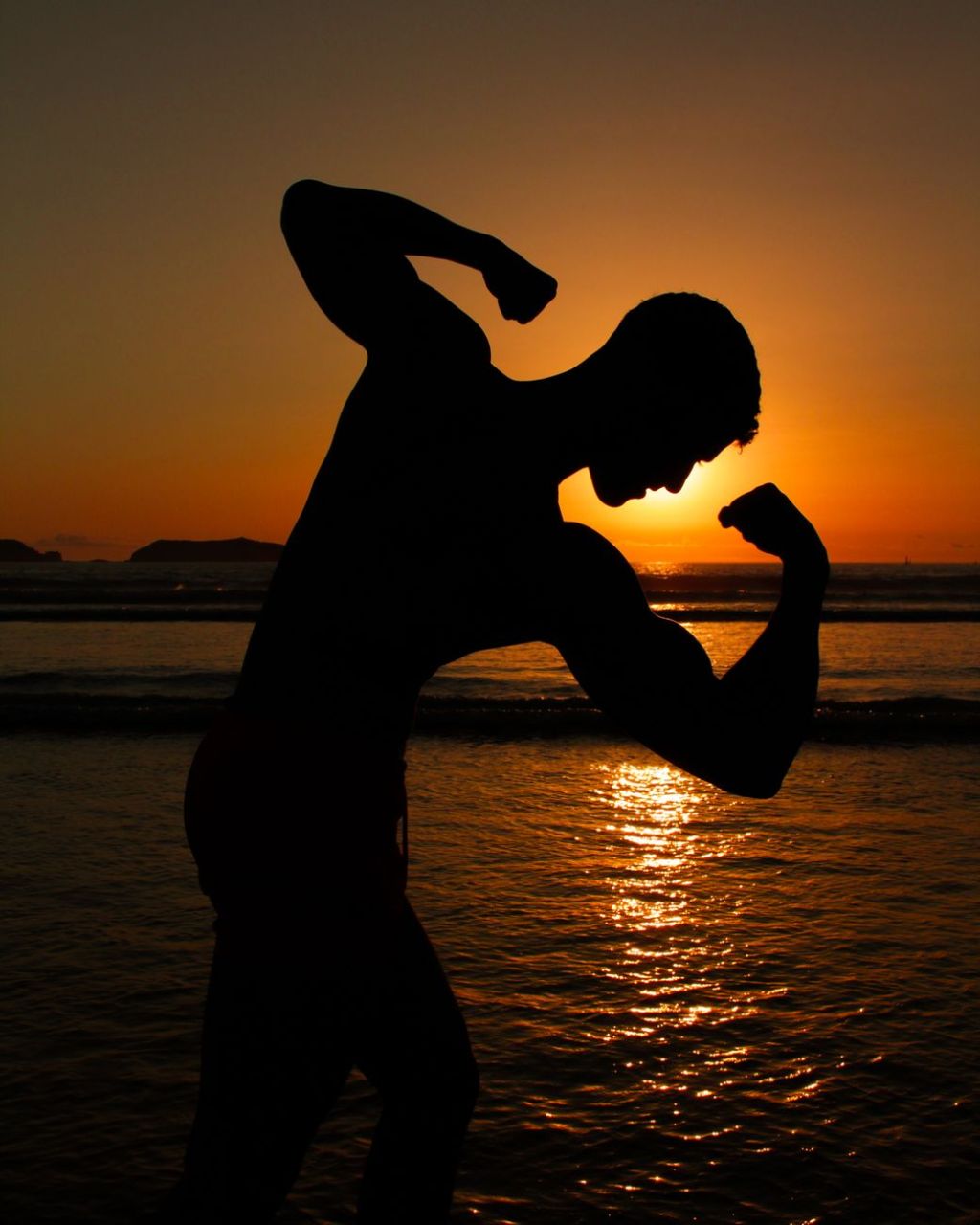
The fireman loaded more than three hundred pounds onto the bench press and began repping the weight with violent authority while the gym filled with the metallic groan of bending steel and testosterone-fueled grunting. After finishing the set, he stood up slowly, breathing hard, then turned toward the mirror and flexed his chest. His pectoral muscles surged outward in thick slabs beneath his skin like fighting pit bulls trying to escape a burlap sack. The sight transfixed him. He stared at his own reflection with awe bordering on spiritual intoxication, as though Arnold himself had briefly entered his body and bestowed upon him a sacred glimpse of bodybuilding glory.
Only fourteen years old, I wanted desperately to follow in the footsteps of the gym’s top bodybuilders. Watching them flex before the mirrors with narcotic self-admiration, I became convinced that muscle was more than tissue. Muscle was salvation. Muscle gave a man sex appeal, authority, confidence, and immunity from humiliation. The massive men roaming the gym floor did not merely appear strong; they looked complete, as if every insecurity, rejection, and private terror had been welded beneath layers of chest, shoulder, and arm development. I wanted that transformation for myself with religious intensity.
So I devised a five-year plan.
By nineteen, I would be huge, shredded, and competition-ready. While other boys worried about homework, driver’s licenses, and awkward conversations with girls, I was calculating protein intake, studying arm measurements, and fantasizing about posing beneath hot stage lights glazed in baby oil and triumph. In my imagination, the crowd would gasp at my physique while judges nodded gravely at the emergence of a new genetic phenomenon. I would no longer be mistaken for a dreamer, a fantasist, or some gawky suburban oddball hypnotized by muscle magazines. No. The contest stage would serve as my rite of passage, the proving ground where I would finally separate myself from pretenders and dabblers.
That was the deeper appeal of bodybuilding: it promised brutal clarity.
Either you possessed the discipline to transform yourself into something extraordinary or you did not.
There would be no hiding behind charm, excuses, intellectual abstractions, or family pedigree. The body itself became evidence. Standing before the mirror at fourteen, I believed with absolute sincerity that if I could build a magnificent physique, I too would become magnificent. I was not training merely to gain muscle. I was training to manufacture an entirely new human being—one who radiated certainty instead of confusion, dominance instead of fear, and purpose instead of longing.
Technically, I did achieve my dream in 1981 when I placed runner-up in the Mr. Teenage San Francisco bodybuilding competition. The seven years of lifting, posing, dieting, flexing, mirror worship, and protein consumption had produced tangible results. I had become one of those bronzed young men standing beneath hot stage lights while judges scrutinized my deltoids as though evaluating military architecture. But this story is not really about trophies, symmetry, or muscle definition. The physique itself, despite all the bulging spectacle, is almost beside the point. What matters is what those years inside Walt’s Gym did to me psychologically. To understand that damage properly, we must travel exactly one week before the competition.
By then I had reduced my carbohydrates to near-starvation levels in preparation for the contest. The strategy worked. My physique looked carved from polished teakwood. Veins twisted across my arms like blue electrical wiring beneath the skin. Every muscle stood out in high-definition relief. But there was an unexpected side effect: my clothes no longer fit. At 180 pounds of deeply tanned and surgically lean teenage flesh, my pants hung off me like borrowed garments from a scarecrow. This required a new wardrobe, which led me one afternoon into the fitting room of a Pleasanton shopping mall clothing store. While I stood behind gauzy curtains trying on slacks with the solemnity of a diplomat preparing for Geneva peace talks, I overheard two attractive young women outside arguing over which one of them should ask me out. They were both beautiful. As far as I was concerned, they were welcome to form a coalition government and date me jointly. The problem was that I had absolutely no idea how to speak to women. That was the tragic oversight in my years at Walt’s Gym. I had trained my biceps, triceps, chest, back, and abdominals with fanatical precision, yet somehow forgotten to develop an actual personality. I could flex my arm and cut glass with the peak of my bicep, but socially I remained underdeveloped, less human than amphibious—closer in spirit to Charlie the locker-room swamp frog than to an emotionally functioning adult male.
Outside the fitting room, the women’s voices became louder and more competitive, as though I were a prize steer at a county fair. Their escalating excitement filled me not with confidence but with terror. I imagined them wrestling each other atop the store carpet in pursuit of the spoils while I remained frozen behind the curtain like a malfunctioning mannequin. This was supposed to be my moment of triumph. Seven years earlier I had entered Walt’s Gym believing muscle would transform me into a magnetic, self-assured Alpha Male. Instead, when confronted with actual female attention, I panicked and projected such overwhelming aloofness that it was like scattering banana peels at my own feet and watching every romantic possibility slip away in slow motion. I appeared arrogant, inaccessible, and full of myself when in reality I was merely frightened—a timid imbecile hiding inside a fortress of muscle.
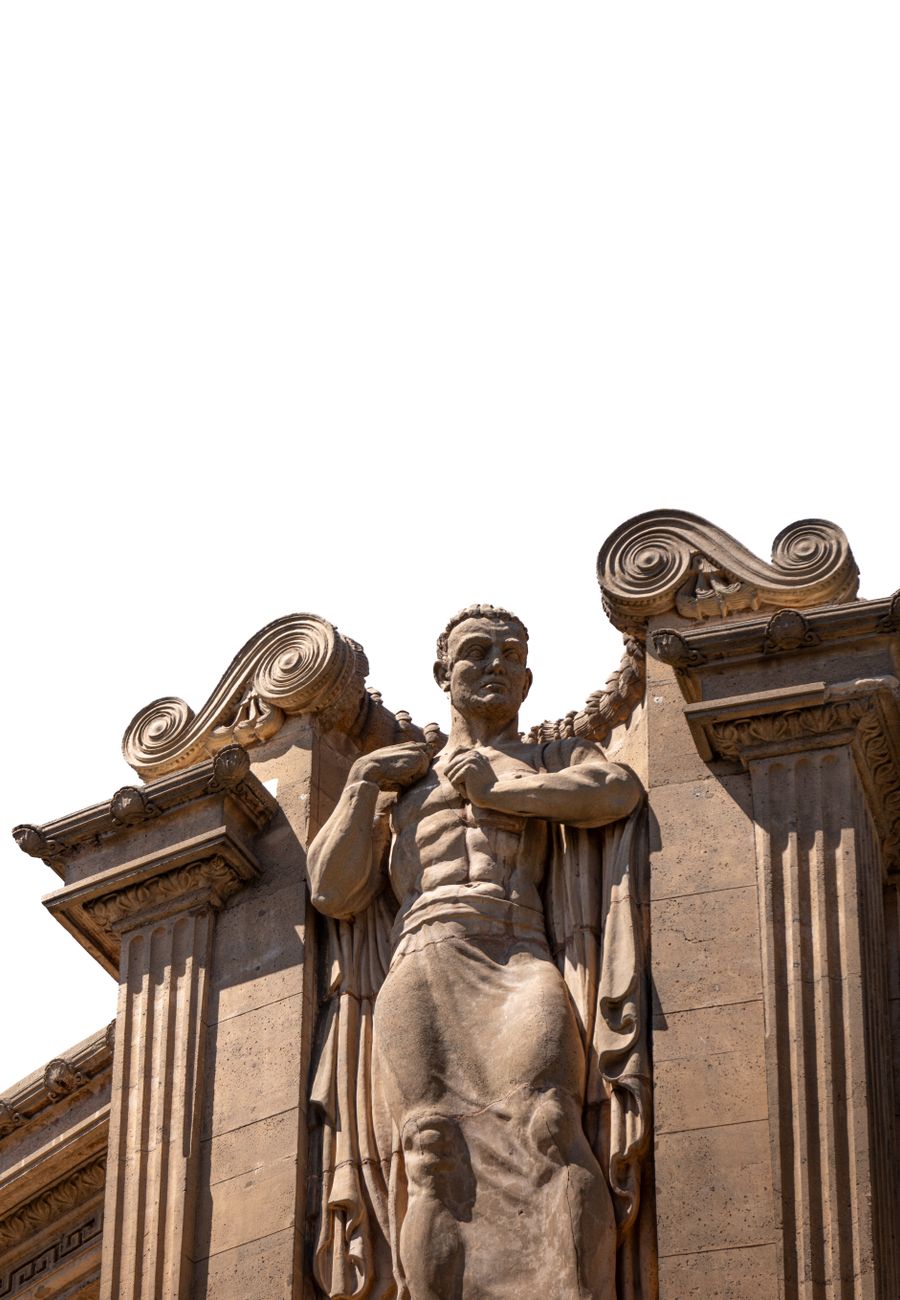
For a brief period spanning my mid-teens into my early twenties, I possessed the kind of looks that would have caused the men featured in Cosmopolitan’s “Bachelor of the Month” spreads to spiral into despair. But physically maturing and psychologically maturing are not the same process, and my emotional development lagged years behind the body I had painstakingly engineered through almost daily resistance training. The entire bodybuilding quest was supposed to culminate in sophistication: a man gliding confidently through life inside custom-tailored Italian suits while women admired his masculine authority. Instead, after years spent among men trapped in varying stages of arrested development, I emerged as a heavily muscled beefcake possessing the personality of a wilted houseplant. I had constructed the body of a Greek god only to inhabit it like a bewildered tourist who had wandered accidentally onto Mount Olympus.
My exterior was complete—bronzed, intimidating, and sculpted to near absurdity—but the interior remained unfinished, a psychological construction site littered with emotional scaffolding and giant WORK IN PROGRESS signs flapping in the wind.



 Cinemorphosis