Tag: life

  • Screen Bilinguals and Screen Natives

    Screen Bilinguals and Screen Natives

    Screen Bilinguals

    noun

    Screen Bilinguals are those who remember Pre-Screen Life and Post-Screen Life and can mentally translate between the two. They know what it felt like to disappear into a book without notifications, to wander outdoors without documenting the evidence, and to experience friendship without performance. They may use screens constantly now, but they retain an embodied memory of undistracted attention and uncurated presence. That memory gives them perspective—and often a quiet grief.

    Screen Natives

    noun

    Screen Natives are those who never lived outside the Attention Economy. They have no experiential baseline for pre-digital reading, boredom, or intimacy. For them, screens are not tools but atmosphere. Experience arrives already framed, shareable, and optimizable. Connection is inseparable from capture, and attention has always been contested territory. What Screen Bilinguals experience as loss, Screen Natives experience as reality itself—neither chosen nor questioned, simply inherited.

    ***

    I am reasonably sure that some of the best memories of my pre-screen adolescence would not survive contact with smartphones and social media. They required a kind of reckless presence that today’s technology quietly sabotages. Every summer from 1975 to 1979, my family—along with ten others—made a pilgrimage to Point Reyes Beach, where the Johnsons’ oyster farm supplied what appeared to be bottomless truck beds of shellfish. From noon until sunset, hundreds of us devoured obscene quantities of barbecued oysters dripping with garlic butter and Tabasco, flanked by thousands of loaves of garlic bread and slabs of chocolate cake so moist they bordered on indecent. Ignoring cheerful warnings about nearby great white sightings, we periodically sprinted into the Pacific, then staggered back to the picnic tables, pecs gleaming with saltwater, to resume eating like mythological beings. In the summer of ’78, I told my parents to leave without me and caught a ride home in the bed of a stranger’s truck. Stuffed beyond reason, convinced I was some minor sea god, I lay under the stars with a gang of people I’d met hours earlier, trading delirious stories and watching the universe spin. No one documented a thing. We didn’t track calories, curate moments, or worry about time. Life simply happened to us, and that was enough.

    Those memories now trouble me. Were they the accidental privilege of being screen-bilingual—raised before devices trained us to perform our lives in public? Does being a screen native quietly thin experience itself by insisting everything be captured, filtered, and offered up for consumption? Free from the reflex to mediate, I could disappear into the moment without irony or self-surveillance. Had I grown up with screens, the day would have demanded angles, captions, and metrics. The magic would have curdled under the pressure to perform. The idea that every experience must double as content strikes me as a curse—a low-grade exile from real life, where spontaneity dies not from malice but from documentation.

  • Ozempification: A Cautionary Tale

    Ozempification: A Cautionary Tale

    The 2025 Los Angeles wildfires, blazing with apocalyptic fury, prompted me to do something I hadn’t done in years: dust off one of my radios and tune into live local news. The live broadcast brought with it not just updates but an epiphany. Two things, in fact. First, I realized that deep down, I despise my streaming devices—their algorithm-driven content is like an endless conveyor belt of lukewarm leftovers, a numbing backdrop of music and chatter that feels canned, impersonal, and incurably distant. Worst of all, these devices have pushed me into a solipsistic bubble, a navel-gazing universe where I am the sole inhabitant. Streaming has turned my listening into an isolating, insidious form of solitary confinement, and I haven’t even noticed.

    When I flipped on the radio in my kitchen, the warmth of its live immediacy hit me like a long-lost friend. My heart ached as memories of radio’s golden touch from my youth came flooding back. As a nine-year-old, after watching Diahann Carroll in Julia and Sally Field in The Flying Nun, I’d crawl into bed, armed with my trusty transistor radio and earbuds, ready for the night to truly begin. Tuned to KFRC 610 AM, I’d be transported into the shimmering world of Sly and the Family Stone’s “Hot Fun in the Summertime,” Tommy James and the Shondells’ “Crystal Blue Persuasion,” and The Friends of Distinction’s “Grazing in the Grass.” The knowledge that thousands of others in my community were swaying to the same beats made the experience electric, communal, alive—so unlike the deadening isolation of my curated streaming playlists.

    The fires didn’t just torch the city—they laid bare the fault lines in my craving for connection. Nostalgia hit like a sucker punch, sending me down an online rabbit hole in search of a high-performance radio, convinced it could resurrect the magic of my youth. Deep down, a sardonic voice heckled me: was this really about better reception, or just another pitiful attempt by a sixty-something man trying to outrun mortality? Did I honestly believe a turbo-charged radio could beam me back to those transistor nights and warm kitchen conversations, or was I just tuning into the static of my own existential despair?

    Streaming had wrecked my relationship with music, plain and simple. The irony wasn’t lost on me either. While I warned my college students not to let ChatGPT lull them into embracing mediocre writing, I had let technology seduce me into a lazy, soulless listening experience. Hypocrisy alert: I had become the very cautionary tale I preached against.

    Enter what I now call “Ozempification,” inspired by that magical little injection, Ozempic, which promises a sleek body with zero effort. It’s the tech-age fantasy in full force: the belief that convenience can deliver instant gratification without any downside. Spoiler alert—it doesn’t. The price of that fantasy is steep: convenience kills effort, and with it, the things that actually make life rich and rewarding. Bit by bit, it hollows you out like a bad remix, leaving you a hollow shell of passive consumption.

    Over time, you become an emotionally numb, passive tech junkie—a glorified NPC on autopilot, scrolling endlessly through algorithms that decide your taste for you. The worst part? You stop noticing. The soundtrack to your life is reduced to background noise, and you can’t even remember when you lost control of the plot.

    But not all Ozempification is a one-way ticket to spiritual bankruptcy. Sometimes, it’s a lifeline. GLP-1 drugs like Ozempic can literally save lives, keeping people with severe diabetes from joining the ranks of organ donors earlier than planned. Meanwhile, overworked doctors are using AI to diagnose patients with an accuracy that beats the pre-AI days of frantic guesswork and “Let’s Google that rash.” That’s Necessary Ozempification—the kind that keeps you alive or at least keeps your doctor from prescribing antidepressants instead of antibiotics.

    The true menace isn’t just technology—it’s Mindless Ozempification, where convenience turns into a full-blown addiction. Everything—your work, your relationships, even your emotional life—gets flattened into a cheap, prepackaged blur of instant gratification and hollow accomplishment. Suddenly, you’re just a background NPC in your own narrative, endlessly scrolling for a dopamine hit like a lab rat stuck in a particularly bleak Skinner box experiment.

    As the fires in L.A. fizzled out, I had a few weeks to prep my writing courses. While crafting my syllabus and essay prompts, Mindless Ozempification loomed large in my mind. Why? Because I was facing the greatest challenge of my teaching career: staying relevant when my students had a genie—otherwise known as ChatGPT—at their beck and call, ready to crank out essays faster than you can nuke a frozen burrito.

    After four years of wrestling with AI-assisted essays and thirty-five years in the classroom, I’ve learned something unflattering about human nature—especially my own. We are exquisitely vulnerable to comfort, shortcuts, and the soft seduction of the path of least resistance. Given enough convenience, we don’t just cut corners; we slowly anesthetize ourselves. That quiet slide—where effort feels offensive and difficulty feels unnecessary—is the endgame of Ozempification: not improvement, but a gentle, smiling drift toward spiritual atrophy.

  • Farewell to the High-Flame Watch Obsession

    Farewell to the High-Flame Watch Obsession

    If someone asks, “Are you still into watches?” the honest answer is yes—but only in the slow-cooker sense of the word. The blaze that once roared is now a gentle simmer. I still enjoy my small, modest collection, but the thermonuclear fervor that once powered my YouTube monologues has cooled to something approaching sanity. For a decade I curated my watch fixation online with the zeal of a man possessed. That’s part of the job: intensity, enthusiasm, obsession on command. You don’t just talk about watches; you produce engagement about the engagement, feeding the ouroboros of social media in which people watch reaction videos about reaction videos reacting to the initial spark. It’s performance art—performance about performance.

    But those days are over. I am retired from the high-flame watch world. Age has something to do with it—priorities recalibrate whether you consent or not. At sixty-four, the thrill of “wrist presence” and the quiet barbarism of masculinity farming with a steel hockey puck strapped to my arm don’t summon the same dopamine. The fantasy of a watch transforming me into a rugged Alpha Male now feels like cosplay designed by an exhausted algorithm.

    The bigger shift, though, is psychological. I haven’t bought a watch in five months. I no longer spray Instagram with daily wrist shots. I no longer agonize over whether to vaporize five grand on this dial or that bezel or which “ultimate rotation” best aligns with my personal mythology. The absence of that noise feels like relief—a weight lifted, a gratitude bordering on spiritual.

    Low-flame mode offers a different kind of bandwidth. I can sit at my desk in the morning with no cravings, no micro-desires, no consumer fantasies tugging at my neurons. I can actually face the quiet—deal with the emptiness directly rather than embalming it with luxury steel. That absence is clarifying. It demands something of me besides swiping a credit card.

    Does low-flame mode mean I’ve quit watches? No—it means I’ve quit a particular orientation toward watches. This essay grew out of a small revelation I had yesterday: you don’t retire from X entirely, and X doesn’t retire from you entirely either. Instead, you negotiate a polite breakup. You acknowledge each other’s contributions, exchange your things, and move on. The High-Flame Watch Obsession and I have parted ways. We won’t be seen in public together again.

    Do I mourn this? Not really. I have complicated feelings, sure, but I don’t feel like Lot’s Wife, craning my neck for one last look at the fever swamp of my own compulsions. Mostly, I feel relieved. Mostly, I feel curious—what will life look like now that my brain is no longer a storage unit for lug widths, torque tolerances, and bracelet micro-adjustments? The quiet is unsettling, but it’s also promising. I finally have room for something else.

  • Flashback to Tony Banks’ “Afterglow”

    Flashback to Tony Banks’ “Afterglow”

    The podcast conversation between Andrew Sullivan and George Packer left me with a kind of Boomer melancholia: the sense that the world is shifting beneath our feet while we stand rooted in place. The young don’t believe in our institutions, our democracy, or our economic promises. We no longer share a common reality; instead, we inhabit digital bunkers curated by conspiracy brokers who can elevate grifters to national power. Boomers—myself included—feel sidelined, stunned, and a little ghostlike as a new world rises and shrugs us off. I carry that heaviness alongside the throb of my torn rotator cuff, which still jerks me awake at two in the morning. My shoulder and my generation feel similarly compromised: stiff, unreliable, and unable to perform the way they once did.

    These thoughts ambushed me this afternoon as I walked into my bedroom to grab my things before picking up my daughters from high school. Out of nowhere, a song from my teens surfaced—Genesis’s “Afterglow,” written by Tony Banks. It appears on A Trick of the Tail, but the definitive version is Phil Collins’s live performance on Seconds Out, where the ache in his voice makes the song feel like a confession. The narrator wakes from a spiritual coma to realize the world he trusted is gone and he’s broken along with it. In that ruin, he yearns to surrender himself to something higher—love, purpose, the purifying clarity of devotion. It reminded me of Nick Cave’s conversation on Josh Szeps’s Uncomfortable Conversations, where Cave describes his own devotional temperament and his hunger for transformation. “Afterglow” feels like the soundtrack to that kind of awakening.

    But not everyone hungers for that kind of epiphany. I’m not sure my heroes Larry David, George Carlin, or Fran Lebowitz would ever have an Afterglow Moment, and I don’t think they should be judged for it. Some people thrive without chasing transcendence. I know that I, like Nick Cave, feel broken in a broken world and remain open to whatever cleansing revelation might come. But I don’t mistake that for a universal template. If I ever had an Afterglow Moment and found myself at dinner with Fran Lebowitz, I’d keep the whole thing to myself. There’s no reason to evangelize the converted—or the happily unconcerned.

  • The Word of the Year Points to the Collective Loss of Our Minds

    The Word of the Year Points to the Collective Loss of Our Minds

    The Word of the Year is supposed to capture the moment we’re living in—our collective mood, our shared madness. As Amogh Dimri explains in “Rage Bait Is a Brilliant Word of the Year,” we’re no longer defined by reason or restraint but by whatever emotion the attention economy yanks out of us. Dimri reminds us that 2023 gave us rizz and 2024 bestowed brain rot. In other words, when our brains aren’t decomposing from endless scrolling, we’re wide awake and quivering with unhinged outrage. This may explain why I now hate driving more than folding laundry or going to the dentist. The roads are filled with people whose minds seem equal parts rotted and enraged—and the algorithms aren’t helping.

    Dimri cites the Oxford English Dictionary’s definition of rage bait as “online content deliberately designed to elicit anger” in order to goose traffic and juice engagement. An elegant description for something as crude as poking humanity’s collective bruise.

    Critics complain that Oxford’s online voting process indulges the very brain rot it warns us about, but I’m with Dimri. Oxford is right to acknowledge how digital speech shapes culture. Ignoring these terms would be like pretending smog doesn’t count as weather. Rage bait is influential because it packs the whole human condition—weakness, manipulation, and political dysfunction—into two syllables. And, as I’d add, it also produces drivers who treat the road like a demolition derby.

    As for predecessors, rage bait didn’t appear out of thin air. Vince McMahon practically drafted its blueprint decades ago. His wrestling empire ran on kayfabe, where performers wore the mask of rage so long they eventually believed it. Something similar has infected our online discourse. The performance swallowed the performer, and here we are—furious, fragmented, and algorithmically herded into traffic.

  • For Twenty Years, Regret Drove My Watch Hobby

    For Twenty Years, Regret Drove My Watch Hobby

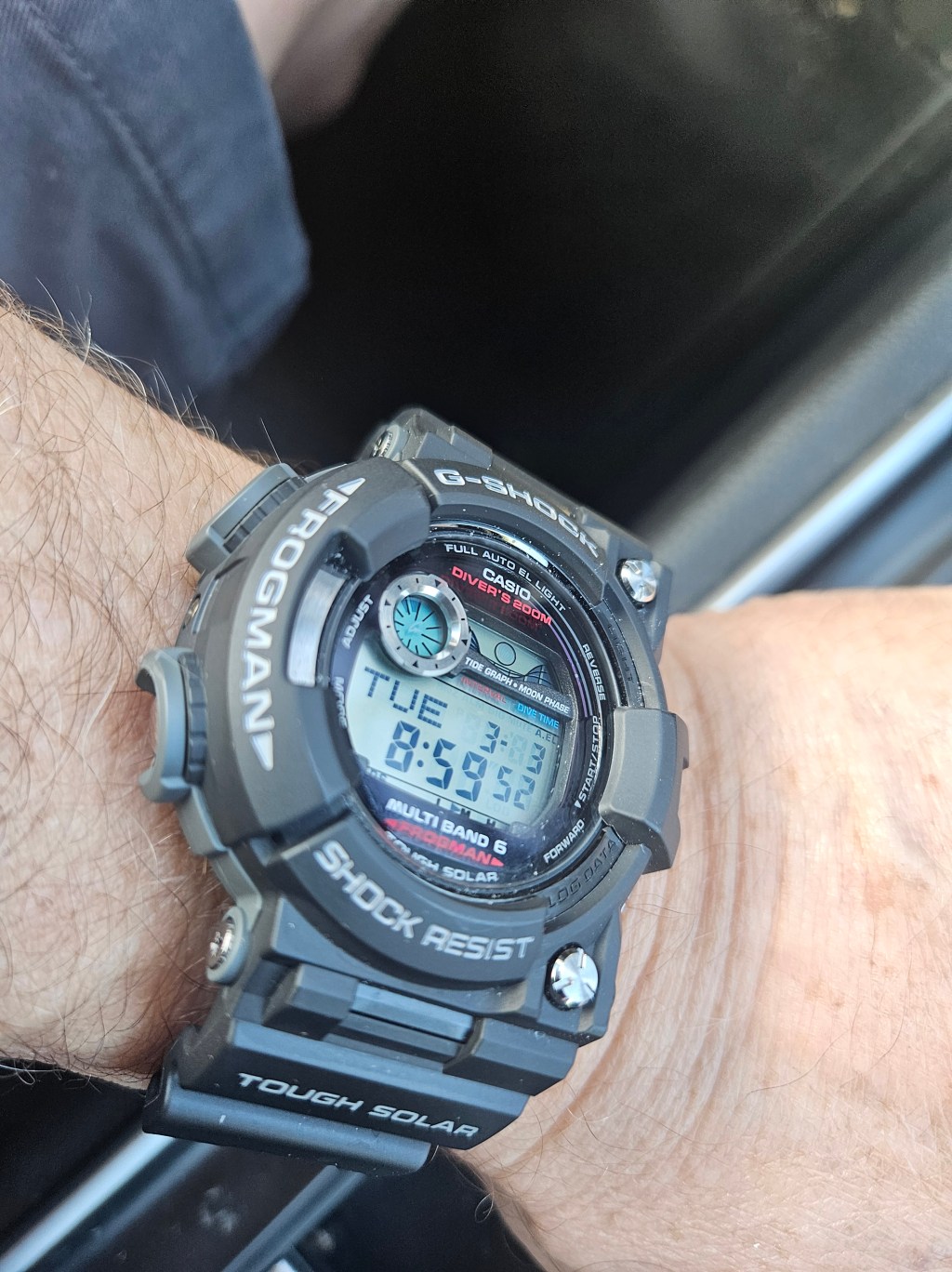
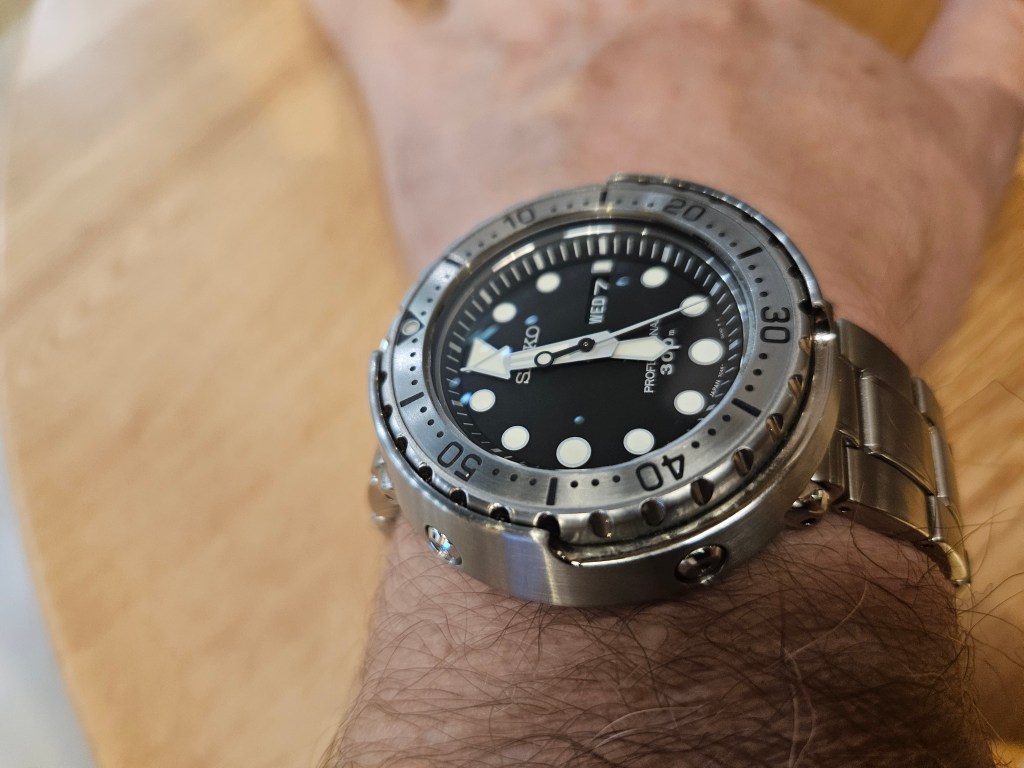
    I’m four months into shoulder rehab for a torn rotator cuff, and I’m sad to report that after laying off Motrin for 36 hours, the pain and inflammation came roaring back in my left shoulder. Not surprisingly, during these last four months of shoulder obsession, my watch obsession has taken a back seat. About a month ago, I did a brief experiment with my collection: I put bracelets on three of my Seiko divers. That lasted less than a week. All seven of my divers are back on straps.

    I’m not currently buying or selling watches, and I don’t have much left to say about my collection that I haven’t already said. But my all-consuming watch obsession has transferred to healing my shoulder, and that distance from the hobby has given me a few insights I didn’t have before. I realized I’m not just a watch addict. If I peel back the layers beneath the shiny timepieces, what I’m really addicted to is regret. For twenty years, regret drove my watch hobby. The thrill wasn’t owning a new diver; it was convincing myself I’d bought the wrong one. I always needed something better, so I’d sell the old one and replace it with a new model. Then one of two things would happen: I’d miss the old one or want to replace the new one with something even newer. Either way, regret was the engine. I was constantly second-guessing myself and spinning my wheels. My watch hobby became a soap opera with the same tired plot: What Could Have Been.

    Regardless of the purchase, I was overwhelmed with regret. I bought watches that were too big, too small, too dressy, too blinged-out—each one a personalized regret grenade.

    Letting the collection creep past seven was another fiasco. Anything over that number triggered what I call “Watch-Rotation Anxiety,” a condition where choosing a wristwatch feels like negotiating a hostage release.

    When the regret overwhelmed me, I tried to smother it with another purchase. A new watch fed my brain with fresh dopamine and adrenaline, but it was just a band-aid. Regret always returned.

    As I descended into this regret-feedback loop, I entered a phase I call Gollumification. Gollum didn’t turn into a demon overnight—his soul disintegrated over centuries. Like a Holy Grail diver watch, the Ring promised specialness, superiority, and shortcuts to power. He committed desperate acts to keep it. He murdered and then lied to himself about why. Clinging to the Ring as his last scrap of identity, he withered into a sad, lonely creature.

    That’s why Gollumification resonates today—it’s a slow-motion collapse. You don’t need the Ring to become Gollum. Any addiction will do. Isolate yourself, feed an obsession, and treat your desires as the only truth that matters. Eventually, the human being disappears and Gollum takes over.

    So has this distance from watches cured me of my inner Gollum? No, not really.

    I’m still addicted to the soap opera of regret.

    Regret addiction is very real for me. I’m going through it right now, but not with watches—this time it’s computers. I spent six months researching a desktop to replace my seven-year-old Windows laptop. Recently, I bounced back and forth between a small form factor Windows machine and a Mac Mini. I ended up buying two Mac Minis—one for me and one for my wife. She’s fine with hers because she’s used Mac OS for the last decade, but I’ve been on Windows.

    For the last three days, I’ve hated my life. The Mac Mini is a great computer, but I miss Windows. I miss the way Windows accepts all my peripherals—mechanical keyboards, printers—without any fuss. I don’t feel at home on Mac OS at all. I’m actually using Google Chrome on my Mac Mini. Why? Because I’m homesick for Windows. It’s like the American who goes to Paris and misses home so much he goes to McDonald’s just to feel normal again.

    That’s where I’m at. I’m overcome with regret.

    Here’s how bad it is: Yesterday, after my workout, I wanted to get on a computer for fifteen minutes before taking a nap, and I didn’t want to use the Mac Mini. I resented it. So instead I went into my room and used my old Windows laptop—just to get a taste of home.

    My engineering friend Pedro is coming over this weekend to help me connect my peripherals to the Mac Mini and teach me how to use the command keys on my mechanical keyboard so I can feel more comfortable. He assures me the regret is temporary, a necessary transition that will fade as I acclimate to the Mac Mini.

    We shall see. The thing is: I think I’m addicted to regret.

    All of us are. Go on watch-message boards and you’ll see watch obsessives crying for help—paralyzed by indecision, regret, self-doubt, and lost Holy Grails.

    I suspect the watch hobby is just a proxy for the human hunger for high stakes. If you’re full of regret, the drama makes you feel like you’re in a meaningful battle. You’re a man living too comfortably inside the cave with your WiFi, your Internet, your Netflix, and your Cocoa Puffs. You need adventure. You need a deep-sea diver on your wrist while navigating Google just to feel like you’re sailing the Seven Seas.

    Regret is the soap opera of suburban man. He’s trapped in his cave and wants to escape, but he also wants to avoid traffic—so he’s stuck. To escape his confinement, he creates soap operas in his mind. And in doing so, he discovers that regret is a powerful tool. It fuels his watch addiction, and when that addiction quiets down, the hunger for regret leaks into other decisions: Windows or Mac, Honda Accord or Toyota Camry, Thai or sushi.

    Regret makes inconsequential decisions feel consequential. When we confront this truth, we see how ridiculous we are.

    It’s time to turn the page and move on to the next chapter. I just hope the next chapter is one without a sore shoulder.

    That’s it. I can’t go on anymore. I’m overcome with regret.

  • The Torn Rotator Cuff, Watch Regrets, and Gollumification

    The Torn Rotator Cuff, Watch Regrets, and Gollumification

    I’m three months into shoulder rehab for a torn rotator cuff, and I’m finally getting close to making another video for my YouTube channel. I’m not buying or selling watches, and I don’t have much left to say about my collection that I haven’t already said. But the slow, tedious obsession of coaxing my left shoulder back to life has given me a strange gift: distance. That distance from the watch addiction has created a few insights I didn’t have before. A video essay forces me to confront those insights, not just type them into the void. Writing the essay is like benching 200 pounds for eight reps—respectable, tidy. Filming the video is 300 pounds for fifteen: heavy, ridiculous, and somehow spiritually necessary. I’m a lifelong weightlifter who invents dubious personal metrics to quantify “quality of life.” It’s pathological, but it’s mine.

    As the shoulder rehab dragged on, a realization hit me with the subtlety of a kettlebell to the teeth: my watch hobby was never just an addiction to watches—it was an addiction to regret. The thrill wasn’t owning a new diver; it was selling the old one, instantly regretting it, and staging an internal soap opera about what could have been. I bought watches that were too big, too dainty, too dressy, too gaudy—each one its own personalized regret grenade. Letting the collection creep past seven watches was another fiasco. Anything over that line triggered what I call “Watch-Rotation Anxiety,” a condition where choosing a wristwatch felt like negotiating the release of hostages.

    When the regret swelled, I tried to smother it with another purchase. New watch, fresh dopamine, quick emotional triage. The relief never arrived. The cycle darkened and tightened, and I entered a phase I call Gollumification. Gollum didn’t collapse in a single catastrophic moment—his soul thinned over centuries. The Ring promised specialness, superiority, shortcuts to power. He murdered, then lied to himself about why. Clinging to the Ring as the last scrap of identity, he withered: body shrinking, language breaking, morality dissolving into compulsive self-justification. That’s why Gollumification resonates today—it’s the slow-motion collapse. You don’t need a cursed artifact to become Gollum. Just isolate yourself, feed an obsession, and treat your desires as the only truth that matters. Eventually, the human being disappears. Only the craving remains.

    For four months, I’ve lived without that watch-ring around my neck. I feel relief. The Gollumification, at least in that realm, has paused.

    Unfortunately, demons don’t retire; they migrate. The regret addiction simply found another host. I spent three months researching a desktop to replace my seven-year-old Windows laptop, bouncing endlessly between a Lenovo business tower and a Mac Mini. I finally chose the small form factor and efficient M4 chip, then immediately began interrogating myself. Why abandon eight comfortable years of Windows just to move into the cramped hotel of Mac OS, where the mattress is lumpy and the concierge shrugs?

    After days of melodrama, I realized that in a week I’ll be acclimated to the Mac Mini. Besides, if I had bought the Lenovo, I’d be regretting not getting the Mac. Regret is a snake with two fangs: it bites whether you go left or right.

    Here’s the truth I’ve been avoiding: I am addicted to regret. It makes me second-guess everything. It freezes me in the past, clouds the present, and sabotages the future. That is the heart of Gollumification—not the obsession itself, but the paralysis of compulsive doubt.

    So I’m using this rehab period to hunt the addiction at its source. I’m trying to see it clearly, resist it, and move forward without pandering to the demon that wants me to rewind every decision.

    Because if my YouTube content simply replays my “greatest hits,” then I’m not a creator—I’m Muzak in a grocery store. The kind that whispers, “You may have woken from a coma, but please return to it.” I can do better than that. If I can’t, if I’m nothing but a jukebox endlessly replaying my own past, then I should retire, crack open a beer, devour apple pie, and watch Gilligan’s Island reruns with my spiritual sponsor, Gollum. He and I can cradle our Seiko divers, lament the third-gen Monster that slipped through our fingers, and harmonize to Gilbert O’Sullivan like two addicts in a karaoke bar built out of broken dreams.

  • A Torn Rotator Cuff Is an Eviction from Paradise

    A Torn Rotator Cuff Is an Eviction from Paradise

    A torn rotator cuff turned me into a petulant adolescent in a sixty-four-year-old body. I stomped around the house muttering, “I don’t want to be sixty-four. I want to be sixteen.” My mind went backwards, desperate for the simpler theology of youth. I remembered the golden afternoon my father drove me to San Francisco to see the 1977 premiere of Pumping Iron. Arnold Schwarzenegger was more than a bodybuilder; he was a secular god of eternal optimism and immortal sinew, a bronze statue come alive to assure troubled boys like me that discipline and a protein shake could conquer the universe.

    I inhaled that movie like scripture. Mike Mentzer became my Saint Paul; Arnold was my Messiah. I tanned religiously at the beach, layering banana-coconut oil on my chest like a fragrant magical elixir. After a workout, my pecs and biceps ballooned into two radiant promises of self-confidence. I would come home euphoric, still buzzing from the iron. My mother, who had only known me as a brooding kid with a permanent rain cloud, once looked at me and asked, “Did you fall in love? You look so happy.”

    I had fallen in love—with iron. Pumping iron was my El Dorado, my personal Fountain of Youth. I borrowed my motto from a forgotten champion in Strength & Health: “As long as God gives me the power to breathe, I will work out to my dying days.”

    But what happens when God stops lending you the breath you need? What happens when the garage—my sanctuary, my temple of kettlebells and dumbbells—becomes forbidden terrain? A torn rotator cuff is an eviction notice from paradise. Suddenly, I wasn’t a mystic of muscle—I was a sixty-four-year-old with a crippled shoulder. I pitied myself like a toddler denied candy.

    The nostalgia was seductive. I wanted to crawl back through time to the late seventies and wrap myself in the cinematic glow of Pumping Iron. But nostalgia is the Devil’s lure. Lot’s Wife looked back once, and the universe crystallized her into a shaker of driveway salt. If I kept staring at the past I’d become the same: frozen, brittle, lifeless. Moving forward was no longer inspirational—it was survival.

    Phil Stutz, in his book Lessons for Living, makes the same argument without biblical theatrics. To be fully alive, he says, you must move forward. His chapter “Just an Illusion” is a scalpel to the throat of consumer culture: reality is struggle, pain, and constant work. But the culture we live in insists that happiness is an on-demand product—a smoothie of ease, dopamine, and perpetual comfort. If you don’t have it, the problem is you.

    This illusion is comically persistent. We spend our lives chasing it like gamblers who “almost won last time.” We train harder, earn more, buy more, upgrade constantly—believing that one more paycheck, one more gadget, one more dollar will finally transport us to the utopia of optimized living. It never arrives. We try again. The illusion endures.

    The media parades its demigods to keep the fantasy alive. They are beautiful, wealthy, self-assured, and cosmically adored. Their bodies are perfect; their futures are certain; their Instagram bios glow like prophecy. They live outside Stutz’s five brutal facts of reality, and so they are not human—they are hallucinations.

    And here I was, injured and marinating in the opposite myth: I am not the optimized self. My shoulder is a wreck. Therefore, I am a loser. The recovery will be incomplete. It will be permanent. I will never be whole again. Therefore, why go on?

    This is the psychological trap of real injury. It does not simply hurt the body—it hacks the mind. It whispers doom so convincingly that you start to believe your life is a long prologue to defeat. My rotator cuff isn’t just testing the limits of my shoulder; it’s testing the limits of my mental durability. And some days, I fear I am failing the exam.

  • Misaligned with the Modern World

    Misaligned with the Modern World

    My torn rotator cuff was a warning of something I should have seen coming: creeping toward your mid-sixties is less a rite of passage than a crisis of competence. Or, to be precise, it’s a progressive misalignment with the modern world. You drop references to Danish Go-Rounds, Screaming Yellow Zonkers, Tooter Turtle, Super Chicken, and All in the Family and watch blank faces stare back at you. You still assume that appliances are built with the sturdiness of yesteryear, only to find that today’s models disintegrate if you breathe on them sideways. This misalignment breeds a special kind of incompetence—egregious, preventable, humiliating.

    You can swallow vats of triglyceride omega-3 fish oil, but the short-term memory still slips away without mercy. You forget where you parked your socks (on the couch), that you meant to watch the final episode of that crime docuseries on Netflix, that a Costco-sized case of 12-gallon trash bags lurks in the garage, or that you already ground tomorrow’s coffee beans. The indignities pile up like unopened mail.

    These lapses, coupled with your fossilized references to extinct foods and beloved TV shows, render you a creature out of phase with the universe—an alien with wrinkles, blinking in confusion, flashing your unearned senior discount at the box office like it’s a badge of relevance.

    You can flex all you want against this verdict. Wolf down 200 grams of protein daily, clang kettlebells in the garage, and polish yourself into the semblance of a beaming bodybuilder who could pass for forty-four instead of sixty-four. But that delusion ends the second you get behind the wheel at night. Your depth perception is a cruel joke. The glare of headlights and streetlamps slices into your worn irises like laser beams, reminding you that biology—not discipline—is running the show.

    Like it or not, you’re aging in real time, a public spectacle of decline, the unwelcome prophet of mortality who shatters the younger generation’s illusion that time is indefinite. To them, you are as pleasant a presence as a neighbor’s dog barking at a squirrel at six a.m.—loud, unnecessary, and impossible to ignore.

    Congratulations–you’ve become the world’s unwanted alarm clock.

    My sense of misalignment with the world—along with the creeping incompetence that tags along with it—hit me square in the jaw in late September 2025, one month shy of my sixty-fourth birthday.

    It happened on a Saturday evening. My wife, a spring chicken at fifty, had night-driving duty, which now includes chauffeuring our teen daughters to and from Knott’s Berry Farm at closing time. She can handle glare and depth perception; my irises, however, are shot, so I stay home.

    Before leaving, she reminded me she’d be back in ninety minutes with not only our daughters but two of their friends, who would pile into the living room for a horror movie called Weapons. My task was humble: BLTs for the horde. She had assembled the sourdough, bibb lettuce, mayonnaise, and beefsteak tomatoes. All I had to do was bake two packages of turkey bacon. I asked when to start. She told me: cook it at five, eat my dinner alone, and she’d prep sandwiches for herself and the kids when they returned. And, since the girls had dibs on the living room, she and I would retreat to the bedroom to watch TV.

    So I dutifully cooked the bacon (in one tray, but we’ll get to that), made myself a sandwich, and felt ridiculously proud. I had suggested adding BLTs to our dinner rotation and here was proof that my idea, embraced by my family, tethered me—however briefly—into alignment with them.

    I capped off the meal with apple slices and mission figs, then decided to test the three-year-old Samsung QLED in our bedroom, which hadn’t been turned on since I’d moved it from the living room. That spot had been usurped by our new LG OLED. The LG was fine, except its remote summoned a ghastly leaf cursor on-screen, forcing you to point and shoot instead of just pressing buttons. A tremor in the hand and you’d select the wrong thing. Still, we had it tuned to Cinema Mode to dodge the dreaded “soap opera effect,” and the LG performed well enough.

    Around six p.m., I plopped on the bed and powered up the Samsung. To my horror, half the screen was draped in black vertical lines, like a digital funeral shroud. The likely culprit? With a torn rotator cuff in my right shoulder, I stupidly did a solo clean-and-jerk onto the dresser—an Olympic lift without chalk, belt, or applause. The pain in my left shoulder was minimal. However, the impact probably fractured the TVs internal circuits invisible to the eye. Or perhaps a ribbon cable had shaken loose from the T-Con board, the kind of thing you might fix if you were comfortable performing micro-surgery with tweezers. I am not. That Samsung was marched to my office and exiled to the growing eWaste Waiting Area, a mausoleum for electronics that had lost their duel with me.

    But I was not done failing. I headed to my daughter’s room for Samsung Number Two—a two-year-old set I’d given her after last week’s reshuffling. The plan: reclaim the Samsung, and saddle her with the eleven-year-old 43-inch LG, which weighs twice as much as the supposedly bigger Samsungs.

    Hubris, however, is a loyal companion. Samsung Number Two sat high on her dresser. I approached like a gorilla in a hurry, arms eagle-spread. My right thumb betrayed me: it pressed into the panel with a sickening crackle, leaving a dent in the digital flesh. In a fit of magical thinking, I told myself, “It probably bounced back.” Reality arrived the moment I powered it on: fresh black lines glared from the wound, precisely where my Hulk thumb had struck.

    Two lessons seared themselves into my brain in those five minutes. First: modern TVs are absurdly fragile, delicate to the point of parody compared to their beefy ancestors. Second: I am unspeakably stupid.

    When my wife came home, the girls claimed the living room. She inspected the bacon and recoiled. “You didn’t spread it out,” she scolded. “You piled it on one tray. You should have used two.”

    “But two trays don’t fit in the toaster oven,” I countered.

    “Use the big oven.”

    “The bacon was fine,” I insisted, noting how transcendent my sandwich had been. She remained unmoved, cooked another batch herself, and then I broke the news about the TVs. She immediately texted her friends, who replied with the rolling-eye emoji. She rarely shares the emojis her friends lob back at my antics, but even she couldn’t suppress this one.

    The next morning, I texted my engineering friend Pedro, who invited me to lug the broken Samsungs to his place. He loaded them into his car and promised to take them to his jobsite’s eWaste disposal. That act of disappearance soothed my wife. For closure, I bought a $300 Roku TV for the bedroom. This time, no clean-and-jerks—just white velvet gloves.

    And no grunting.

    But the adjustments keep coming. I’ve learned not to talk too loudly in the morning while the twins sleep. I remember to rest my thumb on the bathroom lock so the door doesn’t fire off a pistol-crack at 2 a.m. during a bladder run.

    Still, no matter how many tweaks I make, I feel perpetually out of alignment. My torn rotator cuff reminds me that I am an old car with bald tires: once-grippy treads worn down to slick rubber, skidding across every patch of life. Just as a car with crooked alignment wobbles down the road, tugging against the driver’s will, so too does an old soul with fading memory and fossilized references lurch out of sync with the modern world. Both make unsettling noises, both grind themselves into uneven wear, and both provoke the same grim thought in bystanders: maybe it’s time for a realignment—or at least a new set of wheels.

  • A Cure Worse Than the Disease

    A Cure Worse Than the Disease

    Be careful what you wish for. I spent twenty years begging the universe to cure my watch obsession, one that caused me to blow several thousand dollars a year on diver watches I’d unbox for my YouTube followers, flip, rebuy, and then sell again—a watch-obsessive’s fever dream. For twenty years, I tried to get off the hamster wheel of crazy, but the powers of social media and diver-watch eye candy kept pulling me back in.

    I finally got my cure: a torn rotator cuff. In late August of 2025, I remember lying on my back and doing single-arm, 50-pound kettlebell presses. I didn’t feel anything severe, just a tightness in my left shoulder.

    The next day, my left shoulder felt like a disgruntled rental car—everything squeaked, nothing moved smoothly, and I dreaded putting my arm through a sleeve.

    I knew what a torn rotator cuff felt like. I’d had them in both shoulders three times in my life. The first was when I was a thirteen-year-old Olympic weightlifter. On a rainy day in PE, the teacher, Mr. Bishop, had us play “volleyball” with a giant 72-inch Earth Ball, and when I tried to hit it with my right arm, the arm went backward and I was out of weightlifting for nine months.

    In the mid-nineties and early two-thousands, it happened twice more during heavy bench presses. Both occurrences took about nine months to heal.

    So I knew what I was dealing with. Usually, I’d need nine months.

    Of course, I had to modify my workouts into physical therapy sessions where I stare at resistance bands as if they’re punishment devices from a Stalin-era prison camp.

    The pain seemed to be more intense after workouts. I thought of ditching them altogether, but I read that no activity could lead to muscular atrophy and render the shoulder frozen and immobile. I wasn’t sure, though. How big and deep was the tear? Was my age—now 64—a factor working against me? Why did the rehab exercises performed by medical doctors on YouTube make my shoulder feel worse?

    These questions took up all my mental bandwidth, rendering my watch obsession nil. Wanting a healthy shoulder, I would gladly trade every diver, every limited edition, every bracelet and waffle strap for a shoulder that didn’t scream like a violin in a garbage disposal. So yes—my addiction was cured. Unfortunately, the cure was worse than the disease.