Tag: vegan

  • How to Shut Up a Yacht Critic: Feed Them Into Oblivion

    How to Shut Up a Yacht Critic: Feed Them Into Oblivion


    My wife and I have been watching the current season of Below Deck Mediterranean and have been impressed with the consistent food preparation of the eccentric chef Josh Bingham. He stormed off the boat when one of the charter guests, Carlos, lectured Josh on his inferior vegan fare. Too much starch, not enough creativity, not enough this, not enough that. One of the excruciating pleasures of this show is watching people whose expectations run so high that they become obnoxious. They spent so much money, they feel entitled to push the chef and other crew members to extremes in order to justify the price of a premium yacht adventure. 

    Josh’s food on this charter looked disappointing, a melange of mediocrity. The meals had no identity. He was trying to please too many palates. 

    One thing occurred to me: There are always a few vegans who charter these yachts. Some are more fake than others. They want the vegan halo but not the vegan austerity. In other words, they want rich, decadent meals, just as inviting as steak and lobster. They crave butter-rich sauces, glazed proteins, and seductive textures, only delivered via tofu and oat milk so their consciences remain stainless.

    Therefore, if I were Josh or any chef on one of these luxury yachts, I would have an emergency toolkit of go-to rich and decadent vegan meals. One that immediately comes to mind would be Thai peanut Satay with fried tofu and white rice. Serve it with Sichuan green beans and broccoli lacquered in sesame oil, give them some fresh sesame rolls dipped in olive oil and garlic, and that would surely shut them up and induce them into a long, satisfying nap. 

    If I were a chef on this show, I would want to create food so luxurious, decadent, and soothing, it would induce the charters into a deep sleep and thereby allow me and my fellow crew members to take a well-deserved break. 

  • The Difference Between Thriving and Withering on a Vegan Diet

    The Difference Between Thriving and Withering on a Vegan Diet

    Like many people, I want to believe that a plant-based diet can deliver optimal nutrition for everyone—from casual gym-goers to powerlifters and elite athletes. It’s a hopeful vision: strong bodies built on beans and lentils instead of beef. But a memory from 2019 lingers in my mind and keeps me cautious.

    That year I had a nursing student in my class. She was sharp, disciplined, a straight-A student who also worked as a personal trainer at Gold’s Gym. On top of all that, she was a powerlifter. Under the guidance of an experienced coach, she decided to go vegan. For the first several months, everything looked fine. But after about nine months, the cracks showed. Her skin grew pale, her training stalled, she felt weak and lightheaded, and worst of all—her hair began to fall out in clumps. When she abandoned the vegan diet, her health rebounded.

    At the time, I didn’t know what I know now. Maybe she was missing key amino acids like lysine or leucine. Maybe she wasn’t using vegan protein powders that could have filled the gap. Maybe she didn’t know that a vegan diet contains no creatine at all, and a simple 5-gram daily supplement might have made the difference. The truth is, neither of us will ever know.

    This is what haunts me: a vegan diet can be excellent for cardiovascular health and a powerful humanitarian stand against factory farming, but only if it’s done with knowledge and precision. Done carelessly, it can lead to exactly what my student experienced—decline, weakness, and disillusionment.

    I can’t know for certain whether a few smart adjustments would have allowed her to thrive. But I can’t shake the suspicion that with the right tools—a quality vegan protein blend, a steady supply of B12, an algal omega-3 supplement, and a scoop of creatine—her story could have ended very differently. Instead of decline and disillusionment, she might have been proof that a plant-based diet, done right, can power even the most demanding athletic lives.

  • Confessions from Planet Soy: A Vegan’s Double Life

    Confessions from Planet Soy: A Vegan’s Double Life

    On your vegan planet—a lonely sphere orbiting light years away from your family’s meat-slicked universe—you begin the day with your ritual bowl: buckwheat groats buried under vegan protein powder, drowned in plain soy milk, jeweled with berries, peanuts, walnuts, and a dusting of cinnamon. To wash it down, you baptize your dark roast coffee with soy milk and stevia, a brew that tastes like contrition disguised as virtue.

    Next comes your supplement sacrament: creatine, magnesium, B-12, turmeric, algal oil omega-3. You don’t take pills—you swallow the illusion of control.

    After your workout, tofu takes center stage—sautéed over cucumbers, peppers, and arugula, slicked with balsamic, buried under nutritional yeast, Calabrian chili sauce, and herbs. Beans are optional, as though this carnival of legumes were still missing a clown. Alternatively, cube the tofu, simmer it in Thai peanut sauce, and pretend it’s indulgent.

    Post-nap comes the protein potion: more powder, more soy milk, leftover tofu blitzed in the blender, maybe apple slices draped in nut butter. You tell yourself this is food; your ancestors might call it penance.

    Dinner is a coin toss: tofu tacos loaded with vegetables, or the trusty oatmeal rerun—protein powder, berries, peanuts, soy milk. Meanwhile, across the table, your omnivorous family devours salmon, chicken, and spaghetti and meatballs. You watch the plates like contraband. Temptation comes later, as you clear dishes: a forkful of salmon swallowed in secret, or chicken “accidentally” folded into tomorrow’s tofu salad.

    And then? The halo slips. You tumble from vegan heaven into flexitarian purgatory, the dietary halfway house for frauds, traitors, and the morally spineless. Yet you persist. This new regimen gives you clarity, structure, and—against all reason—happiness. Whether that happiness is genuine or the first symptom of nutritional madness, we’ll investigate another day.

  • Letter of a Reluctant Vegan

    Letter of a Reluctant Vegan

    Dear Family and Friends,

    My conscience has dragged me, kicking and screaming, into veganism—at least in the realm of eating. I’m not claiming sainthood. There will still be leather on my belt and my chair, but food is the resource I consume daily until I croak, so food is where the battle line is drawn.

    Frankly, it feels absurd to have to write this letter. What am I supposed to do—show up at your barbecue with a thawed hockey puck of a veggie burger and no explanation? Consider this fair warning.

    I don’t pass judgment on those who can’t afford the luxury of organic lentils, nut butters, and vegan supplements. I judge only myself. I have the means. I have no excuse.

    For my Christian in-laws, who may brand this heresy, I’ll admit: Scripture says God gave us animals for food, and Jesus Himself ate fish. But tell me—do you really see Jesus slurping down a farm-factory tilapia raised in ammonia haze, or God green-lighting slaughterhouses where conveyor belts double as hell’s architecture? I don’t.

    Yes, animals in antiquity suffered in the kill, but the industrial scale today—the torture factories, the mass indifference to pain—requires a numbness of conscience that is staggering. Hunting is one thing. Outsourcing the deed to workers inhaling ammonia until their fingernails fall off is quite another.

    I can already hear the rebuttal: “Why fret over animals when humans suffer?” To which I reply: false dilemma. I can care about both. Just as I can walk and chew gum, I can oppose sweatshops and factory farms.

    Still, I know my silence won’t protect me. Even if I never lecture, my plate of tofu will speak volumes. My very behavior will look like an indictment. Mockery is inevitable.

    And sure, I could rationalize my way back. It would be easier to eat one family meal instead of making them salmon while I steam buckwheat groats. I could shrug and say, “The animals are doomed anyway, so I might as well enjoy them.” I could hide behind biology: “I’m an omnivore; meat is natural; animal protein is more bioavailable.” But to do this would be cowardice—a lazy suppression of conscience.

    I owe my family the best version of me, not the morally diminished one. So here I stand, vegan plate in hand. The road is awkward, lonely, and a little ridiculous, but it’s the road my conscience demands.

  • When Your Tofu Judges Your Family

    When Your Tofu Judges Your Family

    Let’s say your guilty conscience finally gets the better of you. You can no longer justify devouring Thai-glazed chicken tenders, Mongolian beef, or coconut-curry fish stew while imagining the farm-factory horror that produced them. So you make the noble pivot: buckwheat groats for breakfast, organic nut butter toast, tofu and tempeh sizzling over cucumbers and arugula, and two daily scoops of plant-based protein powder to cover your macros. Milk? Gone. Soy in your coffee now, because conscience trumps cream.

    Do you miss meat? Absolutely—especially when your neighbor fires up the barbecue and the smell of charred ribs floats over the fence like weaponized nostalgia. But you march on, telling yourself that your cousin’s cardiologist called a vegan diet the “gold standard” for heart health.

    And yet, your cravings turn out to be the easy part. The real battlefield isn’t in the kitchen—it’s in the living room, the backyard, the family reunion. Your relatives haven’t sipped the vegan Kool-Aid and don’t appreciate the implicit sermon you’re preaching with every salad. You can swear you’re not judging them, but your plate of tofu says otherwise. Moral condemnation wafts from you like incense whether you intend it or not.

    Socially, you’ve become a problem guest. You show up at a barbecue with your vegan hockey puck, and suddenly you’re the party’s designated buzzkill—part leper, part nag, part mascot of guilt. Expect to eat your soy patty alone while everyone else passes the brisket.

    Economically, you’ve got blind spots too. Sure, you can afford organic tempeh and boutique supplements, but when you hint that everyone should go vegan, you’re ignoring the single mom shopping with food stamps, or the families living where tofu costs more than ground beef. To them, your “ethical choice” sounds like aristocratic scolding.

    Culturally, you risk stomping on traditions. Grandma’s meat stew isn’t just calories; it’s love in a ladle. Lecture her about vegan virtue, and you’re not just critiquing dinner—you’re insulting her lineage. And good luck explaining your plant-based gospel to Inuit communities who rely on seals and whales for survival. You’ll sound less like a prophet and more like a nincompoop.

    So here you are, impaled on the horns of the vegan dilemma. On one side, you can’t play the sanctimonious scold without alienating everyone around you. On the other, your conscience insists that, as a well-fed suburbanite, you are morally obligated to avoid meat. The path forward is thorny, precarious, and socially awkward. But welcome to the real world: nobody said doing the right thing would come with applause.

  • Self-Interest with Sauce: Why Your Finger Isn’t Worth a Million Lives

    Self-Interest with Sauce: Why Your Finger Isn’t Worth a Million Lives

    In How Adam Smith Can Change Your Life, Russ Roberts quotes the Talmudic sage Hillel: “If I am not for myself, who will be for me? If I am only for myself, who am I?” Roberts riffs on this by pointing out Smith’s hard edge: if you would sacrifice millions of lives to save a single finger, you are “a monster of inhuman proportions.”

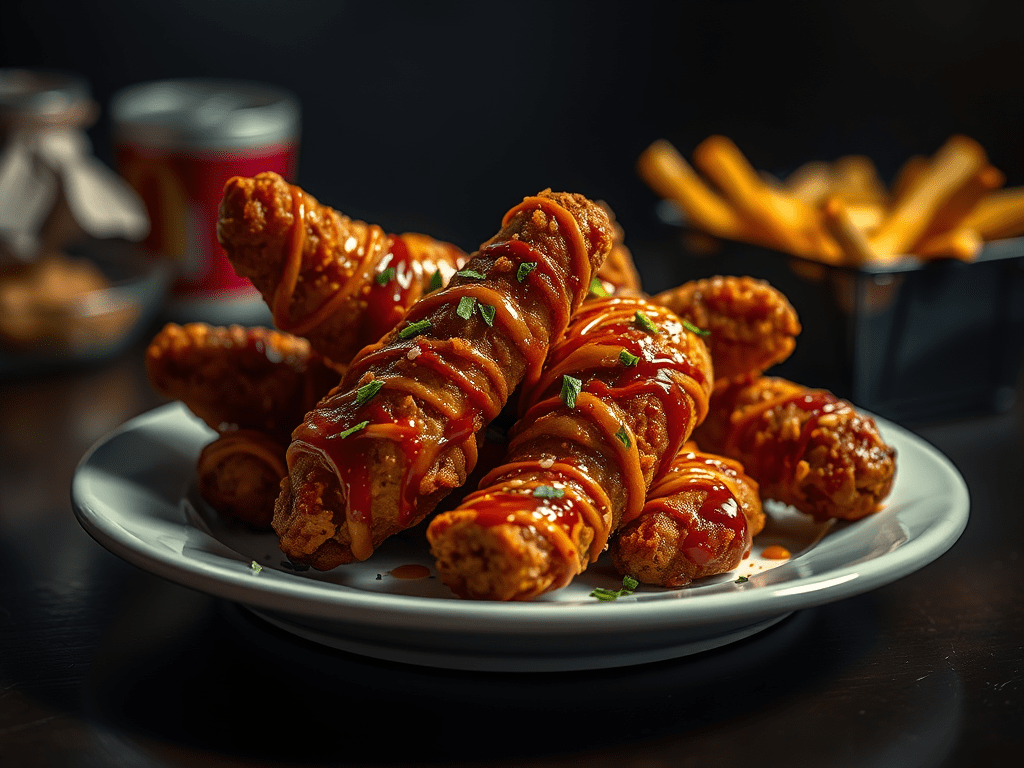
    Which, of course, made me think of chicken tenders. A few nights ago I had the Sweet Thai Glazed chicken at Starbird—fast food so transcendent it felt like a religious conversion, crispy shallots and herb aioli included. I wanted to go back the next day. And the next. My self-interest is crystal clear: eat more Starbird. The problem? My pursuit of gustatory bliss comes at the expense of chickens. Just as my hunt for bioavailable whey protein powders comes at the expense of cows.

    So—am I a monster? If I turned vegan, would that absolve me, or would I just uncover a longer list of moral failings still clinging to my name tag? Because the world isn’t eating less meat. It’s eating more, mostly factory-farmed, while pretending not to notice the conveyor-belt cruelty behind the menu. Ignore it long enough and moral numbness sets in, the kind that doesn’t just ruin animals but corrodes us too, spreading in ripples like bird flu, mad cow, or the next “mystery wet market disease.”

    And cruelty isn’t the only place where “self-interest” mutates into its evil twin. Consider America’s sacred cow: gun freedom. Other nations see mass shootings, change laws, and reduce tragedies. America, however, doubles down—choosing an idea of freedom that keeps killing us. Here, “self-interest” looks less like wisdom and more like suicide with better branding.

    That’s the trouble with self-interest. It’s a slippery little devil with at least two sharp horns. First: it lets us rationalize immoral behavior until we become monsters congratulating ourselves for our appetites. Second: it convinces us that policies which maim us—like endless guns, endless meat—are somehow in our “best interest.”

    In reality, self-interest is a hornet’s nest: buzzing passions, compulsive hungers, warped myths, and counterfeit happiness. To live in true self-interest means sorting out the destructive impulses from the behaviors that actually make us moral and happy. But most people never attempt the sorting, because the road to ruin is wide, comfortable, and paved with chicken tenders, while the road to virtue is narrow, steep, and has terrible Yelp reviews.

  • Safe at Home with Tofu: We Need George Carlin Now More Than Ever

    Safe at Home with Tofu: We Need George Carlin Now More Than Ever

    George Carlin once built a whole comedy bit around the contrast between football and baseball. Football, he said, is war—full of blitzes, bombs, and sudden death. Baseball, by contrast, is a pastoral game, a gentle journey home. Safe at home. He could’ve done an equally scathing bit on carnivores versus vegans.

    A carnivore is a Viking. He doesn’t eat dinner; he conquers it. He roasts slabs of meat over open flame, wears elk pelts in July, and believes the phrase “nose to tail” is less a philosophy than a moral imperative. He eats liver because it’s what his ancestors did, despite the fact that his ancestors also died at 38 from dysentery and wolf bites.

    The vegan? A minimalist monk who speaks in the tone one reserves for therapy dogs and endangered turtles. His kitchen smells like soaked lentils and moral superiority. He eats “greens,” plural, as though a vague handful of chlorophyll could power a biped. His hero is the neighborhood spider, which he refuses to squash. Instead, he names it Rumi, places it gently on a compostable bamboo plate, and ushers it into the wild with a whispered prayer and a single tear.

    The carnivore doesn’t own plates. He eats standing up. The vegan has three sets of reusable dishware, made from renewable bamboo and guilt. The carnivore fills his “power bowl” with yolks, red meat, and testosterone. The vegan fills his with quinoa, miso, and the sense that one day we’ll all live on floating gardens of kale, fueled by gratitude and biotin.

    The carnivore laughs when lightning strikes. The vegan winces when the microwave beeps.

    And yet—here’s the kicker—both think they’re saving the world. One by returning to primal wisdom, the other by transcending it. One believes in survival of the fittest; the other believes in surviving without harming a single sentient thing. They are, in essence, two sides of the same self-mythologizing coin: the ancient warrior and the futuristic monk, each clinging to their menu like it’s a worldview. And perhaps that’s what diet is now—a belief system, a theology served with a side of macro tracking. Eat, pray, posture.

  • Soy-Boy Rising: Confessions of a Reluctant Carnivore

    Soy-Boy Rising: Confessions of a Reluctant Carnivore

    I’m not a vegan, though I flirt with the lifestyle like someone dabbling in theater—call it vegan cosplay. I still eat fish a few times a week. My wife’s turkey meatballs make regular cameos. And every now and then, Mongolian beef seduces me with its glossy, MSG-laced siren song. That said, I’ve slashed my meat intake by 75%, which, by American standards, practically makes me a Buddhist monk.

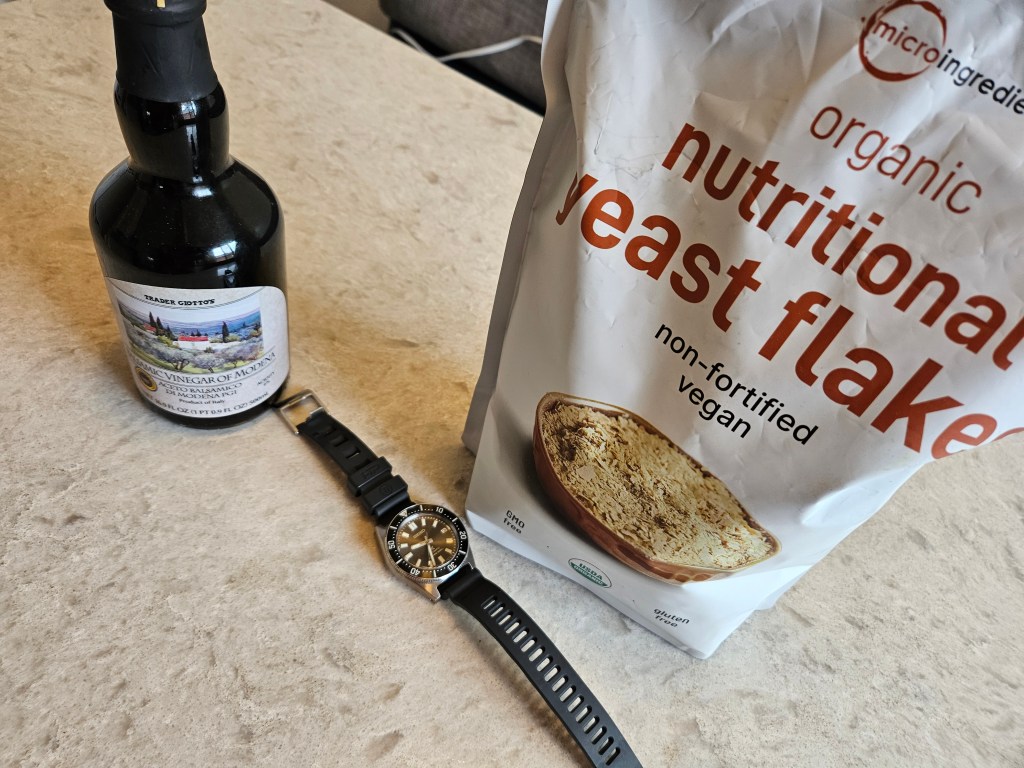
    These days, I spend an inordinate amount of time pressing water out of high-protein tofu bricks like they’ve wronged me. I cube them, toss them in olive oil, and dust them with whatever spices are within reach—barbecue rub, smoked paprika, Italian herbs, chili flakes. While they sizzle, I assemble my daily temple of penance: a salad of arugula, balsamic vinegar, nutritional yeast, and a squirt of spicy mustard. Add in some herbs, and it’s a flavor riot with zero cholesterol.

    Surprisingly, it satisfies me. The texture, the tang, the crunch—I’m not suffering. I’m thriving. But I can already hear the Bro-sphere grunting with disapproval. To them, my tofu devotion is nothing short of culinary treason. The True Path, they say, is paved in ribeyes and romaine. Soy is heresy. My masculinity, they warn, is at risk of withering into oblivion if I don’t start eating liver by the pound.

    Let them growl. I don’t evangelize. If carnivore life gives them six-pack abs and existential clarity, more power to them. But my reasons for sidestepping meat are complicated. One: I find raw meat disgusting. I’ve never acclimated. Slabs of pink muscle leaking juice in my hands? No thanks. Sure, I’ll eat a well-prepared dish if someone sets it in front of me, but I don’t like the psychic gymnastics it takes to pretend nothing had to die for it.

    So yes, sometimes I give in. But most mornings, you’ll find me standing over a bowl of buckwheat groats, quietly thrilled not to be cooking a corpse. The older I get, the more that matters. Not for moral purity. Just peace of mind—and digestion.

  • The Vegan That Lives in My Head (and Nowhere Else)

    The Vegan That Lives in My Head (and Nowhere Else)

    At six a.m., mug in hand, I sat down at my desk with the smug satisfaction of a man pretending to be in control of his day—only to be ambushed by a large brown spider launching itself from my desk drawer like it was fleeing the FBI. It vanished into the shadows, and I was left stewing in the indignity of defeat. I didn’t catch it. Worse, for the second morning in a row, I couldn’t remember my dream. Something about a car near the ocean, a faceless authority figure mumbling instructions, and then—blank. Freud would be disappointed. I’m more annoyed.

    My dreams often involve cars. They also often involve the ocean. I suspect this means I’m perpetually trying to get somewhere, while simultaneously wanting to be swallowed by the Great Womb of the Deep. Birth, Death, and the Cycle of Life.

    Midway through my coffee, my teenage daughter wandered into my office, eyebrows raised in alarm as I recounted the spider saga and my failed dream recall. She showed the appropriate amount of concern, then casually announced she was heading to Starbucks for a chai latte. It’s comforting how the rituals of youth persist, even as their fathers spiral existentially over arachnids and unconscious symbolism.

    I banged out a new essay prompt for next semester—something about manufactured authenticity and influencer FOMO—then drove the girls to school, came back, and burned 805 calories in 61 minutes on the Schwinn Airdyne. Or as I’ve come to call it: The Misery Machine. This isn’t exercise. This is penance. Only those seeking redemption or working through unresolved guilt buy these medieval contraptions. The bike doesn’t offer health—it offers absolution.

    Post-shower weigh-in: 231. Still twenty pounds away from my goal, but less disgusting than I was yesterday, so—progress.

    Later, I drifted into my usual morning fantasy: becoming a vegan. No, not a preachy zealot in hemp sandals, but a serene, plant-based domestic monk, stirring lentils and sipping soy lattes like some morally superior Miyagi of meal prep. In this fantasy, I don’t haul home slabs of meat leaking blood onto Trader Joe’s paper bags. No. I have evolved.

    In this alternate timeline, breakfast is steel-cut oatmeal or buckwheat groats with walnuts, berries, soy milk, and a dash of protein powder. Lunch and dinner are identical—because I’m disciplined, not boring—a sacred Le Creuset Dutch oven bubbling with a Caribbean rice-and-beans concoction: quinoa or white rice, black beans, cubes of tempeh, coconut milk, tomato sauce, and enough spice to remind me I’m still alive. The afternoon snack is a tall glass of soy milk with a scoop of vegan protein, because the aspirational me is nothing if not consistent.

    Of course, this will never happen.

    My wife and daughters won’t eat this way. Neither, frankly, will I. I’ve known student-athletes who withered into pale husks trying to go vegan. Others have thrived and glowed like enlightened celery sticks. I, on the other hand, turn into a foggy-headed anemic with the energy of a depressed manatee. But the fantasy persists. This vegan version of me—let’s call him “The Better Me”—exists only in the realm of self-mythology, filed away with other fictional selves: The Novelist Who Writes Before Dawn, The Man Who Loves Yoga, and The Guy Who Only Checks His Phone Twice a Day.

    They’re all gathering dust in the mental trophy case labeled Deferred Dreams. To catalogue them all would require another post—and a second pot of coffee.

  • Meat, Morals, and the Myth of the “Faketarian”

    Meat, Morals, and the Myth of the “Faketarian”

    In Yasmin Tayag’s Atlantic essay, “America Is Done Pretending About Meat,” she slices through the tofu-thin veneer of plant-based hype with surgical clarity. Her subtitle—“Plant-based has lost its appeal”—isn’t just a culinary observation; it’s a cultural postmortem. In today’s ideological food fight, meat isn’t just food. It’s masculinity on a plate, red-state swagger served rare. Meanwhile, the plant-based lifestyle—once the darling of climate warriors and West Coast yoga instructors—now reeks of smugness and crumbling coastal elitism.

    Pre-pandemic, faux meat had its moment. Impossible Burgers sizzled their way into fast food joints, and Beyond Meat strutted onto grocery shelves like it was about to win a Nobel Prize in moral superiority. But somewhere between mask mandates and mutual loathing, America got bored with pretending its black bean patty was filet mignon. Political tribalism hardened, and nothing says “I vote red” like a slab of charred ribeye.

    Beyond the performative virtue signaling, there’s a more primal truth: meat is delicious. Our conscience may wag its finger over climate guilt and industrial cruelty, but our mouths water for seared fat and sizzle. And let’s be honest—those plant-based patties? Nutritional Trojan horses. They’re packed with sodium, industrial oils, and the kind of pea protein that leaves you hungry two hours later. A real burger satisfies. A fake one is cosplay.

    Tayag throws another burger on the grill: half of all self-proclaimed vegans and vegetarians are liars—“faketarians,” as my cousin calls them—quietly munching chicken wings when no one’s looking. The moral high ground is slippery when coated in barbecue sauce.

    Personally, my culinary choices are less about ethics and more about domestic diplomacy. My wife and daughters are carnivores, and I’m not about to start a civil war over tempeh. Sure, I dabble in lentils and drizzle tahini on roasted vegetables, but I still rely on Greek yogurt and whey protein to keep my muscles from filing a grievance.

    So yes, I lean plant-based, but only enough to stay credible in a Whole Foods aisle—not enough to trigger a household mutiny. Call it “functional tribalism.” Call it “married life.” Just don’t call it vegan.