If you listen to The Watch with Chris Ryan and Andy Greenwald, you’ve probably heard the buzz: Netflix’s four-part series Adolescence isn’t just good—it’s the best thing on TV right now.
So, naturally, my wife and I sat down to see if it lived up to the hype. Spoiler alert: It does.
Without giving away essential plot points, let me put it this way: this isn’t just a crime procedural—it’s a ruthless autopsy of institutional failure. Each episode dissects a different system that was designed to impose order but instead collapses under the weight of human chaos.
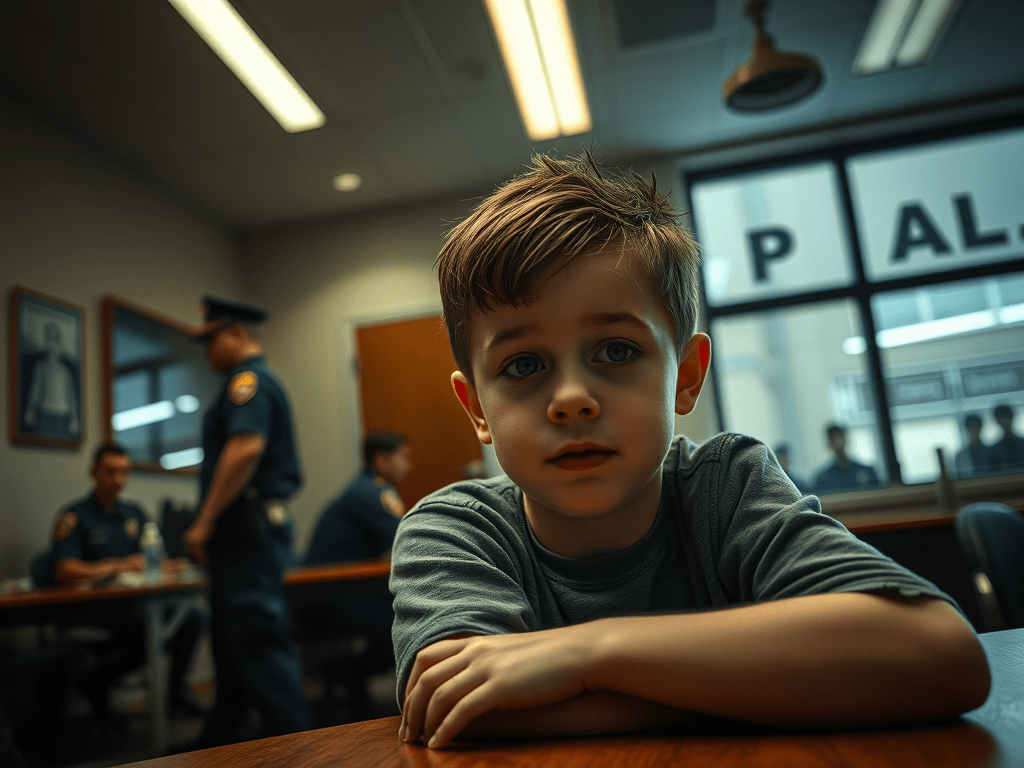
- Episode 1: The Police Station – The series kicks off inside a sterile, fluorescent-lit hellscape, where well-meaning officers attempt to process and interrogate thirteen-year-old Jamie Miller, the boy accused of murdering a classmate. The problem? The system is dehumanizing. Jamie’s family is kept in the dark, procedural red tape trumps human empathy, and every interaction feels like a slow, grinding march toward inevitability. Jamie himself—angelic-faced, soft-spoken, seemingly incapable of violence—makes us question everything.
- Episode 2: The School – If you thought the police station was bad, welcome to Lord of the Flies with a morning bell. Detectives attempt to interview students, only to be met with a circus of chaos. The kids are feral, emotionally volatile, and wired for destruction. The teachers? Comically powerless. Every attempt at authority is met with blank stares, open defiance, or performative outrage.
- Episode 3: The Juvenile Facility – A bureaucratic nightmare masquerading as rehabilitation. Here, troubled teens are sorted into neat categories based on data and psych evaluations, as if behavior can be reduced to a spreadsheet. Therapists cycle through sterile, one-size-fits-all interventions, while administrators act like zookeepers who have given up. It’s depressing, absurd, and terrifyingly real.
- Episode 4: The Suburbs – The final episode shifts from institutions to family itself, portraying domestic life as its own kind of prison. Jamie’s father, a man drowning in wounded male ego, rules his home with simmering rage and a rigid belief in his own moral authority. His suburban world, meant to be safe and orderly, feels just as oppressive as the police station, the school, or the juvenile facility.
Hyper-Realism That Sticks With You
The series’ hyper-realistic approach reminds me of The Pitt—the brutally compelling Max series that drags you into the chaos of an ER with unflinching detail. Adolescence does the same thing for the crime procedural, pulling you so deep into its world that you almost feel suffocated by its bleak authenticity.
If you’re a fan of TV that rattles your nerves and forces you to stare into the abyss of systemic collapse, Adolescence is not to be missed.
 Cinemorphosis
Leave a comment