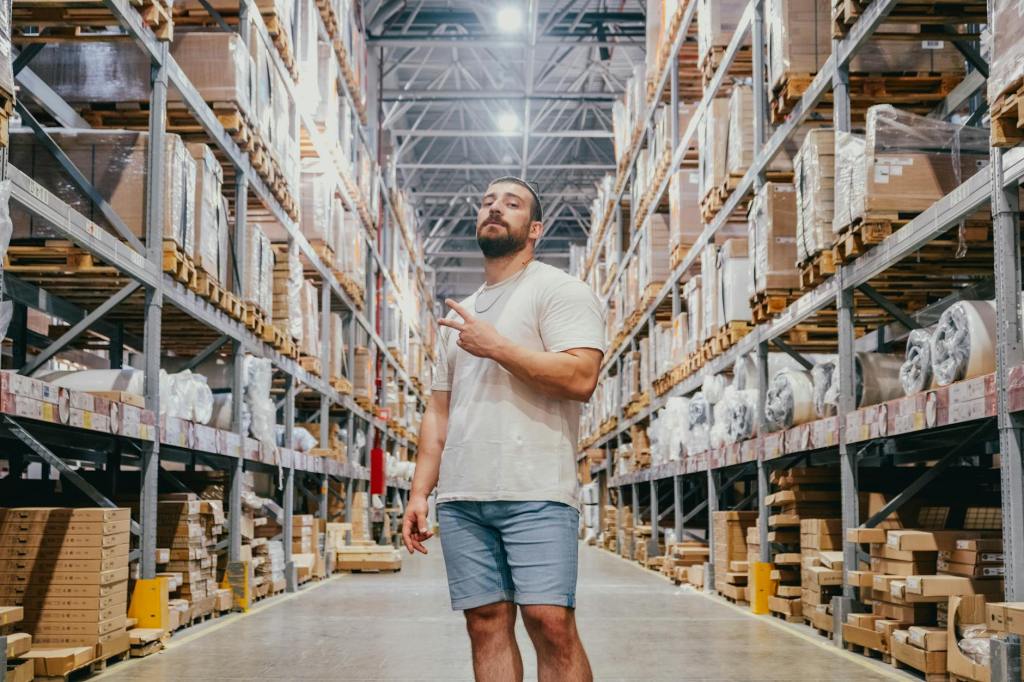
My wife and I conducted a field experiment at Sam’s Club—a trial run made possible by a discount membership from her workplace. The verdict arrived quickly. The food looked competent but uninspired, as if freshness had been negotiated down to a bulk rate. Organic options were sparse. Soy milk—my quiet staple—was nowhere to be found, as though exiled for insufficient enthusiasm. Everything came in portions calibrated for a family preparing for a siege, not a weeknight dinner.
The outing consumed more than groceries; it swallowed time. Two hours vanished into the ritual: drive, navigate, queue, load, unload, shelve. By the end, the errand had metastasized into labor. I found myself thinking of Costco Wholesale—its better curation, its higher ceiling for quality—but then remembered the crowds, the parking gauntlet, the cart traffic that turns shopping into contact sport. Better food, perhaps; worse experience, certainly.
Back home, I told my wife I’d return to Trader Joe’s for the core of our shopping and use Target to fill the gaps. The relief was immediate and physical. I don’t need a warehouse to validate my discipline or a pallet to prove my foresight. I need food that fits my life, not a lifestyle that accommodates a pallet. Shopping for the apocalypse creates more problems than it solves.
 Cinemorphosis
Leave a comment