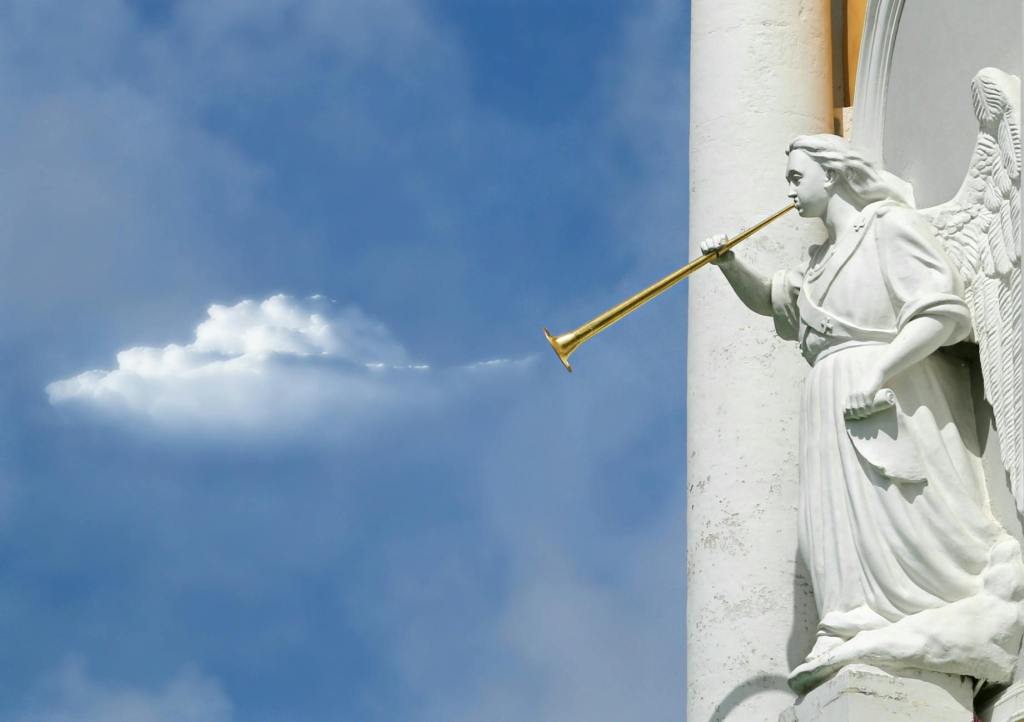
Philosopher Martin Hägglund, in This Life: Secular Faith and Spiritual Freedom, advances a stark and unsettling claim: genuine goodness is impossible unless we accept that death is final. There is no afterlife to balance the books, no celestial extension cord supplying meaning from beyond the grave. This life—finite, fragile, irrevocable—is all we have. Faith in eternity, Hägglund argues, is not a comfort but a distraction, a metaphysical detour that siphons urgency away from the hard, unglamorous work of building justice here and now. To make his case, he turns to an unlikely witness: C.S. Lewis. In A Grief Observed, written after the death of his wife Joy Davidman, Lewis—Christian apologist, defender of heaven—finds his theology torn open by loss. Scripture offers no shelter. Promises of eternal reunion ring thin. Lewis admits to “bitter resentment,” to madness, to a grief so absolute that it flattens piety on contact. What he wants is not God, not eternity, not consolation—but Joy. Her absence exposes a truth Lewis cannot escape: the intensity of love is inseparable from its fragility. Love hurts because it can be lost. Its power comes from time running out. Hägglund presses the implication Lewis cannot fully accept: even if eternity existed, love could not survive there. With no stakes, no risk, no irreversibility, existence would congeal into something inert—an endless, consequence-free duration. Heaven, in this view, is not fulfillment but sedation. To imagine God as a valet who merely returns our loved ones to us is, for both Lewis and Hägglund, a form of idolatry. But where Lewis is torn—desperate to hold faith and grief in the same trembling hands—Hägglund feels no such strain. For him, religion does not deepen love; it dilutes it. It shifts responsibility elsewhere. It turns this world into a waiting room and this life into a rehearsal. Secular living, by contrast, is an act of commitment without backup plans. There is no “later” to fix what we neglect now. That is precisely why what we do here matters so much.
If you are a political-sapien, this conclusion feels not bleak but bracing. History—not heaven—is where salvation must be worked out. There is no eternal kingdom hovering offstage, no divine reset button waiting beyond the clouds. This world is the only stage, and its outcomes depend on the quality of the institutions we build and maintain. Moral authority does not descend from above; it emerges from human reason struggling, imperfectly but persistently, toward fairness. People, in this view, are not saints or sinners by nature so much as products of systems—capable of decency when the scaffolding is sound, capable of cruelty when it is not. Politics therefore becomes the highest moral labor: not a sideshow to spiritual life but the arena in which justice either materializes or fails. AI machines enter this worldview as probationary instruments. They are not saviors and not demons. They earn trust only insofar as they distribute power downward, widen access, and reduce structural inequity. If AI flattens hierarchies and democratizes opportunity, it is a tool worth refining. If it concentrates wealth, authority, and decision-making into fewer hands, it ceases to be innovation and becomes a threat—something to regulate, constrain, or dismantle in defense of the only life that counts.









 Cinemorphosis