Tag: food

  • The Moral Danger of Divine Cheesecake

    The Moral Danger of Divine Cheesecake

    Last night I had a dream that unfolded with the logic and extravagance of a Fellini film set on a public beach. I discovered a stray dog wandering along the shoreline, a scruffy creature with the melancholy dignity of someone who had seen too much of the world’s indifference. The dog could speak. His first words were disbelief. He could not imagine that I, a random human loitering by the Pacific, intended to adopt him.

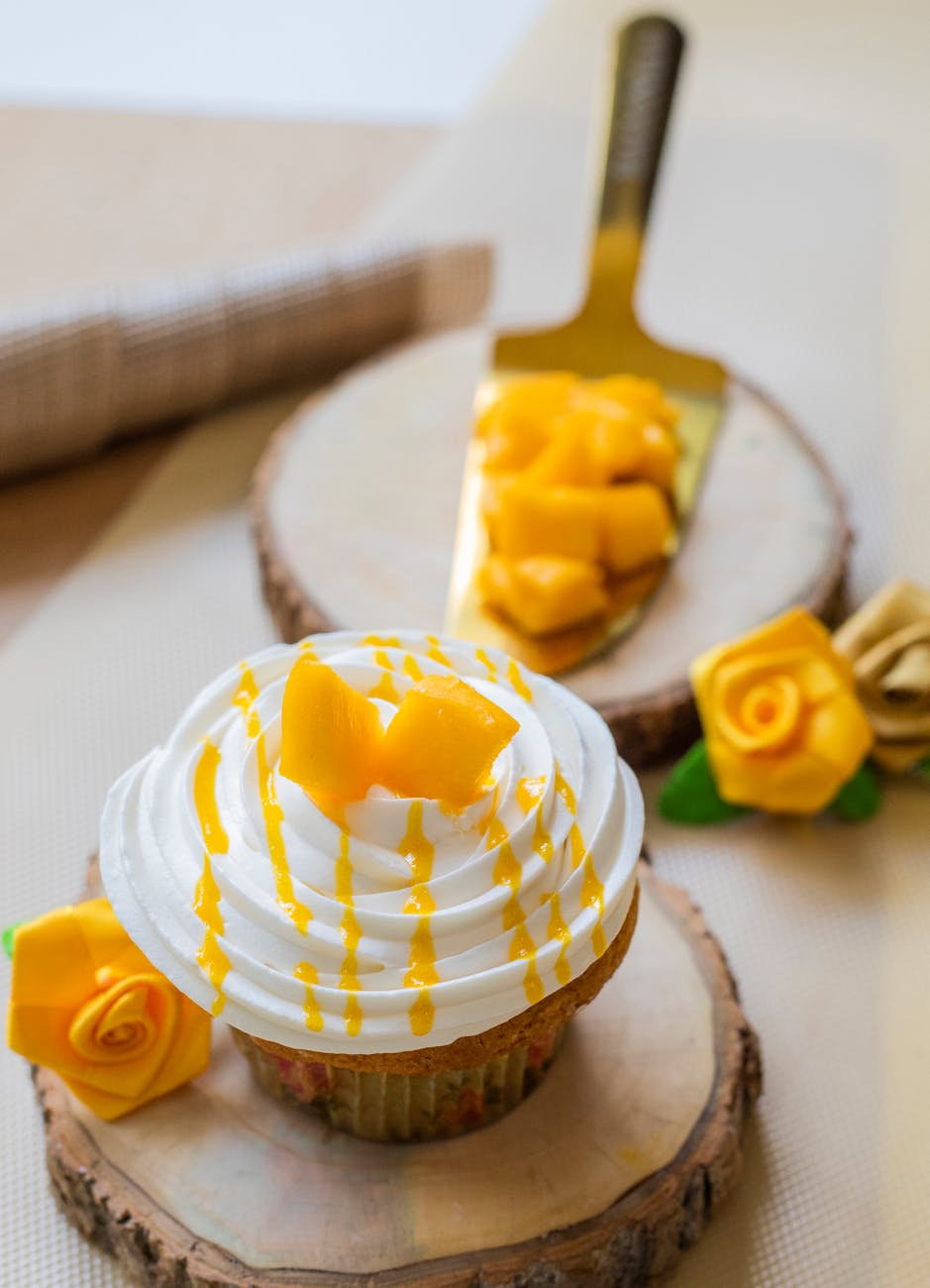
    To prove my sincerity—and perhaps to apologize for the miserable hand life had dealt him—I performed what can only be described as an act of culinary sorcery. With no apparent effort, I summoned two desserts out of thin air and placed them on a small café table facing the ocean. One was a mango cheesecake the size of a steering wheel, glowing with tropical radiance. The other was a monumental chocolate cake decorated with extravagant ribbons and shell-like ridges of frosting, the sort of cake that looks less baked than sculpted.

    The dog, clearly a creature of refinement, approached the cake with delicate reverence, nibbling with the restraint of a Parisian pastry critic. I told him not to worry—I knew of special utensils designed specifically for dogs who wished to eat cake with dignity. I would run downtown and return in minutes.

    That’s when the trouble began.

    When I returned to the café table, I found a woman plunging a bakery knife into my cake with the stealth of a pirate raiding a treasure chest. I launched into a lecture about theft and decency. Mid-sermon, another woman attempted a lightning strike on the mango cheesecake, hoping to slice off a piece before the moral police arrived. I drove her off as well.

    In that moment it dawned on me: these desserts were not ordinary desserts. They were supernatural artifacts. Something about their beauty radiated outward like perfume, alerting passersby that heaven had briefly opened a bakery on the beach. People could sense it. They were willing to bend their morals for a taste. And I had a darker suspicion—once someone tasted the cakes, the bending of morals might turn into a full collapse.

    The dog and I decided the beach was no longer safe for divine pastries. We relocated to the lobby of a nearby hotel, where the two of us quietly devoured the cakes like conspirators protecting a sacred relic. Strangely, the effect on us was the opposite of what I had feared. Each bite seemed to make us kinder, calmer, more decent versions of ourselves.

    Between bites, I told the dog he would never be homeless again. He would live with me forever. He thanked me with the solemn gratitude only a talking beach dog can muster.

    Then he asked the obvious question: how had I managed to summon cakes of such celestial quality?

    I admitted the truth. I had no idea what I had done or how I had done it. But one thing was clear: it was a one-time miracle. The bakery of heaven had closed its doors.

    The rest of our lives, the dog and I would have to live on ordinary meals—and the memory of that impossible dessert.
  • Life Is Uncertain. Porridge Is Not

    Life Is Uncertain. Porridge Is Not

    For the past week my appetite has surged like a rogue wave. That could mean several things, none of them particularly flattering. Perhaps I’m medicating stress with food. Perhaps there are subterranean stress triggers rumbling beneath the surface that I haven’t identified yet. Life, after all, provides a constant background hum of anxiety, and it’s difficult to distinguish ordinary daily strain from something more corrosive.

    Retirement is hovering in the distance like a financial fog bank. I’ve been emailing HR about the price of keeping my Kaiser coverage after I retire versus moving to my wife’s more modest plan. Her school pays less than mine, which means we’re staring at something in the neighborhood of $1,500 a month once dental and vision enter the scene. Retirement, which is supposed to represent liberation, suddenly looks like a complicated negotiation with spreadsheets, identity, and self-worth. And apparently my body’s response to this existential accounting exercise is simple: eat more chicken.

    There is, at present, a dangerous quantity of takeout chicken in this house. Fried chicken. Roasted chicken. Greasy, seductive chicken lounging in the refrigerator like a gang of edible hoodlums. I open the fridge intending to take a small, respectable bite. Five minutes later I’m standing there gnawing through a drumstick like a raccoon that has discovered civilization. The aftermath is predictable: gluttony followed immediately by anxiety.

    The anxiety, unfortunately, does not arrive alone. It brings a surveillance drone. I watch myself overeating as if my consciousness has sprouted a third eye hovering above the scene like a judgmental security camera. I am both the criminal and the detective. The more I watch myself eat, the more anxious I become. The more anxious I become, the more I eat. I have achieved what behavioral psychologists might politely call a closed loop of misery.

    Action is required.

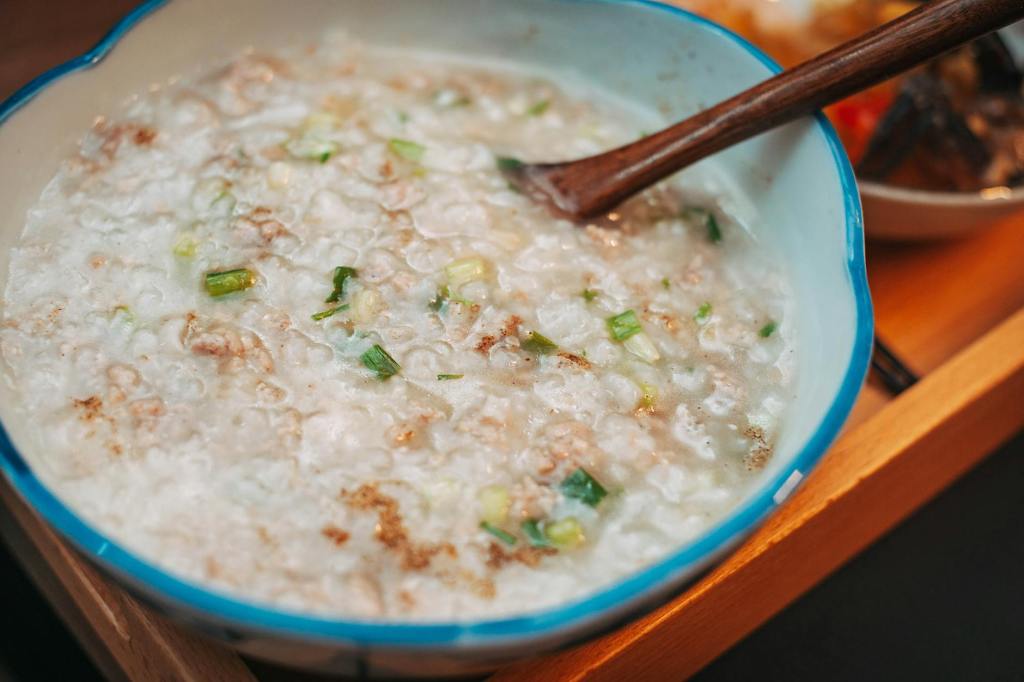
    My proposed solution is radical in its simplicity: three meals a day, no snacking. Breakfast will be steel-cut oatmeal or buckwheat groats fortified with protein powder. Lunch will be rolled oats with yogurt and more protein powder. Dinner will consist of a sensible portion of protein, vegetables, and an apple. It is not glamorous, but glamour is precisely the problem.

    Oatmeal comforts me. It possesses the mild, reassuring neutrality of something that has no ambitions beyond keeping you alive. Perhaps it is a kind of surrogate baby food. Perhaps the approach of retirement has triggered a mild regression in which my brain seeks the emotional equivalent of warm porridge and a quiet afternoon nap. As I drift deeper into my mid-sixties, it is entirely possible that my culinary philosophy is reverting to something suitable for a kindly monastery.

    Life is uncertain. Porridge is not.

    I like the predictability of three meals a day involving some form of oatmeal. I like the idea of owning a Lenovo ThinkPad, which is the oatmeal of computers. I like the Honda Accord and Toyota Camry, which are the oatmeal of the automobile world. And I like my solar atomic G-Shocks, which are the oatmeal of timepieces—durable, accurate, incapable of drama.

    If possible, I would like to swim inside a large industrial vat of oatmeal, floating peacefully while the chaos of the modern world clangs harmlessly against the outside of the tank.

    Unfortunately, hostile forces surround the vat.

    My daughters campaign relentlessly for takeout: Dave’s Hot Chicken, Wingstop, Panda Express. Holiday gatherings appear with enough pies and brownies to launch a regional bakery franchise. A man can only resist these temptations for so long before the walls of discipline begin to buckle.

    Meanwhile, medical costs continue their relentless ascent, and retirement funds tremble nervously as global markets perform their daily interpretive dance of geopolitical uncertainty.

    Under such circumstances I find myself clinging to a personal doctrine I’ve begun to call The Porridge Principle: the instinct to confront anxiety by retreating into humble, reliable technologies and routines that promise frictionless predictability. Oatmeal breakfasts. ThinkPad laptops. Honda sedans. Solar atomic watches. These objects do not thrill, but they do not betray.

    When the world becomes chaotic, the mind begins searching for tools and rituals that behave exactly the same way every day.

    So that is the plan.

    Trader Joe’s opens in an hour. I will buy groceries for my family and a heroic supply of oatmeal. The campaign against uncertainty has begun.

    Pray for me.

  • The Taco Bell Effect: How Fast Food and Watches Keep You Hungry

    The Taco Bell Effect: How Fast Food and Watches Keep You Hungry

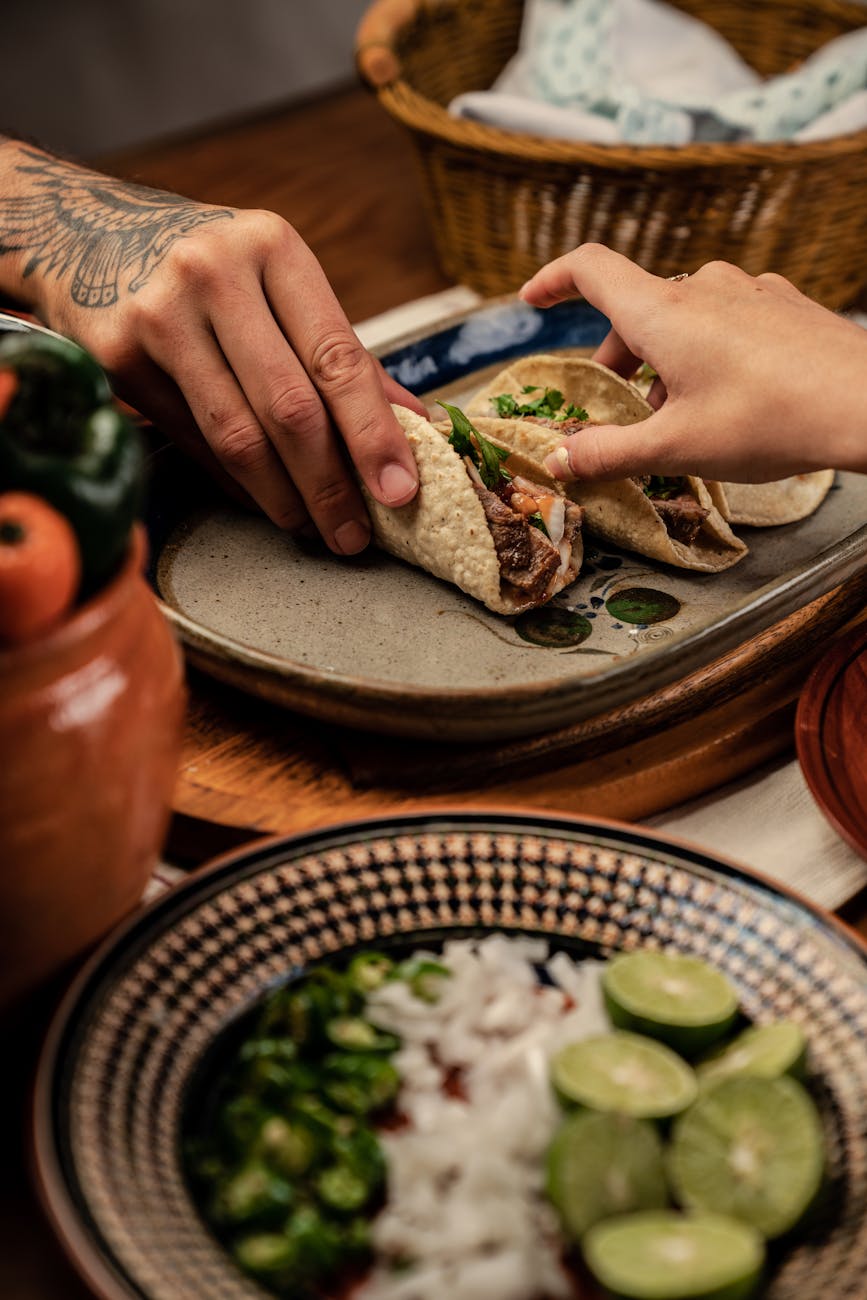
    My daughters wanted Taco Bell for dinner. I could have abstained, assembled a respectable salad, and preserved my nutritional dignity. Instead, I chose the chicken soft tacos—modest, reasonable, practically virtuous by fast-food standards. And Taco Bell, as always, performed its engineered magic. Somewhere in Irvine, a laboratory of flavor chemists continues its quiet mission: maximize salt, fat, texture, and novelty until the brain lights up like a slot machine. The tacos tasted fantastic. Dopamine rang the bell. I walked away feeling disciplined, even proud—two tacos and a side of sliced bell peppers. Look at me, a responsible adult navigating fast food with restraint.

    Then, about an hour later, the bill came due.

    My appetite didn’t return politely. It kicked the door in. Hunger surged with a strange urgency, as if the meal had not fed me but awakened something restless and unfinished. I ate an apple. Still hungry. I opened a bag of Trader Joe’s Organic Elote Corn Chip Dippers. Still hungry. I cut a thick slice of sourdough and buried it under peanut butter. The sensation wasn’t indulgence—it was pursuit, as though my metabolism were trying to collect a debt the tacos had promised but never paid.

    I was still hungry when I finally surrendered—not to satiety, but to sleep, the only reliable way to close the kitchen.

    Clearly, I had suffered from the Taco Bell Effect: the paradoxical state in which a highly engineered, intensely satisfying experience delivers maximum sensory pleasure and minimum lasting fulfillment, triggering a rebound surge of appetite shortly after consumption. Designed for flavor density, salt, fat, and rapid dopamine, the meal convinces you—briefly—that you’ve eaten well and even responsibly. Then, an hour later, your metabolism files a formal protest. Hunger returns louder than before, prowling the kitchen like a debt collector. The Taco Bell Effect isn’t overeating; it’s under-satiation disguised as satisfaction—a culinary confidence trick in which the experience feels indulgent, the calories look reasonable, and the aftermath sends you negotiating with apples, chips, and peanut butter while wondering how two tacos opened a hunger portal instead of closing one.

    The Taco Bell Effect and the compulsive watch purchase run on the same psychological circuitry: both deliver stimulation without closure. Taco Bell gives you flavor, salt, fat, and novelty, but not satiety; the experience excites the appetite rather than resolving it. A compulsive watch purchase works the same way. You get the hit—research, tracking, unboxing, wrist shots, forum validation—but the emotional hunger remains untouched. Instead of quieting desire, the purchase sharpens it. Within days, you’re browsing again, comparing again, chasing the next micro-difference the way a fast-food meal sends you back to the pantry. In both cases, the problem isn’t excess; it’s insufficient psychological fullness.

    The illusion that traps people is the calorie logic of the hobby: “It’s only one watch,” just as “It’s only two tacos.” But the real metric isn’t the size of the purchase—it’s the behavior that follows. A healthy acquisition produces satiety: you stop looking, you forget the market, you wear the piece without agitation. A Taco Bell watch, by contrast, is engineered for stimulation—limited editions, countdown drops, spec debates, influencer hype. It tastes intense but digests poorly. The result is the horological equivalent of metabolic whiplash: the dopamine spike fades, and the mind, still unsatisfied, starts hunting again.

  • How We Went from Breakfast Mascots to Political Tribes

    How We Went from Breakfast Mascots to Political Tribes

    A few nights ago, I watched Big Vape: The Rise and Fall of Juul, the four-part autopsy of a company that promised salvation from combustible cigarettes and instead managed to hijack a generation’s taste buds. Juul framed itself as a public-health crusader. What it actually built was a sleek delivery system for addiction, turbocharged by flavors engineered to lodge themselves deep in the dopamine circuitry of young brains.

    Former employees and users all pointed to the same thing: mango. Mango wasn’t just a flavor; it was an event. People didn’t vape mango casually. They marinated in it. Mango was the hook.

    Watching this, I was transported back to my own childhood and my first chemical romance: Cap’n Crunch.

    There was something about that unholy alliance of corn flour, palm oil, and brown sugar that short-circuited my will. I didn’t want moderation; I wanted saturation. My parents imposed limits, which only deepened my resolve to grow up as fast as possible so I could make my own enlightened dietary decisions—namely, Cap’n Crunch for breakfast, lunch, and dinner. I failed to notice the irony that a grown man subsisting on sugar cereal would represent not maturity but infantilization.

    Cap’n Crunch’s true genius wasn’t just sweetness. It was proliferation. The same cereal reappeared in endless costumes—Crunch Berries, Peanut Butter Crunch—each one offering the illusion of choice. King Vitamin was the most audacious iteration: Cap’n Crunch in a health halo, a masterclass in rebranding junk as virtue. Lipstick on a pig, poured into a cereal bowl.

    Then there were the mascots. Quisp the Martian. Quake the muscle-bound coal miner. As a child steeped in superhero comics and Hulk fantasies, I gravitated toward Quake. Strength. Power. Identity. I didn’t realize I was choosing a brand avatar, not a breakfast.

    Cereal companies were having a field day. We watched cartoons while eating the very product being advertised between scenes. It never occurred to us that we were being conditioned—trained to celebrate a non-nutritive food substance that dissolved teeth and rewired appetite. The Juul kids didn’t know it either. They thought they were buying into a sleek, adult lifestyle. What they were really purchasing was dependence, with a mango aftertaste.

    What troubles me now is that adults don’t seem any less susceptible.

    Today, many people consume political tribes the way we once consumed sugar cereal and flavored vapor. Politics has been repackaged as lifestyle branding—complete with slogans, merch, cosplay, and dopamine hits. The substance is thin. The stimulation is constant. Critical thinking is nowhere to be found.

    These aren’t political commitments; they’re identity snacks. Sugar rushes masquerading as convictions. Defense of one’s “views” consists of chanting talking points with the same reflexive loyalty I once reserved for Cap’n Crunch. No wonder the country feels like it’s in free fall. We haven’t grown up—we’ve just swapped mascots.

    We are a nation of adult children, hooked on political flavors the way kids were hooked on cereal and Juul users were hooked on mango. Politics has become a consumer product: addictive, polarizing, shallow, and wildly profitable. All dopamine. No nutrition.

  • Why Good Salsa Matters

    Why Good Salsa Matters

    In 1967, my father took me to the grand opening of a Taco Bell in San Jose, California. This was my first encounter with fast food as spectacle—and with teenagers as a category of human being. They stood behind the registers in a loose formation, and every one of them appeared to be afflicted with the same alarming facial condition. Spots everywhere. An outbreak.

    I was five. I did the math available to me. Had a disease swept through the workforce? Did Taco Bell exposure cause lesions? Were the refried beans radioactive?

    I asked my father what was wrong with their faces.

    “They’re pimples,” he said. Then, without hesitation, he added, “According to Aristotle, God gives pimples to teenagers to teach them humility.”

    I knew immediately this was untrue. Not because I had read Aristotle—I hadn’t—but because I knew my father. This was him doing what he loved most: inventing authority on the spot. He also harbored a low-grade contempt for teenagers, whom he regarded as overconfident and undercooked. Acne, in his view, was divine pushback. Cosmic slapstick.

    The pimples unsettled me, but they did not interfere with my appetite. I ate my tacos and frijoles under the Taco Bell canopy, admiring the beige stone “Mexican” architecture—the aesthetic equivalent of a sombrero on a filing cabinet. The food itself was a novelty. We didn’t eat Mexican food, and Taco Bell certainly wasn’t Mexican food, but it was a portal. A gateway drug.

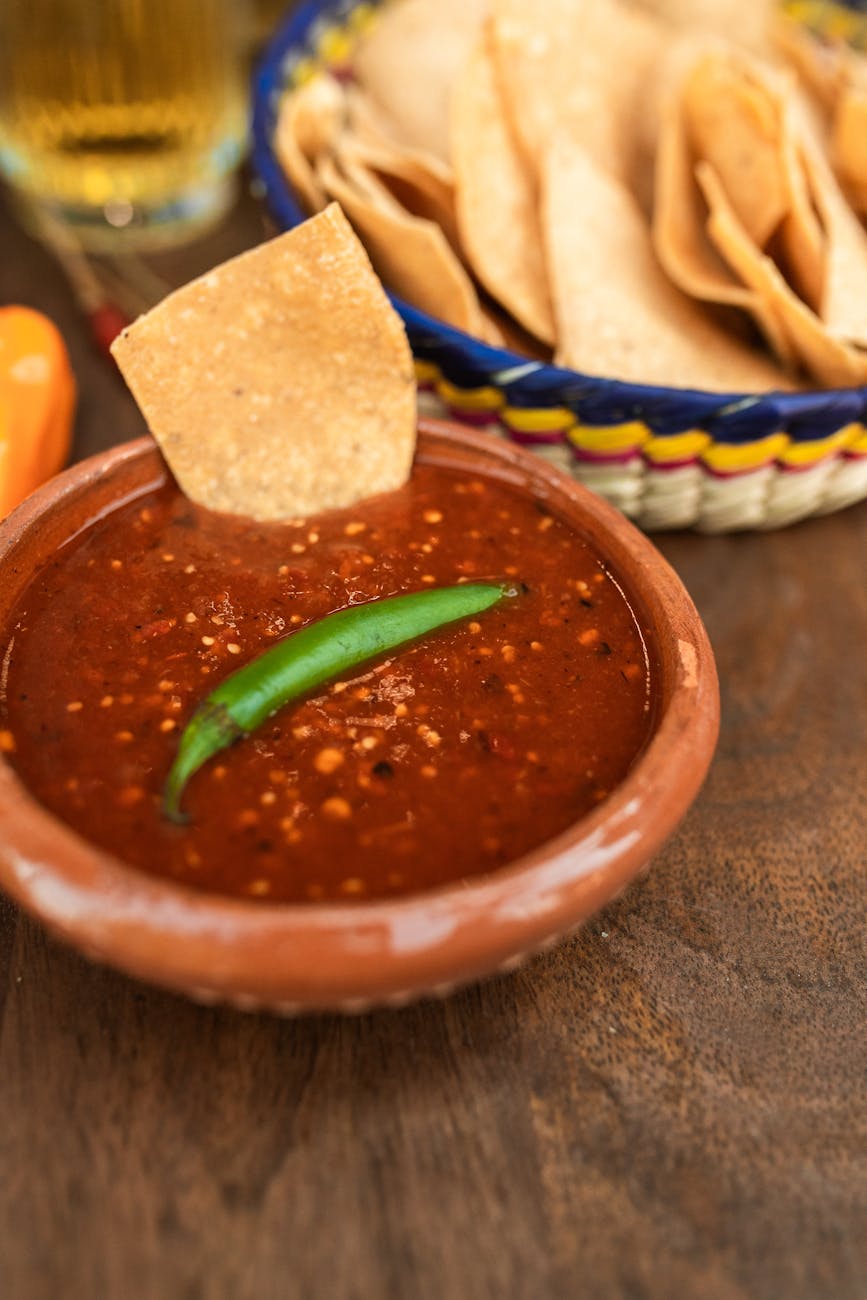
    Within a few years, my mother was making tacos, burritos, and enchiladas at home. Our Mexican-American neighbors, Mike and Felice Orozco, made salsa from ingredients grown in our own backyards. The salsa lived on the coffee table in a volcanic tureen, like something sacred and faintly dangerous. You could smell it the moment you walked into the living room—chilies, onions, garlic, alive and unapologetic.

    The color stopped you. A deep ruby red. Not restaurant red. Not industrial red. Real red. I have eaten excellent salsa over the decades, but nothing has ever matched the salsa Felice Orozco taught my mother to make in the late 1960s. Even now, if a Mexican restaurant brings out a pre-meal salsa that approaches that standard—even halfway—I take it as a sign of moral seriousness.

    Felice Orozco’s salsa wasn’t just delicious. It was philosophical. It carried an unspoken argument about what survives and what matters. When families pass down food traditions, they’re saying something quietly radical: some knowledge deserves care, repetition, and fidelity. This isn’t about novelty or performance. It’s not about artisanal swagger or bragging rights. It’s about love made practical. Wisdom with onions.

    So what was Taco Bell to me as a child? A desecration of Mexican food? No. It was a signpost. A crude outpost with a faint aroma of the real thing. It pointed toward a richer city beyond itself—a place where food meant connection, where flavors carried memory and generosity.

    The sign didn’t point south.
    It pointed to Felice Orozco’s house.

  • The Potato Diet and the Gospel According to Mel Brooks

    The Potato Diet and the Gospel According to Mel Brooks

    Recently, I fell down a nutritional rabbit hole and emerged clutching a potato. Not just any potato, but the cooked-then-cooled kind—Idaho and sweet potatoes transformed into resistant starch, that miraculous category of food that sounds like it should be protesting something. Resistant starch, I learned, behaves like a probiotic: it feeds the gut microbiome, supports immunity, improves metabolic health, lowers cholesterol, and may reduce colorectal cancer risk. It even helps regulate appetite hormones, which is a polite way of saying it tells your brain to stop behaving like a feral raccoon.

    There’s a whole taxonomy of resistant-starch foods, but I’m a simple man. I’m focusing on potatoes. I eat them cold from the fridge or gently reheated. Lunch and dinner get a potato. Snacks get a yam blended into yogurt like some deranged Thanksgiving parfait. If it’s an Idaho potato, I dress it up with plain Greek yogurt, nutritional yeast, and a reckless amount of herbs and spices. This is what refinement looks like in 2026.

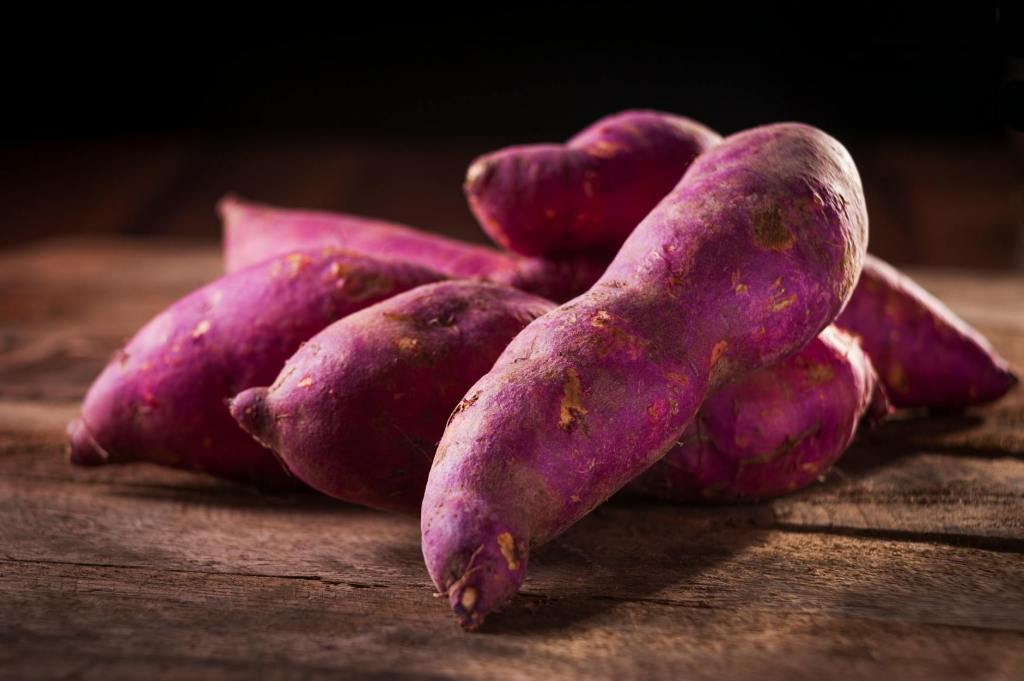
    So far, the results have been suspiciously positive. I feel energized. My gut feels calm and cooperative. I enjoy the strange pleasure of eating potatoes at all hours of the day. The real stars, though, are the yams and sweet potatoes—especially the purple Japanese sweet potatoes, which look like food designed by a medieval alchemist with a sense of humor.

    Then came today.

    On the Schwinn Airdyne, I felt… powerful. Not delusional powerful. Not “I should enter a CrossFit competition” powerful. Just quietly, inexorably strong. I burned 825 calories in 62 minutes. The last time I broke 800 calories on that bike was three years ago, back when my joints were younger and my expectations were less realistic.

    Do I attribute this personal record to my potato regimen? I don’t know. The potatoes could be a placebo. I could be committing the cardinal sin of confusing correlation with causation. More likely, I just had one of those rare days when physiology, psychology, and stubbornness line up like planets.

    I don’t expect to hit 800 calories regularly. Seven hundred is already serious business. Eight hundred requires intent. Eight hundred is a flex. It’s bragging rights territory—the kind of obsessive pursuit Howard Ratner brings to the giant black opal in Uncut Gems, except with less jewelry and more sweat pooling under a stationary bike.

    There was another factor, too. Today’s ride was a response to yesterday.

    My daughters were at Knott’s Berry Farm. My wife was out seeing Leslie Jones. I usually enjoy solitude, but yesterday it curdled. The headlines were bleak. My creative energy flatlined. The world felt slightly out of phase, like a record spinning at the wrong speed. When things get that dark, my internal soundtrack defaults to King Crimson’s “Epitaph”—a song that sounds like it was written for someone weeping against a stone wall at the end of history.

    I got through the night with two documentaries: Mel Brooks: The 99 Year Old Man! and Secret Mall Apartment. One was joyous defiance. The other was a reminder that some people respond to modern despair by secretly building illegal sanctuaries inside dead shopping centers.

    Mel Brooks said something that landed with force. Life is hard. We suffer loss. But piling misery on top of misery—indulging self-pity—only deepens the wound.

    I took that personally. I suspect the 825-calorie burn was my way of replying: I hear you, Mel. I love you. I’m choosing motion over rumination.

    And so I did.

  • Bland Is My Brand: Confessions of a Simplicity Addict

    Bland Is My Brand: Confessions of a Simplicity Addict

    All I want is a simple life. Not monk-on-a-mountain simple—just orderly, disciplined, and quietly adult. The kind of life where the tools around me signal that I’ve stopped auditioning for chaos. My shaving ritual is a 1959 Gillette Fatboy and cheap double-edge blades. My coffee comes from freshly ground dark roast, brewed slow enough to qualify as a character-building exercise. On my wrist: a diver on rubber, because I value function over flash. My workouts happen in the garage with kettlebells. My wardrobe is a uniform—black athletic pants, dark T-shirts, sherpa sweatshirts when the temperature drops. My car is a Honda Accord: bland, boring, and unkillable. People mock its white-bread styling. I embrace it. Bland is my brand.

    Food, however, is where simplicity turns into a group project. My own diet dreams of sweet potatoes, steel-cut oats, buckwheat groats, millet, tofu sautéed in Trader Joe’s curry or peanut sauce, nutritional yeast sprinkled like the Parmesan of moral superiority. I’ll toss in tuna or salmon a few nights a week for variety. My family, meanwhile, wants chicken tenders and taco meat—organic, sure, but flown in from Australia and Argentina like first-class beef. I made a sincere pitch for a mostly plant-based household. It failed spectacularly. Democracy has spoken, and it wants ground beef.

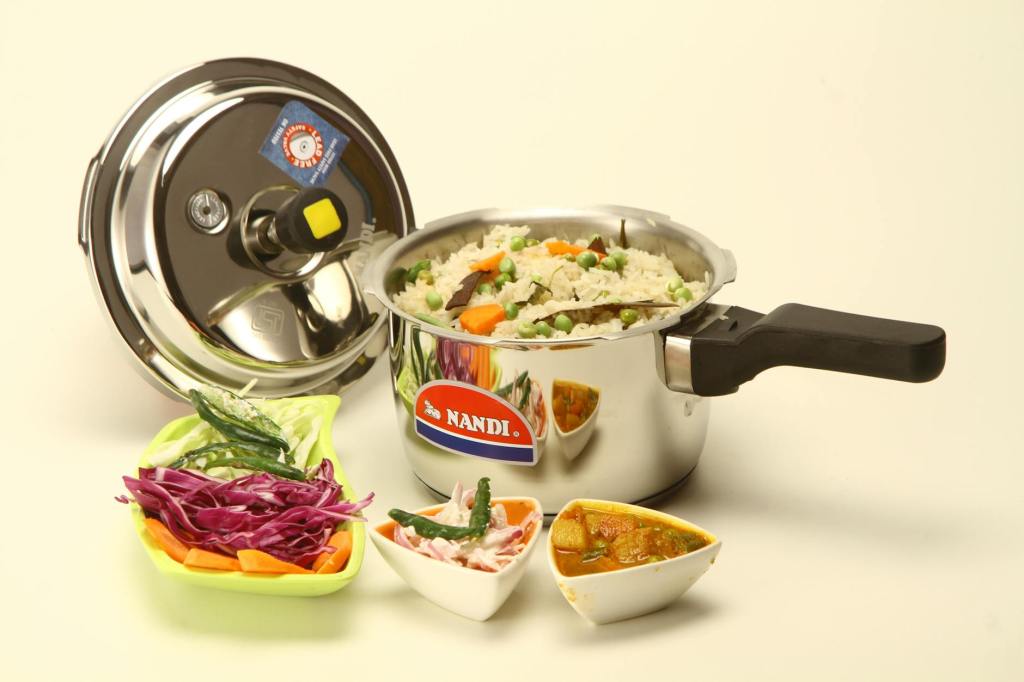
    Appliance-wise, I’m at a crossroads of excess. I own a rice cooker I never use and a giant Instant Pot I never use. They sit there like bulky monuments to abandoned ambition. I could use them for oats, groats, rice, and millet—or I could do what my soul really wants: get rid of both and buy one small pressure cooker that doesn’t hog the counter. Two out, one in. The math thrills me. My wife has approved the purchase. Now comes the real drama: do we donate the old machines, exile them to the garage, or perform the ritual drive to Goodwill? These are the kinds of ethical dilemmas that define modern minimalism.

    Of course, I feel a pang of guilt every time I buy something in the name of owning less. Nothing complicates a simplicity quest like consumer remorse. Forgive me my first-world angst. I suspect this whole project—paring down razors, beans, watches, and appliances—is really a coping mechanism. It’s easier to optimize your oatmeal workflow than confront the madness of the world. So here I am, scrolling Reddit, reading debates about rice cookers versus pressure cookers, pretending that the right appliance might finally bring me peace. Spoiler: it won’t. But it might make better millet.

  • Stir-Free Peanut Butter and the Slow Death of Self-Control

    Stir-Free Peanut Butter and the Slow Death of Self-Control

    Frictionless Consumption is the pattern by which ease replaces judgment and convenience overrides restraint. When effort is removed—no stirring, no waiting, no resistance—consumption accelerates beyond intention because nothing slows it down. What once required pause, preparation, or minor inconvenience now flows effortlessly, inviting repetition and excess. The danger is not the object itself but the vanished friction that once acted as a governor on behavior. Frictionless consumption feels like freedom in the moment, but over time it produces dependency, overuse, and decline, as appetite expands to fill the space where effort used to be. In eliminating difficulty, it quietly eliminates self-regulation, leaving users wondering how they arrived at excess when nothing ever felt like too much.

    ***

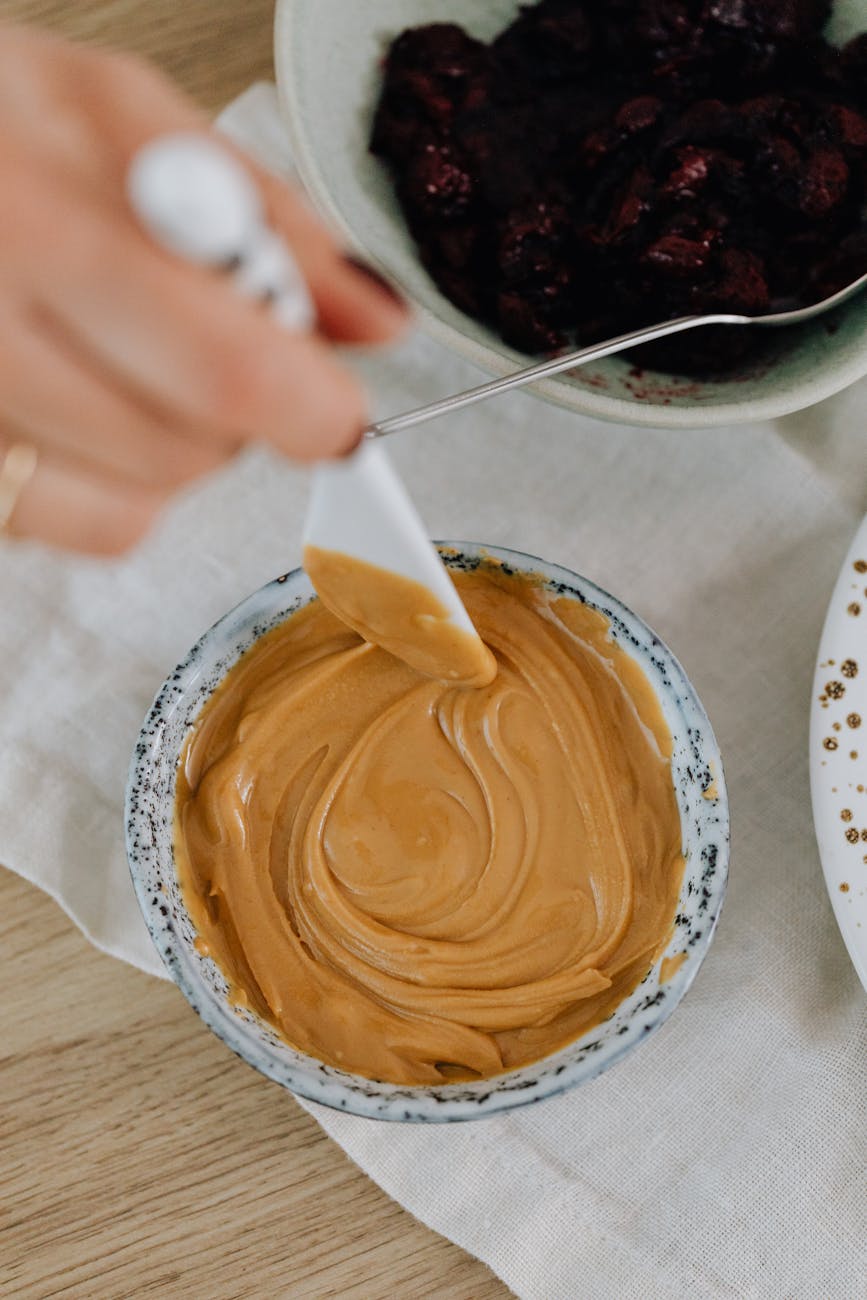
    For decades, I practiced the penitential ritual of mixing organic peanut butter. I wrapped a washcloth around a tablespoon for traction and churned as viscous globs of nut paste and brown sludge slithered up the sides of the jar. The stirring was never sufficient. No matter how heroic the effort, you always discovered fossilized peanut-butter boulders lurking at the bottom, surrounded by a moat of free-floating oil. The jar itself became slick, greasy, faintly accusatory. Still, I consoled myself with the smug glow of dietary righteousness. At least I’m natural, I thought, halo firmly in place.

    Then one day, my virtue collapsed. I sold my soul and bought Stir-Free. Its label bore the mark of the beast—additives, including the much-maligned demon, palm oil—but the first swipe across a bagel was a revelation. No stirring. No resistance. No penance. It spread effortlessly on toast, waffles, pancakes, anything foolish enough to cross its path. The only question that remained was not Is this evil? but Why did I waste decades of my life pretending the other way was better?

    The answer arrived quietly, in the form of my expanding waistline. Because peanut butter had become frictionless, I began consuming it with abandon. Spoonfuls multiplied. Servings lost their meaning. I blamed palm oil, of course—it had a face, a name, a moral odor—but the real culprit was ease. Stir-Free was not just a product; it was an invitation. When effort disappears, consumption accelerates. I didn’t gain weight because of additives. I gained weight because nothing stood between me and another effortless swipe.

    Large Language Models are Stir-Free peanut butter for the mind. They are smooth, stable, instantly gratifying, and always ready to spread. They remove the resistance from thinking, deliver fast results, and reward you with the illusion of productivity. Like Stir-Free, they invite overuse. And like Stir-Free, the cost is not immediately obvious. The more you rely on them, the more your intellectual core softens. Eventually, you’re left with a cognitive physique best described as a pencil-neck potato—bulky output, no supporting structure.

    The promise of a frictionless life is one of the great seductions of the modern age. It feels humane, efficient, enlightened. In reality, it is a trap. Friction was never the enemy; it was the brake. Remove it everywhere—food, thinking, effort, judgment—and you don’t get progress. You get collapse, neatly packaged and easy to spread.

  • The Confessions of a Non-Vegan Vegan

    The Confessions of a Non-Vegan Vegan

    I am a tormented soul, and the battlefield is my plate. I never feel I’m in the right place, and by “place” I mean my eating domain—the psychic terrain between brisket and beans. I was raised on barbecued beef sandwiches, smoky hamburgers, salami hoagies, and charcuterie boards that looked like Renaissance still lifes of cured flesh. And then, over time, my conscience kicked in like a late-arriving bouncer. I began to hear the muffled cries of suffering animals—and the louder groans of my own arteries. I hated that my pleasure depended on the misery of sentient creatures. I wanted clean eating, a clean heart, moral clarity, and the faint sanctimonious glow of vegan virtue hovering above my head like a halo.

    Then I actually paid attention. Veganism, it turns out, isn’t a moral spa retreat; it’s a maze of tradeoffs. Monocrops. Soy fields bulldozing ecosystems. Mice and birds ground into casualties of industrial “compassion.” I realized that evangelizing vegan purity often slides into cultural arrogance—an Instagram-fed smugness that flattens traditions built over centuries of living close to land and climate. Who was I to wag a lentil at an Inuit and say, Have you tried chickpeas? Moral certainty curdled into embarrassment. The world, annoyingly, refused to sort itself into clean categories.

    And then there was love. My family bonds through food, and their love language is meat. Bring home burgers and barbecued chicken and I’m greeted like a returning war hero. Serve curried lentils and I’m exiled to the doghouse with a Tupperware lid for a pillow. So I live as a Non-Vegan Vegan: my heart leans plant-based, but pragmatism, domestic peace, and the gravitational pull of convenience drag me back to the carnivorous center. This is my life—philosophically compromised, nutritionally conflicted, emotionally negotiated. It’s tormented, yes, though still less tormented than the animals sacrificed for the charcuterie board my family will demolish on New Year’s Eve. That thought doesn’t save me. It just makes me chew slower.

  • Discretionary Use Principle

    Discretionary Use Principle

    The Discretionary Use Principle begins with a simple but demanding claim: tools are not inherently good or bad, but they become harmful when used without judgment, proportion, or purpose. Whether we are talking about food, technology, or media, the decisive factor is not purity but discretion—our ability to choose deliberately rather than reflexively. The principle rejects both absolutism and indulgence. It argues instead for a calibrated life, one that privileges nourishment over stimulation, depth over convenience, while still recognizing that modern life occasionally requires shortcuts. This framework is especially useful when thinking about analog versus digital living, where moralized categories often replace careful thinking.

    It is wise to carve out a large, non-negotiable block of each day in which machines are politely but firmly excluded—no screens glowing like anxious faces, no notifications tugging at your sleeve, no algorithm whispering what to want next. Go hike where the trail refuses to optimize itself. Lift weights in a garage with nothing but an AM radio crackling like a distant campfire. Write dreams and grievances by hand in a clothbound notebook while Bach or Coltrane keeps time. This is the analog world, and it feeds parts of the nervous system that silicon cannot reach. In this sense, analog living resembles whole foods: salmon that still tastes like water and muscle, almonds that require chewing, blueberries that stain your fingers. The more time you spend here, the less bloated your spirit becomes. Digital life, by contrast, often behaves like ultra-processed food: frictionless, hyper-palatable, engineered for compulsive return, and strangely unsatisfying no matter how much you consume.

    That analogy works—until it doesn’t. Not all analog living is virtuous, just as not all “whole foods” are benign when eaten without restraint. A steady diet of eggs, clotted cream, or beef heart can quietly undo you. Likewise, not all digital experience is junk. There are serious conversations on social platforms, lucid Substack essays, and educational YouTube channels that sharpen rather than dull attention. The mistake comes when we moralize categories instead of exercising judgment. Ultra-processed food is not a single moral villain; “processed” names a method, not a fate. Steel-cut oats, frozen berries, tofu, canned beans, and whole-grain bread are processed and still nutritionally intact. Even within the ultra-processed aisle, a minimally sweetened protein bar is not the same organism as a fluorescent snack cake designed to bypass satiety. The real danger is not processing itself but the familiar cartel of refined starches, added sugars, industrial fats, flavor engineering, and low nutritional payoff.

    Seen through the Discretionary Use Principle, the lesson is neither to flee the digital world nor to surrender to it. Eat whole foods most of the time. Live analog for long, uninterrupted stretches. But do not shun all processed foods or digital tools out of misplaced virtue. Use them when discretion, efficiency, and purpose demand it. Health—nutritional or psychological—is not preserved by purity tests. It is preserved by attentiveness, proportion, and the ongoing discipline of choosing nourishment over convenience, again and again, without pretending that the choice will ever be automatic.