I was raised to believe that wanting something was reason enough to have it.
Not a suggestion. Not a temptation. A principle.
In the 60s and 70s, appetite was rebranded as intelligence. If you knew how to indulge—food, gadgets, experiences—you weren’t weak. You were evolved. The man who said no looked like a malfunction: tight-lipped, joyless, possibly afraid of his own shadow.
The rest of us were out there chasing pleasure like it was a civic duty.
And I didn’t just participate—I specialized.
I built a life around calibrated indulgence. Watches, food, stimulation. I didn’t impulse-buy; I strategized. I had rotations, hierarchies, justification frameworks. I could explain any purchase with the calm authority of a man who had already made the purchase.
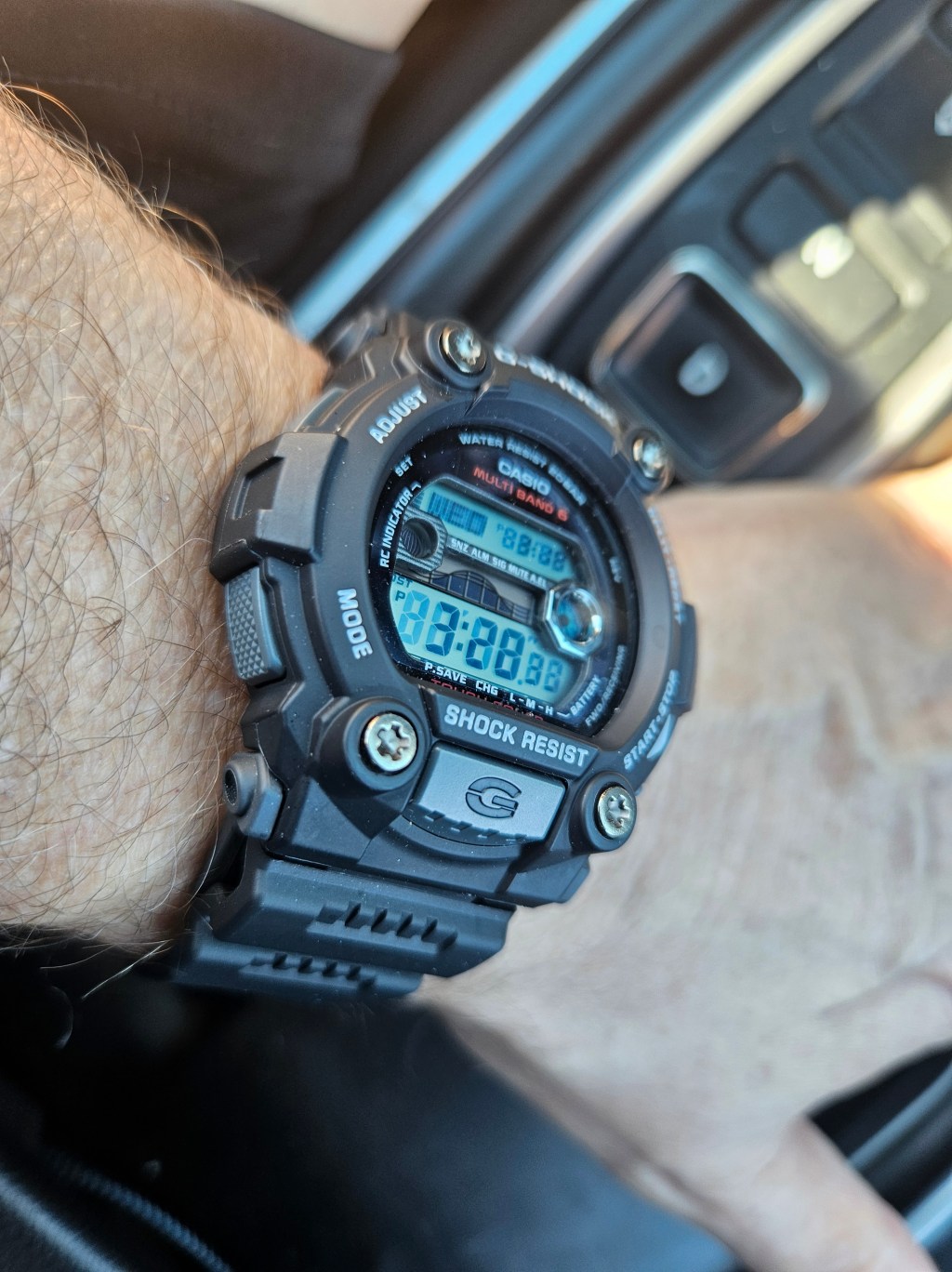
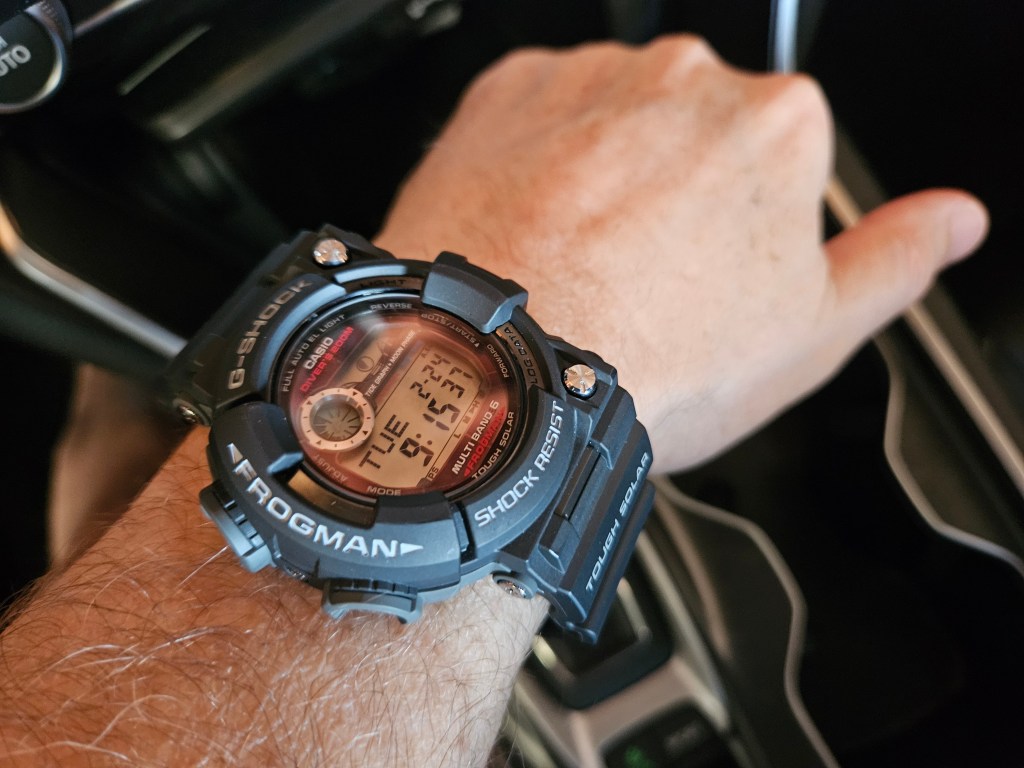
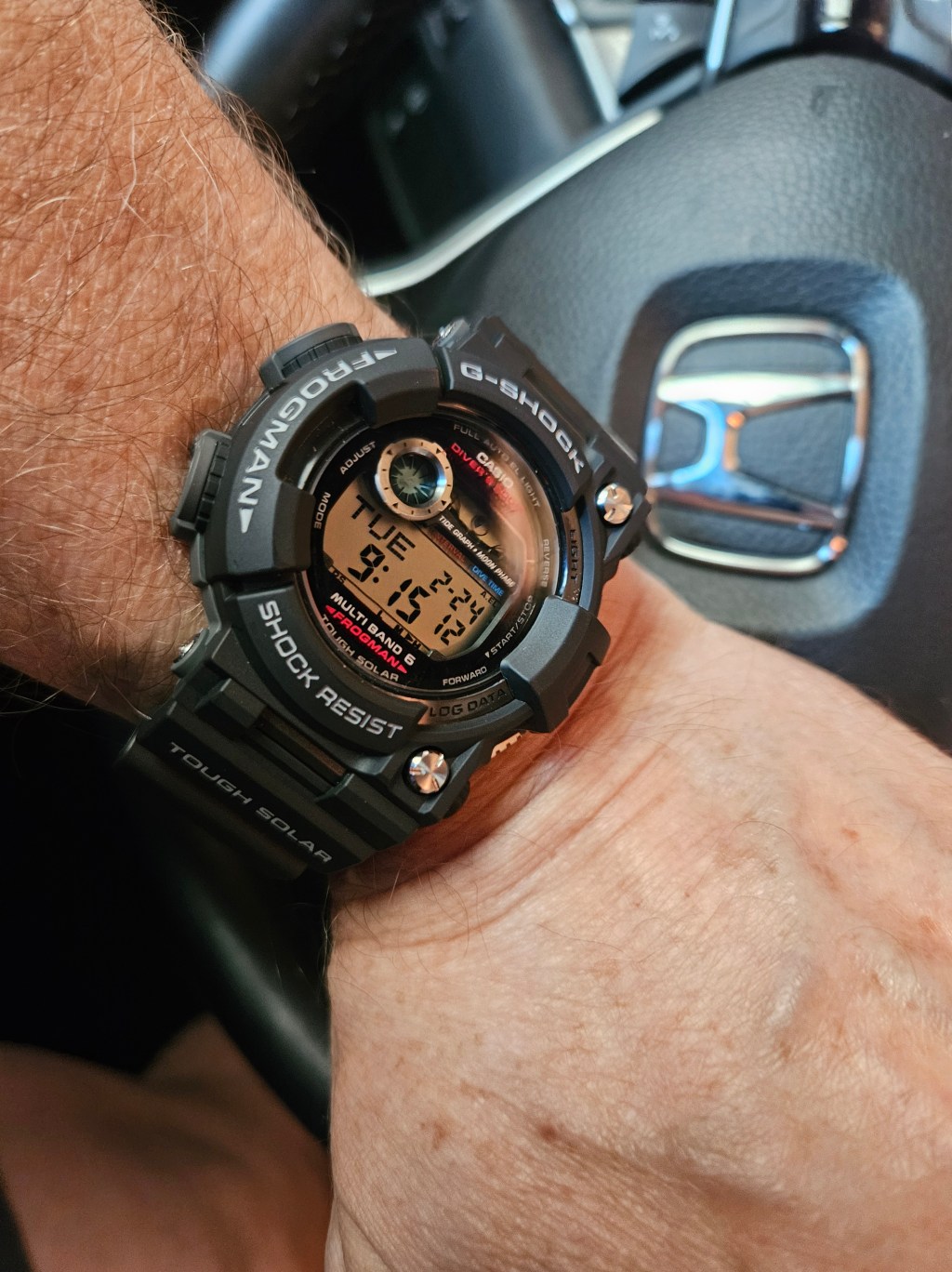
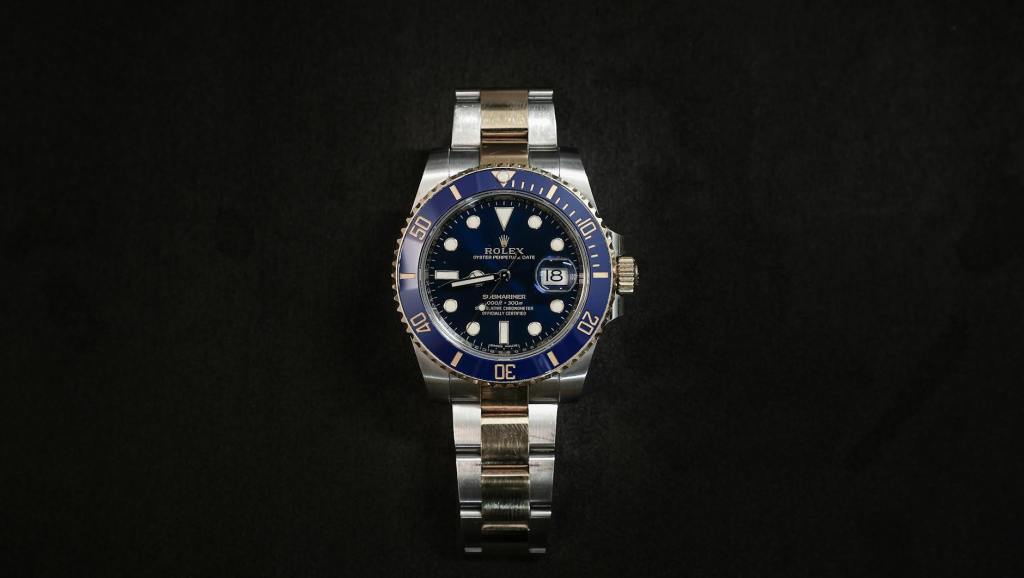
Which is why it’s unsettling—borderline alarming—that I now feel relief that my watch collection is down to seven.
Seven.
At one point, seven watches would have been the warm-up act. Now it feels like silence after a fire alarm. Manageable. Contained. Almost peaceful.
Out of curiosity, I tried to imagine adding just one more watch.
Not buying it—just imagining it.
Within seconds, I felt the familiar anxiety spool up: Where does it fit? When do I wear it? What does it replace? What problem is it solving that doesn’t exist?
That’s when the illusion cracked.
What I used to call “expanding the collection” was actually expanding the burden.
Which led to a thought I’ve spent most of my life avoiding:
What if self-denial isn’t deprivation?
What if it’s relief?
This idea runs against decades of conditioning. My instincts are trained like a high-performance lab animal: stimulus, response, reward. See it. Want it. Acquire it. Repeat until the dopamine system starts filing complaints.
And yet the results are undeniable.
The next watch doesn’t calm me—it destabilizes me.
The next meal doesn’t satisfy me—it expands me.
The next YouTube video doesn’t enlighten me—it hooks me into a slot machine where the jackpot is always one more spin away.
Different behaviors. Same engine.
I’ve spent years obeying impulses that don’t know how to stop—and calling that freedom.
Now I’m starting to see it for what it is: a feedback loop that promises satisfaction and delivers agitation.
So I’m experimenting with a radical intervention.
Not buying the watch.
Not eating the extra food.
Not clicking the next video.
It sounds trivial. It feels trivial. But it isn’t.
Because when you interrupt the impulse—even once—you discover something unexpected: nothing collapses. The urgency fades. The world keeps spinning. You’re still here.
And in that small gap between wanting and doing, something rare appears.
Control.
Self-denial, it turns out, is not a punishment. It’s leverage.
It’s the ability to step between impulse and action and say, “Not this time.” It’s the quiet refusal that breaks the loop. It doesn’t feel dramatic. It feels almost boring. But it works.
Which raises a question I can’t quite shake:
Why did no one make this case to me when I was younger?
Or did they—and I dismissed it because it sounded like the philosophy of people who weren’t having any fun?
Would I have listened? Or would I have reacted the way anyone reacts when you threaten their favorite addiction—with polite skepticism covering a deeper hostility?
Tonight, the old circuitry is still humming.
There’s hunger—not real hunger, but the kind that shows up after dinner with a marketing pitch.
There’s restlessness—the urge to check something, watch something, consume something.
There’s the gravitational pull toward the kitchen and the screen.
I know how this ends.
Stay up late, and discipline dissolves. You eat something unnecessary while watching something forgettable and go to bed slightly disappointed in both.
So I try something different.
Go to sleep.
End the day before the impulses take over.
It’s not heroic. It won’t trend. No one is going to applaud the man who defeated temptation by becoming unconscious.
But it might be the smartest move I make all day.
And still—because habits don’t die quietly—the voice is there, smooth as ever:
I’ll deny myself.
Just not yet.

 Cinemorphosis