Tag: music

  • When Your Bodybuilding Past Still Haunts You

    When Your Bodybuilding Past Still Haunts You

    Last night I dreamed I was illegally transporting a piano.

    This was not a metaphorical illegality. It was a regulatory one. The kind involving helpers, permits, and fines. According to Dream Law, moving a piano required two assistants. I only had one. If caught, I’d be cited. Possibly shamed. I loaded the piano anyway—my beautiful, expensive ebony instrument—into the back of an open truck and drove it from the Bay Area to Southern California, white-knuckled and guilty, like a man smuggling contraband Chopin.

    I was living, temporarily, on a compound owned by a vaguely unsavory man. He was tall, pinch-faced, and always wore a blue suit, the uniform of people who know things you don’t want to know. He had the aura of a community fixer—part mentor, part hustler, part moral hazard. He gave me piano lessons, encouraged me to keep lifting weights, and introduced me to restaurants with the enthusiasm of someone laundering taste through generosity. 

    On the day I was supposed to leave, my anxiety peaked. Rain was coming. The piano sat exposed in the truck bed like a sacrificial offering. One good storm and the ebony would swell, crack, die. I panicked. The trickster waved it off. Go eat lunch, he said. By the time you’re done, the rain might stop. This was either sage advice or the kind of line uttered by men who profit from delay.

    I drove to a nearby restaurant. It was mobbed. People stood outside drinking champagne as if waiting for a table were a lifestyle choice. Inside, servers were popping bottles at a frantic pace—corks flying, foam spilling, the atmosphere halfway between celebration and collapse.

    Then I saw it.

    Mounted beside the menu was a massive poster advertising a local bodybuilding exhibition. And there I was. Not the man I am now. Not the sixty-four-year-old who qualifies for senior discounts and considers fiber intake a moral issue. This was me in my mid-twenties: thick, swollen, carved out of stubborn protein and vanity. A human monument to leg day. I was the marquee attraction.

    The trickster, it turned out, had signed me up to pose in a bodybuilding exhibition without telling me.

    How did he know I’d be staying long enough to star in this marquee event? How did he know the rain would delay me? How did he still have a photo of a body I no longer inhabited? 

    When the diners saw me standing outside, recognition rippled through the room. Glasses paused midair. Heads turned. Then applause broke out. Cheers. My name—my old name—chanted with conviction. I tried to explain. I gestured at my face, my posture, the subtle collapse of time. I wanted to tell them I wasn’t that man anymore. That I now stretch before standing. That I wake up injured. That my biggest competition is inflammation.

    They refused to listen.

    The cheering swallowed my protests. Reality bent. And I understood, I would be showing up to that exhibition—dragging with me a body, an identity, and a past I no longer owned, but which apparently still had bookings.

  • I Forgot the Song, But the Song Didn’t Forget Me

    I Forgot the Song, But the Song Didn’t Forget Me

    Last night I dreamed I was attending an English Department meeting held, for reasons no dream ever explains, in a recreation room with an adjoining outdoor patio. The setting suggested morale had once been a priority, sometime around 1987.

    Inside the rec room, my friend S pressed a pair of earbuds into my hand. They were attached—not metaphorically, but literally—to a CD, which already felt like an archaeological artifact.
    “Do you know this song?” she asked.

    The music was exquisite. Airy. Radiant. It carried that dangerous quality of being both unfamiliar and deeply known, as if it had once lived inside me and quietly moved out without leaving a forwarding address. I admitted I didn’t recognize it.

    She looked at me with the gentlest possible contempt.
    “You burned this for me ten years ago.”

    I felt properly humiliated. Not embarrassed—abased. As if I’d forgotten the name of a childhood friend or my own middle initial. Then she summoned the band’s leader the way dreams do—no door, no introduction, just a man appearing fully formed.

    He was in his late forties, courteous, faintly exhausted, with the posture of someone who has spent years loading gear into vans at 2 a.m. I apologized to him for not recognizing his work. I blamed streaming—how it turns music into sonic wallpaper, a perpetual ambient fog where nothing has to be remembered because everything is always available. In a fit of dream-piety, I vowed to delete every streaming account I owned and return to vinyl, to sacred listening, to LPs spinning on absurdly expensive turntables like a penitent monk.

    He nodded shyly, as if he’d heard this promise before, and vanished.

    The departmental meeting began outside on the patio, but I lingered inside the rec room instead. I changed into a swimsuit for reasons that felt urgent at the time. I ate snacks—salty, comforting, vaguely institutional—and watched my colleagues through the glass as they discussed the usual bullet points: outcomes, alignment, initiatives. I meant to join them. Truly. But the snacks induced a narcotic drowsiness, and I collapsed onto a yellow beanbag chair like a defeated child at a daycare center. I fell asleep.

    When I woke, the meeting was still going on.

    Wrapped in a towel over my bathing suit, I finally wandered outside. My younger colleagues informed me I needed to sign the attendance sheet to get my FLEX hours. Unfortunately, the sign-up sheet had already been placed in a wooden box and sent to Human Resources, which in dream logic felt ominous and final, like evidence sealed in a cold case.

    The secretary waved it off. She would “put me in the system.”

    I thanked her. The meeting droned on. Words floated by without meaning. And all I could think about was that music—its beauty, its ache, its brief visitation. And then, with a second, sharper jolt of recognition, I realized I had forgotten it again.

    The song.
    The band.

    Gone.

  • The Greatest Flex Is Self-Denial

    The Greatest Flex Is Self-Denial

    In case anyone has missed it, Bruce Springsteen is seventy-five years old and still looks like he could outrun most men half his age while singing at full volume. He has the same chiseled body that powered “Born to Run” during my junior year—the song that injected an entire generation with adolescent adrenaline and the belief that escape was always one chorus away. The mystery is not that Springsteen is still performing. The mystery is how he’s performing while appearing carved out of disciplined granite.

    The answer, it turns out, is brutal in its simplicity. Springsteen eats one meal a day. That’s it. No grazing. No late-night negotiations with the pantry. His self-control has apparently spread, too. Chris Martin of Coldplay—another famous man who could afford to eat like a Roman emperor—has sworn off dinner entirely. I find all of this deeply unsettling, not because it’s unhealthy or extreme, but because it’s practiced by people who could easily afford indulgence as a full-time lifestyle.

    That’s the real flex. Not yachts. Not villas. Not decadent excess. The most impressive display of power available to the wealthy is self-denial. These men don’t lack access. They lack excuses. Their discipline quietly points an accusatory finger at the rest of us, and unfortunately, that finger lands squarely on my plate.

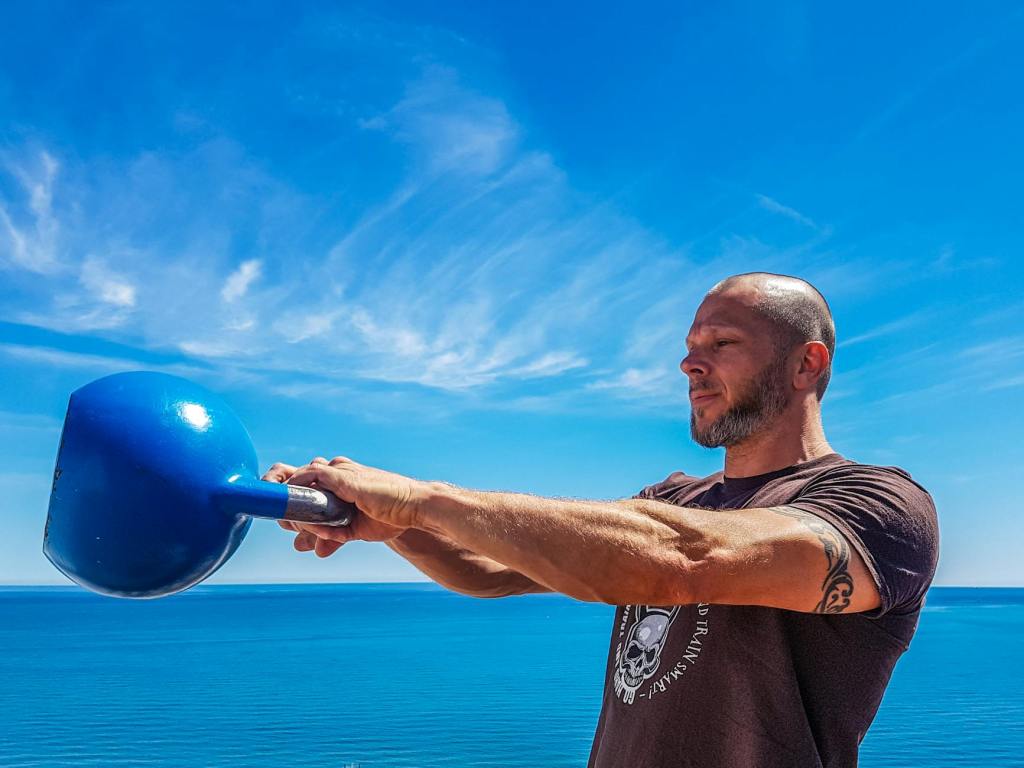
    If I’m being honest—and honesty is the whole problem here—I’m indulgent when it comes to food. Portions creep. Snacks multiply. I carry about twenty pounds that no amount of kettlebells or Schwinn Airdyne heroics can fully offset. Springsteen himself has said that fitness is ninety percent diet, and I resent him for being right. You can’t out-train a refrigerator you keep reopening out of habit.

    So tonight, instead of reaching for another snack, I may watch the latest Bruce Springsteen documentary for moral reinforcement. The man who once soundtracked youthful restlessness may now be offering something rarer: a model of restraint with dignity intact. Cheers to Bruce Springsteen—patron saint of senior citizens who refuse to let dinner win.

  • Applause Collapse and the Perils of a “New Direction”

    Applause Collapse and the Perils of a “New Direction”

    There comes a moment in every watch influencer’s career when he believes—sincerely, even nobly—that his audience is ready to applaud his growth. He has done the hard work. He has pared down. He has purified. Five watches remain, all on straps, each presented as evidence of restraint and moral clarity. The comments are approving. The tone is reverent. He is, at last, becoming free.

    Naturally, this serenity bores him.

    So he shakes things up. Three new watches enter the fold. The collection now stands at eight—four on straps, four on bracelets—symmetry restored, balance achieved. He announces a “new direction.” He films a YouTube video about his “evolving philosophy.” He speaks earnestly of equilibrium, versatility, and personal growth. The framing is careful. The lighting is soft. The music is tasteful. He waits for the applause.

    It does not come.

    Instead, the comment section turns cold. The audience, once indulgent, becomes prosecutorial. I thought you were healing. This feels like relapse. You were doing so well at five. The verdict is unanimous and devastating: the addiction has returned. What’s worse is not the criticism itself, but its accuracy. The influencer feels it immediately, like a clean punch to the ribs. The comments articulate the doubt he was trying not to hear.

    Shame sets in. He replays the video and cringes at his own rhetoric. “Quest for balance” now sounds like a euphemism. The watches feel heavier on the wrist. Within weeks, he detonates the entire enterprise. Seven watches are given away. One remains, kept on a strap, stripped of pleasure and worn more as a reminder than an object of joy. He deletes his YouTube channel. He nukes Instagram. He earns a kettlebell certification. He eats clean. He helps clients. He speaks of social media with quiet contempt, like someone describing a former addiction he has sworn never to touch again.

    This is Applause Collapse: the moment an influencer unveils a carefully staged transformation, expecting affirmation, only to encounter moral disappointment so severe that disappearance feels like the only honest response. It is not the loss of praise that breaks him. It is the realization that the crowd was not watching his journey—they were auditing his compliance.

  • Chuck Klosterman, Joe Montana, and the Shape of Greatness

    Chuck Klosterman, Joe Montana, and the Shape of Greatness

    I’ve been reading—and now listening to—Chuck Klosterman on music and culture for over a decade. He’s a rare specimen: a true hipster precisely because he has no interest in being cool and too much interest in ideas to waste time polishing his image. His new essay collection, Football, keeps that streak alive. I’m consuming it on Audible while trying to erase myself on the Schwinn Airdyne, pedaling hard enough to regret my life choices. Every so often, Klosterman drops a line that forces me to slow the bike, release the upper-body levers, and frantically thumb notes into Google Docs like a deranged monk copying scripture mid-martyrdom.

    Today’s line stopped me cold: “Greatness is about the creation of archetypes.” He was talking about the Beatles. Not record sales. Not chart dominance. Greatness, he argued, is the act of filling an archetypal mold so completely that everyone who follows can only approximate it. They may be talented, even brilliant, but they’re echoes, not origins. The mold has already been cast.

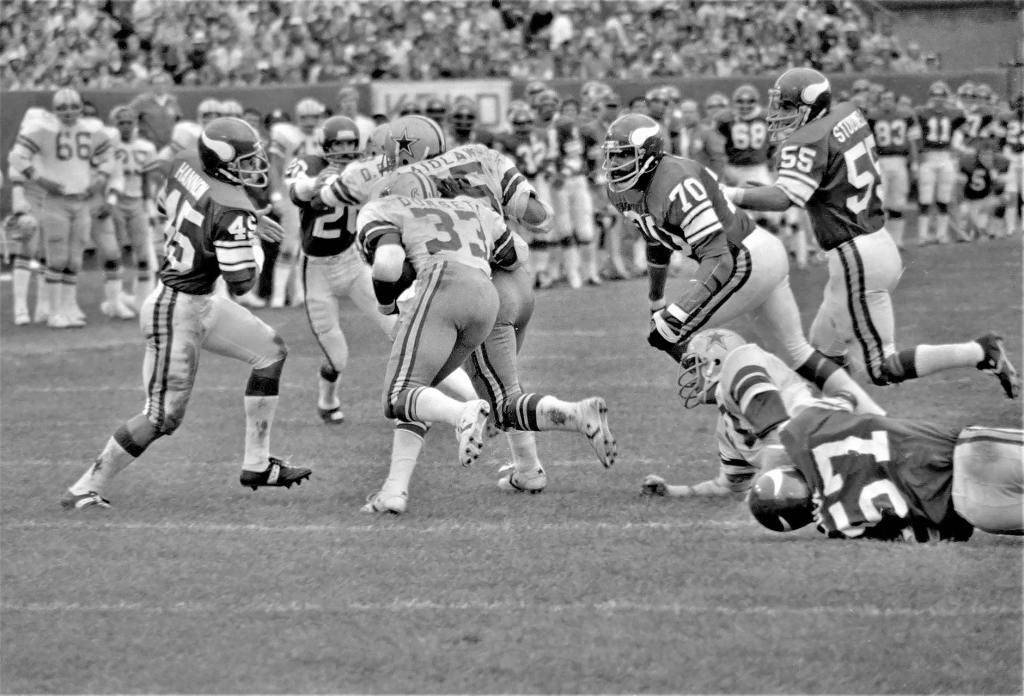
    That idea made me think of Klosterman as a fourth grader, devastated when the Cowboys lost the 1982 NFC Championship to the 49ers on Joe Montana’s pass to Dwight Clark. I was living in the Bay Area then, and Montana instantly became something more than a quarterback. He wasn’t a flamethrower like Elway or a mythic warhorse like Staubach. He was smaller, calmer, unnervingly steady. He slew the Goliath that had humiliated the Niners for years. Montana wasn’t just great—he was David with a slingshot. That archetype mattered more than his stat line, and for a time it made him the greatest quarterback alive.

    I’m not a Beatles devotee, but I understand why people place them on that pedestal. Archetypes don’t require personal devotion; they require recognition. You can see the mold even if you don’t want to live inside it.

    Earlier in the book Klosterman expressed his genuine, hard-earned contempt for Creed—contempt earned the old-fashioned way, through actually listening—and my mind wandered to the opposite of greatness: a strange kind of cultural infamy where a band becomes a symbol rather than a sound. That’s when I realized I’d mixed up Creed with Nickelback, which led me down a brief but intense psychological spiral when I couldn’t find the documentary Hate to Love: Nickelback on Netflix. That film makes it painfully clear that Nickelback’s “crime” is not incompetence or fraud. They’re talented, professional, and wildly successful at pleasing their audience. Their real achievement is unwanted: they became the most socially acceptable band to hate.

    Nickelback’s loathing isn’t sincere. It’s ritualized. Once social media weaponized contempt for them, sneering became a form of virtue signaling—a low-effort way to broadcast cultural superiority without doing the work of listening. Most of the haters probably couldn’t name three songs. The scorn isn’t about music; it’s about belonging.

    Which is why I’d love to talk this through with Klosterman. He’s the right mind for it. Also, he might help me straighten out my chronic band confusion. This isn’t new. When I was five, I used to confuse the Monkees with the Beatles. Apparently, my brain has always had trouble keeping its mop-tops and punchlines in their proper bins.

  • How We Outsourced Taste—and What It Cost Us

    How We Outsourced Taste—and What It Cost Us

    Desecrated Enchantment

    noun

    Desecrated Enchantment names the condition in which art loses its power to surprise, unsettle, and transform because the conditions of discovery have been stripped of mystery and risk. What was once encountered through chance, patience, and private intuition is now delivered through systems optimized for efficiency, prediction, and profit. In this state, art no longer feels like a gift or a revelation; it arrives pre-framed as a recommendation, a product, a data point. The sacred quality of discovery—its capacity to enlarge the self—is replaced by frictionless consumption, where engagement is shallow and interchangeable. Enchantment is not destroyed outright; it is trivialized, flattened, and repurposed as a sales mechanism, leaving the viewer informed but untouched.

    ***

    I was half-asleep one late afternoon in the summer of 1987, Radio Shack clock radio humming beside the bed, tuned to KUSF 90.3, when a song slipped into my dream like a benediction. It felt less broadcast than bestowed—something angelic, hovering just long enough to stir my stomach before pulling away. I snapped awake as the DJ rattled off the title and artist at warp speed. All I caught were two words. I scribbled them down like a castaway marking driftwood: Blue and Bush. This was pre-internet purgatory—no playlists, no archives, no digital mercy. It never occurred to me to call the station. My girlfriend phoned. I got distracted. And then the dread set in: the certainty that I had brushed against something exquisite and would never touch it again. Six months later, redemption arrived in a Berkeley record store. The song was playing. I froze. The clerk smiled and said, “That’s ‘Symphony in Blue’ by Kate Bush.” I nearly wept with gratitude. Angels, confirmed.

    That same year, my roommate Karl was prospecting in a used bookstore, pawing through shelves the way Gold Rush miners clawed at riverbeds. He struck literary gold when he pulled out The Life and Loves of a She-Devil by Fay Weldon. The book had a charge to it—dangerous, witty, alive. He sampled a page and was done for. Weldon’s aphoristic bite hooked him so completely that he devoured everything she’d written. No algorithm nudged him there. No listicle whispered “If you liked this…” It was instinct, chance, and a little magic conspiring to change a life.

    That’s how art used to arrive. It found you. It blindsided you. Life in the pre-algorithm age felt wider, riskier, more enchanted. Then came the shrink ray. Algorithms collapsed the universe into manageable corridors, wrapped us in a padded cocoon of what the tech lords decided counted as “taste.” According to Kyle Chayka, we no longer cultivate taste so much as receive it, pre-chewed, as algorithmic wallpaper. And when taste is outsourced, something essential withers. Taste isn’t virtue signaling for parasocial acquaintances; it’s private, intimate, sometimes sacred. In the hands of algorithms, it becomes profane—associative, predictive, bloodless. Yes, algorithms are efficient. They can build you a playlist or a reading list in seconds. But the price is steep. Art stops feeling like enchantment and starts feeling like a pitch. Discovery becomes consumption. Wonder is desecrated.

  • Ozempification: A Cautionary Tale

    Ozempification: A Cautionary Tale

    The 2025 Los Angeles wildfires, blazing with apocalyptic fury, prompted me to do something I hadn’t done in years: dust off one of my radios and tune into live local news. The live broadcast brought with it not just updates but an epiphany. Two things, in fact. First, I realized that deep down, I despise my streaming devices—their algorithm-driven content is like an endless conveyor belt of lukewarm leftovers, a numbing backdrop of music and chatter that feels canned, impersonal, and incurably distant. Worst of all, these devices have pushed me into a solipsistic bubble, a navel-gazing universe where I am the sole inhabitant. Streaming has turned my listening into an isolating, insidious form of solitary confinement, and I haven’t even noticed.

    When I flipped on the radio in my kitchen, the warmth of its live immediacy hit me like a long-lost friend. My heart ached as memories of radio’s golden touch from my youth came flooding back. As a nine-year-old, after watching Diahann Carroll in Julia and Sally Field in The Flying Nun, I’d crawl into bed, armed with my trusty transistor radio and earbuds, ready for the night to truly begin. Tuned to KFRC 610 AM, I’d be transported into the shimmering world of Sly and the Family Stone’s “Hot Fun in the Summertime,” Tommy James and the Shondells’ “Crystal Blue Persuasion,” and The Friends of Distinction’s “Grazing in the Grass.” The knowledge that thousands of others in my community were swaying to the same beats made the experience electric, communal, alive—so unlike the deadening isolation of my curated streaming playlists.

    The fires didn’t just torch the city—they laid bare the fault lines in my craving for connection. Nostalgia hit like a sucker punch, sending me down an online rabbit hole in search of a high-performance radio, convinced it could resurrect the magic of my youth. Deep down, a sardonic voice heckled me: was this really about better reception, or just another pitiful attempt by a sixty-something man trying to outrun mortality? Did I honestly believe a turbo-charged radio could beam me back to those transistor nights and warm kitchen conversations, or was I just tuning into the static of my own existential despair?

    Streaming had wrecked my relationship with music, plain and simple. The irony wasn’t lost on me either. While I warned my college students not to let ChatGPT lull them into embracing mediocre writing, I had let technology seduce me into a lazy, soulless listening experience. Hypocrisy alert: I had become the very cautionary tale I preached against.

    Enter what I now call “Ozempification,” inspired by that magical little injection, Ozempic, which promises a sleek body with zero effort. It’s the tech-age fantasy in full force: the belief that convenience can deliver instant gratification without any downside. Spoiler alert—it doesn’t. The price of that fantasy is steep: convenience kills effort, and with it, the things that actually make life rich and rewarding. Bit by bit, it hollows you out like a bad remix, leaving you a hollow shell of passive consumption.

    Over time, you become an emotionally numb, passive tech junkie—a glorified NPC on autopilot, scrolling endlessly through algorithms that decide your taste for you. The worst part? You stop noticing. The soundtrack to your life is reduced to background noise, and you can’t even remember when you lost control of the plot.

    But not all Ozempification is a one-way ticket to spiritual bankruptcy. Sometimes, it’s a lifeline. GLP-1 drugs like Ozempic can literally save lives, keeping people with severe diabetes from joining the ranks of organ donors earlier than planned. Meanwhile, overworked doctors are using AI to diagnose patients with an accuracy that beats the pre-AI days of frantic guesswork and “Let’s Google that rash.” That’s Necessary Ozempification—the kind that keeps you alive or at least keeps your doctor from prescribing antidepressants instead of antibiotics.

    The true menace isn’t just technology—it’s Mindless Ozempification, where convenience turns into a full-blown addiction. Everything—your work, your relationships, even your emotional life—gets flattened into a cheap, prepackaged blur of instant gratification and hollow accomplishment. Suddenly, you’re just a background NPC in your own narrative, endlessly scrolling for a dopamine hit like a lab rat stuck in a particularly bleak Skinner box experiment.

    As the fires in L.A. fizzled out, I had a few weeks to prep my writing courses. While crafting my syllabus and essay prompts, Mindless Ozempification loomed large in my mind. Why? Because I was facing the greatest challenge of my teaching career: staying relevant when my students had a genie—otherwise known as ChatGPT—at their beck and call, ready to crank out essays faster than you can nuke a frozen burrito.

    After four years of wrestling with AI-assisted essays and thirty-five years in the classroom, I’ve learned something unflattering about human nature—especially my own. We are exquisitely vulnerable to comfort, shortcuts, and the soft seduction of the path of least resistance. Given enough convenience, we don’t just cut corners; we slowly anesthetize ourselves. That quiet slide—where effort feels offensive and difficulty feels unnecessary—is the endgame of Ozempification: not improvement, but a gentle, smiling drift toward spiritual atrophy.

  • Flashback to Tony Banks’ “Afterglow”

    Flashback to Tony Banks’ “Afterglow”

    The podcast conversation between Andrew Sullivan and George Packer left me with a kind of Boomer melancholia: the sense that the world is shifting beneath our feet while we stand rooted in place. The young don’t believe in our institutions, our democracy, or our economic promises. We no longer share a common reality; instead, we inhabit digital bunkers curated by conspiracy brokers who can elevate grifters to national power. Boomers—myself included—feel sidelined, stunned, and a little ghostlike as a new world rises and shrugs us off. I carry that heaviness alongside the throb of my torn rotator cuff, which still jerks me awake at two in the morning. My shoulder and my generation feel similarly compromised: stiff, unreliable, and unable to perform the way they once did.

    These thoughts ambushed me this afternoon as I walked into my bedroom to grab my things before picking up my daughters from high school. Out of nowhere, a song from my teens surfaced—Genesis’s “Afterglow,” written by Tony Banks. It appears on A Trick of the Tail, but the definitive version is Phil Collins’s live performance on Seconds Out, where the ache in his voice makes the song feel like a confession. The narrator wakes from a spiritual coma to realize the world he trusted is gone and he’s broken along with it. In that ruin, he yearns to surrender himself to something higher—love, purpose, the purifying clarity of devotion. It reminded me of Nick Cave’s conversation on Josh Szeps’s Uncomfortable Conversations, where Cave describes his own devotional temperament and his hunger for transformation. “Afterglow” feels like the soundtrack to that kind of awakening.

    But not everyone hungers for that kind of epiphany. I’m not sure my heroes Larry David, George Carlin, or Fran Lebowitz would ever have an Afterglow Moment, and I don’t think they should be judged for it. Some people thrive without chasing transcendence. I know that I, like Nick Cave, feel broken in a broken world and remain open to whatever cleansing revelation might come. But I don’t mistake that for a universal template. If I ever had an Afterglow Moment and found myself at dinner with Fran Lebowitz, I’d keep the whole thing to myself. There’s no reason to evangelize the converted—or the happily unconcerned.

  • The World’s Unwanted Alarm Clock

    The World’s Unwanted Alarm Clock

    No one warned me, but I should have seen it coming: creeping toward your mid-sixties is less a rite of passage than a crisis of competence. Or, to be precise, it’s a progressive misalignment with the modern world. You drop references to Danish Go-Rounds, Screaming Yellow Zonkers, Tooter Turtle, and All in the Family and watch blank faces stare back at you. You still assume that appliances are built with the sturdiness of yesteryear, only to find that today’s models disintegrate if you breathe on them sideways. This misalignment breeds a special kind of incompetence—egregious, preventable, humiliating.

    You can swallow vats of triglyceride omega-3 fish oil, but the short-term memory still slips away without mercy. You forget where you parked your socks (on the couch), that you meant to watch the final episode of that crime docuseries on Netflix, that a Costco-sized case of 12-gallon trash bags lurks in the garage, or that you already ground tomorrow’s coffee beans. The indignities pile up like unopened mail.

    These lapses, coupled with your fossilized references to extinct foods and beloved TV shows, render you a creature out of phase with the universe—an alien with wrinkles, blinking in confusion, flashing your unearned senior discount at the box office like it’s a badge of relevance.

    You can flex all you want against this verdict. Wolf down 200 grams of protein daily, clang kettlebells in the garage, and polish yourself into the semblance of a beaming bodybuilder who could pass for forty-four instead of sixty-four. But that delusion ends the second you get behind the wheel at night. Your depth perception is a cruel joke. The glare of headlights and streetlamps slices into your worn irises like laser beams, reminding you that biology—not discipline—is running the show.

    Like it or not, you’re aging in real time, a public spectacle of decline, the unwelcome prophet of mortality who shatters the younger generation’s illusion that time is indefinite. To them, you are as pleasant a presence as a neighbor’s dog barking at a squirrel at six a.m.—loud, unnecessary, and impossible to ignore.

    Congratulations–you’ve become the world’s unwanted alarm clock. 

  • How The Monkees Taught Me That the Intellectual Can Beat the Bodybuilder and Inspired a Song

    How The Monkees Taught Me That the Intellectual Can Beat the Bodybuilder and Inspired a Song

    October 16, 1967, was a victory for the writers of cynicism. It was the day I learned the universe doesn’t give a damn. This was the day the veil was lifted. I was five, just shy of my sixth birthday, watching The Monkees, blissfully unaware that my entire worldview was about to be wrecked. The episode? “I Was a 99-lb. Weakling.” The plot? Micky Dolenz, the Monkee I admired most, gets metaphorically pancaked by Bulk, a human monument of muscle played by Mr. Universe Dave Draper. Bulk was no ordinary gym rat; he was a colossus in Speedos, the prototype Schwarzenegger. Worse, he stole Brenda, the beach goddess, right out from under Micky’s nose.

    Micky, desperate to win her back, did what any of us would: he signed up for Weaklings Anonymous. Their solution? Hoisting weights the size of small cars and downing fermented goat milk curd—an elixir I can only assume tasted like liquid despair. He even sold his drum set, jeopardizing the band’s future, all to build enough brawn to challenge Bulk.

    And for what? Brenda, fickle as fate, had a sudden epiphany—muscles were passé. She ditched Bulk for a scrawny intellectual buried in Remembrance of Things Past. Apparently, Proust’s multivolume exploration of memory and ennui was hotter than biceps.

    There, in front of my Zenith TV, I watched Micky’s heart crumple, and with it, mine. The moral of the story was clear and soul-crushing: hard work guarantees nothing. You could sacrifice, sweat, and sip goat curd until you resembled a Greco-Roman statue, only to find the universe had other plans—plans that favored nerds with library cards.

    The Monkees changed everything. The show taught me the brutal truth of irony: things don’t go the way as planned. I didn’t have the word for irony as a five-year-old, but I could feel it sending an existential chill through my bones. 

    As the decades passed, I finally processed that childhood memory into a piano song I wrote, titled “The Heartbreak of Micky Dolenz”: