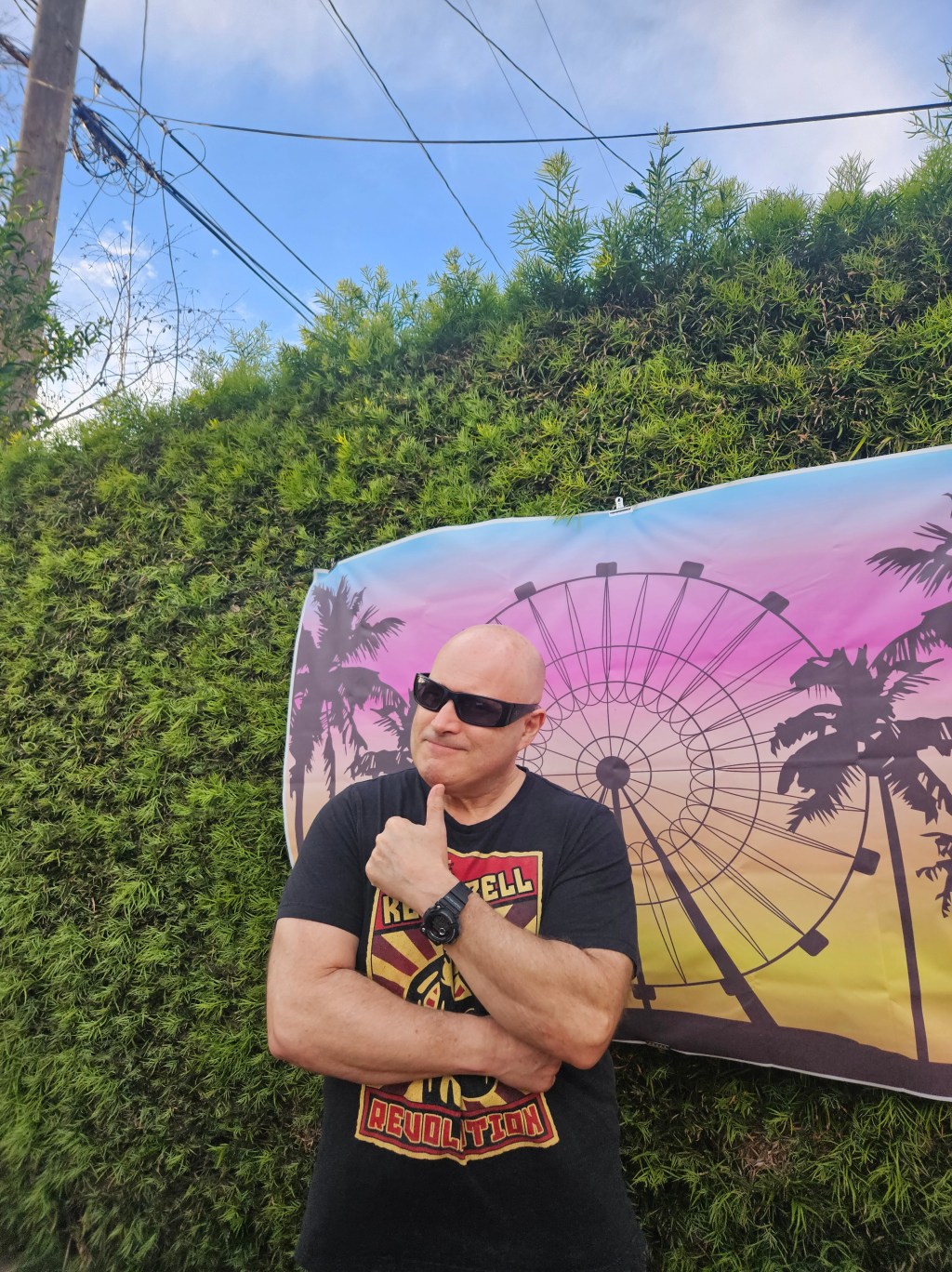
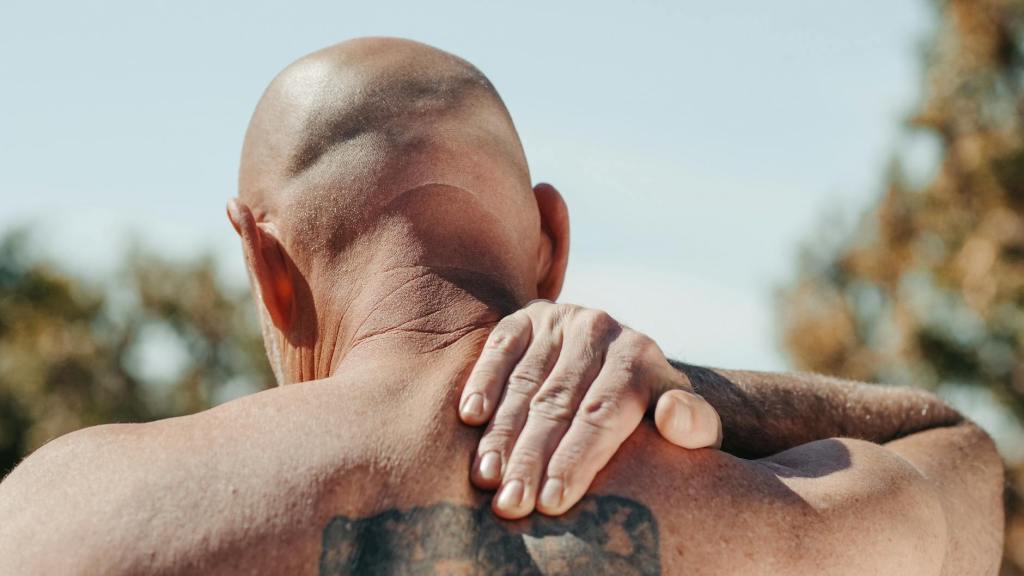
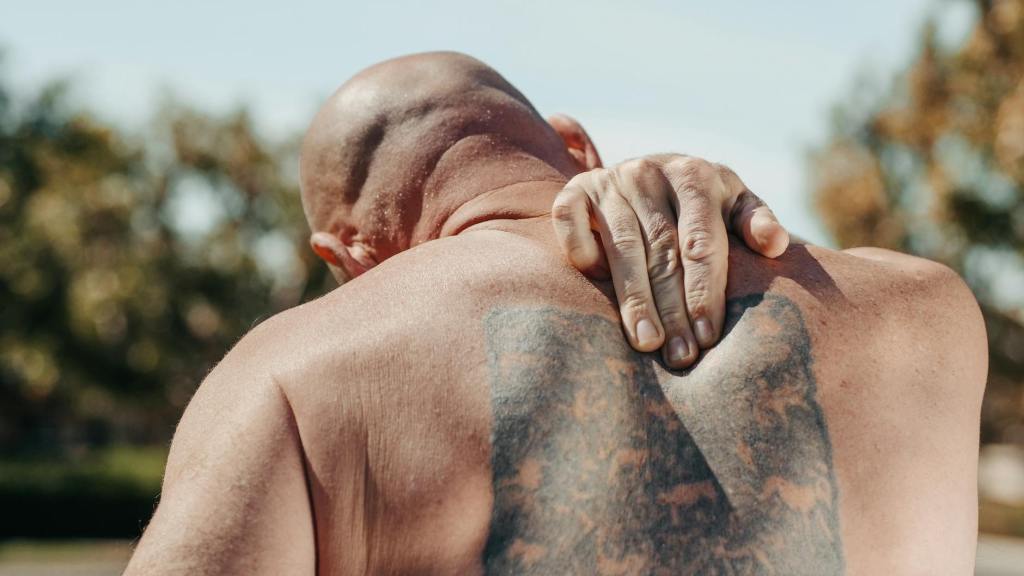
In late August of 2025, I tore my left rotator cuff.
It wasn’t my first encounter with the injury. I had damaged the same shoulder in the 1990s and again in the early 2000s while chasing bigger bench presses. Those injuries announced themselves with unmistakable violence. I felt the shoulder give way beneath the weight, and in that instant I knew exactly what I had done.
This time was different.
During my kettlebell workout, nothing seemed wrong. No sharp pain. No alarming pop. No dramatic warning that I had crossed a line.
The verdict arrived the following morning.
I woke to a shoulder that had quietly mutinied overnight.
The culprit wasn’t one reckless repetition but accumulated stupidity. At sixty-three, I had somehow convinced myself that five heavy kettlebell workouts every week was a sensible training program. My rotator cuff politely disagreed.
I saw an orthopedic specialist, received the diagnosis, and was offered surgery.
I declined.
Instead, I committed myself to physical therapy. Resistance bands replaced heavy iron. Tiny, almost laughably simple exercises became my daily ritual. Progress came not in dramatic breakthroughs but in stubborn millimeters. Slowly, almost imperceptibly, I climbed out of rotator cuff purgatory.
Ten months later, the pain is gone.
My range of motion has returned.
I wake without the familiar ache that once greeted me every morning.
Most importantly, I never needed surgery.
At sixty-four, I consider that outcome a gift.
Even so, I no longer pretend the injury never happened.
It changed me.
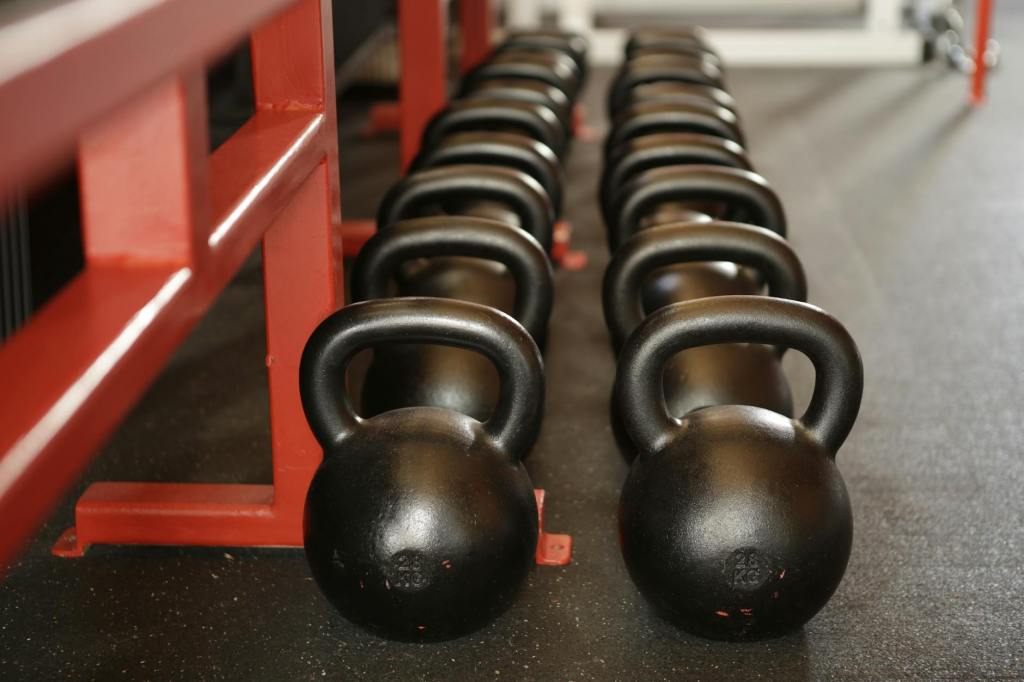
First, I accept that my shoulder probably isn’t what it once was. I no longer possess the same explosive confidence during overhead presses and kettlebell thrusters. Rather than arguing with reality, I simply reach for lighter weights.
Second, I train less often and recover more. Three kettlebell workouts each week are enough. I insist on at least twenty-four hours between resistance sessions, particularly those involving my upper body. On the days in between, I happily climb aboard my exercise bike for an hour of steady cardio.
Third, I have abandoned my fascination with heavier numbers. Rows, swings, goblet squats—everything has become lighter. Instead of chasing personal records, I chase rhythm, consistency, and smooth movement. My joints have become more valuable to me than my ego.
Finally, I’ve learned to exercise with gratitude.
For decades I treated workouts as obligations or competitions. Now they feel more like privileges. Every pain-free session reminds me that movement is something to appreciate rather than assume. Respect has replaced bravado. Caution has replaced impatience.
Looking back, I feel as though I dodged a bullet.
The outcome wasn’t perfect. My shoulder carries its history with it, and so do I.
But I also can’t ignore the alternative futures that never arrived. Surgery never came. Chronic pain never settled in. Permanent disability never took hold.
Instead, I recovered about as well as a man could reasonably hope after fifty-two years of asking his body to lift heavy things and three months before his sixty-fifth birthday.
That realization has changed my definition of strength.
Strength is no longer measured by the amount of weight hanging from a kettlebell.
It is measured by the wisdom to keep showing up tomorrow.

 Cinemorphosis