Chief among your apartment acquaintances in the godforsaken desert was Leonard Skeazy, an attorney from Santa Monica who had been lured out to this sun-scorched outpost by a fat signing bonus and a monogrammed office chair, yet couldn’t shake the gnawing resentment of having been exiled to what he considered a cultural wasteland. Leonard treated “style” not as a preference but as a full-blown religion. He wore custom-made Speedos purchased at a boutique in Santa Monica—yes, he actually made return trips to the city just to replace them when the pool’s chlorine dulled the jewel tones of his sacred spandex.
With his long, curly hair and eerie, borderline-glasslike blue eyes, Leonard looked like a lounge singer who never graduated from the Holiday Inn circuit. He was a man of eccentric habits and hygiene choices that defied both logic and cologne. Despite being well into his thirties, he clung to the bachelor fantasy of meeting “the right girl,” though his criteria seemed more fitting for a dating pool in Cannes than in a desert town where a GED qualified you as a local intellectual.
Leonard could be found most afternoons sprawled poolside, his skin glistening like a buttered croissant under the sun, blasting Kenny G from his battered boombox as if smooth jazz were some pheromonal weapon. His breath often carried the unmistakable bouquet of last night’s Chardonnay, perfectly matched by his habit of sneaking sips from boxes of white wine stashed like contraband in the fridge.
Curiosity—and let’s be honest, a lack of better options—led you to visit Leonard’s apartment one day. It was a bachelor pad in the bleakest sense. Despite his high income, his apartment felt like a holding cell with Wi-Fi. The living room featured a single couch, a TV perched on cinder blocks, and—because tragedy loves detail—an ironing board, which he used religiously to press his endless collection of gaudy silk ties. The walls were as blank as his emotional availability, barren beige expanses that caught the flicker of the TV and projected ghostly shadows over the serpentine lines of his slithering tie rack.
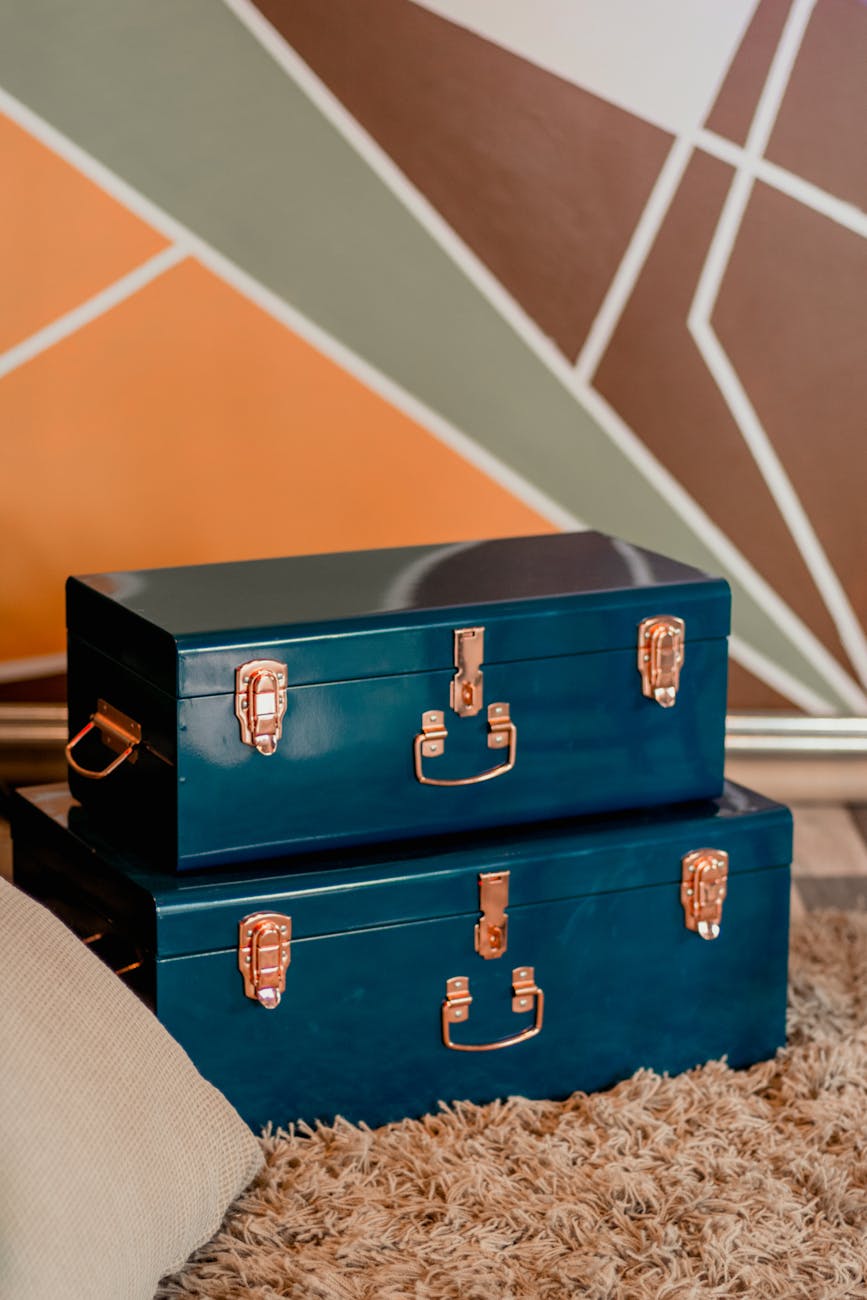
Then there was the bedroom. No dresser. No closet system. Just three open suitcases that served as a rotating archive of silk shirts, vintage cologne, and desperation. It was as if he’d never truly unpacked—a subconscious protest against the idea that he’d actually settled in this armpit of a town. The fridge, naturally, was a tundra of emptiness save for—you guessed it—more boxes of white wine. This was a man who had chased the scent of money straight into the middle of nowhere, only to insist he hadn’t actually arrived.
Leonard was a ghost haunting his own life. A man who treated his presence in this town like an extended layover, still clinging to the fantasy that he’d be boarding a first-class escape back to the coastal glamour of a life he probably never really had. You couldn’t help but wonder: what kind of man gets seduced by a fat paycheck only to spend his days in self-imposed purgatory, where the only things thriving are his excuses and his growing graveyard of faded Speedos?
You supposed it was easier for Leonard to pretend he was just “passing through” than to admit that he was, in fact, a permanent exhibit in this forgotten museum of stalled ambition—a relic draped in silk and denial, clinging to the illusion of a life that had long since evaporated.
 Cinemorphosis
Leave a comment