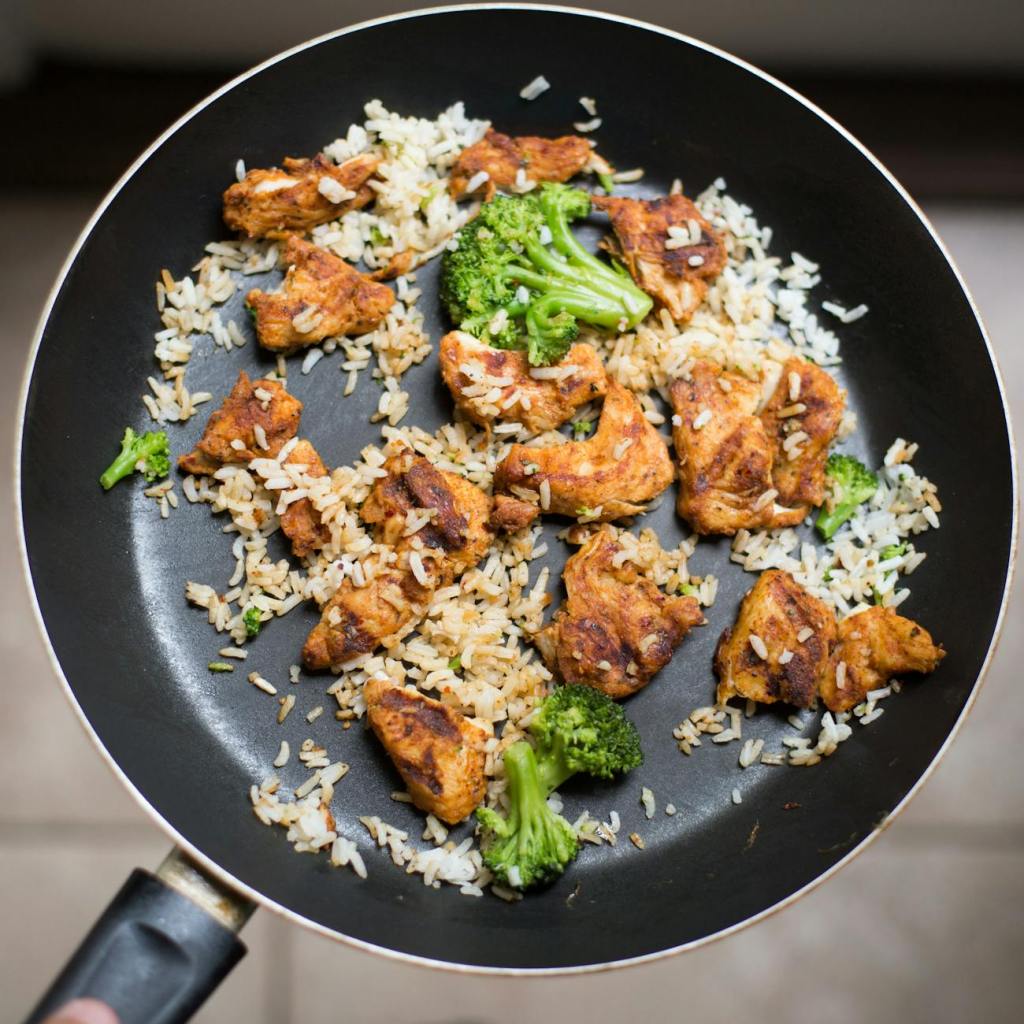
A few years ago, my wife and I attempted a moral upgrade. We bought top-tier stainless steel pans—clean, durable, virtuous. The kind of cookware that suggests you’ve finally grown up. What we actually got was a daily demonstration of failure. Meat clung to the surface like it had signed a lease. Eggs fused themselves into modern art. Dinner became a split decision: half of it made it to our plates, the other half calcified into a crust we had to chisel off like archaeologists of our own incompetence.
So we retreated to ceramic nonstick—the promise of safety without the suffering. And to be fair, it worked. Eggs slid. Meat behaved. For a few months, we lived in a frictionless utopia. Then the decline began. The surface lost its glide, the cleanup grew less effortless, and by the one-year mark, the pan looked like it had survived a minor war. We replaced it. Then replaced it again. Three pans in three years. Smooth sailing followed by predictable decay.
Now I’m floating a compromise: carbon steel for meat, ceramic reserved strictly for eggs. On paper, it’s elegant. Carbon steel rewards discipline—season it, preheat it, clean it promptly—and in return, it gives you something close to permanence. But the fine print matters. Acidic sauces erode seasoning. One careless move and the pan reverts to its old habits, clinging and punishing. You can follow the rules and still lose.
If I’m honest, I suspect this experiment will end the same way the others did: with a sigh and another $100 ceramic pan purchased in quiet resignation. I’ve started calling this cycle the Lazy Tax—not because we’re lazy in the crude sense, but because we refuse to turn dinner into a technical exercise. We don’t want to manage a pan like it’s a piece of lab equipment. And yet the alternative is paying annually for convenience that quietly expires.
That’s the real tension. If something feels like a job and only delivers a marginal improvement, you won’t sustain it. You default to ease. But ease has a cost. It trims your skill set, narrows your tolerance for friction, and charges your credit card for the privilege. In the end, you’re not just buying pans—you’re renting competence.
 Cinemorphosis
Leave a comment