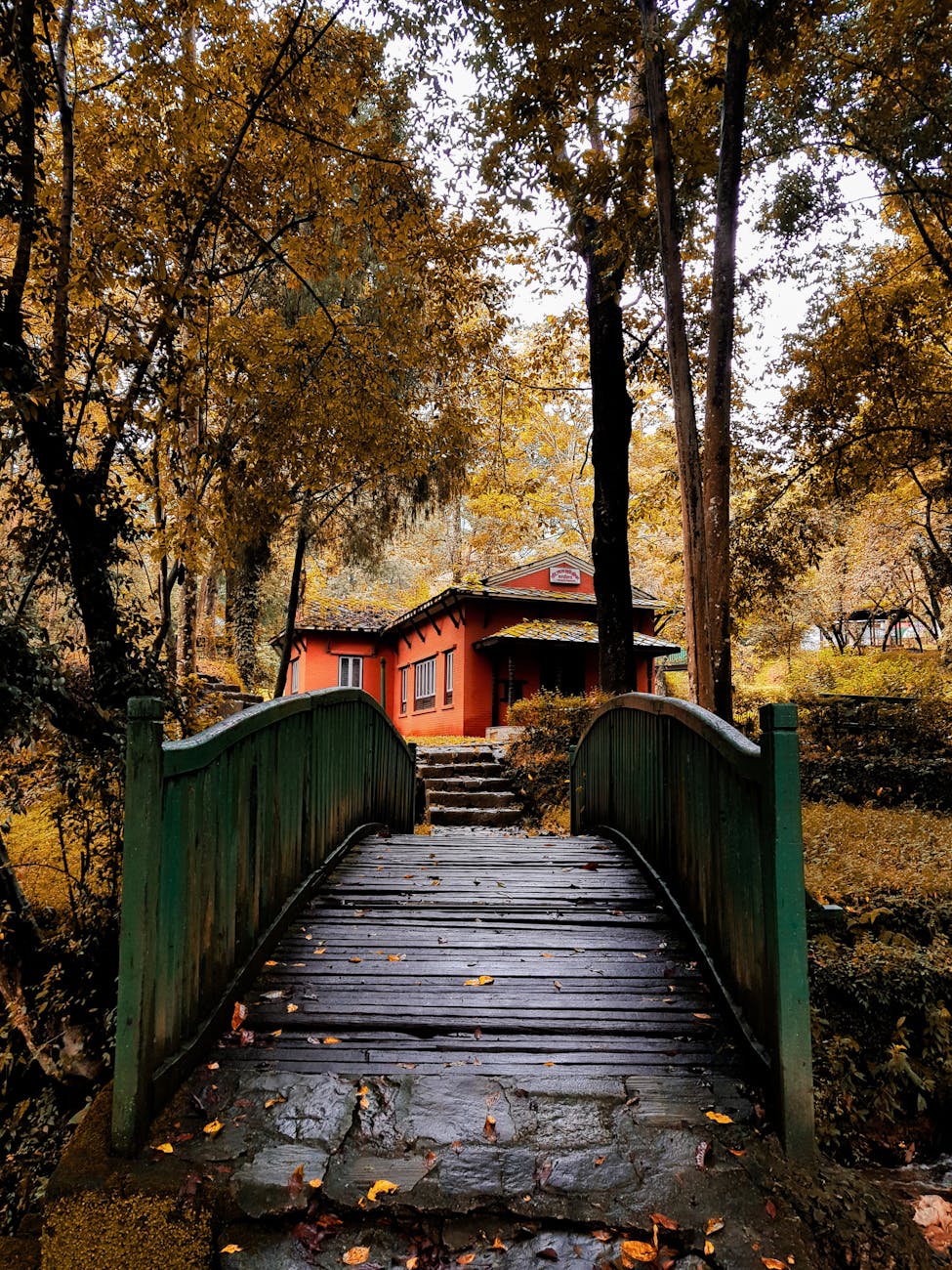
I dreamed last night that I was lost along the California–Oregon border, swallowed by those lush, overconfident woods that seem to grow not just trees but disorientation itself. Out of that green excess, I stumbled onto a large house. It was too warm, too lit, too certain of its place in the world. Inside were people I hadn’t seen in decades: my old high school acquaintances. They had aged on paper–engineers, doctors, the usual résumé parade–but at the dinner table they wore their adolescent selves like a second skin. The same faces, the same postures, as if time had added credentials but declined to age them physically.
They kept arriving from side rooms, as if the house were a memory with too many doors. Soon there were a dozen of them seated at a long table, the surface crowded with platters, tureens, and bowls exhaling fragrant steam like a benevolent fog. They welcomed me with an ease that felt rehearsed by kindness itself. Dishes appeared, were passed, insisted upon. They asked what had become of me. The question was polite on its face, but they implicitly felt sorry for me.
For a while I occupied the heady seat of attention. Then, as naturally as a tide recedes, their focus shifted back to one another–the practical side of their lives: projects, patients, schedules, mortgages. I felt the small withdrawal and, in that petty reflex one hates to recognize, tried to reclaim the floor. I blurted out a macabre fact about how some ordinary food, under the right conditions, could turn lethal. I pitched it as a funny tidbit, but it landed like a dropped utensil. They didn’t rebuke me; they simply continued, the conversation closing over my interruption as water splashes over a stone.
Ignored but not injured, I watched them. What struck me wasn’t their success; it was their wholesomeness and innocence. No guile, no ambient spite, none of the low-grade cynicism that passes for sophistication. Their intelligence didn’t sour into cleverness; it steadied into clarity. They had chosen this life—steady, decent, bounded—not because they were naive, but because they had measured the alternatives and declined them. That was the unsettling part: their goodness was not accidental. It was willed.
I felt a quiet melancholy then, a recognition as clean as it was unwelcome. Between us stood an invisible partition—no hostility, just difference. They were the children of light. I was the man who had wandered out of the woods and discovered, too late, that I was still lost.
 Cinemorphosis
Leave a comment