Category: Confessions

  • The Man of Rotation

    The Man of Rotation

    My family gave me a custom T-shirt last Christmas emblazoned with “Man of Rotation.” It wasn’t a compliment; it was a diagnosis. They were mocking the fact that I rotate everything like a monk tending sacred relics.

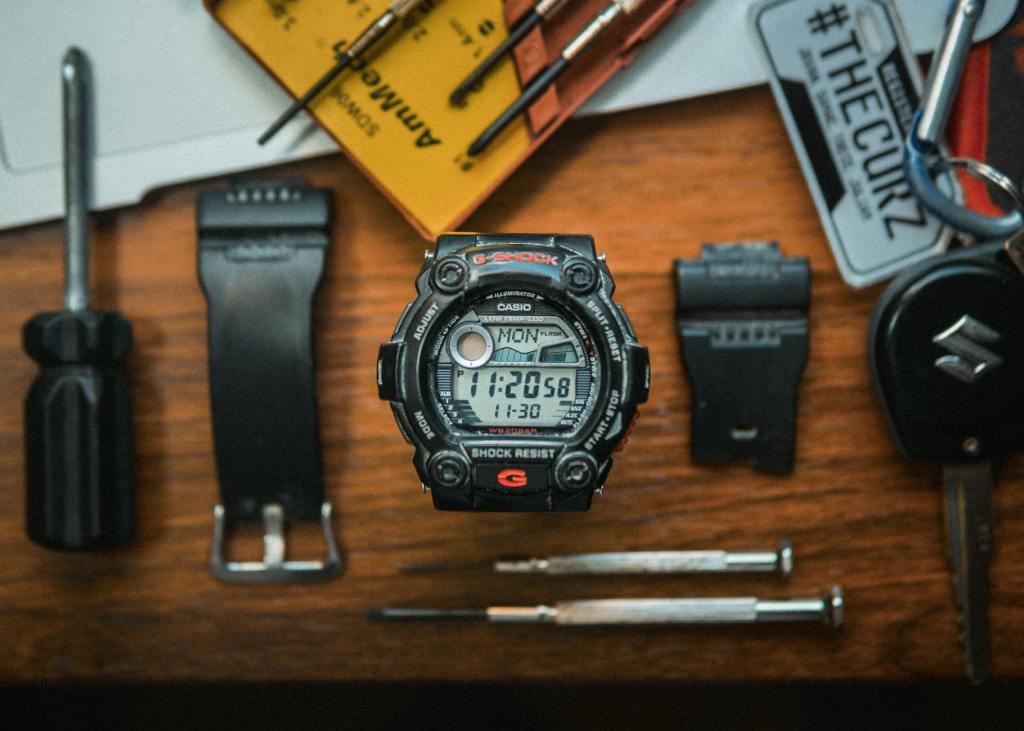
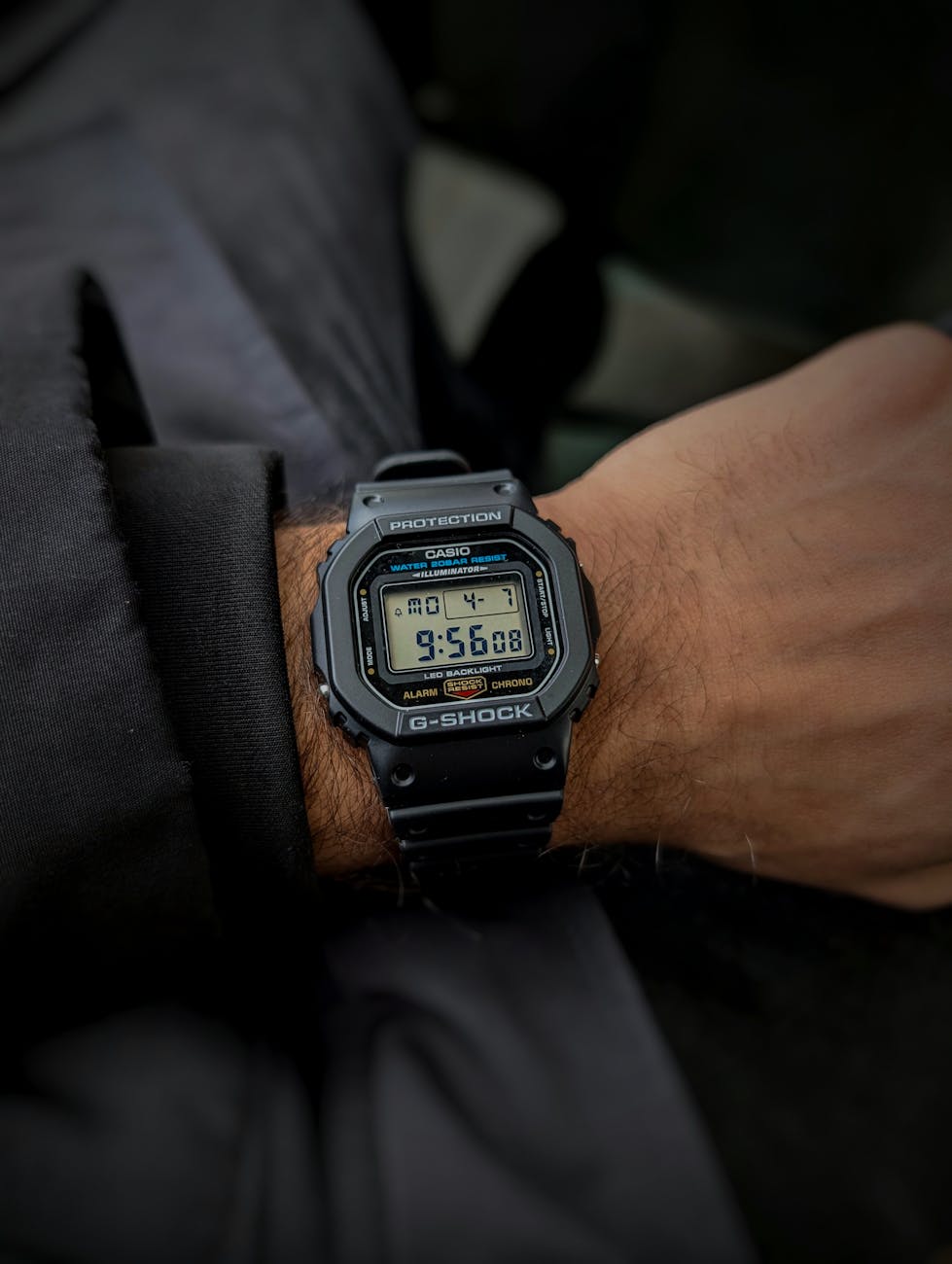
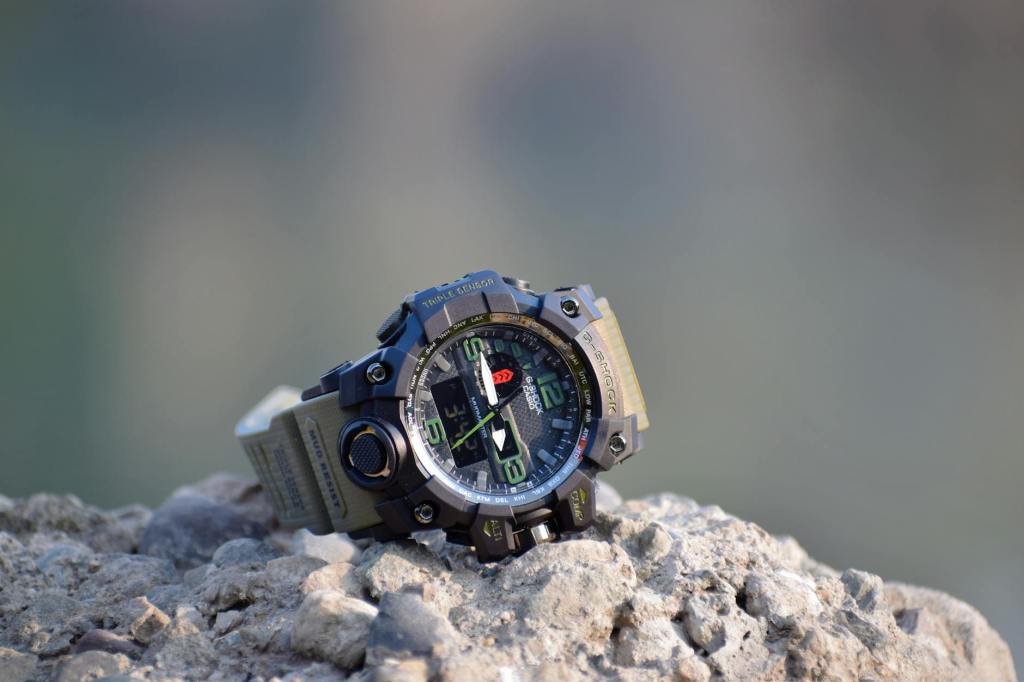
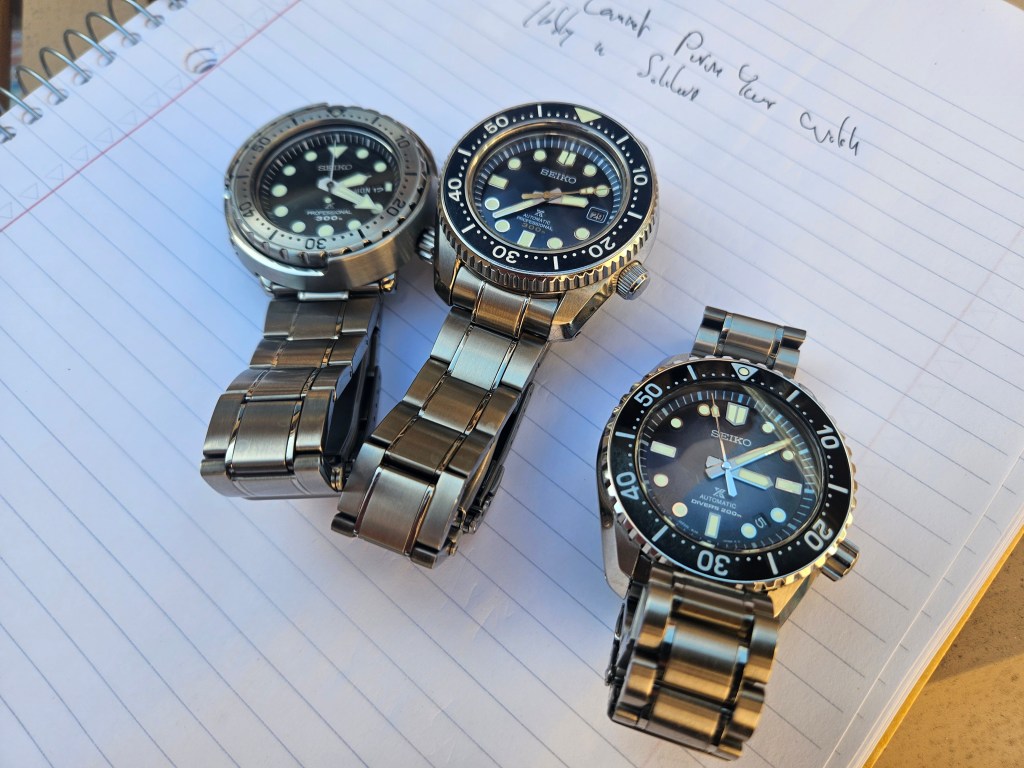
    I wear a different watch every day from my seven-piece Seiko harem. I rotate three kinds of medium-to-dark roasts as if the coffee beans need equal custody time. I alternate between my Gillette Fatboy and Slim razors with the solemnity of a Cold War arms treaty. Astra blades on Monday, Feather blades when I feel reckless. Even my soaps—triple-milled rose, triple-milled almond—take scheduled turns, like aristocrats queuing for a royal audience.

    It gets worse. Quilted and fleece sweatshirts take their laps. Knit caps cycle through the week as if they were a jury pool. My radios each get a “shift” in the garage during my kettlebell workouts, which is the closest they’ll ever get to military service. Even my podcasts rotate, governed by a sliding scale of how much political despair I can tolerate without bursting into flames. Hoka tennis shoes? They march in formation. My pairs of dark-washed boot-cut jeans—virtually indistinguishable to the human eye—are treated like unique Renaissance tapestries. Golf shirts and T-shirts are matched to the day of the week because my synesthesia demands order, not chaos. And breakfast? A solemn liturgy of alternation: buckwheat groats one day, steel-cut oats the next—my personal Eucharist of complex carbs.

    What is rotation, exactly? A philosophy? A pathology? Maybe it’s my attempt to mimic the cosmic cycles of life: moons, tides, seasons, me choosing a different razor. Maybe it’s a counterfeit sense of forward motion for a man who often feels marooned in his own stagnation. Maybe it’s ritual as a pressure valve, keeping the anxieties from boiling over.

    Or perhaps these rotations are my charm against the rising madness of the world—a tiny pocket of structure in a universe that increasingly behaves like it’s had too much caffeine and too little therapy. A way of keeping my Jungian Shadow from dragging me into the basement and locking the door behind me.

    Forgive me: I’m no oracle. I don’t have definitive answers. I have suspicions, hunches, and a working familiarity with amateur psychoanalysis.

    What I do know is this: it’s time to get up, get ready for work, and select today’s Hoka. The wheel must turn.

  • My Fifth-Decade Crisis in the Writing Classroom

    My Fifth-Decade Crisis in the Writing Classroom

    My students lean on AI the way past generations leaned on CliffsNotes and caffeine. They’re open about it, too. They send me their drafts: the human version and the AI-polished version, side by side, like before-and-after photos from a grammatical spa treatment. The upside? Their sentences are cleaner, the typos are nearly extinct, and dangling modifiers have been hunted to the brink. The downside? Engagement has flatlined. When students outsource their thinking to a bot, they sever the emotional thread to the material.

    It’s not that they’re getting dumber—they’re just developing a different flavor of intelligence, one optimized for our algorithmic future. And I know they’ll need that skill. But in the process, they grow numb to the very themes I’m trying to teach: how fashion brands and fitness influencers weaponize FOMO; how adolescent passion differs from mature purpose; how Frederick Douglass built a heroic code to claw his way out of the Sunken Place of slavery.

    This numbness shows up in the classroom. They’re present but elsewhere, half-submerged in the glow of their phones and laptops. Yesterday I screened The Evolution of the Black Quarterback—a powerful account of Black athletes who faced death threats and racist abuse to claim their place in the NFL. While these stories unfolded onscreen, my student-athletes were scrolling through sports highlights, barely glancing at the actual documentary in front of them.

    I’m not the kind of instructor who polices technology like a hall monitor. Still, I’m no longer convinced I have the power to pull students out of their world and into mine. I once believed I did. Perhaps this is my own educational Sunken Place: the realization that attention capture has shifted the center of gravity, and I’m now orbiting the edges.

    I’ve been teaching writing full-time since the 1980s. For decades, I believed I could craft lessons—and a persona—that made an impact. Now, in my fifth decade, I’m not sure I can say that with the same certainty. The ground has moved, and I’m still learning how to stand on it.

  • Dream Exam for a Retiring Professor in the Bedroom of Time

    Dream Exam for a Retiring Professor in the Bedroom of Time

    Last night I found myself back in the primary bedroom of my parents’ 1970s house—a room fossilized in memory but somehow updated to the present day. I was perched on their king-sized bed, the same monolithic slab of furniture that once seemed big enough to host the United Nations, scribbling notes about my long, bruised, oddly tender career as a college instructor. It was the kind of dream where the past and present shake hands awkwardly, unsure who invited whom.

    Outside, I heard the rumble of a moving truck. A couple had arrived next door, and before I could finish a sentence in my notebook, they had already unpacked their lives, established themselves as the new neighborhood aristocracy, and decided—God help me—to visit. Instead of knocking at the front door like terrestrial beings, they wandered from their backyard onto a dirt trail, crossed into my parents’ yard like friendly invaders, and slipped through the sliding glass doors behind the beige curtains as if they were stepping into a beachfront Airbnb.

    Their names were Dan and Deidre, early forties, both in education—the D & D Couple. I wrote their names down immediately because even in dreams I have the short-term memory of a concussed squirrel, and I didn’t want to fail the basic decency test of remembering the names of unexpected houseguests. They asked my age. I told them sixty-four. I told them I was still lifting weights, still teaching after thirty-eight years, still clinging to the last threads of my profession with a mix of pride, resignation, and the kind of melancholy that whispers, It’s almost time to go.

    They listened politely, heads tilted just enough to convey admiration without actually committing to it. Then Dan—the more mischievous half of the D & D Duo—decided to spring a quiz on me. “Do you remember our names?” he asked, as if I were auditioning for senior citizenship.

    For one horrifying second, my mind decided their names were Karl and Kathy—the K & K Couple. But before I committed social suicide, I dropped my gaze to my notebook, where my handwriting—half cryptic scrawl, half cry for help—reminded me: Dan and Deidre. D & D. Not K & K.

    I delivered the correct answer, and the couple beamed at me as if I had passed a cosmic entrance exam for the next stage of my life. Their smiles weren’t just approval; they were a benediction, assuring me that even as one chapter closed, another waited—stranger, softer, intruded upon, but somehow welcoming.

  • Blogging in the Belly of the Whale Has Its Perils

    Blogging in the Belly of the Whale Has Its Perils

    For those of us who can’t shell out $150 a week for therapy—and who would rather confess our shadow selves to strangers on the Internet than to a licensed professional—blogging becomes a kind of bargain-bin psychoanalysis. We know it’s not perfect, but it’s cheap, available, and gives us the illusion that we’re sorting out the world’s madness and our own with nothing more than sentences on a glowing screen.

    But there’s a catch. When we talk only to ourselves long enough, the echo becomes comforting. Too comforting. We stop listening to other voices and drift into a form of digital solipsism, a state where we’re the sole inhabitant of our private universe. It’s Jonah in the whale—except the whale has Wi-Fi and ergonomic seating. We settle into the warm bath of a frictionless existence, the kind of life where nothing challenges us, nothing interrupts us, and nothing demands that we grow.

    My students write about this same seduction when discussing AI and the Black Mirror episode “Joan Is Awful,” where the promise of absolute control mutates into the loss of identity. The frictionless life—everything tailored, curated, predictable—slowly erodes our individuality until we’re no longer people but users. And blogging can slip into that same trap: so cozy, so insulated, that we begin sipping our own Kool-Aid and calling it intellectual hydration.

    So what’s the antidote? Certainly not brawling on social media. Those aren’t arguments; they’re moral-outrage bacchanals dressed up as discourse. Trading the frictionless void of a blog for the poisoned well of tribal rage is not an upgrade—it’s simply chaos with a comment section.

    There is a kind of healthy friction, though—the ordinary back-and-forth you get between two friends arguing about life over coffee. The Internet can mimic that if we’re deliberate. My YouTube channel has taught me as much. For over a decade, I’ve posted videos about watch obsession, addiction, identity, and everything connected to them. Making those videos demands more from me than a blog ever could. I have to generate compelling content, communicate clearly, keep people engaged, and then face their responses—praise, critique, confusion, all of it. It forces rigor. It forces presence. It won’t let me get lazy.

    That’s why I’m reluctant to quit. Yes, I’m 64. Yes, mental health matters. Yes, I worry that staying in the YouTube world might stir up my watch addiction and pressure me to flip watches just to feed the algorithm. But abandoning the channel completely in favor of the blog feels like retreating into the frictionless void I’m trying to escape.

    So I’ll keep experimenting with “video essays,” starting with a brief nod to my watch collection before pivoting into whatever topic is actually on my mind. Fortunately, viewers seem willing to follow me into this new territory. And for now, that’s enough. Because I’m tired of the soft trap of writing into silence. I need the friction. I need the challenge. I need the reminder that I’m not alone in the whale.

  • Self-Pity Is Its Own Sunken Place

    Self-Pity Is Its Own Sunken Place

    I’d been teaching Jordan Peele’s Get Out to my college students for six years—long enough to map every dark corner of the Sunken Place, that abyss where shame, paralysis, and despair fuse into one mute scream. It’s the emotional equivalent of being duct-taped to a chair while your soul tries—and fails—to clear its throat.

    The film, of course, locates the Sunken Place in a specific American ecosystem: those well-meaning liberals who talk like allies but behave like landlords of Black pain. They distribute microaggressions with the confidence of people handing out hors d’oeuvres at a garden party, all while enjoying the fruits of a system engineered to elevate them and drain everyone else. But Peele has insisted, in interviews and on stages, that the Sunken Place isn’t confined to racial oppression. For him, the first Sunken Place arrived in childhood, sitting slack-jawed in front of the TV. He felt like an NPC long before that acronym took over the internet—passive, programmed, invisible—while the creators on the screen radiated life, wit, and agency. He wanted to join them, and he did: stand-up, sketch comedy, screenwriting, filmmaking, cultural canonization. The man refused to stay sunken.

    After half a decade of teaching Peele’s masterpiece, a disquieting thought dawned on me: I wasn’t immune to the Sunken Place either. I had my own trapdoors. Too much internet bickering left me feeling hollow. My appetite—always several sizes larger than my actual caloric needs—dragged me downward. My talent for being obnoxious, selfish, and occasionally unbearable didn’t help. Neither did the small carousel of addictions and compulsions I’ve wrestled like a part-time zookeeper tending unruly beasts. Some days the labor of managing myself left me feeling like a broken machine, grinding out self-pity by the pound.

    Then I noticed something worse: self-pity is its own Sunken Place. It feeds on the original misery and creates a second pit under the first. And if you’re not careful, a third pit opens beneath that one. Before long, you’re living like a subterranean nesting doll of despair—each layer a reaction to the last—buried so deep you need spelunking gear just to find your own pulse.

    One morning, while playing piano, I drifted into one of my indulgent daydreams. I imagined myself back in the early 1980s, performing a private recital at the Berkeley wine shop where I used to work. In my fantasy, the customers lounged around me, gently swirling their glasses as my music washed over them. When I finished, they begged for encores—one, then another—until their brains were so marinated in endorphins that they thanked me for resurrecting their spirits from the doldrums. It was a pleasing vision, a warm hand pulling me briefly out of the Sunken Place.

    But after the fantasy evaporated, something clearer emerged: the way out—my way out, and maybe everyone’s—has nothing to do with grand performances or imaginary applause. The escape hatch begins with rejecting the velvet-lined coffin of self-pity and recognizing that everyone else is fighting their own Sunken Place too. And if I could help lift someone else out of their emotional quicksand, I might just rescue myself in the process.

    The final irony? I realized it wouldn’t be the piano that helped me do this. It would be humor. I could expose my flaws like specimens under bright light—my misfires, my vanities, my slapstick disasters—and let people laugh at them. Not cruelly, but with the relief that comes from recognizing themselves in another person’s foolishness. If my folly made someone else ease up on their own self-condemnation and offer themselves a small measure of grace, then maybe that, at long last, would be my encore.

  • The Afterlife My Grandmother Didn’t Need

    The Afterlife My Grandmother Didn’t Need

    When I was eight, my grandmother Mildred told me she didn’t believe in an afterlife. We were watching television in the guest room of my parents’ San Jose house when the topic of God drifted into the conversation. She said, with a calm that bordered on sorrow, “I don’t believe in heaven or hell. This is the only life we have.” There was no sermon in her tone, no attempt to recruit me into her worldview. She simply believed that convictions worth having have to be arrived at, not imposed.

    Her disbelief never softened her sense of right and wrong. She carried a moral gravity that had nothing to do with celestial rewards or punishments. She spent three decades as a social worker in Long Beach and, before that, taught in the public schools of San Pedro. Her family had fled the pogroms in Poland in the early twentieth century; she grew up in Los Angeles with the hardened clarity that comes from survival. Mildred proved, without ever saying so, that you don’t need the promise of heaven or the fear of hell to live a principled life.

    I never became as mature spiritually as my beloved grandmother. I am someone who struggles with temptation on a daily basis and need to imagine being judged for my misdeeds as an incentive to clean up my act. I think about my grandmother’s strong moral health and wonder if morality is something you’re born with. You can learn this and that lesson but the core of morality is something you either have or you don’t.

  • When Buying a New Computer Results in an Existential Crisis

    When Buying a New Computer Results in an Existential Crisis

    A computer is never just a computer. It’s a mirror of who you think you are — your ambitions, your identity, your delusions of purpose. If you fancy yourself a “power user” or “content creator,” you don’t want a flimsy piece of plastic gasping for air. You want a machine that hums with confidence — a gleaming altar to your productivity fantasies. You crave speed, efficiency, thermal dominance, at least 500 nits of blinding radiance, and a QHD or OLED screen that flatters your sense of destiny. The machine must look sleek and purposeful, the way a surgeon’s scalpel looks purposeful, even if it’s mostly used to slice digital cheesecake.

    That’s the mythology of computing. Now let’s talk about me. I’m 64, a man whose “power user” moments consist of reading an online article on one screen while taking notes on the other — a thrilling simulation of intellectual heroism. In these moments, I feel like an epidemiologist drafting a breakthrough paper on respiratory viruses, when in truth I’m analyzing a 900-word essay about AI in education or the psychological toll of protein shakes. I could do this work on a Chromebook, but that would insult my inner Corvette driver — the middle-aged man who insists on 400 horsepower for a trip to the grocery store, just to know it’s there.

    My setup hasn’t changed in seven years: an Acer Predator Triton 500 with an RTX 2080 (a $3,200 review model, not my dime), an Asus 4K monitor, and a mechanical keyboard that clicks like an old newsroom. The system runs flawlessly. Which is precisely the problem. Not needing a new computer makes me feel irrelevant — like a man whose life has plateaued. Buying one, however, rekindles the illusion that I’m still scaling great heights, performing tasks of vast cosmic significance rather than grading freshman essays about screen addiction.

    So yes, I’ll probably buy a Mac Mini M4 Pro with 48 GB of RAM and 1 TB of storage. Overkill, absolutely. “Future-proofing”? A sales pitch for gullible tech romantics. But after seven years with the Acer, I’ll have earned my delusion. The real problem is not specs — it’s time. By the time I buy a new computer, I’ll be 66, retired, and sitting before a computer whose lifespan will exceed my own. That realization turns every new purchase into an existential audit.

    I used to buy things to feel powerful; now I buy them to feel temporary. A computer, a car, a box of razors — all built to outlive their owner. The marketing says upgrade your life; the subtext whispers your warranty expires first.

    Maybe that makes me a miserabilist — a man who can turn even consumer electronics into meditations on mortality. But at least I’ll have the fastest machine in the cemetery, writing The Memoirs of a Miserabilist in 4K clarity, with perfect thermal efficiency and 500 nits of existential dread.

  • Confessions of a Mediocre Flosser

    Confessions of a Mediocre Flosser

    I’ve been getting my teeth cleaned for over fifty years, which means I’ve sat through half a century of post-cleaning sermons about proper brushing angles, gumline vigilance, and the sacred art of flossing. Every visit follows the same liturgy: I nod piously, vow to reform, perform my dental penance for about a week, and then relapse into plaque-friendly mediocrity. It’s a ritual as predictable as the changing of seasons—scrape, polish, scold, repent, repeat.

    After yesterday’s cleaning, I shared this confession with the office manager as she booked my next appointment. “Be honest,” I said. “Aren’t most of your patients professional bums who show up expecting you to do all the work? I mean, no one actually earns an A in brushing and flossing. We’re all dental delinquents with F averages, right?”

    She glanced at the waiting room, smiled the way a diplomat smiles before denying a scandal, and said, “No comment.”

    I pressed on. “So… that’s a yes.”
    Again, she said, “No comment,” which, of course, confirmed everything.

    Righteous and vindicated, I strutted out with my little goodie bag of guilt—floss, travel toothpaste, and the latest ergonomic toothbrush engineered to fail against human laziness. I tossed it onto the passenger seat and drove home to take a nap, exhausted from an hour of scraping, moral instruction, and the eternal truth that no one—absolutely no one—flosses as much as they say they do.

  • Raising Teens in the Age of Doritos and Doom

    Raising Teens in the Age of Doritos and Doom

    In Food Intelligence, Julia Belluz and Kevin Hall deliver a bleak data point: since 2018, ultra-processed foods—UPFs, the junk with marketing degrees—account for 60 percent of the calories consumed by American adults and nearly two-thirds of what children eat. These edible Frankensteins are now being linked to depression, type 2 diabetes, and early-onset colorectal cancer.

    I have twin daughters in high school who live on donuts, chips, energy drinks, and iced coffees that taste like dessert in a cup. This is their food pyramid of joy. I tread carefully: I don’t want to sound like a puritan in a lab coat or a prophet of intestinal doom. I just want to help without becoming the household killjoy.

    But what is “helpful” when their entire social ecosystem runs on UPFs? If I had to guess, 75 percent of their peer group’s calories come from things that never met a farm or field. Processed food isn’t just addictive—it’s tribal. Sharing snacks is a social contract; refusing one is like rejecting friendship itself.

    Convincing teenagers to stop eating UPFs is about as effective as warning them about “too much screen time.” They’ll nod politely, roll their eyes invisibly, and continue scrolling while demolishing a bag of Flamin’ Hot somethings. Still, I’ll try. I’ll cite the studies, stock the fridge with hummus, guacamole, nut butters, whole-grain crackers, chickpea puffs, trail mix, and protein shakes—an arsenal of virtue they’ll likely ignore.

    Because youth isn’t about balance or moderation. It’s about belonging—through food, fashion, memes, and caffeine. Their need for connection will always outweigh my nutritional sermons. So I’ll do what I can: lay out the facts, offer alternatives, and accept that fighting pop culture is a noble but largely hopeless act of parental theater.

  • Clean Teeth and the Lost Art of Touch

    Clean Teeth and the Lost Art of Touch

    Before my teeth cleaning this morning, I found myself venting to the office manager about the days when a cleaning was so gentle you could practically nap through it, instead of today’s ultrasonic assault that feels like you’re being interrogated by NASA hardware. My hygienist overheard me and promised to go old-school: mostly hand tools, reserving the high-frequency torture wand for the bottom front teeth, those stubborn little stalactites of tartar that laugh in the face of manual labor.

    The result was 38 minutes of blissful nostalgia—quiet, precise, almost tender. And while my mouth was being cleaned, my ears took a trip back to childhood. Through the thin partition I could hear my dentist chatting with a few middle-aged men as he worked on their crowns—no drill whine, just the low murmur of camaraderie. They talked about sports, camping trips, family vacations, and cars in the same unhurried rhythm I remembered from the 1960s barbershops of my youth.

    Back then, my father would get a hot towel and a straight-razor shave while I sat on the cracked vinyl chair, inhaling the comforting cocktail of menthol, talc, and motor oil drifting in from the mechanic’s next door. I’d chew my complimentary piece of Bazooka bubblegum and leaf through Mad Magazine while the barber’s razor sang against my father’s stubble. The air was thick with aftershave, laughter, and unspoken faith in the goodness of ordinary life.

    That’s what I felt again this morning—a fleeting return to a world where work was done by hand, talk was unhurried, and trust was the background hum. My teeth may be cleaner, but what really got polished was my nostalgia for human touch in an age of whirring machines.