Category: Confessions

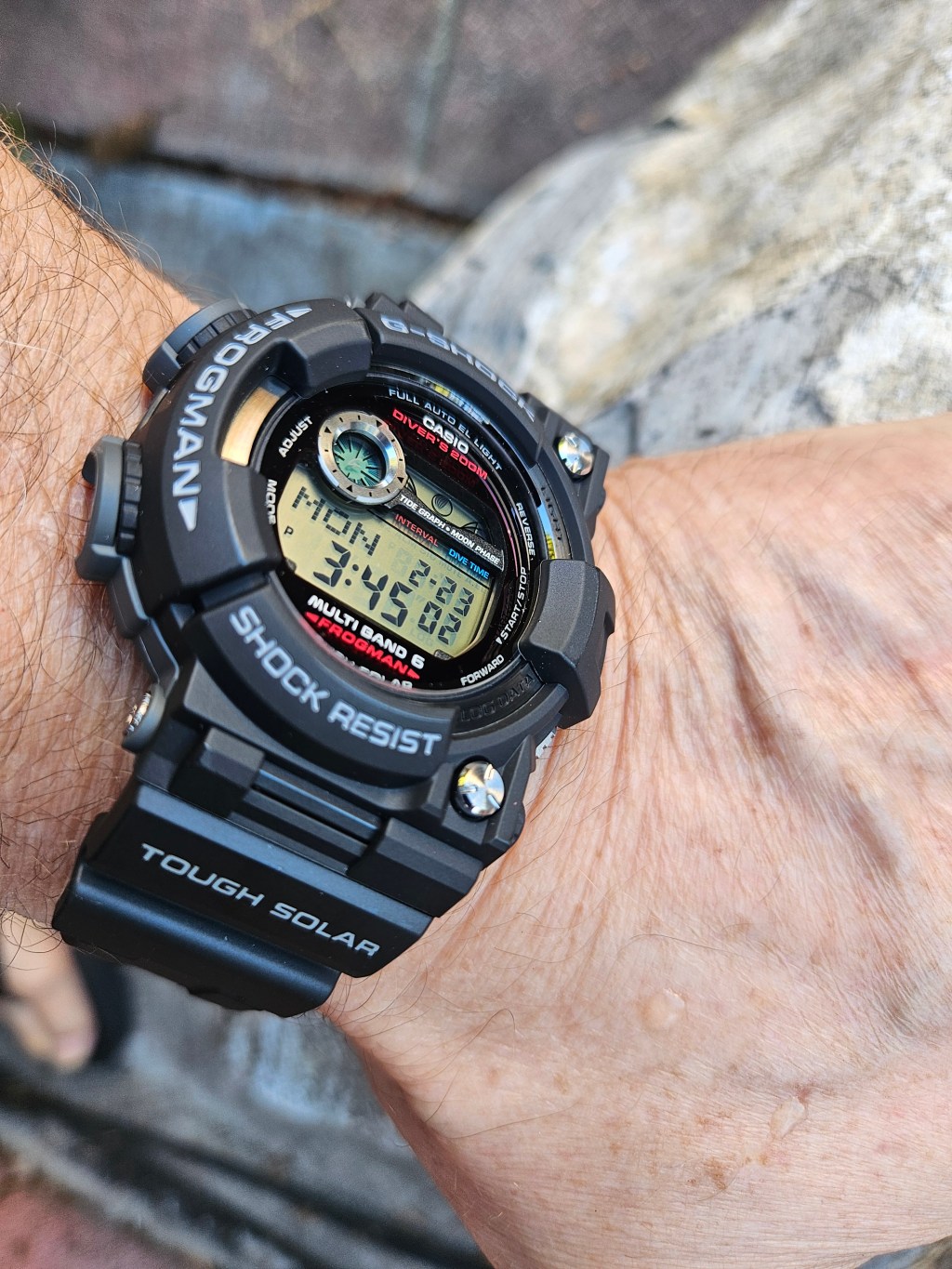
  • When Mortality Breaks the Watch Hobby Spell

    When Mortality Breaks the Watch Hobby Spell

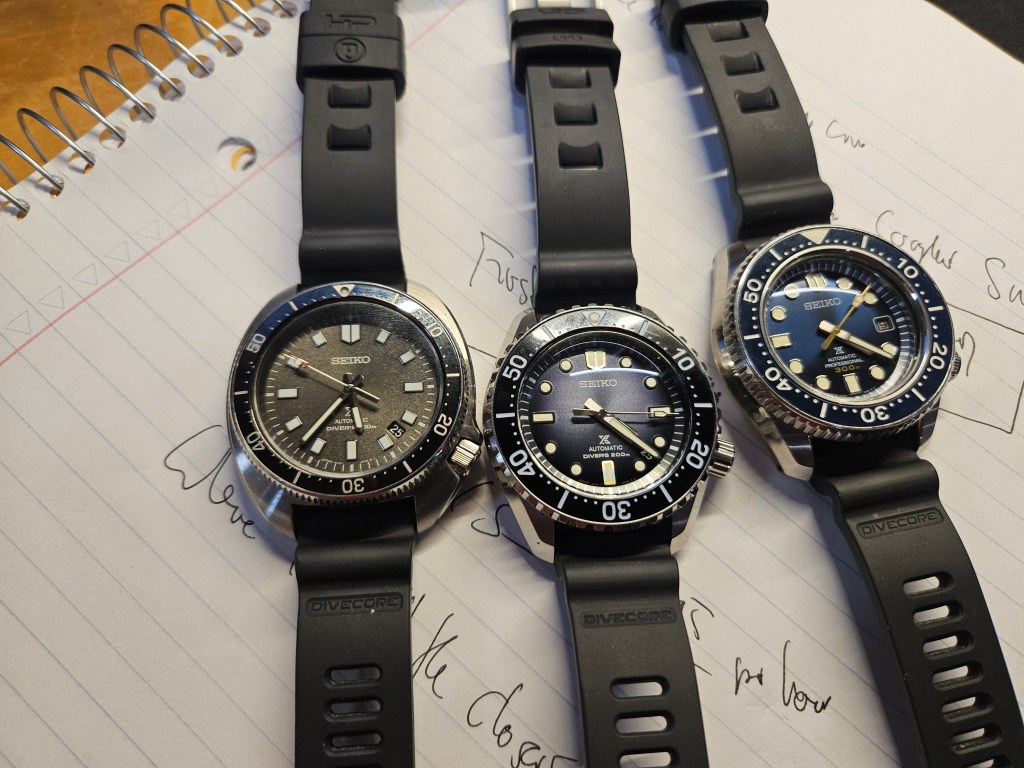
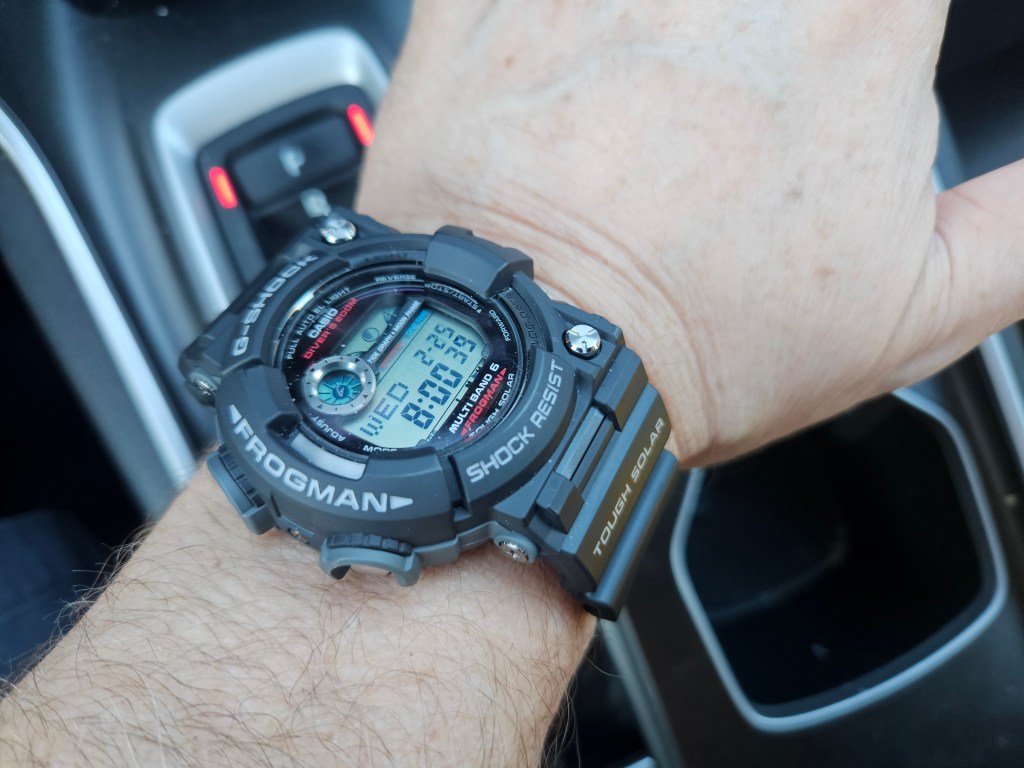
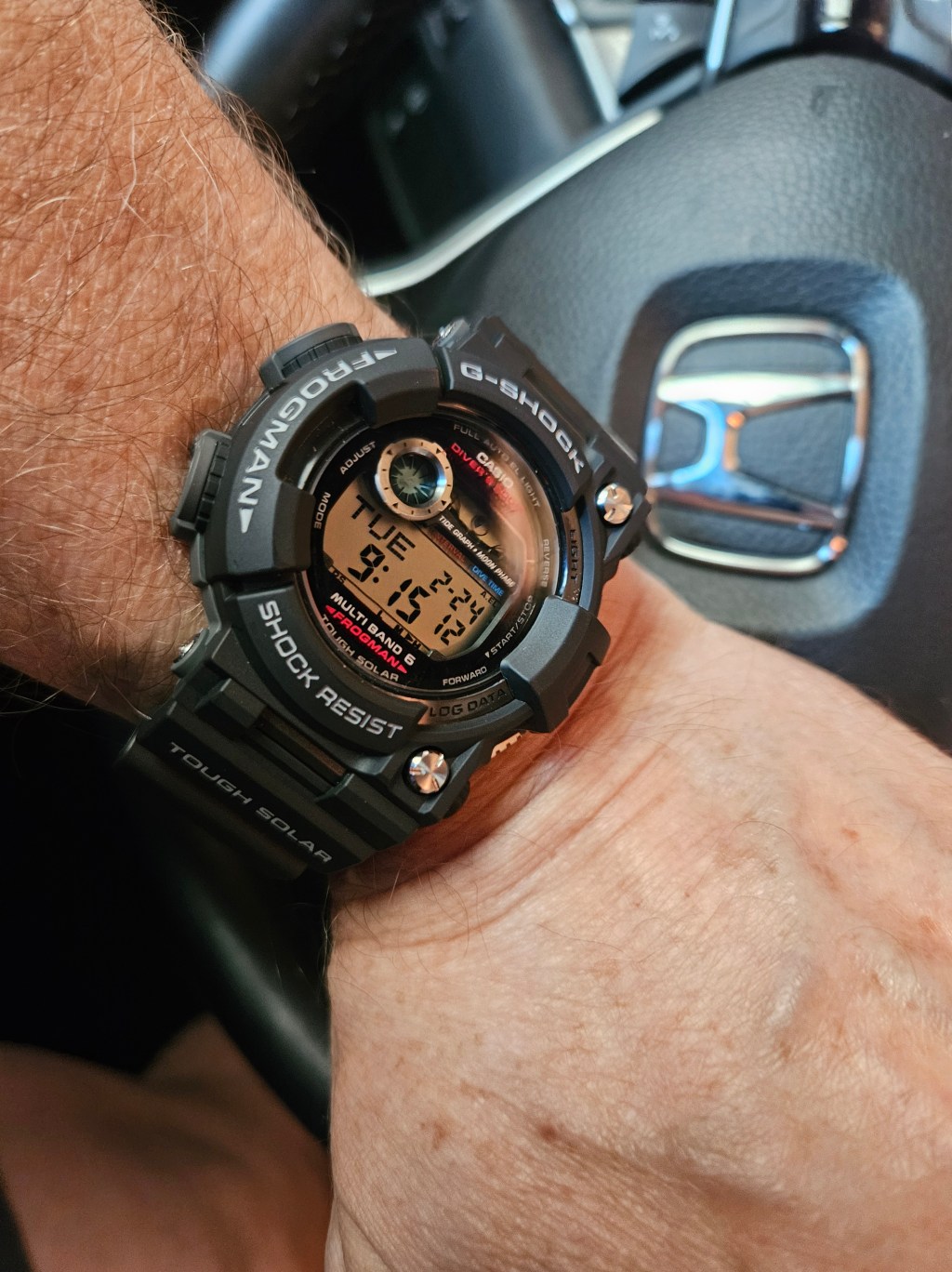
    I’ve forged more friendships online over watches than I ever expected — grown adults bonded by steel bracelets, dial colors, and the feverish belief that the “perfect collection” is one watch away. It’s a strange brotherhood: half enthusiasm, half rehab circle. We compare scars from impulse buys and premature flips; we laugh at the madness and whisper, half-serious, that maybe this time we’re cured.

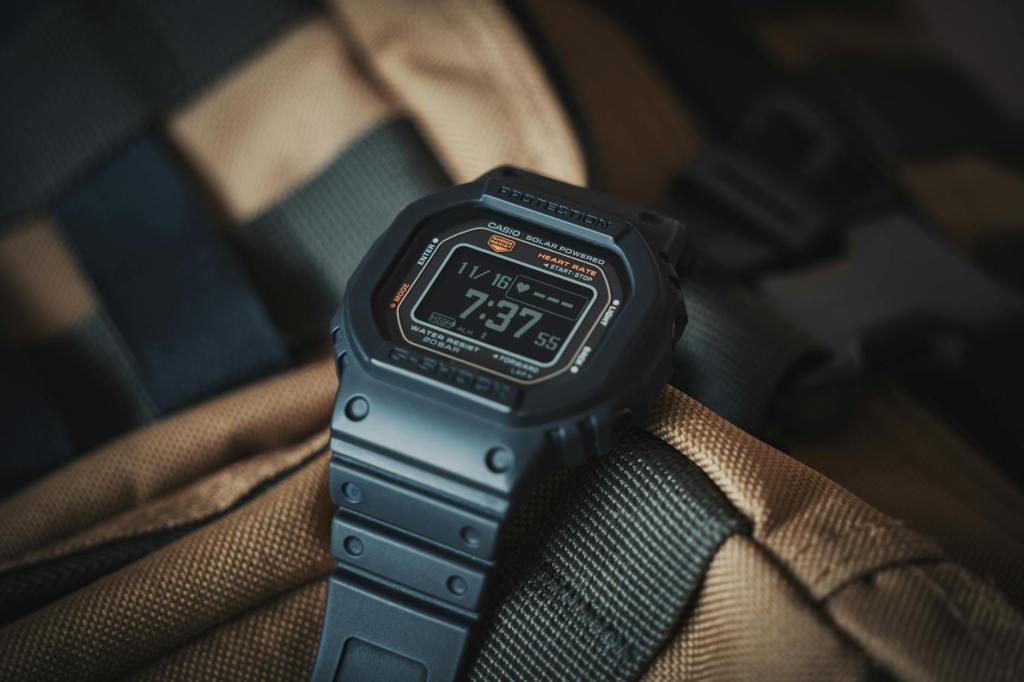
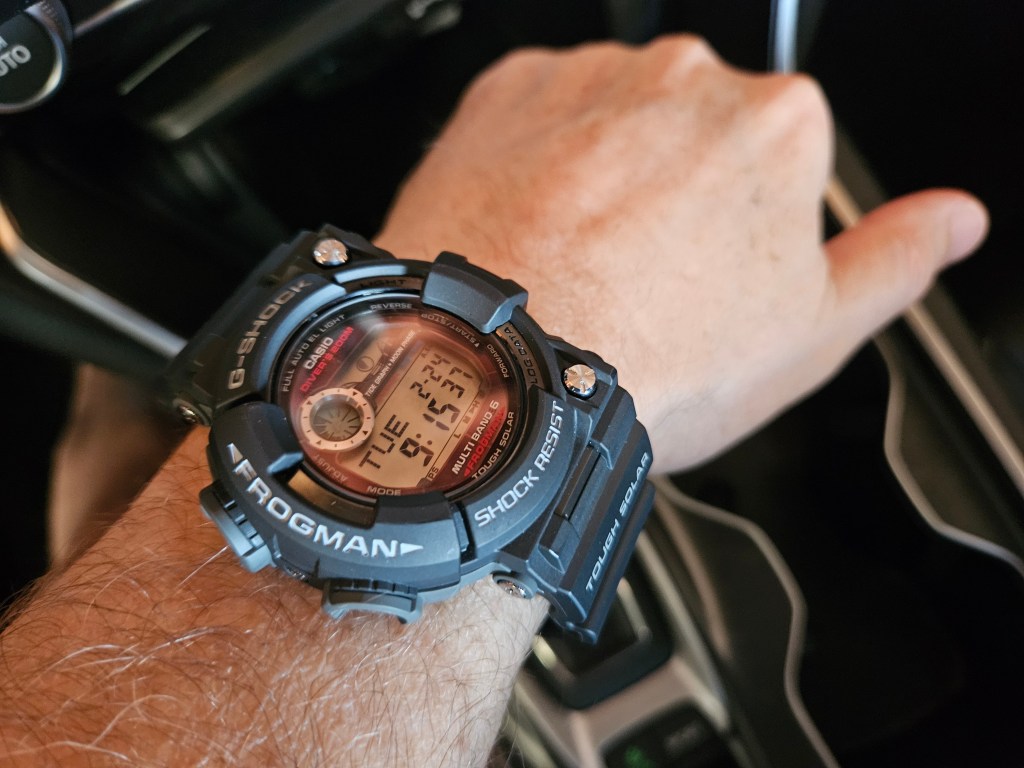
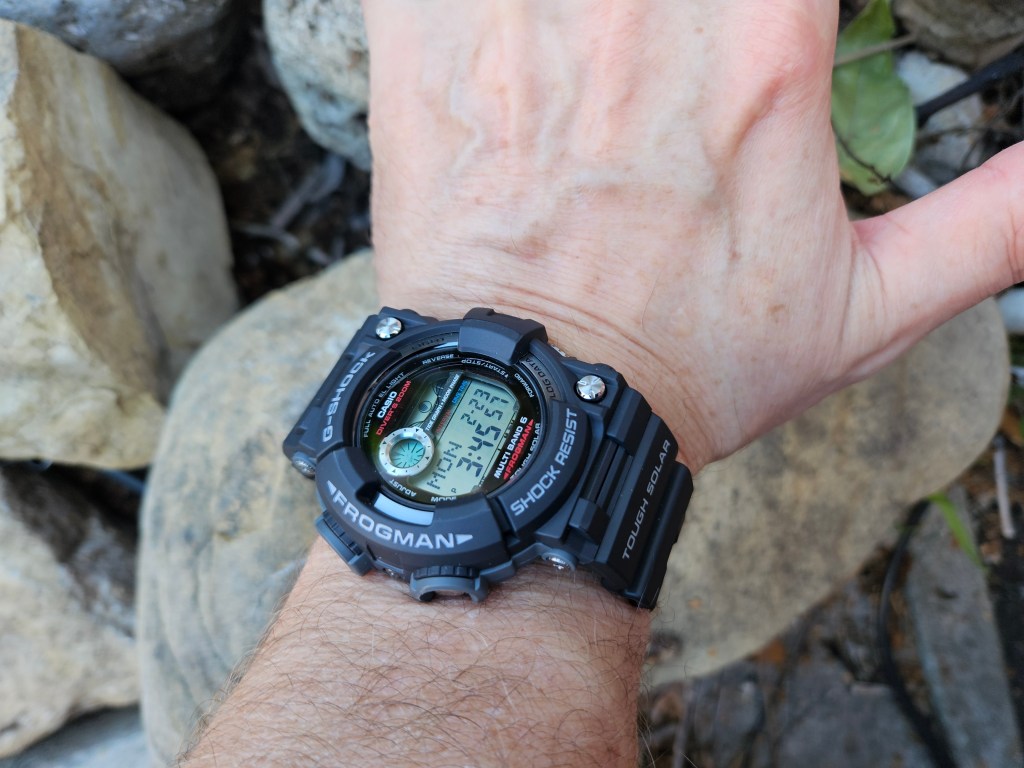
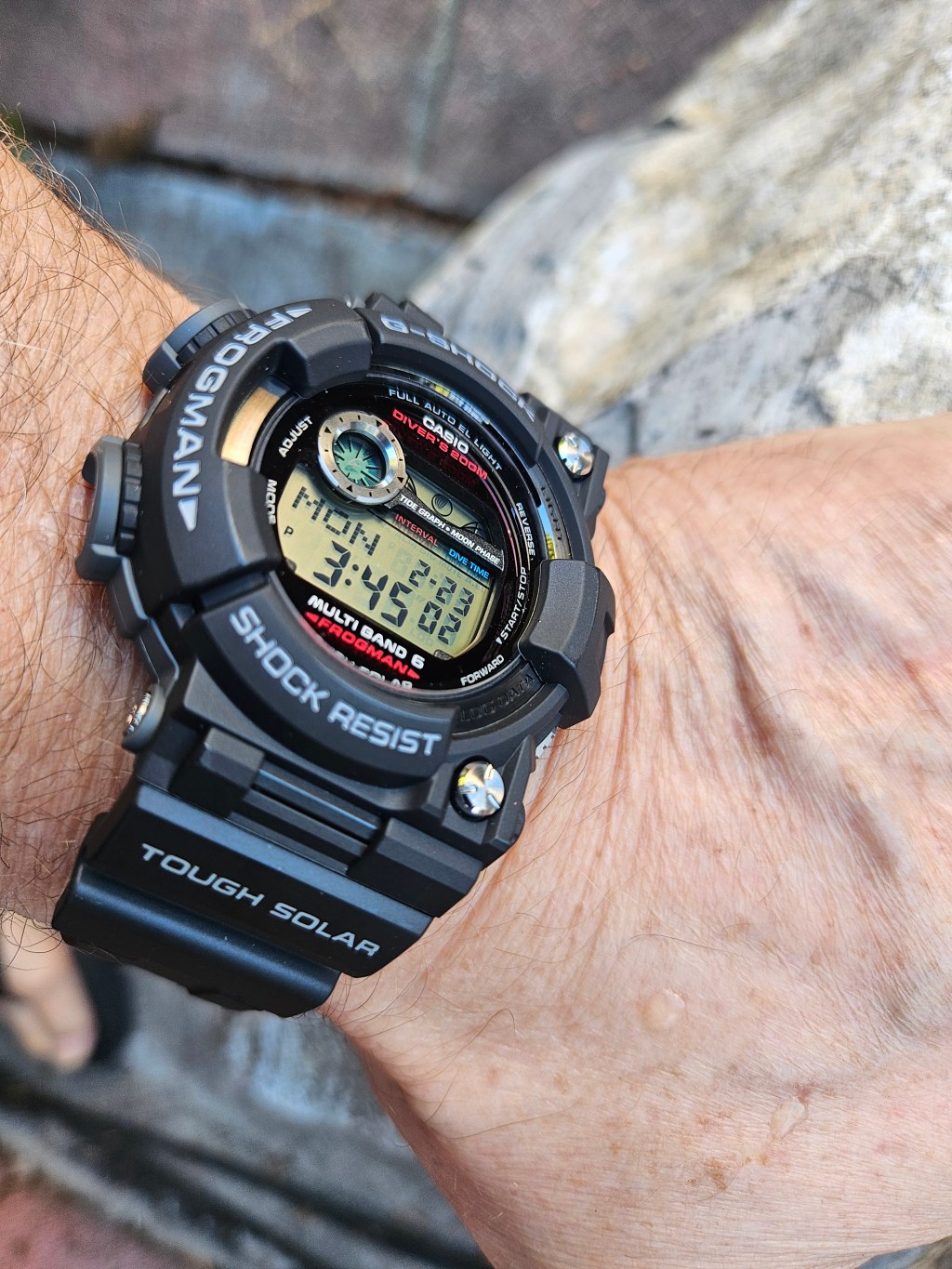
    My own watch delirium began in 2005, when I was 43 and convinced mechanical timekeepers were little machines that could somehow fix the machinery inside me. Twenty years vanished in a blur of rotating bezels and just-in-case divers. Then, at 63, mortality tapped my shoulder. Suddenly the hobby’s siren call softened. The obsession didn’t die — it continued to burn brightly. But after 20 years, desire finally dimmed, replaced by a quiet awareness that timepieces were no match for time itself.

    The feeling reminds me of a scene from Battlestar Galactica: a traitor is sealed behind glass, pleading as the airlock hisses and the crew looks on, solemn and unmovable. A ritual exile. That’s what aging feels like — not tragic, not pitiful, just inevitable. There comes a point when people still inside the warm illusion of endless tomorrows unconsciously edge away from those who’ve glimpsed life’s shrinking horizon.

    A pane descends — not hostile, just real. You tap the glass and wave, wanting back into the cockpit of youth’s delusions, but the craft has sealed. No reentry. Only the quiet work of dignity: embracing your season, building meaning instead of collections, and being useful to the younger travelers who can’t yet see the void but will one day meet it too.

  • My White Stallion from Hell

    My White Stallion from Hell

    Last night I dreamed someone repossessed my sensible car and swapped it for a giant white truck — part Tonka toy, part overcaffeinated stallion. This thing didn’t drive so much as impose its will, snorting diesel and self-actualization. It anticipated my needs, turned on by itself, and barreled toward destinations like it had read my calendar and resented my free will. Worst of all, it absorbed my own impulses, amplifying my compulsive streak like a steroidal spirit animal with road rage.

    It respected nothing. Barriers, fences, construction zones — all mere suggestions. The truck treated civic infrastructure like bubble wrap: there to be popped for pleasure.

    Then the fever dream deepened. The truck stretched, swelled, and reinvented itself as a boat, because why limit your delusions? It ferried my wife and me to Newport Beach and slid us over a canal toward some sleek restaurant where every entrée probably came with a life coach. The sunset was cinematic; my subconscious apparently has a generous production budget.

    After dinner, my wife asked for a beach walk. Romance, surf, a soft breeze — what could go wrong? I swapped my dress boots for sneakers. That’s when the truck, apparently offended I could ambulate without it, snatched me like a jealous cyborg Labrador and plopped me behind the wheel. Off we launched, fishtailing across the coast like a toddler steering a cruise ship. I mashed the brake pedal; the truck laughed and kept accelerating — a mechanical id with horsepower and zero boundaries.

    We plowed through so many barricades I’m amazed dream-me didn’t receive a lifetime ban from California. When I finally woke up, grinding beans and stirring steel-cut oats felt like absolution. Nothing like coffee and civilized porridge to remind you you’re still in charge — at least until your subconscious reschedules its next rebellion.

  • The Day the German Chocolate Cake Lost Its Throne

    The Day the German Chocolate Cake Lost Its Throne


    The plan for my birthday was simple: a German Chocolate Cake from Torrance Bakery—rich, decadent, predictable, the sugary punctuation mark to another year survived. My wife, Carrie, placed the order, and I considered the matter settled. But on Sunday, three days before the big event, she blindsided me with an unsolicited miracle: a homemade hummingbird cake. It’s carrot cake’s tropical cousin—bananas and pineapple mingling like exiled fruits at a Southern potluck.

    She confessed she wanted to get me a “real” present, not something outsourced, so she compensated with butter, flour, and a whole lot of love. I ate three thick slices that Sunday afternoon, each forkful blurring the line between nourishment and seduction. “This is so wholesome,” I told her, “it doesn’t even count as cheating on my diet. It’s morally superior to carrot cake—and so dangerously good it might ruin Tuesday’s German Chocolate encore.”

    Carrie laughed, apologized for my impending existential crisis, and on Tuesday returned with the official cake: the grand Torrance Bakery specimen. We performed the ritual—candles, singing, obligatory family cheer—and I consumed an 800-calorie slice with the reverence of a man honoring tradition.

    It was moist. It was glossy. It was… fine. The caramel layer, usually the German Chocolate’s battleground of decadence, seemed to have surrendered before the fight began. I chewed, waiting for transcendence that never came. It struck me then: German Chocolate Cake is unreliable—half the time glorious, half the time cafeteria bland.

    The verdict arrived between bites. My lifelong allegiance had shifted. My mother’s German Chocolate Cake once ruled the birthday throne, but the crown has passed. The hummingbird cake reigns supreme—a moist, fragrant coup d’état led by pineapple and banana insurgents. The old guard has fallen. Long live the new confectionary monarch.

  • What True Crime Teaches That Fiction Won’t

    What True Crime Teaches That Fiction Won’t

    For the past few months, I’ve been devouring true crime docuseries with tireless fascination. The more I watch, the deeper my appetite grows—not for gore, but for the raw human stories that unspool behind every case. There is, of course, a price for such voyeurism. Nearly every episode revisits the same dark origins: homes scarred by domestic abuse, children numbed by neglect, and adults who turn to drugs and alcohol to quiet the pain. Whole worlds of criminality form around these wounds—ecosystems where cruelty becomes normal, even rational.

    Then there’s law enforcement. Most detectives and officers I see in these stories are decent, sharp-minded people pursuing justice through an endless fog of human wreckage. They face so much depravity that it exacts a psychic toll. They carry the collective sorrow of others, walking the earth with hearts cracked open by everything they’ve witnessed.

    There’s a strange repetition to these lives of crime—an awful sameness—but also a singular fingerprint on each story. Some criminals are narcissists, intoxicated by their own chaos. Others are the broken offspring of violence, haunted by demons they now unleash on others. Many strike out in panic, wielding a mallet where a scalpel would have sufficed.

    I’m reminded of Tolstoy’s line: “All happy families are alike; each unhappy family is unhappy in its own way.” I’d transpose it this way: All paths to decency share a pattern—discipline, love, structure—but the paths to ruin twist in countless variations, each marked by a wound that never healed.

    This is what keeps me watching. Too many fictionalized crime dramas can’t resist the tidy seduction of redemption—some tearful confession, some sentimental coda of forgiveness. True crime spares me that. It denies me comfort. No background music softens the horror, no clever dialogue redeems it. These stories show the human condition not as we wish it to be but as it is: excruciating, broken, and endlessly complex.

    In that sense, I find myself siding less with Steven Pinker’s optimism and more with Robert Kaplan’s realism. Pinker argues that humanity is improving—that violence is receding and irrational behavior is on the decline. Kaplan, in Wasteland: A World in Permanent Crisis, sees something else entirely: that the struggle between good and evil is eternal, and evil often enjoys the advantage because it fights without restraint and acts as if it has nothing to lose. Kaplan isn’t a pessimist. He’s a realist.

    If I’m to prepare for life, I’d rather confront the world as Kaplan does—without illusion, without sentimentality, without anesthetic. Pinker’s optimism feels like comfort food for the mind. Kaplan, like true crime, gives me the bitter taste of reality—and that’s the kind of nourishment that lasts.

  • Thou Shalt Remember That All First Dates End in Either Ecstasy or Insurance Claims

    Thou Shalt Remember That All First Dates End in Either Ecstasy or Insurance Claims

    It was my sophomore year, and I was about to experience that sacred American ritual—the first date. My friends, those benevolent saboteurs, set me up with Elizabeth Lane, a British exchange student whose accent alone made her sound too sophisticated for our zip code. Six of us crammed into Gil Gutierrez’s orange Karmann Ghia, a car roughly the size of a lunchbox. Rick Galia and his girlfriend, Cheryl Atkins, volunteered to ride in the trunk, which should’ve been an omen that this night would go sideways.

    Dinner was at a pizza chain—where all romance goes to die—and then we saw One Flew Over the Cuckoo’s Nest at a theater in Hayward. It took me about ten minutes to realize that a film set in a psychiatric ward wasn’t ideal for stirring teenage lust. Meanwhile, I was sweating through my shirt like a man auditioning for Fear Factor. I couldn’t stop thinking about a puberty documentary I’d seen in biology class—the one where a trembling boy on the phone with a girl exposed a massive pit stain to the audience. The thought haunted me.

    Midway through the film, Elizabeth rubbed her boot against the metal back of the chair in front of her. The sound—sticky, squealing, soda-coated—was the mating call of mortification. She did it again. Heads turned. Shushes hissed. I sank into my seat, spiritually liquefied, praying for the mercy of a stroke.

    To my left, Rick and Cheryl were making out like postwar lovers at a train station. When the credits rolled, Rick announced, “I have no idea what that movie was about, but I sure had a great time.”

    Back in the car, Gutierrez drove while Rick and Cheryl wedged themselves into the back seat with Elizabeth and me, a sardine orgy of hormonal chaos. As we climbed Greenridge Road, my heart was pounding in that dumb, hopeful way teenage hearts do. When we reached my house—an Eichler with glass walls, juniper bushes, and a kumquat tree that never bore fruit—I told Elizabeth I’d had a good time.

    She removed her gum, leaned in, and kissed me. Her tongue entered my mouth like a diplomatic envoy. The flavor was cinnamon, fierce and chemical, like a fireball candy soaked in gasoline. It was the first real kiss of my life—and possibly the last before divine punishment intervened.

    Suddenly, something primal overtook me. I emitted a guttural scream—a noise that belonged in the fossil record—and shot upright so violently that my head ripped through the fabric roof of the convertible. The others stared in awe as my torso protruded from the car like a deranged periscope.

    Gutierrez was horrified. “What the hell did you do, McMahon?”

    “I don’t know,” I said. “But I think I’m stuck.”

    Neighbors emerged, lured by my banshee howl. Thor, Cal Stamenov’s monstrous Great Dane, barked with glowing eyes like Cerberus guarding the gates of Hell.

    “You destroyed my brother’s car!” Gutierrez shouted.

    “The car can be repaired,” I said. “But my psychological damage is irreversible.”

    He glared. “What are you talking about?”

    “In what world do I come out of this with a shred of dignity?”

    The crowd laughed. My father arrived with a police flashlight, his expression hovering between despair and amusement. “Jeff, is that you?”

    “Unfortunately.”

    He extracted me from the car like a sword from the stone. I brushed flecks of torn fabric off my shirt and muttered, “Don’t worry, I’ll pay the deductible.”

    Gutierrez sighed. “Forget it. Migliore’s dad owns an auto shop.”

    Galia grinned. “That must’ve been one hell of a kiss, McMahon. Sent you straight to the moon.”

    I went inside, dignity in shreds, adrenaline still sizzling. In bed, reading a bodybuilding magazine for moral repair, I confessed my disaster to Master Po.

    “Grasshopper,” he said, “you must treat yourself gently.”

    “What the hell is that supposed to mean?”

    “You are a sacred vessel, yet you try to manhandle your emotions like barbells. Control is your idol. But The Way requires grace.”

    “Grace?” I said. “I just decapitated a convertible.”

    “Then perhaps,” he said, “next time, breathe gently and let go.”

    “I can’t,” I said. “I’m a control freak. Controlled by the need to control.”

    “That,” said Master Po, “is why you tear through roofs. You follow the path of excess, not balance.”

    I stared at the ceiling, still tasting cinnamon gum. “I’d love to ponder that,” I said. “But right now, I’m too busy chewing on the flavor of humiliation.”

  • Thou Shalt Remember That Silence Can Wound More Deeply Than Cruelty

    Thou Shalt Remember That Silence Can Wound More Deeply Than Cruelty

    It was a Friday night at Castro Valley High, that weekly pageant of teenage aggression disguised as school spirit. The bleachers were packed with hormonal thunder; the air reeked of nacho cheese and Axe body spray. And then the rain came, that democratic force that flattens everyone’s hair and dignity alike.

    Across the stands, I saw her—the girl the boys called Tasmanian Devil. I didn’t know her name. No one did. She was a broad-shouldered girl with a face that inspired the cruel kind of laughter—the kind that hides insecurity behind volume. Her twin brother was in the special ed class with her, and their father, the school’s enormous janitor, lumbered around campus in denim overalls so faded they looked ghostly. His ears were so large they could have doubled as warning flags—and he had passed them on to his children, a hereditary curse of ridicule.

    They lived in a trailer next to the football field, an eternal reminder that some people never get to leave campus. That night she sat alone in the bleachers while the rain came down in cold, merciless sheets. Her hair clung to her forehead like seaweed, and black mascara streamed down her face like ink from a wounded pen.

    She stared out at the field with a look that broke something inside me—a look that said, I know the joke, and I know I’m the punchline. I know no one will ever love me, and I will always be an outsider.

    I wanted to call her over, to hand her my jacket, to do anything that resembled decency—but I did nothing. I sat there with my friends, pretending to watch the game, while she drowned in rain and loneliness.

    That night, guilt chewed through me like battery acid. I told Master Po about it—my silence, my self-loathing.

    “Master Po, I can’t forgive myself for doing nothing.”

    He looked at me the way only the wise can—equal parts compassion and indictment.

    “Grasshopper,” he said, “being angry with yourself achieves nothing. Flogging yourself achieves nothing. Shoveling hatred over yourself achieves nothing. If you wish to help those who have no place in this world, you must first make peace with yourself. The wise help others not because they are saints, but because they are whole.”

    I lay awake that night thinking about the girl in the rain—how she seemed to know her fate, and how I had rehearsed mine: a spectator of suffering, paralyzed by self-awareness. It was the night I learned the cruelest sin isn’t mockery. It’s inaction dressed up as reflection.

  • Thou Shalt Remember That Unsolicited Advice Is a Sacred Path to Humiliation

    Thou Shalt Remember That Unsolicited Advice Is a Sacred Path to Humiliation

    It was junior year, and I was inspecting the high school football team’s weight room—a dank temple of testosterone and tobacco spit. As a self-anointed expert (and Junior Olympic Weightlifting champion, lest anyone forget), I felt entitled to critique everything: the dumbbell selection, the ergonomics, the hygiene, the very air of the place. The floor looked like it had been carpeted with sunflower shells and Copenhagen runoff.

    I had just begun my sermon on the spiritual poverty of their equipment when the team’s starting linebacker, Erik Simonson—a slab of muscle with the conversational subtlety of a freight train—paused mid–military press. His gray-blue eyes locked on me like radar.

    “Is someone paying you to be an asshole,” he said evenly, “or are you doing volunteer work?”

    The weight room erupted. Even I laughed, because the line was perfect—surgical in its cruelty, poetic in its timing. But laughter has an aftertaste, and when I got home that night, the sting of public mockery still clung to me. I turned to my spiritual advisor, Master Po.

    “Master Po,” I said, “why did I invite that kind of humiliation? My criticisms were valid.”

    “Grasshopper,” he said, sipping tea with an aggravating serenity, “you must not go through life believing people crave your opinions. You are not a paid social commentator, though I know your heart yearns to be one.”

    “But weren’t my criticisms legitimate?” I persisted.

    “Legitimacy,” said Po, “is irrelevant. The truth is like chili powder—best applied sparingly. Even those who beg for feedback rarely mean it. They desire flattery dressed as honesty. Therefore, you must learn the art of selective silence. Speak briefly, and when possible, not at all.”

    I sighed. “But I love the sound of my own voice.”

    Po smiled the smile of a man who’s been disappointed by many students before me. “Yes,” he said, “but what sounds like sweet music to your ears may strike others as the shriek of ignorance, emotional poverty, and uninvited arrogance.”

    The next day, I returned to the weight room and said nothing. The linebackers grunted and lifted. I stood in silence, spiritually enlightened and socially intact—a monk in a monastery of iron plates.

  • The Gospel of De-Skilling: When AI Turns Our Minds into Mashed Potatoes

    The Gospel of De-Skilling: When AI Turns Our Minds into Mashed Potatoes

    Kwame Anthony Appiah, in “The Age of De-Skilling,” poses a question that slices to the bone of our moment: Will artificial intelligence expand our minds or reduce them to obedient, gelatinous blobs? The creeping decay of competence and curiosity—what he calls de-skilling—happens quietly. Every time AI interprets a poem, summarizes a theory, or rewrites a sentence for us, another cognitive muscle atrophies. Soon, we risk becoming well-polished ghosts of our former selves. The younger generation, raised on this digital nectar, may never build those muscles at all. Teachers who lived through both the Before and After Times can already see the difference in their classrooms: the dimming spark, the algorithmic glaze in the eyes.

    Yet Appiah reminds us that all progress extracts a toll. When writing first emerged, the ancients panicked. In Plato’s Phaedrus, King Thamus warned that this new technology—writing—would make people stupid. Once words were carved into papyrus, memory would rot, dialogue would wither, nuance would die. The written word, Thamus feared, would make us forgetful and isolated. And in a way, he was right. Writing didn’t make us dumb, but it did fundamentally rewire how we think, remember, and converse. Civilization gained permanence and lost immediacy in the same stroke.

    Appiah illustrates how innovation often improves our craft while amputating our pride in it. A pulp mill worker once knew by touch and scent when the fibers were just right. Now, computers do it better—but the hands are idle. Bakers once judged bread by smell, color, and instinct; now a touchscreen flashes “done.” Precision rises, but connection fades. The worker becomes an observer of their own obsolescence.

    I see this too in baseball. When the robotic umpire era dawns, we’ll get flawless strike zones and fewer bad calls. But we’ll also lose Earl Weaver kicking dirt, red-faced and screaming at the ump until his cap flew. That fury—the human mess—is baseball’s soul. Perfection may be efficient, but it’s sterile.

    Even my seventy-five-year-old piano tuner feels it. His trade is vanishing. Digital keyboards never go out of tune; they just go out of style. Try telling a lifelong pianist to find transcendence on a plastic keyboard. The tactile romance of the grand piano, the aching resonance of a single struck note—that’s not progress you can simulate.

    I hear the same story in sound. I often tune my Tecsun PL-990 radio to KJAZZ, a station where a real human DJ spins records in real time. I’ve got Spotify, of course, but its playlists feel like wallpaper for the dead. Spotify never surprises me, never speaks between songs. It’s all flow, no friction—and my brain goes numb. KJAZZ keeps me alert because a person, not a program, is behind it.

    The same tension threads through my writing life. I’ve been writing and weight-lifting daily since my teens. Both disciplines demand sweat, repetition, and pain tolerance. Neglect one, and the other suffers. But since I began using AI to edit two years ago, the relationship has become complicated. Some days, AI feels like a creative partner—it pushes me toward stylistic risks, surprise turns of phrase, and new tonal palettes. Other days, it feels like a crutch. I toss half-baked paragraphs into the machine and tell myself, “ChatGPT will fix it.” That’s not writing; that’s delegation disguised as art.

    When I hit that lazy stretch, I know it’s time to step away—take a nap, watch Netflix, play piano—anything but write. Because once the machine starts thinking for me, I can feel my brain fog over.

    And yet, I confess to living a double life. There’s my AI-edited self, the gleaming, chiseled version of me—the writer on literary steroids. Then there’s my secret writer: the primitive, unassisted one who writes in a private notebook, in the flickering light of what feels like a mythic waterfall. No algorithms, no polish—just me and the unfiltered soul that remembers how to speak without prompts. This secret life is my tether to the human side of creation. It gives my writing texture, contradiction, blood. When I’m writing “in the raw,” I almost feel sneaky and subversive and whisper to myself: “ChatGPT must never know about this.” 

    Appiah is right: the genie isn’t going back in the bottle. Every advance carries its shadow. According to Sturgeon’s Law, 90% of everything is crap, and AI will follow that rule religiously. Most users will become lazy, derivative, and hollow. But the remaining 10%—the thinkers, artists, scientists, doctors, and musicians who wield it with intelligence—will produce miracles. They’ll also suffer for it. Because every new tool reshapes the hand that wields it, and every gain carries a ghost of what it replaces.

    Technology changes us. We change it back. And somewhere in that endless feedback loop—between the bucket piano tuner, the dirt-kicking manager, and the writer lost between human and machine—something resembling the soul keeps flickering.

  • Thou Shalt Not Seek Meaning Where Only Rocks Dwell

    Thou Shalt Not Seek Meaning Where Only Rocks Dwell

    I was having dinner with my father—his post-divorce steak ritual on a patio that smelled faintly of smoke, charred meat, and newfound freedom. He’d bought a barbecue, a secondhand sofa, and the kind of wine that announces you’re single again but not destitute: red zinfandel in a tumbler. He cut into his steak with the swagger of a man who believed he’d successfully rerouted his son from the city dump to the university.

    “So,” he said, spearing a chunk of meat, “what are you thinking about majoring in?”

    My conversations with Master Po had me leaning toward philosophy and religion—the twin pillars of spiritual unemployment. “I think I’ll study philosophy or religion,” I said.

    He froze mid-chew. “Why in the hell would you want to do a thing like that?”

    “To study the search for meaning.”

    He swallowed, wiped his mouth, and took a long gulp of zinfandel. “Don’t waste your time.”

    “Meaning is a waste of time?”

    He smiled the way only a man twice-divorced and freshly cynical can smile. “Let me tell you a story.”

    He launched into a parable that sounded suspiciously homemade.

    A young man goes to the beach and asks God to reveal the meaning of life. God, ever the trickster, tells him the secret is written on one of the thousands of rocks scattered across the shore. The young man groans—it could take forever. God shrugs: “That’s not my problem.”

    So the man begins his search. Years pass. The tide rises and falls, civilizations collapse, and still he flips rocks like a man looking for lost keys in eternity’s junk drawer. When he’s old, leathery, and alone, he looks up at the sky and cries, “God, I’ve searched my whole life and found nothing! Every rock is blank. I’ve sacrificed joy, friendship, and everything good in the name of this search!”

    God looks down and says, “That’s right, you dumb shit. Now die.”

    When my father finished, he leaned back, self-satisfied, the smoke haloing his head like the ghost of a cigar.

    “Where did you hear that story?” I asked.

    He grinned. “I just made it up.”

    “Just now?”

    “Damn right. For your benefit.”

    “My benefit? What’s the moral?”

    “One, that God doesn’t give a shit. Two, that there is no meaning. And three, that you’d better not waste your college education searching for it.”

    Later that night, lying in bed, I consulted my spiritual mentor, Master Po, the philosopher of the leaky-roof dojo.

    “Master Po,” I said, “my father believes that searching for meaning is pointless.”

    “Your father is right, Grasshopper,” he said serenely. “The Way defies all grasping. Meaning is the mirage on the horizon—pursue it, and you will die of thirst. Better to drink from the river as it passes through your hands than try to hold it. For the river flows on… to the sea.”

    I thought about this while staring at the ceiling fan spinning in lazy circles. My father had God saying, “Now die.”
    Master Po preferred rivers and metaphors.
    Somewhere between them, I decided, was college.

  • Thou Shalt Not Confuse Self-Knowledge with Self-Flattery

    Thou Shalt Not Confuse Self-Knowledge with Self-Flattery

    When I was sixteen, my parents divorced—an event I took in stride only because I was too busy staring at my biceps in the mirror. My father moved into an apartment about thirty minutes away, and once a month he’d pick me up, grill a couple of ribeyes, and try to civilize me. It was his way of maintaining paternal authority through meat.

    One evening on his patio, with the smell of charcoal and masculinity wafting in the air, he asked me what I wanted to do with my life after high school. At the time, I was an aspiring bodybuilder with zero interest in college. I wanted a job that paid decently, had steady hours, and left me free to chase the holy trinity of youth: muscle, mirrors, and admiration.

    I told him I was thinking about becoming a sanitation engineer. A few guys at my gym drove garbage trucks and claimed it was honest work with great benefits.

    My father nearly choked on his steak.
    “You can’t be a garbage man,” he said, wiping his mouth with the precision of a surgeon preparing to deliver bad news.

    “Why not?”

    “Because you’re too vain.”

    That line hit like a barbell to the skull.
    “What’s that supposed to mean?” I asked.

    He leaned back and launched into his Socratic cross-examination. “Picture this: You’re at a cocktail party. Everyone’s introducing themselves—doctor, lawyer, software engineer, business executive. Then they get to you. What do you say? ‘Hi, I’m Jeff, and I pick up your trash’? I should think not.”

    “Oh my God, Dad, you’re right.”

    “Of course I’m right,” he said, stabbing the last piece of steak like a punctuation mark. “I’m your father. Now finish your meat and start planning for college.”

    That night I turned to Master Po, my invisible philosopher-therapist, for guidance.

    “Master Po,” I asked, “why did my father insult me by calling me vain?”

    “Grasshopper,” he said, “your father did not insult you. He simply named your disease. Truthful words are not beautiful; they bruise. Flattering words are lovely but poisonous. Your father loves you enough to deliver the ugly truth—that you are a creature driven by vanity and status.”

    “But this means I have to go to college,” I said. “I’ve spent all my high school years pumping iron and admiring my reflection. I’m too dumb for college.”

    “Fear not, Grasshopper,” said Master Po. “The journey of a thousand miles begins with a single step.”

    “My steps are small,” I said.

    “That is fine,” said Master Po. “An ant on the move does more than a sleeping ox.”

    And so it was: my path to higher learning began not in inspiration but in insult—proof that sometimes enlightenment arrives medium-rare, served with a side of humility.