Category: Confessions

  • The Rotator Cuff, the Honda Dealership, and the Human Soul

    The Rotator Cuff, the Honda Dealership, and the Human Soul

    Life has a way of mocking our plans. You stride in with a neat blueprint, and the universe responds by flinging marbles under your feet. My shoulder rehab, for instance, was supposed to be a disciplined, daily ritual: the holy grail of recovering from a torn rotator cuff. Instead, after one enthusiastic session, both shoulders flared with the kind of throbbing soreness reserved for muscles resurrected from the dead (though after walking home from Honda, it occurred to me that my right shoulder soreness is probably the result of a tetanus shot). So much for the doctor’s handouts of broomstick rotations and wall flexions. Today, the new fitness plan is modest: drop off the Honda for service, walk two miles home, and declare that my workout. Tomorrow: to be determined by the whims of my tendons and sore muscles.

    Teaching is no different. I’ve written my entire Spring 2026 curriculum, but then I read about humanities professor Alan Jacobs—our pedagogical monk—who has ditched computers entirely. Students handwrite every assignment in composition books; they read photocopied essays with wide margins, scribbling annotations in ink. According to Jacobs, with screens removed and the “LLM demons” exorcised, students rediscover themselves as human beings. They think again. They care again. I can see the appeal. They’re no longer NPCs feeding essays into the AI maw.

    But then I remembered who I am. I’m not a parchment-and-fountain-pen professor any more than I’m a pure vegan. I am a creature of convenience, pragmatism, and modern constraints. My students live in a world of laptops, apps, and algorithms; teaching them only quills and notebooks would be like handing a medieval knight a lightsaber and insisting he fight with a broomstick. I will honor authenticity another way—through the power of my prompts, the relevance of my themes, and the personal narratives that force students to confront their own thoughts rather than outsource them. My job is to balance the human soul with the tools of the age, not to bury myself—and my students—in nostalgia cosplay.

  • Thanksgiving Heart Attack

    Thanksgiving Heart Attack

    Thanksgiving Day, 2025. My wife and twin daughters were applying their final cosmetic and sartorial flourishes before we drove to Los Alamitos for the obligatory family pageant, and I had a half-hour window of solitude. I sat at my Yamaha piano, eager to play a song I’d written years ago—“The Heartbreak of Micky Dolenz”—a melancholic tribute to a Monkees episode that shattered my five-year-old psyche. In it, Micky pumps iron to steal a blonde beach goddess from a sun-bleached bodybuilder, only to discover she has evolved into a Proust-reading aesthete and now prefers intellectuals who collect first editions. It was my first lesson in the absurdity of desire: you can train, sweat, and transform yourself into a bronze Adonis only to watch beauty run away with a man who hides behind Remembrance of Things Past. That moment was my first crack in the façade of childhood—when I faintly understood life might be crueler and more ambiguous than birthday cake and Saturday morning cartoons.

    Halfway through the song, I felt a stabbing pressure in my left chest—an alarm bell that whispered, “heart attack.” It was the kind of pain you ignore for twenty seconds until the fear gets loud. Maybe it was simple anxiety: I am sixty-four, three semesters from retirement, and just endured Sam Harris complimenting Christian fundamentalist Doug Wilson for possessing the courage of his biblical barbarities. As an agnostic torn between admiration and nausea, I crave certainty the way addicts crave relapse—but God gives me ambiguity, Paul gives me guilt, and the afterlife gives me indigestion.

    Ethics don’t spare me, either. I eat yogurt and whey protein while pretending I don’t hear the screams behind factory-farmed supply chains. My “plant-leaning” diet is a moral performance piece—vegan cosplay with a dairy chaser. Every spoonful tastes like cognitive dissonance.

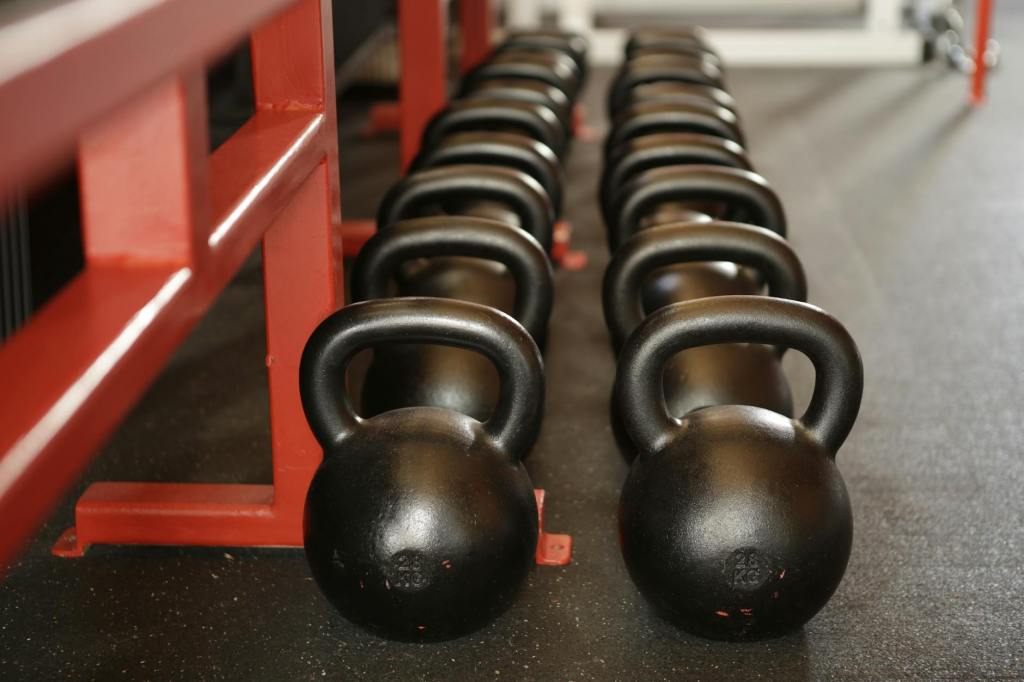
    The day before, a sports doctor diagnosed my left shoulder with rotator cuff syndrome and biceps tendinopathy. She promised I might avoid surgery if I did her rehab exercises. She printed out eleven medieval torture movements, most of which lit my shoulder up like a Roman candle. Should I push through the pain, I wondered, or was I already guilty of kettlebell blasphemy—retracting the tendon until I doomed myself to the orthopedic gulag?

    So I sat there, convinced the pain in my chest was an omen. But when my wife stepped into the living room and asked me—without ceremony—whether her boots matched her dress, the pain evaporated. The piano, the Monkees, Sam Harris, Paul, vegan sins, and torn tendons all vanished. Her question grounded me. It was the kind of mundane interruption that reminds you the world is still here, indifferent to your melodramas. My imaginary heart attack surrendered to domestic reality.

  • A “Simple Neighborhood Walk” is a Hellscape

    A “Simple Neighborhood Walk” is a Hellscape

    This morning in a desperate attempt to avoid aggravating my left torn rotator cuff, I tried to replace my Schwinn Airdyne (rowing levers are forbidden) with a morning walk. The math was simple: one hour on foot would supposedly burn 350 calories, which is laughable next to the 600 I incinerate in 55 minutes on the Airdyne. 

    But the moment I stepped outside, I realized something grim: walking is not exercise—it’s a social gauntlet. First, the bucket hat. Nothing makes a grown man feel like a middle-school tourist quite like a floppy nylon dome that broadcasts fear of UV rays and impending melanoma. Then there were the stranger-encounter dilemmas: do I wave? Pretend I didn’t see them? Stare intensely at the sidewalk like a serial killer? Cars drifted past, exhaling pollution like dragons, stray dogs threatened to lunge out of nowhere, and my lower back nagged like an unhappy union organizer. Worst of all was the boredom. I can’t sink into an Audible book because every twenty seconds I’m distracted by another irritant: barking, brake squeals, wind, a rogue sprinkler system. I need cardio for my kettlebell off-days, but outdoor walking feels like punishment—exercise mixed with psychological warfare. So I’m looking inward: step-ups on my 18-inch exercise stool, medicine ball squats, Romanian deadlifts, farmer’s carries, yoga poses that don’t summon the devil into my rotator cuff, and the rehab routine prescribed by my sports doctor. After 50 years of working out, I’ve learned one law more sacred than the Ten Commandments: if I don’t enjoy it, I won’t do it. So the walking era is dead. A new battle plan has begun.

  • A Diagnosis is a Weapon: My First Step Toward Shoulder Recovery

    A Diagnosis is a Weapon: My First Step Toward Shoulder Recovery

    Yesterday I met with a sports medicine physical therapist at Kaiser for the first time. The kind nurse took my vitals, and to my surprise my blood pressure wasn’t bad at all: 127 over 84. My blood pressure always spikes a bit at the doctor’s. 

    Then I met the sports doctor. She was affable, direct, and clearly passionate about her work. She examined my left shoulder, noted that the swelling was visible even through my T-shirt, pressed along the biceps groove, and tested my range of motion. After watching me perform several movements, she diagnosed me with rotator cuff syndrome and biceps tendinopathy. She immediately ordered an X-ray (results pending) and scheduled an ultrasound in five weeks to gather more detail. 

    Her initial verdict was cautiously optimistic: with proper rehab, she believes I can recover in three months. I told her that unlike my old gym injury—when I tore my rotator cuff doing heavy bench presses and spent nine months in purgatory—this one didn’t begin with trauma. I was simply doing my normal kettlebell chest presses, felt a little tightness, and woke up the next morning with a shoulder that felt like it belonged to someone else. That incident was three months ago. 

    She has me on Motrin three times a day to bring down the inflammation so I can tolerate the rehab movements. To my relief, she didn’t ask me to abandon muscle training; she understands the realities of aging and the need to protect lean mass. I just have to avoid chest presses, shoulder presses, and curls. My work will shift to legs, glutes, traps, and lat activation, with shoulder and pec stimulation coming indirectly through rehab. She gave a handout of exercises, some I can do and others I can’t. I also consulted some doctors who do shoulder rehab on YouTube and told her about some, and she agreed I could do them.

    So far, I have a long list of rehab exercises I can choose from: cat–cow yog pose, broomstick flexion, wall push-ups, wall flexion, planks, plank taps, narrow push-ups on the knees, light dumbbell rotations, and others. 

    Some overhead movements are currently impossible. Hanging from a chin-up bar, the internet’s magic cure, feels like medieval torture. 

    I’ll do the exercises that I can tolerate for fifteen minutes daily: integrated on kettlebell days, standalone on the rest. Also, on my non-kettlebell days, the doctor agrees I should take an hour-long walk.

    Psychologically, this appointment mattered. A diagnosis means I’m not inventing pain or collapsing mentally. It gives me a plan, an organizing principle, a weapon. When my body fails, I can live with discomfort; what I cannot tolerate is drifting in uncertainty. Seeing this doctor was the first step in taking back control.

  • Three Months of Shoulder Pain and the Art of Not Panicking

    Three Months of Shoulder Pain and the Art of Not Panicking

    This afternoon I’ll see a doctor about my three-month shoulder ordeal. I’m hoping for clarity: bursitis or a torn rotator cuff. The injury didn’t begin with a dramatic moment. I remember doing single-arm chest presses on the garage mat with a 50-pound kettlebell. There was a subtle tightness in the left shoulder—no alarm bells. The next morning I woke as if someone had rearranged the joint overnight. Side raises and reaching behind became nearly impossible. I cut out all chest and shoulder presses. Some days the pain flared after training; I blamed curls and single-arm swings, so I eliminated them too, and the pain eased.

    To make up for the reduced kettlebell volume, I doubled down on the Schwinn Airdyne, grinding through hour-long sessions that combine pedaling and lever rowing. No pain—until three days ago, when the movement set off a nerve fire down my arm. That told me I was no longer dealing with simple irritation. Something was pinched and inflamed. The bike is now retired. I’ll walk the neighborhood for cardio until further notice. I’ve experimented with rehab exercises: cat-cow yoga poses help; so do wall push-ups from shoulder rehab videos. Side lateral raises, though medically recommended, feel like sabotage. I refuse them.

    I made a video about the injury yesterday. The floodgates opened. Dozens of comments from people who had surgery, magnets, injections, or long stretches of physical therapy. One old friend emailed: he never recovered and has lived with pain and restricted motion for a decade. The road, it seems, is long and indifferent to optimism. I don’t enjoy the pain, the limited workouts, or the hypervigilance required to avoid reinjury. The mental effort—combined with physical discomfort—wears me down. Right now the shoulder aches at a low level, probably from the idiotic attempt to sling on a backpack this morning. Starting next week, I’m switching to a messenger bag over my healthy shoulder.

    When I speak to the doctor today, I’ll try to be calm, give a clear narrative, and resist letting anxiety pull me into melodrama. I want to hear the data, not force my fantasy of “no surgery” onto the facts. I had hoped to write about something else this morning—anything other than this shoulder—but obsession has its own gravity. It will not be ignored.

  • Comma Splices and Other Endangered Species

    Comma Splices and Other Endangered Species

    I’ve been grading college essays for nearly forty years, and for most of that time, spotting a comma splice was like being a tennis umpire catching an out-of-bounds serve: instant whistle, raised flag, righteous indignation. A run-on sentence was not merely a mistake—it was a moral offense. A fragment was a cry for divine intervention. I was the Grammar Constable, badge polished, citation pad ready.

    But something has shifted. I look at a comma splice now and instead of reacting like a hall monitor on Red Bull, I simply ask: What’s the point? In a world where students increasingly treat AI like an in-house copyeditor, how long will “grammar errors” even exist? Am I really supposed to send them to syntax jail when a few prompts and a grammar model will sand off their linguistic rough edges? Policing grammar suddenly feels as antiquated as lecturing people about proper carburetor maintenance. The role I’ve played for decades—keeper of the mechanical rules—feels obsolete.

    This morning I graded a paper with a textbook comma splice. A few years ago, I’d have winced like I’d bitten into a lemon rind. Today? I barely blinked. The author will eventually click a button and let a machine fix it. My outrage, like the comma splice itself, is becoming a relic of the combustible-engine era.

  • The Cult of the Desktop Shrine

    The Cult of the Desktop Shrine

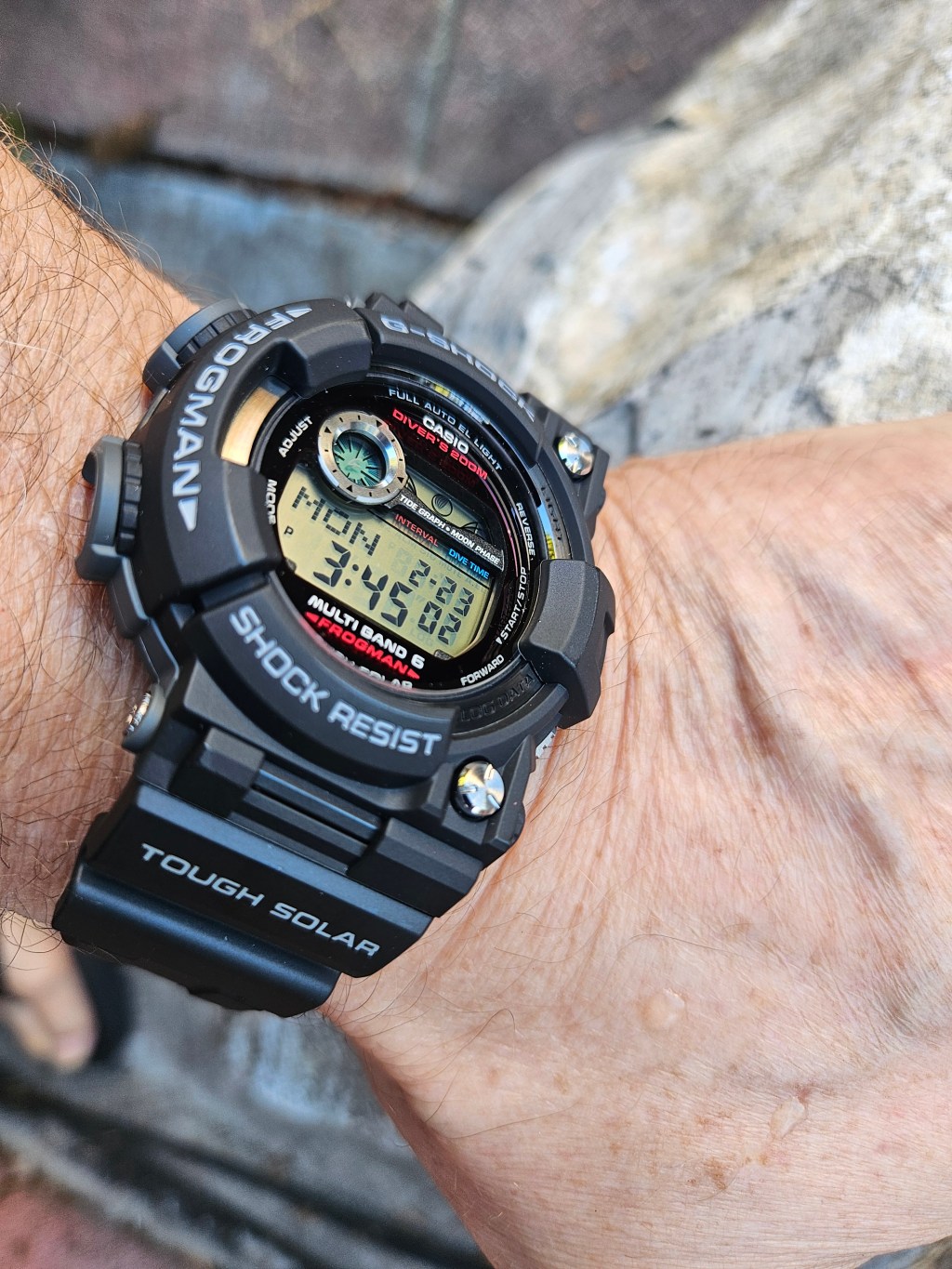
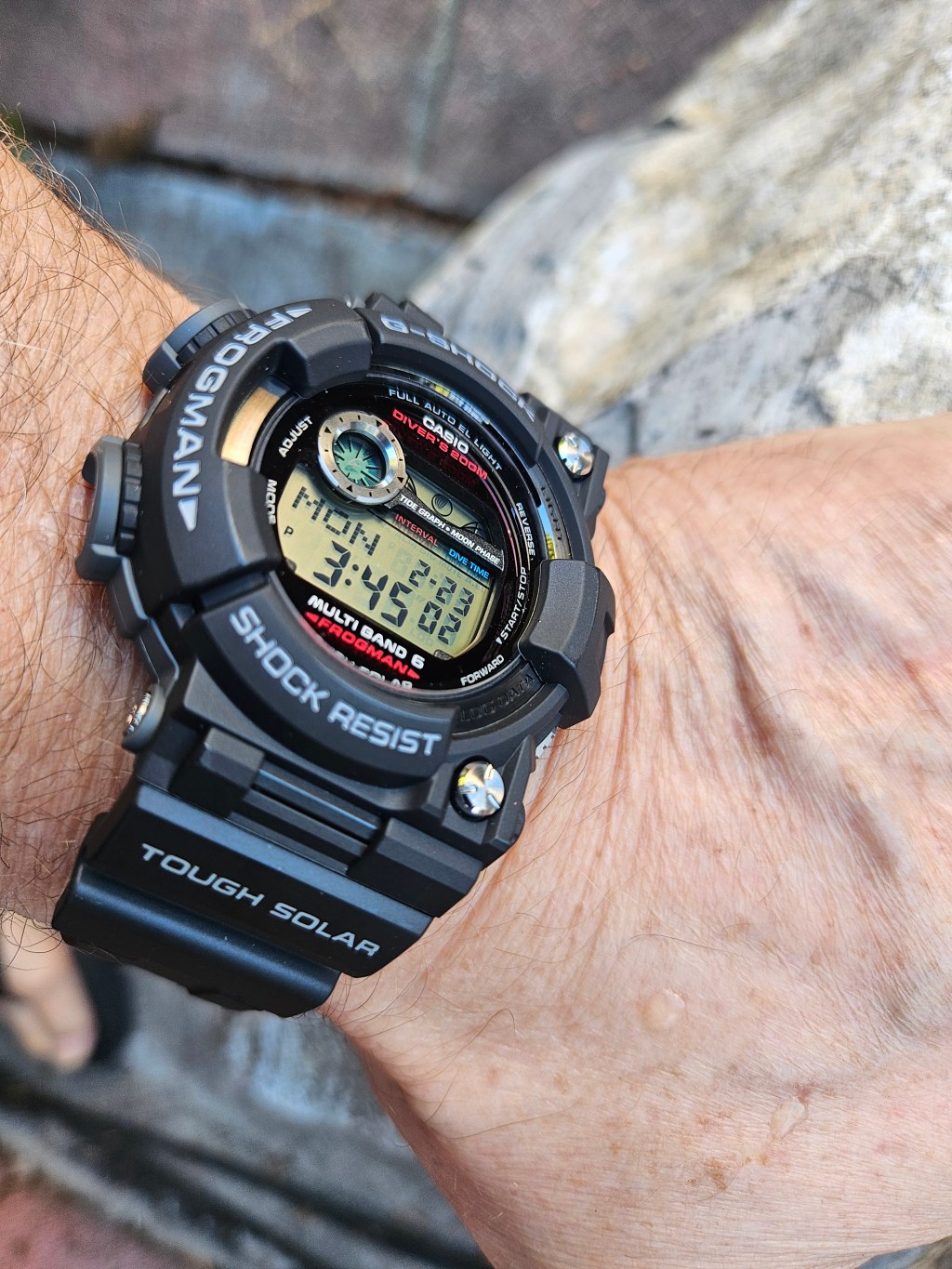
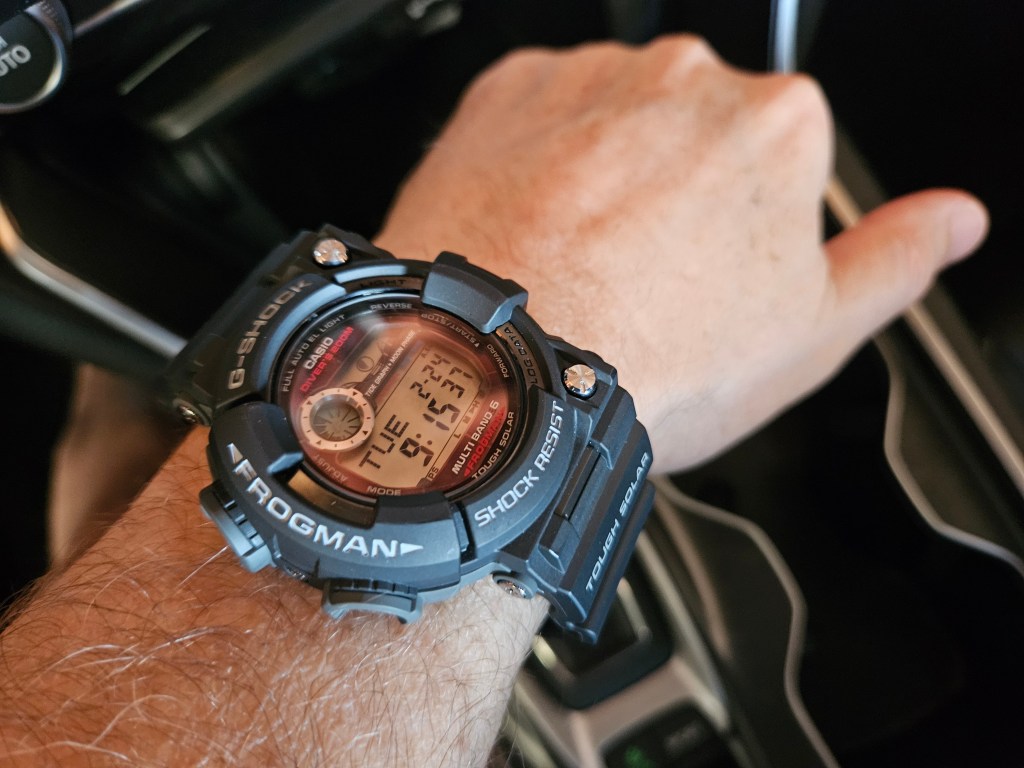
    There is a particular species of human for whom a new computer is not a tool — it’s a religious conversion. The desktop isn’t a workspace; it’s a cockpit for a future self, the glamorous avatar of the writer, artist, or content sorcerer they imagine they will become. People like this do not simply buy machines. They curate private shrines. A desk becomes an escape pod: LED lights humming like temple candles, two monitors glowing like stained-glass windows, and the mechanical keyboard serving as a holy relic. Once seated, the outside world ceases to exist — or so the fantasy goes — until an eBay tab opens and suddenly a $2,500 dive watch begs for attention, or a pair of ergonomic walking shoes on sale becomes a spiritual priority. Sacredness is delicate; it collapses at the first whiff of retail dopamine.

    I speak as one of these zealots. I live in a small home with a wife and two teenage daughters, so I protect the illusion of solitude with the devotion of a medieval monk. My desktop setup has become my monastery. For seven years, I have sat beside the same computer: a 15.6-inch Acer Predator Triton 500 with an RTX 2080, perched like a retired fighter pilot on a wooden pedestal. Beside it stands a 27-inch Asus Designo 4K monitor. My keyboard is an Asus Rog Strix Scope II fitted with “quiet snow” switches — though I still regret not choosing switches that click like a typewriter possessed by Bukowski.

    Here’s the problem: the machine refuses to die. It doesn’t slow down, wheeze, or show symptoms of electronic mortality. It handles everything I throw at it. This stubborn longevity has become an accusation. If I truly mattered — if I were a world-crushing content creator — surely I would need M4 silicon or a Windows Ultra 9. But here I am, a humble i7 and RTX 2080 carrying my entire life on its back like a mule. The message is humiliating: you produce so little that even an elderly predator laptop barely notices your existence. I am not a digital gladiator. I am an NPC.

    One half of me wants to honor the Acer’s absurd durability. I want to see how long it lasts: eight years? Ten? Will it run until I am eighty and my daughters sell it on Facebook Marketplace to a grad student writing her dissertation? The other half of me yearns for a new identity — a fresh cockpit. I fantasize about a Lenovo ThinkPad P16, a machine with the aesthetic of a NATO command center. In my imagination I would sit before it, efficient and unstoppable, a productivity samurai. Then I read about thermals, swollen batteries, and the corporate decay of ThinkPad build quality, and the fantasy curdles.

    Mini PCs tempt me, too — elegant little cubes promising freedom from laptop fan noise. But then I scroll deeper and learn about overheating, BIOS drama, firmware rituals, and mysterious Windows gremlins that exist only for people who try to “optimize.” This is when I confront the truth: Windows PCs are for people fluent in Linux, the jiu-jitsu masters of tech. These individuals have tattoos of penguins on their forearms and spend weekends customizing drivers the way normal people mow their lawns. They don’t “use computers.” They tame them.

    I am not that creature. I am a man who gets nervous updating his router. This leaves me with one path: the Mac Mini. Not because I am enlightened, but because the walls of Apple’s walled garden keep me from accidentally burning the place down. Windows is a vast golf course stretching to the horizon. MacOS is miniature golf: enclosed, guarded, brightly colored obstacles that keep your ball out of the swamp. I must accept who I am — a timid, high-functioning idiot — and pick the putter.

    And yet, when people complain about laptops dying after three years, I can raise a hand and say: “Seven years. RTX 2080. Still alive.” It is not greatness, but it is a kind of glory.

  • The Monster in the Ravine and the Moon Over the Suburbs

    The Monster in the Ravine and the Moon Over the Suburbs

    Last night I dreamed I was wandering through a house I didn’t recognize. The world outside was pitch black. A small family dog pressed its nose to the sliding glass door and barked toward the backyard, desperate to escape. I opened the door and watched the little creature trot behind the bushes to relieve itself. That’s when a monster rose out of the ravine—some hulking mastiff with the skull of a bull, as if a guard dog from the underworld had crawled up to inspect the living. It ignored the pet and fixed its gaze on me. Without hesitation, it entered the house and began to contort into different shapes of malice. At first, I trembled. Then anger boiled in me like a furnace. This thing wasn’t just ugly; it was the source of suffering and rot in the world. I begged God to purify me so I could destroy it, but heaven stayed silent. What I received instead was a strange consolation: a feeling that at least my rage was righteous, and that I still knew where my moral compass pointed.

    Eventually the creature disappeared and daylight arrived. I made a long trek back toward what I understood to be “home.” Across the street, my neighbors were ecstatic, pointing skyward. Hovering above their house was a massive white dome—like a camper shell the size of a Costco, a fallen moon with decorative crenellations. Soon crowds formed. It was a city attraction, a spectacle engineered to “bring excitement.” Snowflakes—artificial, slow-motion confetti—drifted through the air. People gasped, laughed, and posed for photos, thrilled by the distraction.

    The beast was gone, but the problem of evil remained unsolved. In its place, my city embraced pageantry, gimmicks, and civic cheerleading. I touched my aching left shoulder, the one crippled by a three-month rotator cuff tear, and wondered what I would become—a broken man, a burden, a questionable member of society. Fake snow drifted onto the jubilant crowd, and their rosy smiles suggested that change, or at least the illusion of it, was already underway.

  • Camp Flog Gnaw: The Weekend That Broke My Driving Career

    Camp Flog Gnaw: The Weekend That Broke My Driving Career

    Camp Flog Gnaw was a weekend-long bacchanal of sound and sweat for my wife and our twin daughters, two days of music and mayhem baked under the unforgiving Los Angeles sun. My wife braved the trip on Friday and came home looking like a survivor of a maritime disaster, muttering that leaving Dodger Stadium traffic was like trying to escape a collapsing pyramid. She begged me to handle Sunday drop-off and assured me they would Uber home like civilized people. Armed with a “Fast Pass” for the 110 North, I engaged Google Maps, which promptly betrayed me and sent me barreling into downtown—an urban obstacle course specifically engineered to destroy men my age. Pedestrians sprang into the street like feral pigeons, daring me to earn a manslaughter charge. Driverless Waymo cars drifted past me with pastel-lit antennae, cheerful like clown hearses guiding me into the underworld. The lanes themselves seemed painted by committee: solid, dashed, turning, not turning, red, green, “maybe stop,” “maybe don’t”—a psychedelic optical exam administered at 20 mph.

    When I finally dropped off my wife and daughters, I whispered a confession to my wife: “I think I’m giving my Accord to you, and the other car to the girls. I’m retiring from the driving game.” They didn’t laugh; they’ve seen cracks in the armor. I’m a high-strung man, and at sixty-four, the neurons don’t fire like they used to. I can still handle a five-mile radius around my house—my personal demilitarized zone—but pull me into the wilds of Los Angeles traffic and I’m ready to hang up my driver’s jersey. Downtown LA isn’t a city. It’s a gladiatorial arena where the young come to dominate, and I say to myself, “This is no country for old men.” 

  • The Tecsun PL-660 and PL-680 Twins Aren’t Really Twins

    The Tecsun PL-660 and PL-680 Twins Aren’t Really Twins

    If you’ve never encountered my particular strain of madness, here it is: I buy far more radios than any reasonable adult should. I currently own three that serve no practical purpose whatsoever. This has little to do with listening and everything to do with nostalgia—those plastic boxes with antennas still trigger the same 1960s daydreams I had as a boy, sitting in the cockpit of some imaginary fighter jet. To rationalize the excess, I started rotating my Tecsun PL-660 and PL-680 in the garage, two nostalgia pieces I bought eight months ago to recapture the glow of my 2008 radio-obsession era.

    For months I believed the only distinction between them was sensitivity. The 660 grabs 89.3 LAist with ease; the 680 needs coaxing, behaving like a finicky cat that requires just the right antenna angle before it cooperates. But yesterday I discovered the difference that truly matters: volume without distortion. The 680 can punch through lawnmowers, leaf blowers, and low-flying planes. The 660 collapses the moment I turn it past indoor volume. Inside, it sounds lovely; outside, it simply can’t keep up.

    I even photographed both radios for this post before realizing they were coated in a fine layer of garage dust. I had to haul them into the kitchen and wipe them down before taking new photos. Whether these performance quirks reflect real design differences or simple Tecsun quality-control roulette, I can’t say. Neither radio is perfect. And if I’m honest, I should have skipped both and stuck with my PL-880—but that’s a confession for another day.

    As for my garage setup, I’ve removed the 660 and 680 completely and replaced them with the C.Crane CCRadio Solar—a small, dust-resistant plastic unit with a 3-watt speaker that outperforms the 1-watt speakers on both Tecsuns. 

    Final Note:

    Regardless of what radio you use in the garage, I learned a valuable lesson: Drape a towel over it. The garage collects dust 100 times more than inside your house. You need to keep your “garage radio” covered and only uncovered when in use. This lesson is perhaps the most valuable one I learned of all during this “adventure.”