Category: culture

  • Be a Poor Speaker at Your Own Peril

    Be a Poor Speaker at Your Own Peril

    On the latest Dishcast, Andrew Sullivan interviewed the ever-cantankerous Chris Matthews—nearly 80 and still sharp enough to cut glass. Matthews, with his gravelly baritone steeped in decades of political brawls, made a blunt but brilliant point: the failed American presidents—Gerald Ford, Jimmy Carter, Joe Biden—shared one glaring flaw. They couldn’t talk. They mumbled, stumbled, or sounded like nervous librarians scolding kids in the back row.

    Now contrast that with the great performers of the Oval Office—Kennedy, Reagan, Clinton, Obama. Each could command a room, a camera, or a nation, not because they had better policies, but because they could speak. Kennedy practiced endlessly, even in the bathtub, channeling Churchill’s thunderous cadence while scrubbing his armpits. Reagan rehearsed like an actor because—well, he was one. Matthews’ thesis? If you’re a politician and can’t speak, you’re in the wrong line of work. There’s no excuse. Oratory is not some divine gift—it’s a muscle, and you’d damn well better train it.

    I couldn’t agree more. In my forty years teaching college students, my most potent teaching tool wasn’t my syllabus or my grading rubric—it was my voice. My persona. My ability to perform indignation, irony, sarcasm, and revelation—all in the same breath. I played a character: part prophet, part stand-up comic, part disappointed parent watching the nation stick a fork in the toaster. And that outraged character got through to students. It entertained while it educated. It gave ideas a delivery system my students could remember.

    So when I watch politicians stumble through speeches like deer on roller skates, I want to scream. You are leading a country. You should not sound like a sedated hostage reading a ransom note. At their worst, some of these men sound like toddlers in a supermarket, lost and wailing, unable to pronounce the word “mommy.” And yet they expect to run a superpower.

    Chris Matthews is right: if you can’t speak, you can’t lead.

  • I Don’t Want the Safest Seat—I Want Off the Plane

    I Don’t Want the Safest Seat—I Want Off the Plane

    This morning, The New York Times ran an article titled: “Is There a Safest Seat in a Plane Crash? We Asked Experts.” I didn’t read it. Why? Because if I’m contemplating crash logistics before boarding, I’m not flying—I’m staying home and Googling Amtrak timetables like a rational coward.

    I have a strict policy: I don’t waste cognitive energy calculating the least horrific outcome in a scenario that is, by definition, a screaming plunge into chaos. I don’t want the “least bad” seat on a falling aircraft. I want not to be on the damn aircraft.

    Apply this logic elsewhere: If there’s a tropical fruit called the Toxo-Berry, whose flavor profile is “forbidden Skittles laced with liver failure,” I’m not reading “Which Toxo-Berry Is Least Likely to Kill You? We Asked Experts.” I’m steering clear of the entire genus.

    Same goes for towns with names like Podunk, which sound like the setting of a Stephen King novella and have crime rates that make war zones look stable. No, I will not be reading “Is There a Relatively Safe Neighborhood in Podunk?” The answer is always no. The safest place in Podunk is the exit.

    These articles aren’t journalism—they’re anxiety bait. Click-candy wrapped in pseudoscientific wrappings, meant to stoke your adrenal glands until you’re too twitchy to remember that real journalism is supposed to illuminate, not induce heart palpitations. I read newspapers to think better, not to panic dumber.

  • Nostalgia, Nihilism, and the Need for a North Star

    Nostalgia, Nihilism, and the Need for a North Star

    We live in a state of perpetual performance. Not just for others, but for ourselves. It’s cosplay with consequences—playful on the surface, deadly serious underneath. We obsess over how our performance lands. We evaluate our worth by the reactions we elicit. At stake is not just our reputation, but our very sense of moral character.

    This obsession isn’t new. The philosopher Blaise Pascal put it bluntly: we’d rather appear virtuous than actually be virtuous. It’s easier to sculpt the image than to develop the core. In this way, we’ve become artisans of curation, not content—architects of persona, not people.

    We live, as Shakespeare warned, on a stage. But our thirst for applause is bottomless. The more we receive, the more we crave. We become validation addicts, forever chasing the next fix of approval. And when applause falters or vanishes, anxiety rushes in. To soothe this anxiety, we self-medicate. Not just with likes and follows—but with food, consumption, workouts, and delusion.

    Some of us drown that dread in comfort food. Others sprint in the opposite direction—discipline, clean eating, high-performance regimens. But often, that stoicism is just cosplay too: hunger in a different mask. When that fails, we drift into nostalgia. We reimagine the past—not as it was, but as it flatters us to believe it was. We cast ourselves as the hero, the lover, the misunderstood genius. The story becomes so good, we forget it isn’t true. We live in the fiction and lose our grip on reality.

    This disconnect—between who we pretend to be and who we are—makes us brittle. Maladapted. And so the cycle deepens: more consumption, more self-distraction, more illusion. Consumerism becomes therapy. Hedonism becomes self-care. Nihilism becomes a badge of honor. All of it is cosplay. And all of it is corrosive.

    Philosophy, religion, and therapy exist to confront this masquerade. They offer a language for our delusions, a history of our dysfunction, and a spiritual direction out of the maze. They remind us that cosplay is not identity, and performance is not presence.

    I don’t pretend to have it figured out. But I’ve found insight in thinkers like Phil Stutz, who warns against the seductive ease of instant gratification, and Steven Pressfield, who speaks of resisting the lure of comfort in favor of a purposeful life. I’ve also been challenged—and strangely comforted—by Paul’s doctrine of kenosis: the radical idea that we’re not here to inflate ourselves but to empty ourselves in service of others. In a world obsessed with power and “respect,” that message lands like a thunderclap.

    What unsettles me most is not our ignorance—it’s our awareness. Many of us know the truth. We even live it for a while. But we drift. We relapse. We trade the hard-earned clarity for the cheap thrill of our old scripts. That’s what demoralizes me: not just the fall, but the speed and ease with which it happens.

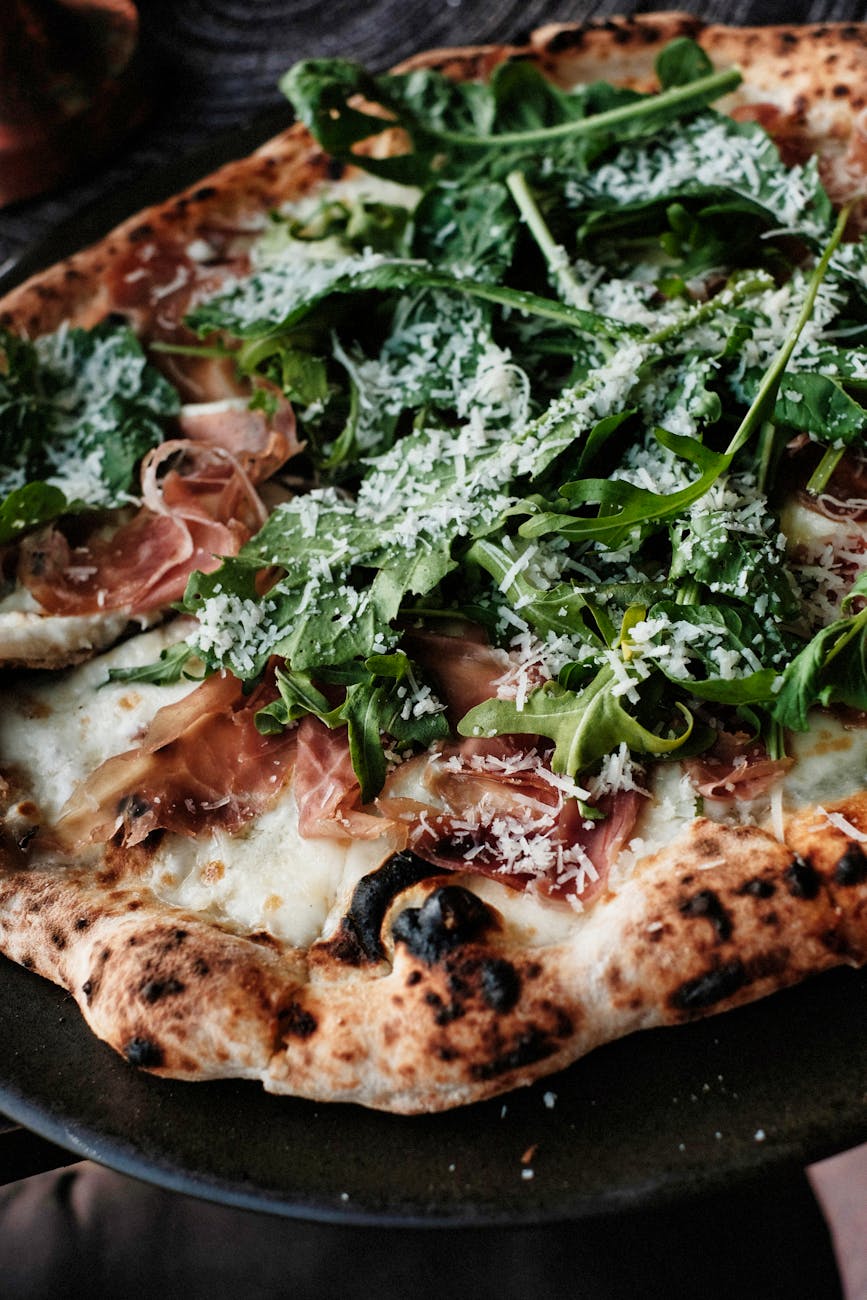
    Yet I still believe in the power of a North Star. Call it purpose, vision, a calling—whatever name it takes, it’s the gravitational pull that keeps us from floating off into the void of our appetites. I think of Ann Kim, the Korean immigrant told to stay in her lane. She didn’t. She found her voice, expressed it through food, and became a James Beard Award-winning chef.

    The path to a good life, I suspect, doesn’t begin with fear of failure. It begins with a compelling vision of who we are meant to be. And the discipline to never look away from it.

  • Becoming Led Zeppelin: A Fan’s Liturgy in Sweat, Hair, and Feedback

    Becoming Led Zeppelin: A Fan’s Liturgy in Sweat, Hair, and Feedback

    In the Bay Area of the 1970s, nothing was more quintessentially American than Led Zeppelin. Not apple pie, not hot dogs, not even fireworks detonating under the banner of freedom on the Fourth of July. No, Led Zeppelin was the national anthem of hormonal turbulence, a sonic passport to lust, rebellion, and ecstatic doom. At the center of this swirling pagan mass stood Robert Plant—shirtless, golden-maned, howling with the tortured elegance of a fallen angel whose job was to make teenagers believe that transcendence came through hips, heartbreak, and hair-whipping.

    Plant wasn’t just the house prophet of sexual revolution-era America; he was its prisoner. His voice didn’t just seduce—it ached. It howled. It bled. It was priapism as opera, libido turned operatic suffering. Meanwhile, Hugh Hefner—the so-called high priest of sexual liberation—was a fraud with a bubble pipe. With his crusty cardigan and smug, soft-core smirk, Hefner sold a sterilized fantasy built for TV sitcoms. Robert Plant, by contrast, sounded like he’d clawed his way out of the underworld in leather pants, carrying every orgasm and every regret with him.

    In Bernard MacMahon’s Becoming Led Zeppelin, we encounter Plant as the elder beast—still leonine, still mythic. He reclines in a richly shadowed room worthy of Masterpiece Theatre, his face now a craggy relief map of rock’s excesses. The documentary doesn’t dwell on the groupies, trashed hotel rooms, or aquatic legends of infamy. Instead, it gives us the roots: Plant’s soulful debt to Little Richard, Page and Jones’ studio stint with Shirley Bassey’s “Goldfinger”—that thunderclap of a song that still sounds like someone hurling a piano at the moon. Watching that scene took me straight back to 1973 Nairobi, where my father and I first heard Bassey belt that monster in a theater so loud it felt like the walls were peeling.

    There’s archival footage of Zeppelin playing to a crowd that looks less like Woodstock and more like a family reunion gone sideways. Grandmothers clutching their pearls. Children plugging their ears. No one knew what had hit them. This wasn’t just music—it was a mass exorcism.

    So no, Becoming Led Zeppelin won’t give you the tabloid filth. It won’t dive into the daisy chain of destruction that came with their rise. But it offers something more interesting: a portrait of a band that didn’t just soundtrack my youth—they were my youth. And Robert Plant, in all his howling, tormented glory, was its golden god of doom.

  • Stage-Crafted Selves: The Art of Self-Building in Mike Tyson and Chris Rock (College Essay Prompt)

    Stage-Crafted Selves: The Art of Self-Building in Mike Tyson and Chris Rock (College Essay Prompt)

    Background: From Wreckage to Branding: The Art of Curating Your Chaos

    In the Amazon Prime documentary Group Therapy, Neil Patrick Harris plays a surprisingly restrained version of himself as moderator while six comedians—Tig Notaro, Nicole Byer, Mike Birbiglia, London Hughes, Atsuko Okatsuka, and Gary Gulman—dissect the raw material of their lives. The big reveal? That material doesn’t go from trauma to stage in one dramatic leap. No, it must be fermented, filtered, and fashioned into something more useful than pain: a persona.

    Mike Birbiglia delivers the central thesis of the show, and I’ll paraphrase with a bit more bite: You can’t stagger onto stage mid-breakdown and expect catharsis to double as comedy. That’s not a gift—it’s a demand. You’re taking from the audience, not offering them anything. The real craft lies in the slow, deliberate process of transforming suffering into something elegant, pointed, and—yes—entertaining. That means the comic must achieve emotional distance from the wreckage, construct a precise point of view, and build a persona strong enough to carry the weight without buckling. In other words, the chaos must be curated. Unlike therapy, where you’re still bleeding onto the couch, stand-up demands a version of you that knows how to make the bloodstains rhyme.

    This process is a perfect metaphor for what college students must do, whether they realize it or not. They’re not just acquiring credentials—they’re building selves. And that takes more than GPAs and LinkedIn bios. It requires language, history, personal narrative, and a working origin myth that turns their emotional baggage into emotional architecture. And yes, it sounds crass, but the result is a kind of “self-brand”—an identity with coherence, voice, and purpose, forged from pain but presented with polish.

    We see this high-wire act pulled off masterfully in Mike Tyson: Undisputed Truth and Chris Rock: Tamborine. Both men dive headfirst into their demons—not to wallow, but to narrate. They show us the bruises and the blueprint. Their stories aren’t cries for help; they’re lessons in how to survive the spectacle, reclaim the mic, and turn personal damage into public insight. And that’s the point I want to bring to my freshman composition class: that the most powerful voice you’ll ever write in is the one you’ve built—not from scratch, but from salvage.

    Essay Prompt:

    In both Mike Tyson: Undisputed Truth and Chris Rock: Tamborine, we witness two public figures transforming their emotional damage, private failures, and traumatic histories into something far more than therapy—they become performances of self-mastery. Drawing from the concept explored in the Group Therapy documentary—that comedians (and by extension, performers) must process their pain into curated, audience-ready wisdom—this essay invites you to compare how Tyson and Rock construct their public selves through performance.

    Using the metaphor of self-building, analyze how each man converts raw experience into crafted identity. How do they achieve emotional distance from their past? What techniques—tone, structure, persona—do they use to signal that their pain has been worked over and transformed? How do their performances imply growth, responsibility, or redemption without becoming preachy or self-pitying? And how might their journeys of self-construction offer insight into how college students, too, must build coherent identities from the chaotic raw material of their lives?

    Your essay should analyze both performances as acts of narrative curation—exploring not only what Tyson and Rock reveal, but how and why they do so. Finally, reflect on what their examples suggest about the larger cultural demand to “become a brand,” to craft a self others can recognize, consume, and respect.


    Three Sample Thesis Statements with Mapping Components:

    1.
    Thesis:
    Mike Tyson and Chris Rock both engage in self-building by transforming personal failure into performance, but while Tyson leans into theatrical confession to reclaim a shattered image, Rock uses surgical wit and emotional restraint to reshape his own flaws into lessons about maturity and ego.
    Mapping:
    This essay will examine how each performer processes trauma through their unique style, how narrative control becomes a form of public redemption, and how both offer models for emotional coherence in the face of cultural expectations.

    2.
    Thesis:
    Tyson’s Undisputed Truth and Rock’s Tamborine reveal that successful self-building is not about perfection but about narrative ownership; each man carefully packages vulnerability into a performance that signals strength, reflection, and a refusal to be defined by past mistakes.
    Mapping:
    This essay will analyze the construction of persona, the implied emotional work behind each performance, and the public’s willingness to embrace complexity when it’s shaped into coherence.

    3.
    Thesis:
    Though Tyson and Rock work in different genres, both use the stage to convert unprocessed pain into curated identity, offering their audiences not a plea for sympathy but a model of self-knowledge forged through honesty, humor, and performance.
    Mapping:
    This essay will explore how distance, control, and structure allow for public healing, how each man avoids the pitfalls of therapy-as-performance, and how their stories model self-construction for others navigating chaos.


    Classroom Writing Activity:

    Title: “Self-Building: From Chaos to Clarity”

    Instructions:
    Have students write a 250-word response to the following:

    Think about a challenge, contradiction, or painful experience that has shaped you. Now consider how you’ve talked about it—to friends, in writing, or in public. Have you processed it, or is it still raw? What would it take to turn that experience into a story you could tell not to vent, but to help others—like Tyson or Rock? What persona would you need to craft to tell it well?

    Encourage students to reflect on the difference between therapy and performance, and how both require different levels of readiness and emotional clarity.

    Here are seven parallels between Mike Tyson and Chris Rock in terms of self-building, using the passage you provided as a guiding framework. Both men, in Undisputed Truth and Tamborine respectively, present emotionally processed versions of themselves—not raw therapy, but crafted, honed, and performative identities that transform trauma into narrative power.

    1. Emotional Distance as Craft

    Both Tyson and Rock take deeply painful, private material—Tyson’s history of violence, poverty, and public shame; Rock’s divorce, infidelity, and insecurity—and present it only after significant emotional distance has been achieved. Like Birbiglia suggests, neither man is asking the audience to “hold their pain” in real time; instead, they shape it into something digestible, stylized, and structured.

    2. Persona as Public Shield

    Tyson becomes a theatrical confessor—brutally honest, yet clearly in control. Rock, in Tamborine, is self-deprecating but razor-sharp, balancing remorse with authority. Both performances rely on constructed personas that allow them to explore dark material without unraveling on stage. Their “selves” are curated: still vulnerable, but framed by irony, structure, and control.

    3. From Confusion to Clarity

    Therapy is about murky beginnings—questions with no resolution. Tyson and Rock give us the aftermath of that journey. In their performances, they’ve metabolized confusion into clarity. Tyson articulates how his rage was a mask for fear. Rock admits how his ego and emotional detachment destroyed his marriage. Both offer processed truths, not raw data.

    4. Curation of Trauma

    These are not “live breakdowns.” Tyson doesn’t re-live trauma; he narrates it with biting humor and tragicomic flair. Rock doesn’t ask for sympathy—he delivers punchlines about personal failure. Both are examples of curated trauma, shaped into art for audience consumption, transformed into narrative coherence rather than chaotic catharsis.

    5. Mastery of Narrative Control

    Both men reclaim their public images by telling their own stories. Tyson had been labeled a monster by the media; Undisputed Truth rehumanizes him. Rock had been seen as invincible, slick, and untouchable; Tamborine exposes the cracks beneath that facade. Their self-presentations are acts of reclaiming narrative control, refusing to be defined by scandal or gossip.

    6. Implied Growth, Not Moral Perfection

    Neither Tyson nor Rock claims sainthood. Tyson admits to being monstrous, but shows he understands why. Rock owns his flaws without sugarcoating them. In both cases, the growth is implied, not lectured—there’s wisdom without self-righteousness, revelation without begging for applause.

    7. Performance as Redemption

    For both, the stage becomes a sacred space of self-redemption—not through tears, but through art. Tyson’s monologue is a strange mix of theater, stand-up, and testimony. Rock’s set is part confessional, part sermon, part satire. The performance itself becomes a redemptive act—a way to give back rather than take, to turn personal pain into a public offering.


  • From Wreckage to Branding: The Art of Curating Your Chaos

    From Wreckage to Branding: The Art of Curating Your Chaos

    In the Amazon Prime documentary Group Therapy, Neil Patrick Harris plays a surprisingly restrained version of himself as moderator while six comedians—Tig Notaro, Nicole Byer, Mike Birbiglia, London Hughes, Atsuko Okatsuka, and Gary Gulman—dissect the raw material of their lives. The big reveal? That material doesn’t go from trauma to stage in one dramatic leap. No, it must be fermented, filtered, and fashioned into something more useful than pain: a persona.

    Mike Birbiglia delivers the central thesis of the show, and I’ll paraphrase with a bit more bite: You can’t stagger onto stage mid-breakdown and expect catharsis to double as comedy. That’s not a gift—it’s a demand. You’re taking from the audience, not offering them anything. The real craft lies in the slow, deliberate process of transforming suffering into something elegant, pointed, and—yes—entertaining. That means the comic must achieve emotional distance from the wreckage, construct a precise point of view, and build a persona strong enough to carry the weight without buckling. In other words, the chaos must be curated. Unlike therapy, where you’re still bleeding onto the couch, stand-up demands a version of you that knows how to make the bloodstains rhyme.

    This process is a perfect metaphor for what college students must do, whether they realize it or not. They’re not just acquiring credentials—they’re building selves. And that takes more than GPAs and LinkedIn bios. It requires language, history, personal narrative, and a working origin myth that turns their emotional baggage into emotional architecture. And yes, it sounds crass, but the result is a kind of “self-brand”—an identity with coherence, voice, and purpose, forged from pain but presented with polish.

    We see this high-wire act pulled off masterfully in Mike Tyson: Undisputed Truth and Chris Rock: Tamborine. Both men dive headfirst into their demons—not to wallow, but to narrate. They show us the bruises and the blueprint. Their stories aren’t cries for help; they’re lessons in how to survive the spectacle, reclaim the mic, and turn personal damage into public insight. And that’s the point I want to bring to my freshman composition class: that the most powerful voice you’ll ever write in is the one you’ve built—not from scratch, but from salvage.

  • Poets, Fighters, and Masks: The Double Consciousness of Black Icons in Dear Mama and Undisputed Truth (College Essay Prompt)

    Poets, Fighters, and Masks: The Double Consciousness of Black Icons in Dear Mama and Undisputed Truth (College Essay Prompt)

    In an era where public identity is both weapon and performance, Dear Mama: The Saga of Afeni and Tupac Shakur and Mike Tyson: Undisputed Truth offer two emotionally complex portraits of famous Black men grappling with fame, pain, and representation. Both Tupac Shakur and Mike Tyson came from worlds shaped by violence, systemic injustice, and abandonment—yet both rose to immense prominence as cultural icons in vastly different arenas: Tupac through music and poetry, Tyson through boxing. Each embodied a kind of mythic power in the public eye while privately battling internal chaos and trauma that fame only magnified.

    This essay invites you to use W.E.B. Du Bois’s concept of double consciousness—the internal conflict experienced by marginalized people who must constantly see themselves through both their own eyes and the eyes of a dominant culture—as a critical lens to compare the lives of Tupac and Tyson. How did Tupac reconcile being both a revolutionary poet and a commodified celebrity? How did Tyson navigate the tension between being a feared athlete and a deeply wounded man searching for peace? How do these documentaries frame the burden of living two lives—one personal, the other performative—for public consumption?

    Your essay should address the internal and external conflicts that arise from these dual roles. You must analyze how each figure attempted to control or narrate his own story and how the public either misunderstood, consumed, or manipulated those narratives. Finally, reflect on what their stories reveal about American culture’s contradictory relationship to Black masculinity, fame, pain, and authenticity.


    Three Sample Thesis Statements with Mapping Components

    1.
    Thesis:
    Tupac Shakur and Mike Tyson both struggled with double consciousness as they became symbols of strength and survival for Black America while being distorted by mainstream media; through Dear Mama and Undisputed Truth, we see how art and performance became survival mechanisms that masked, revealed, and complicated their personal pain.
    Mapping:
    This essay will examine how both men used performance to control their narrative, how external media distorted their identities, and how their internal contradictions reflect Du Bois’s theory of double consciousness.

    2.
    Thesis:
    While Tupac balanced poetry and political rebellion with his celebrity image, and Tyson staged a raw confession to reclaim his story, both men illustrate the psychological toll of being consumed by a public that wants trauma packaged as entertainment.
    Mapping:
    The essay will compare their narrative strategies, explore the impact of fame on personal identity, and analyze the cultural expectations placed on Black male icons.

    3.
    Thesis:
    Through the lens of double consciousness, Dear Mama and Undisputed Truth reveal Tupac and Tyson as men fractured by the impossible demand to be both real and marketable—radical voices for the oppressed who also had to perform palatable versions of Black masculinity to survive.
    Mapping:
    This essay will analyze the tension between authenticity and image, the role of confession in reclaiming identity, and the societal pressures that shaped both men’s downfall and public myth.

    Suggested Essay Outline

    I. Introduction

    • Introduce Du Bois’s concept of double consciousness.
    • Briefly introduce Tupac and Tyson as cultural icons.
    • State your thesis.

    II. Defining Double Consciousness

    • Explain Du Bois’s theory in plain terms.
    • Apply it broadly to the lives of marginalized public figures.

    III. Tupac Shakur in Dear Mama

    • Discuss Tupac’s upbringing, activism, and artistic ambition.
    • Examine his dual identity: revolutionary poet vs. entertainment product.
    • Explore internal conflicts (mother’s legacy, criminal persona, artistry).
    • Analyze media portrayal and public misunderstanding.

    IV. Mike Tyson in Undisputed Truth

    • Analyze Tyson’s performance as confessional theater.
    • Explore his dual role: unstoppable fighter vs. traumatized child.
    • Look at the tension between public image and private suffering.
    • Examine how Tyson uses storytelling to rewrite his legacy.

    V. Performance as Survival

    • Compare how both men used performance—spoken word, music, monologue—as a way to wrest back control of their image.
    • Analyze the emotional and psychological toll of constantly performing multiple selves.

    VI. The Public’s Role

    • Discuss how American culture both exalts and devours these men.
    • Reflect on the voyeurism, consumption, and moral hypocrisy of audiences.

    VII. Conclusion

    • Reaffirm the relevance of Du Bois’s theory.
    • Reflect on what these stories reveal about identity, fame, and survival in America.

    Great—here’s a short, powerful excerpt from W.E.B. Du Bois’s The Souls of Black Folk (1903) that pairs well with the essay prompt. This passage introduces the concept of double consciousness, which students can use as a theoretical lens in their analysis of Dear Mama and Undisputed Truth:


    Reading Excerpt from W.E.B. Du Bois, The Souls of Black Folk

    (Chapter 1: “Of Our Spiritual Strivings”)

    “It is a peculiar sensation, this double-consciousness, this sense of always looking at one’s self through the eyes of others, of measuring one’s soul by the tape of a world that looks on in amused contempt and pity. One ever feels his two-ness,—an American, a Negro; two souls, two thoughts, two unreconciled strivings; two warring ideals in one dark body, whose dogged strength alone keeps it from being torn asunder.”


    Suggested Use for the Classroom:

    Have students read and annotate this passage before watching or analyzing Dear Mama and Undisputed Truth. Encourage them to highlight keywords: “two-ness,” “looking at one’s self through the eyes of others,” and “warring ideals.” Ask:

    • How do Tupac and Tyson live out this “two-ness” in different ways?
    • Where do you see them attempting to reconcile (or exploit) their competing identities?
    • How does the public respond to these attempts—and what does that say about the audience’s role?

    Here’s a short writing activity and guided questions designed to help students engage with the Du Bois excerpt before drafting their full essay. This activity works well as a warm-up discussion, in-class writing task, or homework assignment.


    Pre-Essay Writing Activity: Understanding Du Bois’s Double Consciousness

    Objective:

    To help students internalize Du Bois’s theory of double consciousness and apply it to their understanding of Tupac Shakur and Mike Tyson before writing their comparative essay.


    Part 1: Close Reading (5–7 minutes)

    Have students read this excerpt from W.E.B. Du Bois aloud (either in pairs or as a class):

    “It is a peculiar sensation, this double-consciousness, this sense of always looking at one’s self through the eyes of others, of measuring one’s soul by the tape of a world that looks on in amused contempt and pity. One ever feels his two-ness,—an American, a Negro; two souls, two thoughts, two unreconciled strivings; two warring ideals in one dark body, whose dogged strength alone keeps it from being torn asunder.”

    Ask students to underline or highlight 2–3 phrases that resonate or confuse them. Discuss them briefly.


    Part 2: Short Reflective Writing (10 minutes)

    Prompt:
    In 200–300 words, respond to the following:

    What does Du Bois mean by “double-consciousness”? Have you ever experienced a version of this “two-ness”—where you felt split between how you see yourself and how others see you? If not, can you imagine what that would feel like in the public eye, as a famous artist or athlete? Based on what you know of Tupac Shakur or Mike Tyson, which of them seems to struggle more with this “double-consciousness,” and why?

    Encourage students to write freely, using specific language from the Du Bois passage if possible.


    Part 3: Guided Discussion Questions

    Use these to deepen discussion or as a pre-writing brainstorm:

    1. How does Du Bois describe the psychological effects of double-consciousness?
    2. In what ways is double-consciousness visible in Tupac’s lyrics, interviews, or actions in Dear Mama?
    3. How does Mike Tyson express this “two-ness” in Undisputed Truth?
    4. What roles do race, class, trauma, and fame play in shaping their dual identities?
    5. Does either man ever fully reconcile his two selves—or are they always at war?
    6. What does it cost them—psychologically or socially—to live with this internal conflict?

  • Crying at the Sink: The Dishwashing Grammy Awards

    Crying at the Sink: The Dishwashing Grammy Awards

    Don’t ask me why, but there’s something about doing dishes after dinner that turns me into a soft-focus emotional wreck. Somewhere between the soap suds and the rinse cycle, I cue up Rickie Lee Jones’s “Living It Up”—one of my all-time favorite songs—and without fail, it punctures the heart like a stiletto dipped in nostalgia. Tonight, it brought on another weepy micro-moment, which means it’s time to officially give it The Most Likely to Make Me Cry from Too Much Beauty Award.

    This of course sent me spiraling into my own kitchen-sink Grammy ceremony, where I began handing out awards like a deranged emotional sommelier.

    • Todd Rundgren’s “Can We Still Be Friends” wins The Song That Makes You Recommit to Being a Half-Decent Human Being Award. It’s the sonic equivalent of an awkward apology after ruining Thanksgiving.
    • The Isley Brothers’ “Living for the Love of You” earns The Track Most Likely to Be Playing in Heaven When You Arrive Award—assuming heaven has good speakers and excellent taste.
    • Yes’s “And You and I” takes home The Sounds-Like-It-Was-Composed-by-Angels-on-a-Mountain-Top Award. I don’t know what dimension that song came from, but it wasn’t this one.
    • John Mayer’s “No Such Thing” is given The Makes You Happy to Be a Living, Breathing Fool Award. It’s that rare pop song that makes you want to fist-pump your own mediocrity.
    • The Sundays’ “You’re Not the Only One I Know” walks away with The Makes Sadness So Gorgeous You Forget to Be Upset Award. It’s a musical sigh pressed between lace and rain.

    I could keep going—my brain has a whole red carpet lined up—but I’ve got another episode of Sirens on Netflix to cry through. Turns out the best part of my day is a cross between dish soap, beautiful songs, and low-level existential unraveling. What a life.

  • Borderless Flavors: Food, Power, and the Collapse of Culinary Elitism (College Essay Prompt)

    Borderless Flavors: Food, Power, and the Collapse of Culinary Elitism (College Essay Prompt)

    Essay Prompt (1,700 words):

    In the Chef’s Table: Pizza episode featuring Ann Kim, food becomes a site of transformation, healing, and reinvention. Kim channels her failed acting career into culinary artistry, crafting dishes that express the multiplicity of her identity—as a Korean-American daughter, an artist, and an immigrant success story. Her pizzas become canvases for memory, rebellion, and gratitude, especially toward her parents. Her story is a microcosm of the broader immigrant narrative: negotiating identity, navigating cultural shame, and ultimately reversing the script as the very foods once mocked become culinary gold.

    In this essay, compare the themes in Ann Kim’s story with those in Ugly Delicious (Season 1, Episode “Tacos”) and selected episodes of The Taco Chronicles. How do these shows depict food as more than sustenance—as performance, identity, resistance, and love? In what ways do immigrant chefs and food workers subvert the shame once associated with their cultural foods and assert pride, creativity, and belonging through cuisine?

    Your essay must engage with the visual rhetoric of the shows (tone, music, imagery), analyze the role of food as narrative and identity, and include at least two secondary sources—these may include academic articles on food studies, identity, or immigrant narratives.

    Sample Thesis Statements:

    1. The Performance of the Plate
    Through Ann Kim’s story in Chef’s Table: Pizza, the taco discourse in Ugly Delicious, and the street-food heroism of The Taco Chronicles, we see food function as a performance of identity, where immigrant chefs use culinary artistry to reclaim scorned traditions, express hybrid selves, and find belonging in spaces that once excluded them.

    Mapping components:

    • Culinary performance as identity expression
    • Reversal of cultural shame into pride
    • Belonging through the craft of food

    2. From Shame to Reverence
    Ann Kim, David Chang, and the taqueros of The Taco Chronicles show how the foods once mocked in American lunchrooms are now celebrated on global stages, revealing that cuisine is a powerful tool of cultural revenge, emotional healing, and self-definition for immigrant communities.

    Mapping components:

    • Mockery and marginalization of immigrant food
    • Culinary revenge and cultural redemption
    • Healing and self-definition through cooking

    3. Food as Love, Labor, and Legacy
    While Chef’s Table: Pizza casts Ann Kim’s story as one of artistic reinvention and filial love, Ugly Delicious and The Taco Chronicles emphasize how food binds generations, builds communities, and becomes a labor of love that transforms trauma into legacy.

    Mapping components:

    • Culinary reinvention as personal and artistic legacy
    • Food as intergenerational bridge
    • Labor, love, and storytelling through cuisine

    Sample Outline:


    I. Introduction

    • Hook: A vivid scene from Ann Kim’s episode—placing gochujang on pizza as rebellion and homage.
    • Context: Rise of food documentaries as cultural texts.
    • Thesis: (Insert one of the thesis statements above.)

    II. Ann Kim: The Personal is Culinary

    • Acting failure and identity fragmentation
    • Food as theatrical medium: personas, freedom, risk
    • Immigrant shame turned into culinary power (Korean pizza)
    • Cooking for her parents as an act of redemption and gratitude

    III. Ugly Delicious: The Taco Episode and Cultural Inversion

    • David Chang’s exploration of authenticity and invention
    • The taco as a battleground of legitimacy (Mexican roots vs. American remix)
    • Use of celebrity chefs and taqueros to show class and cultural divides
    • Food once marginalized now used as a symbol of culinary innovation

    IV. The Taco Chronicles: Myth, Ritual, and Regional Pride

    • Focus on specific episodes (e.g., Suadero, Cochinita Pibil)
    • Tacos as sacred practice, generational labor, and social equalizer
    • Visual and musical rhetoric: the taco as folk hero
    • Repeated motif: taqueros breaking class and cultural boundaries with corn, fire, and steel

    V. Comparative Analysis

    • Immigrant identity in all three: reclaiming power through food
    • Emotional resonance: food as apology, tribute, rebellion
    • Different tones: Kim’s cinematic elegance vs. Chang’s irreverent inquiry vs. Chronicles’ reverent folklore

    VI. Counterargument Section

    • Some critics argue that food media romanticizes struggle or sanitizes labor conditions
    • Rebuttal: While these shows may aestheticize food, they also restore dignity to cuisines and cooks historically ignored by dominant culture

    VII. Conclusion

    • Reassert the thesis: food is not just fuel—it is metaphor, memoir, and medium
    • End with a return to a powerful image—perhaps Ann Kim in her pizzeria, cooking for her parents, feeding them not just dinner, but decades of unspoken love

  • Taco Nation: How a Humble Street Food Became Mexico’s Superpower (College Essay Prompt)

    Taco Nation: How a Humble Street Food Became Mexico’s Superpower (College Essay Prompt)

    Essay Prompt:

    In the Netflix docuseries The Taco Chronicles, the taco is not portrayed as a mere food item but as a cultural force—an edible emblem of Mexico’s resilience, creativity, and soul. The series argues that the taco is a kind of Mexican superfood—not only for its nutritional versatility, but also for its power to break down cultural and class barriers, foster community, and rejuvenate the communal spirit through the sacred staple of corn. It is both deeply traditional and endlessly innovative, enchanting the people who eat it and the taqueros who make it.

    Write a 1,700-word argumentative essay that responds to the claim that the taco functions as a Mexican superfood with transformative social and cultural power. Consider how the taco transcends boundaries—economic, racial, culinary, and geographic—while also preserving deep-rooted traditions. You may also explore counterarguments: Is the global popularity of the taco watering down its identity? Is the romanticization of street food masking deeper inequalities?

    Support your argument with examples from The Taco Chronicles and incorporate at least two additional sources (journalistic, scholarly, or culinary writing) that offer insights into food culture, globalization, or Mexican identity.

    Sample Thesis Statements:


    1. The Taco as Cultural Bridge
    While often seen as humble street food, the taco stands as a powerful symbol of cultural resilience, breaking barriers of class and race, rejuvenating communities through the ancestral force of corn, and reinventing itself across borders without losing its soul.

    Mapping components:

    • Symbol of cultural resilience
    • Rejuvenation through corn
    • Innovation without cultural loss

    2. A Superfood for the Soul
    Far from just a culinary trend, the taco operates as a Mexican superfood by nourishing the body, connecting diverse communities across social divides, and reviving cultural heritage through its balance of tradition and modern flair.

    Mapping components:

    • Nourishment and accessibility
    • Cross-class and cross-cultural unity
    • Reinvention of tradition

    3. Romantic or Real? Interrogating the Taco’s Power
    Though The Taco Chronicles portrays the taco as a superfood capable of healing social divisions and celebrating tradition, its growing global appeal risks cultural dilution, commodification, and the masking of labor inequities behind its charm.

    Mapping components:

    • Healing and communal unity
    • Risk of global commodification
    • Invisible labor and exploitation

    Here are three counterarguments with rebuttals, each addressing a core claim from the prompt about the taco’s cultural and communal power:


    Counterargument 1: “The Taco Has Been Commercialized Beyond Recognition”

    As the taco gains global popularity, it’s often stripped of its cultural context and repackaged as a trendy, overpriced novelty in upscale restaurants. The soul of the taco gets lost in translation, turning it into an Instagram prop rather than a communal or ancestral food.

    Rebuttal:
    While some global versions of the taco are divorced from tradition, The Taco Chronicles shows that innovation and authenticity can coexist. From suadero in Mexico City to cochinita pibil in Yucatán, the taco is continually reinvented without losing its cultural core. Rather than being erased, the taco’s story is being exported—sometimes imperfectly, but often with respect and curiosity.


    Counterargument 2: “Romanticizing the Taco Ignores Labor Exploitation”

    Celebrating the taco as a symbol of love and unity risks whitewashing the harsh labor realities faced by many taqueros, many of whom work long hours in informal economies with little pay or security.

    Rebuttal:
    Yes, romanticizing food can blur the realities of labor, but The Taco Chronicles doesn’t shy away from this. It honors the taquero not just as a cook but as a craftsman, keeper of tradition, and community anchor. Elevating their work brings visibility and dignity—not erasure. Recognizing tacos as cultural capital can be the first step toward advocating for fair labor practices in the food industry.


    Counterargument 3: “The Taco Doesn’t Break Class Barriers—It Reinforces Them”

    Although tacos are accessible, their new gourmet incarnations often exclude working-class eaters, turning a people’s food into a luxury experience and reinforcing class divides rather than dismantling them.

    Rebuttal:
    The taco’s genius lies in its dual identity. It can be both a 10-peso street meal and a $15 chef’s experiment without collapsing under the weight of either role. Its roots in affordability and improvisation mean that it retains its cultural identity even when elevated. More importantly, the street taco is still thriving—in Mexico and beyond—resisting erasure by holding its own against the forces of culinary elitism.