Category: FOMO and Its Discontents

  • Foam Alone: The Hipster Bed Hustle and the Cult of Compressed Cool

    Foam Alone: The Hipster Bed Hustle and the Cult of Compressed Cool

    Recently, my wife and I embarked on that most sacred and ridiculous rite of modern consumer adulthood: mattress shopping. But not just any mattress. No, we were lured—like moths to an ironic Edison bulb—by the siren song of the “bed in a box” movement. You know the pitch: memory foam meets gel, vacuum-sealed into a tight roll like a Chipotle burrito of luxury. Just slice it open with a box cutter and voilà!—it unfurls into a California King, like some latex-based resurrection miracle, all while promising to align your spine and your chakras.

    The in-store experience was a curated fever dream. We lay on foam slabs priced between three and nine thousand dollars, enveloped in mood lighting, whisper-soft sales pitches, and ambient indie folk. The mattresses were… fine. They cradled our backs, cupped our hip joints, whispered sweet nothings to our lumbar region. But I wasn’t feeling transcendent—I was feeling sold. Somewhere, I imagined a marketing team high-fiving over a whiteboard with phrases like “Artisanal Sleep” and “Millennial Mattress Disruption” scribbled in dry-erase bravado.

    It wasn’t just a mattress we were meant to be buying—it was an identity. A lifestyle. Minimalist, eco-cool, unburdened by the dusty sins of box springs and showroom floor futons. The subtext was loud: if you’re still buying a traditional mattress, you might as well admit you still use a rotary phone and tuck in your t-shirts. FOMO was baked into every layer of that overpriced memory foam: Buy this, or accept your fate as an aging square who sleeps like a Boomer.

    Once home, I turned to the digital sages—AI platforms, review aggregators, comment sections brimming with keyboard philosophers. The consensus was sobering: “Bed in a box? Cute gimmick. Overhyped. Questionable lifespan.” It turns out luxury doesn’t arrive folded like a quesadilla and held together by hope and branding. Traditional mattresses—those innerspring tanks and hybrid fortresses—still dominate in sheer performance. They don’t need to be unpacked with surgical caution, and they’ll cradle your creaky skeleton well into the next presidential administration.

    The most damning flaw? Durability. You can drop four grand on a foam mattress with a name that sounds like a startup and a logo that belongs on a vape pen, and five years later you’ll be sleeping in a crater. Meanwhile, that crusty old-school mattress from the showroom? Still holding you up like a reliable ex who pays their taxes and owns real furniture.

    In the end, we walked away—me, a little wiser, a little smugger, fully unfooled. I had dodged the algorithmic shame cycle of “Buy now or die alone in orthopedic misery.” I collapsed onto my overpriced sectional—a remnant of a different consumer panic—and streamed stand-up comedy with the gentle satisfaction of a man who knew that comfort, real comfort, doesn’t need branding. It just needs springs that don’t flatten and marketing that doesn’t gaslight you into thinking your dignity lies inside a vacuum-sealed tube of artisanal foam.

  • Floating on FOMO: My Personal Waterbed Fiasco

    Floating on FOMO: My Personal Waterbed Fiasco

    I spent my early childhood in VA housing—decommissioned army barracks optimistically rebadged “Flavet Villages”—in Gainesville, Florida. These were no-frills dwellings nestled near an alligator swamp and a patch of forest where a Mynah bird with the patience of a Zen master perched on the same branch every evening like it was punching a time clock. It became a ritual: before bed, my father and I would wander out to talk with the bird, who responded with eerie, robotic mimicry, as if channeling some extraterrestrial intelligence trapped in a tropical feather suit.

    At dusk, the low tide would pull back just enough to let the aroma of fermented alligator dung waft through the air—a stench so strong it could thin paint. Most people would gag. I inhaled deeply. Something about that swampy, putrid tang made me feel alive, elemental, cosmically tethered. It wasn’t beautiful, but it was real. And standing beside my father, breathing in swamp funk and chatting with a talking bird, I felt no lack. No longing. No itch. I was in paradise, the kind not found in brochures or Instagram feeds—though we didn’t yet have the latter to weaponize our dissatisfaction.

    Then came I Dream of Jeannie in 1965, and with it, the slow-burn tragedy of FOMO. Barbara Eden lived inside a jewel-toned genie bottle—a plush, circular sanctum upholstered in royal purples and pinks, encrusted with glass baubles and satin pillows. It was luxury wrapped in fantasy, and I wanted in. Badly. Suddenly, my swamp lost its sparkle. I began to ache—not for something real, but for something better. Something else.

    The cruelest part? Jeannie’s bottle was a repainted Jim Beam whiskey decanter. A piece of throwaway Americana converted into a portal of impossible longing. That detail says everything: desire is often just repackaged delusion. And once I tasted that kind of fantasy, the swamp and the Mynah bird—once holy—became mere prelude.

    By 1974, I was barely thirteen and neck-deep in my search for substitutes. The object of obsession that year? Waterbeds. Several friends and neighbors had them, and after a few demo flops onto their undulating surfaces, I became convinced that waterbeds were the gateway to pleasure, sophistication, and sensual repose. Surely, I reasoned, the waterbed was Jeannie’s bottle in disguise—fluid, decadent, vaguely erotic.

    I lobbied my parents hard. They relented. Victory tasted like vinyl and faint mildew.

    What followed was not paradise but an ongoing science experiment in disappointment. The temperature was always wrong—Sahara one night, Arctic the next. It leaked with the consistency of a bad marriage. The smell? Somewhere between wet dog and pond scum. And then there was the sensation: if I moved, the bed retaliated. A slow-motion punch of resistance, as if Poseidon himself were shoving back. I wasn’t cradled—I was stalked by unseen waves. One night it leaked so catastrophically that my bedroom floor bowed like a sinking schooner. I woke up in what felt like Act II of Hurricane Katrina: The Bedroom Years.

    This, I realized, was the fool’s errand of FOMO: chasing after glossy substitutes for longing we barely understand. Jeannie’s bottle wasn’t just a dream—it became the prototype for every ill-fated quest for magic in mundane form. Every waterbed, every gadget, every trend promising comfort, coolness, or connection is just another glittering bottle with no genie inside.

    The Mynah bird never promised me anything. It never asked me to chase or wish or want. It just sat, unbothered, mimicking the world as it was. And perhaps that’s what I miss most: the pre-FOMO clarity of being content beside a swamp, before marketing told me I was supposed to want more.

  • The Brady Bunch Delusion: A FOMO-Fueled Fever Dream from Mount Shasta

    The Brady Bunch Delusion: A FOMO-Fueled Fever Dream from Mount Shasta

    In the blistering summer of 1971, when I was nine years old and fully convinced that the universe owed me something dazzling—preferably in Technicolor—my family and four others staked out a patch of wilderness on Mount Shasta. For two solid weeks, we rough-camped our way through a supposedly idyllic escape: fishing, water-skiing, dodging hornets, and marinating under the sun to a soundtrack of The Doors, Paul McCartney, Carole King, and Three Dog Night blasting from a battery-powered boom box the size of a microwave. It should have been paradise. It had all the ingredients. But for me, something essential was missing—specifically, a split-level ranch house with shag carpeting and Alice the maid humming in the kitchen.

    One morning, while the other families performed their pioneer cosplay—flipping pancakes and waxing poetic about fish guts—I was still swaddled in my sleeping bag, experiencing what I can only describe as a divine transmission. In my dream, I had been plucked from obscurity and absorbed into The Brady Bunch. Not as a guest star. As family. It all unfolded on a sun-drenched San Francisco street corner, beside a cable car gleaming like a chariot of middle-class destiny. Mike, Carol, Greg, Marcia, Peter, Jan, Bobby, and Cindy—smiling like cult recruiters in polyester—welcomed me into the fold. It was done. The adoption papers had been processed. I was now officially Brady-adjacent.

    The implications were staggering. Would I get my own room in this avocado-hued utopia? Or would I bunk with Greg and be forced to suffer his groovy condescension? Would I be featured in a Very Special Episode? Just as these critical logistics were about to be resolved, reality sucker-punched me. Mark and Tosh—my alleged friends—yanked me out of my dream state, barking something about going fishing. Fishing? I had just been inducted into America’s Most Wholesome Family, and now I was supposed to sit on a rotting log and bait a hook like some peasant?

    I sulked through the day like a dethroned sitcom prince, scowling at everything from the trees to the trout. But what could I say? That I’d just been psychically ejected from a pastel-tinted suburban heaven? That I was mourning the loss of a pretend life more emotionally satisfying than my real one? Try explaining that to your father, a military man in tube socks and Tevas, who barked, “We’re living in the wild!” with the enthusiasm of someone allergic to introspection.

    I didn’t want the wild. I wanted shag rugs and chore wheels. I wanted avocado-colored appliances and a staircase for dramatic entrances. I wanted to wake up in a house where even problems came with laugh tracks and gentle moral resolutions. But instead, I got mosquitoes, hornet attacks, and the cold reality that I was not, in fact, a Brady.

    But here’s the kicker: I wasn’t alone in this delusion. In the pre-digital 1970s, The Brady Bunch was the mother of all FOMO engines. Long before Instagram filtered our envy, Sherwood Schwartz’s sitcom utopia beamed into our wood-paneled living rooms and convinced millions of us that we’d been born into the wrong family. It wasn’t just television—it was aspirational family porn.

    And the letters poured in. Hundreds, maybe thousands, from children in broken homes offering to renounce their worldly possessions if they could just live under that sacred A-frame roof with Carol and Mike. The Bradys weren’t just a TV family—they were a mirage of emotional security, mass-produced and broadcast at 7 p.m., five nights a week. Sherwood Schwartz accidentally started a cult, and every kid in America wanted in.

    What no one knew, of course, was that the real Brady kids were unraveling offscreen. Drugs, affairs, backstabbing—your standard-issue Hollywood breakdown, now available in bell-bottoms. While we were fantasizing about solving our adolescent angst in a 30-minute morality play, the actors playing our surrogate siblings were spiraling. Turns out, the squeaky-clean family fantasy was just that: a brilliantly lit lie.

    And yet, we clung to it. Why? Because once you’ve tasted Brady-level manufactured bliss, the real world—be it Mount Shasta or your own dysfunctional dining room—feels insufficient. That’s the cruel brilliance of FOMO: it convinces you there’s a better life just out of frame. And if you don’t have it, something must be wrong with you.

    To this day, I still occasionally dream I’m floating inside that iconic title sequence, my face glowing in one of the boxes, beaming down at Bobby or Jan as if everything in the world had finally clicked. In that dream, I am forever young, forever welcome, and forever untouched by the grinding disappointments of real life. I am, for thirty glorious seconds, a Brady.

    And then I wake up. And it’s just me, my real family, and whatever wildness we’ve decided to romanticize that year.

  • The Kettlebell Monk and the Return of the Yoga Cult

    The Kettlebell Monk and the Return of the Yoga Cult

    I’ve been lifting weights since I was 12 years old—long enough to have calluses older than some of my students. My loyalty has always been to iron, not incense. And yet, twice in my life I’ve flirted with the cult of yoga. First from 2005 to 2008, when Power Yoga made me sweat like a sinner in a sweat lodge, and again recently, from 2023 to 2024, when something primal in me remembered the bliss of holding Warrior Two while the room turned into a personal rainforest.

    But iron always calls me back. Resistance training, especially kettlebells, is my native language. It’s the blunt poetry of movement: swing, squat, grind. There’s no chanting, no ambient whale noises—just the thud of steel against gravity and the holy ache of delayed-onset muscle soreness. Still, yoga lingered in my subconscious like a forgotten lover with a very flexible spine.

    Then came the dream.

    I was living in what could only be described as a monastic exercise gulag perched high in the Swiss Alps—imagine if The Sound of Music were choreographed by a CrossFit cult and everyone smelled faintly of magnesium chalk and regret. My cell was a minimalist slab of concrete, colder than a Russian novel and just as unforgiving. There I was, hammering out kettlebell swings with the grim dedication of a prisoner serving a life sentence for crimes against rest days, when it hit me—not just a muscle cramp, but a full-body epiphany.

    I missed the sweat.

    But not just any sweat. Not the stoic, industrial, man-against-iron kind that kettlebells demand. I missed yoga sweat. That slow, creeping, mind-liquefying ooze you earn by holding Crescent Lunge for six minutes while your brain gently transitions from “I am one with the universe” to “I am dying alone on this mat.” It’s the kind of sweat that doesn’t just leave the body—it evacuates your ego with it.

    The sense of FOMO hit me like a rogue medicine ball to the face. I wasn’t just missing out on yoga—I was exiled from it, cast into the outer darkness where there is weeping, gnashing of teeth, and tight hip flexors. The regret was theological. Yoga wasn’t just an option anymore. It was a spiritual ventilator.

    In the dream, I staggered from my training cell like a sinner leaving the confessional. I entered my quarters—bare except for a desk, a lamp, and the faint scent of despair—and rearranged it like a man staging his own resurrection. Then, with the urgency of a convert and the shame of a backslider, I Googled yoga poses. Warrior. Triangle. Pigeon. All the old apostles.

    I wandered the grounds like a deranged prophet in compression leggings, possessed by a holy compulsion to evangelize. I whispered gospel truths: “Downward Dog is deliverance,” “You are your breath,” “Meat is a distraction.” People followed. Of course they did. We began practicing together, flowing through vinyasas with cult-like synchronicity. We ate vegan three times a day, spoke only in Sanskrit-inflected aphorisms, and achieved a level of hamstring enlightenment most people only dream about.

    It was utopia, with better posture.

    Then I woke up.

    Still in a fog of sacred revelation, I marched to my computer, opened my long-neglected list of yoga sequences in Google Docs, and committed to the third phase of my yoga life: twice a week, no excuses. Five days of kettlebell discipline to keep me grounded, two days of yoga to unlock whatever transcendental weirdness lives in my hips.

    Because as much as I love kettlebells—and I do—they’ve never given me that hallucinatory bliss, that euphoric disintegration of self, that only comes from holding Triangle Pose until your consciousness starts leaking out of your ears.

    Iron builds the body. Yoga does something else. And I’m not going to miss out this time. 

  • The Salma-Hayek-ification of Beauty and the Algorithmic Flattening of Everything (And Why Your Weirdness Is Now Sacred)

    The Salma-Hayek-ification of Beauty and the Algorithmic Flattening of Everything (And Why Your Weirdness Is Now Sacred)

    If technology can make us all look like Salma Hayek, then congratulations—we’ve successfully killed beauty by cloning it into oblivion. Perfection loses its punch when everyone has it on tap. The same goes for writing: if every bored intern with a Wi-Fi connection can crank out Nabokovian prose with the help of ChatGPT, then those dazzling turns of phrase lose their mystique. What once shimmered now just… scrolls.

    Yes, technology improves us—but it also sandblasts the edges off everything, leaving behind a polished sameness. The danger isn’t just in becoming artificial; it’s in becoming indistinguishable. The real challenge in this age of frictionless upgrades is to retain your signature glitch—that weird, unruly fingerprint of a soul that no algorithm can replicate without screwing it up in glorious, human ways.

    If technology can make us all look like Brad Pitt and Selma Hayak, then none of us will be beautiful. Likewise, if we can all use ChatGPT to write like Vladimir Nabokov, then florid prose will no longer have the wow factor. Technology improves us, yes, but it also makes everything the same. Retaining your individual fingerprint of a soul is the challenge in this new age. 

  • Johnny Carson Was Prozac Before Big Pharma Perfected the Formula

    Johnny Carson Was Prozac Before Big Pharma Perfected the Formula

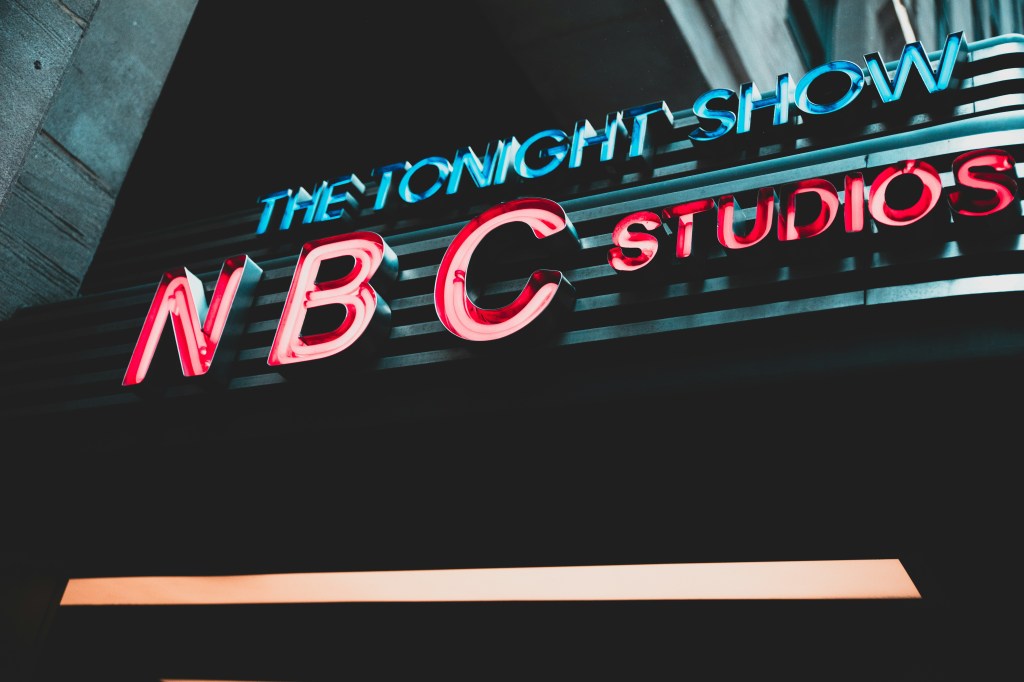
    I’m listening to Carson the Magnificent on Audible, Bill Zehme’s lush tribute to the King of Late Night. Zehme is a skilled writer, no doubt—but he suffers from an affliction familiar to many stylists: chronic purple prose. His descriptions don’t sparkle; they sprawl. Reading him is like eating an entire wedding cake when a slice would have sufficed. He’s so enamored with his own flourishes that Johnny Carson occasionally vanishes behind the velvet curtain of Zehme’s adjectives.

    Still, what he lacks in restraint, he makes up for in ardor. Zehme clearly loves his subject, and his affection pulses through the pages. Carson emerges as a sort of secular priest of television, delivering nightly benedictions of laughter for thirty years. He wasn’t edgy or groundbreaking—he was dependable, a soothing presence at 11:30 PM, like a warm bath or a glass of room-temperature white wine. He was comfort food for the collective American psyche, Prozac before Big Pharma perfected the formula. A totem from a time when a single man in a suit could stand at the crossroads of politics, culture, and showbiz and crack wise to a nation that hadn’t yet shattered into a million niche audiences.

    I was never much of a Carson acolyte myself. Dick Cavett had the brain. Letterman had the bite. Carson? He had commercials. What I remember most is that the show seemed designed to lull you into a trance of polite chuckles and bland banter. It wasn’t bad, exactly—it was just relentlessly there. Watching The Tonight Show felt less like a choice and more like a ritual, a nightly genuflection before the glow of the TV set. People tuned in not out of excitement, but out of habit. He was the head caveman, murmuring jokes by firelight, while the rest of us nodded and laughed, grateful to not be alone in the dark.

    To skip Carson was to risk social exile. You didn’t want to be the one who missed what the country’s collective subconscious had passively absorbed.

    As I listen to Carson the Magnificent, I find myself pining—not for Carson, but for the era he ruled. A time when a singular voice could still cut through the noise and hold the country’s wandering attention. That cultural unity is gone now, and maybe for the best, but I can’t help mourning it a little.

    Zehme will, I’m sure, delve into the darker recesses of Carson’s psyche—and I’m ready for it. I’ve already mainlined The Larry Sanders Show three times, with a fourth round likely on the way. That show remains the gold standard for peeling back the sequined curtain to reveal the neurotic, solipsistic soul of late-night television. If Zehme gets even halfway there, I’ll consider the audiobook time well spent—even if I have to wade through another paragraph that reads like a thesaurus suffered a head injury.

  • 12 Essential Lexicon Terms for Understanding Social Media-Spawned Pathologies

    12 Essential Lexicon Terms for Understanding Social Media-Spawned Pathologies

    #1: Doppelganger Effect

    When your online double becomes hotter, louder, meaner—and more successful than you.

    #2 Likelepsy

    A convulsive need for validation triggered by spikes in engagement and followed by a crushing dopamine crash.

    #3 Privacide

    The voluntary and cheerful execution of your privacy in exchange for predictive weather, curated playlists, and targeted ads for pants you only thought about.

    #4 TMI-rrhea

    An unstoppable stream of personal disclosures that nobody asked for and everyone wishes they could unsee.

    #5 Confessistan

    A nation where every citizen is legally required to document their feelings, bowel movements, and brunch choices for public consumption.

    #6 Cringe Fatigue

    A pang of cringe, sadness, and vicarious embarrassment experienced mid-scroll as you witness your friend’s dignity dissolve into hashtags and hot takes.

    #7 Narrativitis

    The chronic compulsion to turn real life into a curated, melodramatic storyline, complete with mood lighting and sad indie music.

    #8 FOMOblivion

    A cognitive blackout where the fear of missing out completely eclipses the joy of being present, addressing your real needs, and the real needs of others because you’re constantly seething in envy and anxiety over hyped-up trifles.

    #9 Scrolloticism

    The act of finding emotional pleasure in self-inflicted torment via outrage consumption and doomscrolling and compensatory self-aggrandizing content posing.

    #10 The Narrative Trap

    When your life becomes a story written by everyone else, and the only thing you can’t do is rewrite your part.

    #11 Feedgret

    A soul-curdling regret triggered by the realization that you’ve been publicly cosplaying as your best self while quietly decaying inside.

    #12 InstaShame Spiral

    A violent emotional plunge brought on by rereading your old captions and realizing you’ve been subtweeting your own dignity for years.

  • Performance Anxiety: The Liver King and Joan, Both Awful in Their Own Way

    Performance Anxiety: The Liver King and Joan, Both Awful in Their Own Way


    The Liver King and Joan from Black Mirror’s “Joan Is Awful” walk into the same existential trap, only one is greased in raw liver and the other in algorithmic despair. Both become victims of their own performance, trapped in personas crafted for mass consumption. One flexes in loincloths to sell ancestral supplements, the other finds her life commodified by a streaming service that turns her every ethical failure into entertainment. What they share is the slow, public realization that the self they’ve been performing isn’t just unsustainable—it’s a lie with consequences.

    The Liver King, with veins like tree roots and an ego to match, built his brand on being the living embodiment of primal masculinity. Turns out, his liver was natural, but his abs were not. When the steroid truth came out, so did the emptiness behind the brand: a man so addicted to being a character that he forgot how to be a person. Similarly, Joan discovers she is both the protagonist and product of a Netflix-style show that mirrors her life in real time. Her public image becomes so divorced from her private self that the two are no longer distinguishable. In both cases, performance replaces identity—and eventually consumes it.

    Both characters suffer a mental breakdown not because they’ve failed, but because they’ve succeeded—at becoming the thing they thought the world wanted. The Liver King was adored until he wasn’t, and Joan was forgettable until she became a meme of moral failure. The irony is brutal: success, for them, is the trapdoor. Their audiences don’t want authenticity—they want a spectacle, a scapegoat, someone to mock or idolize, preferably both at once. And when the curtain is pulled back, the applause turns to outrage.

    There’s also the matter of control—or rather, the delusion of it. The Liver King believed he could manipulate his public image through primal storytelling and ab workouts. Joan believed she had autonomy until she saw Salma Hayek’s CGI avatar doing unspeakable things in her name. Both lose control of their narratives, and the horror isn’t just public shame—it’s the recognition that their true selves have been outsourced, packaged, and sold. They become strangers to their own lives.

    In the end, the Liver King and Joan are case studies in performative collapse. They remind us that the pursuit of a curated, amplified self—whether through steroids or streaming—leads not to greatness but to existential whiplash. When you spend your life trying to be a brand, don’t be surprised when you’re treated like a product: disposable, replaceable, and, eventually, outdated. Joan may be awful, and the Liver King may be absurd, but their breakdowns are brutally, unmistakably human.


  • The Maudlin Man: On Watches, Social Media, and the Narcissism of Meaningless Eagerness

    The Maudlin Man: On Watches, Social Media, and the Narcissism of Meaningless Eagerness

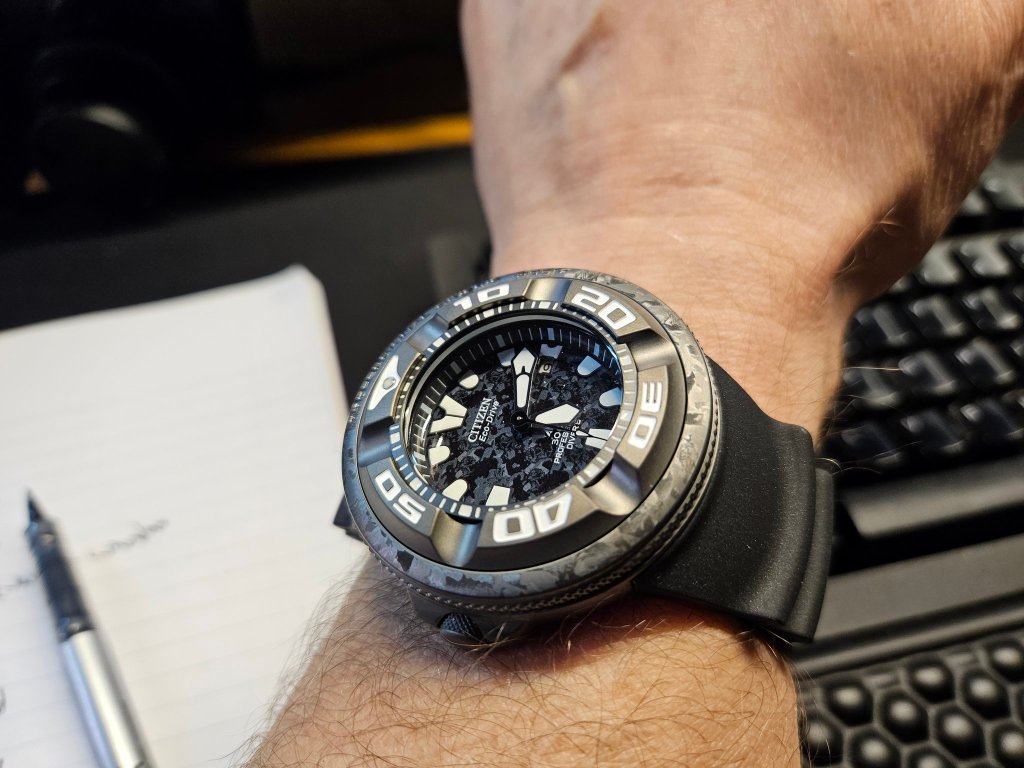
    There is no sound more pathetic than the cry of the maudlin man—the self-appointed tragic hero of his own YouTube channel, sobbing between cuts of B-roll footage of his watch collection, mistaking emotional leakage for authenticity. He clutches his diver watches like talismans, convinced that the right lume or bezel action will finally make him whole. But his affliction is deeper than poor taste or consumer excess. He is in love with his own sorrow. And worse, he films it.

    Cicero had a word for this spectacle: maudlin. It was not meant kindly. The maudlin man is drunk on his own emotional silliness, addicted to contrived drama, and tragically proud of his displays of overstated sorrow and giddy exuberance. In his pursuit of happiness, he has mistaken cheap feeling for moral virtue, dopamine for character, sentiment for wisdom. He is not mature. He is a teenager with a $5,000 Tudor.

    The watch hobby, for all its mechanical beauty and aesthetic value, has become a theater of narcissistic self-performance. The YouTube wrist-roll has replaced the confessional. The thumbnail becomes the new sacred icon: face frozen mid-epiphany, a timepiece held up like a religious relic. Each upload, each gushing review, is a digital Rolex—plucked, examined, and consumed with trembling fingers and tears in the eyes. The tragedy is not that the watch community is ridiculous (though it often is), but that it has devolved into a factory of performative adolescence.

    It wasn’t always this way. There was a time when the pursuit of happiness, as Jeffrey Rosen in The Pursuit of Happiness reminds us, meant the cultivation of moral character. Rosen draws from Franklin, Jefferson, and ultimately Cicero, who taught that happiness came not from pleasure but from the tranquil soul: one unbothered by fear, ambition, or maudlin eagerness. The watch obsessive is none of these things. His soul is rattled, consumed by longing, shaken by regret. He mistakes every new acquisition for a cure, every unboxing for a rebirth. But he is not reborn. He is merely re-dramatizing the same pathology.

    Enter the maudlin man, the inner saboteur. He mocks, he sneers, and he tells the truth: that the maudlin man has no real restraint. That his self-recrimination is as performative as his self-praise. The maudlin man is cruel. He exaggerates the regret that comes from flipping watches like penny stocks; the hollow boast of self-control while our eBay watchlist grows longer by the hour; the dopamine crashes masked by overproduced videos and fake enthusiasm. We are not collectors. We are addicts with ring lights.

    To be addicted to the watch hobby is to be afflicted with a thousand tiny regrets. We regret what we bought, what we sold, what we didn’t buy fast enough. We suffer from wrist rotation anxiety, Holy Grail delusions, false panic, and the creeping horror that we are just men who talk too much about case diameter. Our collections become mausoleums of past mistakes. We are haunted, not healed.

    The only cure—if one exists—is a form of philosophical sobriety. Cicero called it temperance. Franklin called it moral perfection. Phil Stutz calls it staying out of the lower channel. It is the refusal to feed the drama. It is the decision not to narrate your regret as if it were wisdom. It is stepping back, stepping away, and recognizing that sometimes, the most radical act of self-possession is to stop filming.

    This maudlin sickness isn’t limited to the horological hellscape. Social media itself is a dopamine machine engineered to keep us emotionally drunk. We live in a world of curated personas, algorithmic affirmation, and the self-cannibalizing loop of outrage and euphoria. As Kara Swisher notes in Burn Book, the tech elite have weaponized this environment for profit, fueling sociopathy with likes and retweets. They are not gods. They are billionaires who behave like wounded teenagers in private jets.

    It is not a coincidence that the watch obsessive and the tech mogul share the same pathology: a hunger for affirmation masquerading as taste. They are the same creature, only one wears a G-Shock and the other a Richard Mille. Both are drunk on maudlin emotion. Both mistake attention for meaning.

    What, then, is the alternative? It is to shut off the camera. To read. To walk. To live a life not curated but inhabited. To pursue virtue, not validation. To wear one watch and be content. To see, finally, that maudlin self-display is not depth, but decadence.

    So here is the diagnosis, bitter but true: The maudlin man must die. Not literally, but spiritually. He must be silenced so the adult may speak. He must be buried so the man of character can rise. He must be mocked, dissected, exposed, and ultimately exorcised.

    Only then, perhaps, will we stop crying over something as silly as the regret of sold watches we can never get back.

    And maybe—just maybe—stop filming them.

  • Confessions of a Washed-Up Watchfluencer: Dreaming of Leaving YouTube and Instagram

    Confessions of a Washed-Up Watchfluencer: Dreaming of Leaving YouTube and Instagram

    For the better part of a decade, I’ve been a talking head on YouTube—waxing unpoetic about dive watches, flipping Seikos like pancakes, and freefalling into endless spirals of horological self-loathing. My channel was never slick. No fancy cuts, no drone shots over crashing waves, no ominous music swelling over macro shots of ceramic bezels. Just me: a man, a camera, and the slow erosion of his dignity.

    I didn’t edit. I didn’t storyboard. I didn’t build a brand. I just rambled into the void, a kind of wristwatch confessional booth where I shared my joy, my shame, and my madness with an audience of fellow obsessives. For a while, it was exhilarating. Like catching your own reflection in a funhouse mirror and mistaking it for truth.

    At my pathological peak, I owned sixty-three “TV-brand” watches—any brand that looked good on camera and bad for your soul. I knew I had a problem when I started hiding watches in drawers and pretending I hadn’t bought another diver. Getting the collection down to five felt like detox. Like crawling out of a swamp in ripped jeans, clutching a G-Shock and whispering, never again.

    And now? I haven’t filmed in a month. The idea of making another video fills me with dread. My subscriber count has flatlined around 10,000. I’m not growing. I’m not evolving. I’m the guy in the garage band who still thinks the right lighting will disguise the fact that he’s 63, wearing a wig, and flexing in a tank top with a fake tan and a borrowed swagger.

    More than stagnation, it’s the cost of content creation that’s choking me. Every video drags me deeper into the watch swamp. I obsess. I fantasize. I compare. I scroll forums at 2 a.m. and start building mental spreadsheets of specs I’ll forget by morning. The longer I film, the more I think about watches, and the more I think about watches, the less I think about anything else.

    Then there’s Instagram—my other digital vice. The cigarette break I take between grading student essays and questioning my life choices. One minute I’m watching a documentary; the next I’m styling a wrist shot, spreading digital envy like cologne. Watch porn. FOMO fuel. I’m not sharing insight. I’m spreading existential rot disguised as lifestyle content.

    The breaking point came last week when two Instagram friends—good guys, honest guys—messaged me with admiration-tinged despair. They loved my collection but felt ashamed of their own modest $300 watches. That’s when I saw it: I wasn’t inspiring anyone. I was curating a highlight reel of hollow indulgence, turning craftsmanship into competition. I don’t want to be that guy. The one whose joy costs others their peace.

    So yes—I’ve been dreaming of leaving. Leaving YouTube. Leaving Instagram. Leaving the digital masquerade where likes masquerade as affection and comments stand in for connection. But here’s the kicker: I don’t want to announce my departure. I don’t want to post some faux-epic “farewell” video where I stare off into the middle distance like a monk who’s just discovered minimalism. That’s not liberation—that’s branding.

    And yet, here I am. Writing this.

    The irony is suffocating.

    What’s my future on YouTube and Instagram? I honestly don’t know. But I’ve caught the scent of something better—something that smells like freedom, like sanity, like the first breath of fresh air after crawling out of a sealed vault.

    In the meantime, there’s the blog. Nine subscribers. Twenty hits a day. Basically the sound of a tree falling in the woods while everyone’s at brunch. But unlike video, writing helps me think. It gives shape to the noise in my head. Like kettlebell workouts or noodling on a keyboard, it’s therapy with fewer side effects and no recurring subscription fee.

    So no, I don’t care about metrics. Not anymore. I just want to be true to myself, however unmarketable that truth might be.

    And if you’re still reading this—thanks. I’m guessing you get it.