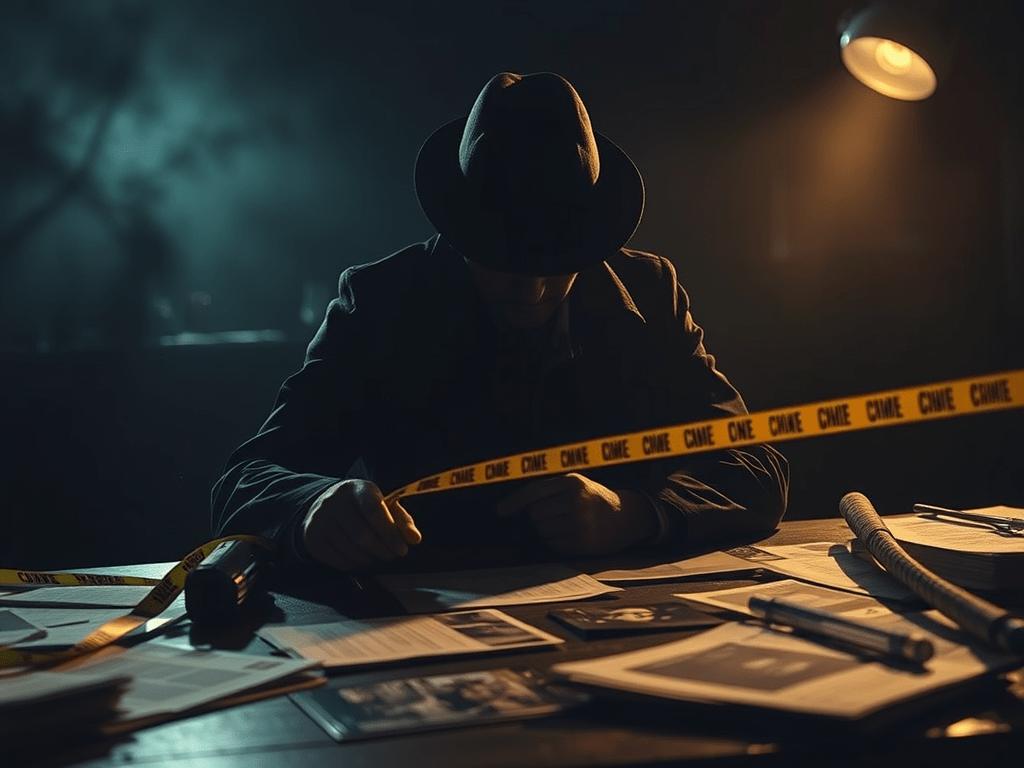
A couple of weeks ago my wife DMed me an Instagram reel: one reviewer, dozens of true-crime docuseries. I pressed play and fell down the shaft. I binged everything—some episodes like gravel in the throat, others slick as a thriller—and realized I was hooked the way novels used to hook me: late nights, one more chapter, living on cliffhangers and bad coffee.
A year ago I would’ve dismissed the whole genre as tabloid embalming fluid: pain turned into programming. That was the lazy take, the one you reach for when you haven’t looked long enough. The better work in this space isn’t cheap; it’s meticulous. At its best, it has social value.
Watch the detectives. The strong series showcase minds like scalpels—profilers knitting together motive and method, investigators reconstructing a life from fibers and timestamps. The good ones don’t myth-make; they interrogate reality. Their craft can outstrip a screenwriter because the stakes aren’t applause—they’re truth and, sometimes, prison.
Credit the pursuit, too. The suspect is slippery, the evidence thin, and still the chase continues—phone records, shoe tread, the geography of a lie. You can see how the work rewires them. They read a face like a ledger. They separate panic from performance. They carry that calibration into ordinary life, for better and worse.
But the badge isn’t a halo. Some episodes show coercive interrogations, tunnel vision, a theory clung to past its sell-by date while exculpatory facts stack up in the corner. Those missteps belong in the record. A genre that can praise tenacity should also indict certainty when it curdles.
What keeps me watching, beyond craft and cautionary tales, is the way communities assemble under pressure—search parties in neon vests, casseroles and candles, volunteers mapping creek beds while the cameras spin. These stories remind you how much ordinary goodness survives the worst day a town can have.
Then there are the perpetrators, often undone by their own theater. The vanity is operatic: cryptic boasts, trophies kept, shoplifting while on the run because entitlement feels bulletproof. Not all are violent; some are artists of fraud whose lies cascade through bank accounts, marriages, and nervous systems. The harm is quieter, not smaller.
The hardest stretch is the parents—the permanent gray in the eyes, the architecture of a life collapsed on one missing pillar. They stay decent, they organize scholarships and vigils, they become advocates—but you can see the subtraction. A part of them is gone, and the camera can’t restore it.
I do feel the moral splinter: I’m consuming narratives built from someone else’s worst night. There’s a voice that hisses, How dare you. And a voice that answers: Then look harder. Don’t watch for spectacle; watch to learn—about procedure, about predation, about how to be a better neighbor and a sharper juror. The difference between voyeur and witness is attention and intent.
So here I am, converted, with reservations. The good series map the borderlands between justice and error, courage and vanity, community and collapse. They don’t restore innocence; they invoice it. If I keep watching, it’s because the genre—at its best—insists on seeing clearly, and because clarity, though it stings, is a civic skill worth practicing.




 Cinemorphosis