Late one Saturday afternoon, you were marooned in your bedroom, held hostage by the epic saga playing out in your kitchen. Paul Bergdorf, a plumber with the emotional subtlety of a freight train, had been battling the kitchen sink since morning. His oversized toolbox had exploded across the linoleum floor like a mechanical crime scene. Every few minutes, you heard a grunt or a thud, the sounds of a man locked in mortal combat with ancient pipes.
Your mom strolled into your room with a face that mixed gratitude with a romantic optimism that always smelled like a warning.
“It’s so nice of him to do this,” she said.
“What’s that supposed to mean?” you asked.
“He’s not charging me.”
“Of course he is.”
“No, he’s a friend.”
“He’s not your friend, Mom. You just met him.”
“His name is Paul Bergdorf. One of my girlfriends introduced me to him.”
“This isn’t going to end well.”
“Keep your voice down.”
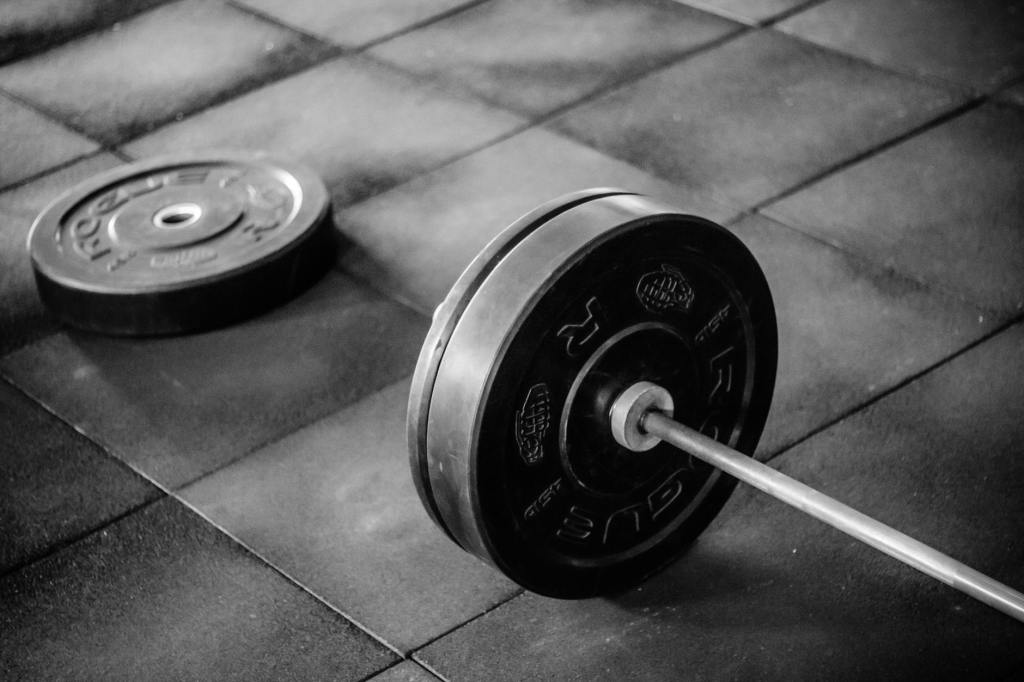
Right then, Bergdorf bellowed from the kitchen, proudly declaring that the sink had been fixed. Your mom hurried away. You stayed in your room, knocking out reverse barbell curls while watching through the sliding glass door that connected your room to the atrium. Beyond that was the kitchen, where Bergdorf stood like a sweaty gladiator, wiping his greasy mitts on a rag. He looked like a bloated baby trying to cosplay as a man: massive belly, oil-streaked jeans, beat-up boots, and that tragic attempt at a combover. His blue eyes were permanently glazed, his nose red and bulbous like a squashed tomato, and the house now reeked of his sweat mingled with low-grade cologne.
He turned the faucet on, then off, proudly displaying his handiwork. “Now before I go,” he said, puffing out his chest, “I just want to say—I may not be the best-looking guy around, but I can grill a damn good steak. I’m talking big, thick, juicy slabs of meat. How about joining me next weekend for a barbecue?”
“That’s very nice, but no thanks,” your mom said, her tone firm.
Your forearms burned from the 50 reverse curls, but you kept going, switching to wrist curls as if preparing for battle.
“I’ll get us some prime steaks,” he pressed on. “You won’t believe how tender they’ll be.”
“Thanks again, but I’m busy.”
“All I ask is one chance to serve up the most delicious barbecued steak you’ve ever had.”
“No, really. I’m not available.”
“Just pick any weekend,” he insisted, “and I’ll deliver a steak you’ll never forget.”
Your forearms were bulging. That was it. You dropped the barbell, stormed down the hall, past the dining room, and burst into the kitchen like a SWAT team with a moral objection.
“How many times does she have to say no?” you demanded.
“Hey, let’s cool it,” Bergdorf replied, raising his hands. “I was just asking your mom out. I fixed the sink. It’s the least I could do.”
“If you want to volunteer your plumbing skills, great. But fixing a drain doesn’t entitle you to date privileges.”
“I just wanted to make her a steak!”
“Okay, we get it. You’re a steak wizard. Good for you. Now pack up your tools and get the hell out.”
You towered over him, finger pointed at the front door like an Old Testament angel. Bergdorf glared, shoved his tools into the truck, slammed the door, and roared off, trailing a plume of driveway dust behind him.
Your mom just stood there, stunned.
“You scared him away,” she said.
“Next time, let’s just pay the plumber.”





 Cinemorphosis