Cravattenuation Nation: Dispatches from the Snack Trenches
In 1978, my high school biology teacher Mr. Hennessy—an underqualified martyr with a Napoleon complex and a permanent scent of chalk dust and moral compromise—falsely accused me of cutting class and vindictively tanked my grade from a B to a C. Yet, in a rare moment of non-pettiness, he lobbed a line at the class that clung to my psyche like burnt cheese on a cafeteria tray: “You need two things in life—a job and a philosophy.”
It took me decades and a thousand acts of minor self-sabotage to grasp what he meant. A true philosophy, I finally decided, wasn’t about quoting Camus in coffee shops or scrawling Latin mottos on vision boards—it was about cultivating a healthy anger at your own slow-motion collapse into chaos. If you weren’t revolted by your own slide into sloth, indulgence, and instant gratification, then congratulations: your dignity had officially left the building.
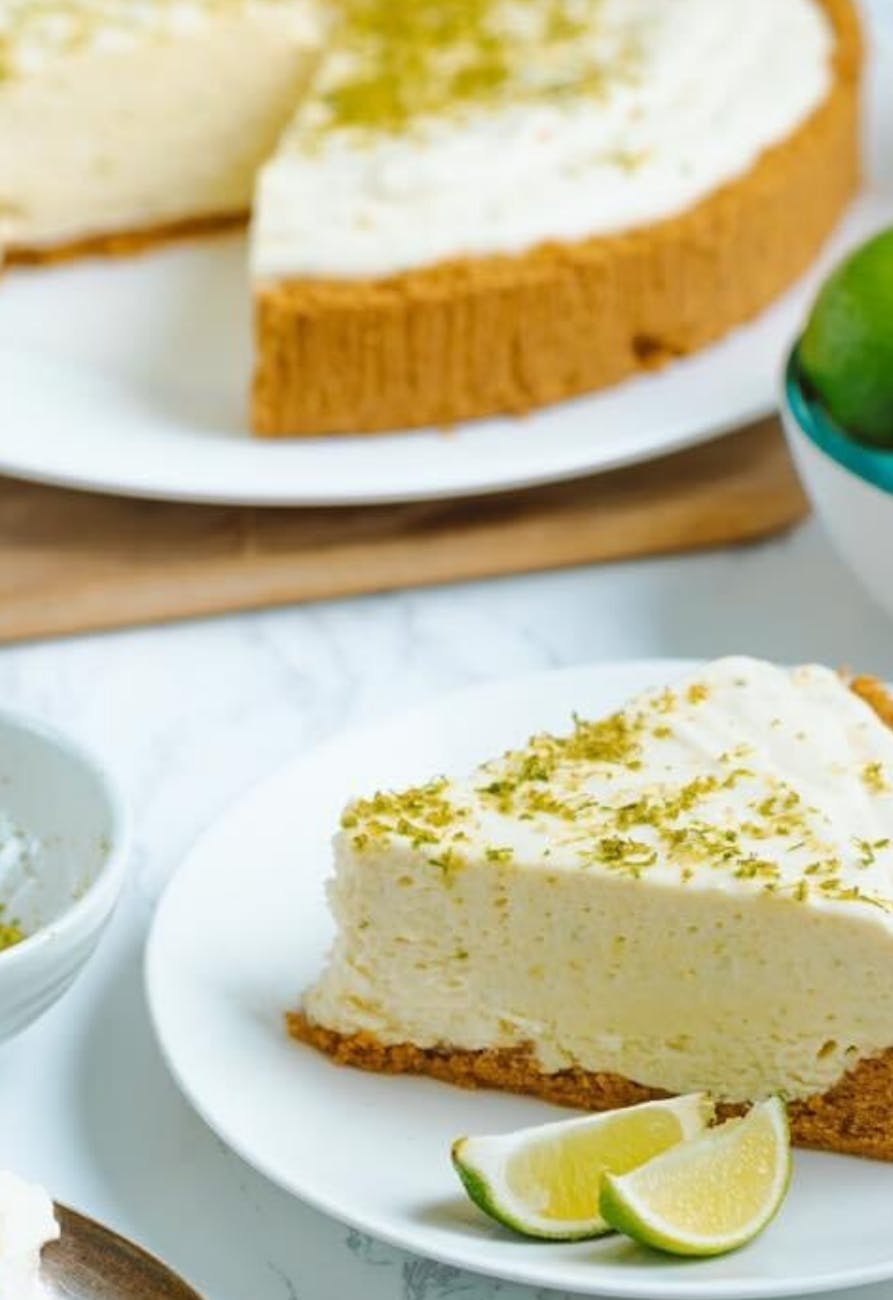
Flash-forward to a recent humid night in a Miami hotel kitchenette, where I stood barefoot on sticky linoleum, bathed in microwave light and the snoring of my family through a wall that may as well have been made of Kleenex. I was bloated on Cuban oxtail stew, fried sweet plantains, tres leches cake, and key lime pie, anxious, spiritually sagging like a wet hammock. I missed the illusory reinvention vibes of Southern California—where even failure could be filtered through an ocean breeze and a protein smoothie.
That’s when my invisible guru showed up, conjured by shame, cortisol, and the psychic residue of every unwritten to-do list. Half Stoic monk, half caffeinated boot camp instructor, he looked me dead in the eyes—the eyes of a man who’d seen too many midnight Pop-Tarts—and said, “Repeat after me: Less coffee, less food, more dignity. More focus, more humility, more gratitude, more work—less regret. Got it?”
It was the kind of slogan you’d find stenciled on a CrossFit wall next to a kettlebell and a shattered dream. But fine, I nodded. I felt that brief, delusional jolt of resolve—the one that comes right before you delete all your food delivery apps and tell your wife you’re going keto again.
Then I caved and confessed. “Look,” I told him, “I love your gospel. Really. But the moment a cookie enters the room, I turn into a lab rat in a dopamine lab. There’s this gremlin in me—wired for despair and internet snacks—who takes over the moment my blood sugar dips or a notification pings. What do I do with that guy?”
The guru didn’t blink. He barely moved a muscle, as if quoting from the sacred scroll of Instagram fitness influencers:
“As you live in accordance with the plan, you’ll grow stronger. The old ways will become revolting. The deeper you root yourself in the good, the weaker the bad becomes.”
I nodded, sure—but not with conviction. It was more of a sweat-slicked head bob, the kind one gives when pretending to agree while actually fantasizing about cinnamon rolls. Augustine came to mind, that eloquent saint of foot-dragging repentance: “Grant me chastity and continence—but not yet.”
In my case, it was more like: “Grant me food discipline, but let me demolish a Costco cheesecake first and start clean next fiscal year.”
And just like that, I saw myself clearly: not a fitness monk, not a nutritional Spartan—just your everyday Reluctant Dieter, dragging my fork through life’s buffet while whispering, “Soon, Lord. But not now.”
In spite of initial reluctance, on April 10th at the age of sixty-three, fresh off a family vacation in Miami and still spiritually sticky with airport pastrami sandwich guilt, I stepped on the scale and was greeted with a soul-curdling 247 pounds. Yes, some of it is lifelong muscle from half a century of hoisting kettlebells and playing Hercules in the garage. But make no mistake—this number was a slap in the face, a statistical insult to my dignity. Fueled by a righteous anger I can only describe as metabolic revenge, I went to war.
First, I cut my meals down to three per day and gamified the system like a psychological Jedi. My lunchtime yogurt-and-berries bowl got reassigned as a post-nap “treat,” and a humble apple—normally the most boring fruit in the bowl—was elevated to nightly “dessert,” strategically scheduled for 8 p.m. to give my inner child something to cling to as the kitchen closed. I also slashed my coffee intake from 36 to 18 ounces (don’t worry, I’m still barely human), and dropped my creatine from 6 grams to a mere 3—enough to retain my swole, but not enough to float like a sodium balloon.
Meanwhile, I came to grips with the ugly truth that I was overstuffing both my freezer and my face. The freezer had become a metaphor for my appetite: jammed with frozen berries, low-carb snacks, and delusions of future discipline. Constantly raiding it created two problems: overconsumption and literal water puddles from a clogged defrost drain. My wife and I emptied the thing out like detoxing hoarders, and miraculously, the fridge stopped weeping. I then purchased a chest freezer for the garage to create a buffer zone—a cold storage moat to protect the kitchen from my impulsive nibbling.
By April 19, I had dropped to 240 pounds—a loss of seven pounds in nine days, even with an Easter cheat day that involved chocolate cake and blueberry pie, which I regret nothing about. Losing seven pounds seemed like a move in the right direction, a sign of a man with a healthy anger fueling my desire to achieve some self-control.
But here’s the real revelation from those ten days: the hunger I thought I was feeling wasn’t hunger—it was performance anxiety from my stomach, a neurotic need to react to every twitch of emptiness like it was a national emergency. That, my friends, is where Cravattenuation comes in.
Cravattenuation is the noble and necessary art of muting your inner snack gremlin—the one who panics at the first polite growl of your stomach and demands cheese. It’s the mental and metabolic recalibration that teaches you this: real hunger is not a 3 p.m. yawn with a craving for almonds. It’s a deeper emptiness, one you can actually enjoy. Because when you let your appetite stretch out and breathe, you arrive at meals not with guilt or compulsion, but with appetite and joy. Hunger becomes less of a trigger and more of a drumroll.
Cravattenuation the deliberate process of retraining your body to interpret minor hunger signals not as existential emergencies but as low-priority system notifications: “You might want to eat in a bit” instead of “RAID THE PANTRY OR DIE.” Just as meditation teaches you to sit with discomfort rather than react impulsively, Cravattenuation teaches you that a little hunger isn’t a crisis—it’s foreplay for a better meal.
We’ve been conditioned by snack culture and anxiety-driven consumption to treat hunger as something to be feared and fixed immediately, like a smoke alarm or a toddler tantrum. But when you practice Cravattenuation, something remarkable happens: your threshold for hunger strengthens, and the urgency softens. You learn to sit with a mild stomach pang without spiraling into carb-lust. Over time, you develop what can only be described as Hunger Discernment: the ability to separate emotional nibble-itching from true physiological need.
By making your body earn the meal—not through punishment, but patience—you begin to eat with a clarity and joy that’s been missing since the dawn of office vending machines. Food tastes better when you’re actually hungry for it. Not “kinda bored” hungry, not “scrolling through cheese reels” hungry, but real hungry. Cravattenuation helps you not only manage your weight with more ease and grace, it re-enchants the eating experience itself. You’ll start treating meals like mini homecomings rather than pit stops at a dopamine gas station.
As I snacked less, I enjoyed my meals more. They had more savor than before, and here I had arrived at the desirable condition of Savorosity–what happens when you’ve tamed the snack-demon with Cravattenuation—the fine art of not panicking at the first rumble of your stomach. It’s hunger with manners. You arrive at meals like a guest at a candlelit dinner, not a contestant in a pie-eating contest. You chew like someone who reads books—slowly, curiously, with presence. You’re not chasing a craving. You’re honoring an earned appetite. And you know you’ve crossed into Savorosity when you feel less like a gremlin in a pantry and more like a monk with a spoon.
But if Savorosity is dinner at a five-star bistro, we must acknowledge its opposite–Munchdrift, which is loitering in the food court of your own life. It’s the slow-motion landslide of indiscriminate nibbling—a cashew here, a dry crust of cheese there, a spoonful of peanut butter just to “hold you over.” It’s hunger as white noise, muffled beneath boredom, impulse, and the kind of existential drift that ends with you staring at an empty bag of pretzels like you just blacked out at a carb rave. In the Munchdrift state, flavor is irrelevant. Appetite never sharpens. Meals become a blur, and you, a passenger on the Grazing Express with no clear destination and no seatbelt.
This war between Savorosity and Munchdrift isn’t just about food—it’s a philosophical struggle. I arm myself with these lexicon terms the way a weary soldier straps on armor, battling the inner sloth that says, “You’re going to die anyway, so why not faceplant into a tray of brownies?” But that’s a lie dressed in pastry. Because death may be inevitable, but turning into a winded, sweat-drenched metaphor for chaos along the way is not. Dignity matters. So does self-possession. And so does a philosophy of restraint—not one rooted in punishment, but in purpose.
My old high school biology teacher, Mr. Hennessy—grumpy, flawed, and accidentally wise—once said everyone needs two things: a job and a philosophy. This is mine. Not some monkish denial cult, but a gritty, practical roadmap to push back against entropy. It’s the reluctant dieter’s creed. A form of mature rebellion. And maybe, just maybe, a recipe for actual happiness.






 Cinemorphosis