Tag: weight-loss

  • Victory Lapnesia

    Victory Lapnesia

    For most of my adult life, I’ve been stalked by a sneaky, waistline-widening predator I now call Munchdrift—the stealth snacking habit that brings in a slow-motion avalanche of calories like a drip IV of lard straight to the gut. I didn’t even realize it was happening. One minute, I’m nibbling on a handful of almonds “for heart health,” the next I’m housing a Costco tub of peanut butter with a ladle. Result? I’ve been fat four times. 1996: 235 lbs. 2003: 253 lbs. 2017: 245 lbs. And now, 2025: 247 lbs. Like clockwork. Like a cursed zodiac of self-sabotage.

    I don’t have the luxury of “body acceptance” or any other hashtagged delusion. When I weigh over 230, my body throws a biochemical tantrum: cholesterol, triglycerides, and blood pressure all go full DEFCON 2. This isn’t about self-love. It’s about not dying in the next decade.

    The pattern’s always been the same. I muscle my way down to 200 on 2,400 calories a day, white-knuckling my appetite like I’m defusing a bomb. And then—poof. The discipline vanishes. I get smug. The weight loss high wears off and I forget every methodical trick that got me there. Slowly, entropy creeps in, disguised as “flexibility,” “moderation,” and “deserved treats.” The order collapses. Munchdrift returns. Pride dies. And I wake up bloated and furious, wearing sweatpants that used to hang loose and now plead for mercy.

    Now I’m 63, and I’m done playing Groundhog Day with my waistline. I needed a name for this psychological sabotage—the specific kind of pride-drunk amnesia that ruins everything. And here it is:

    Victory Lapnesia.

    It’s that delusional post-weight-loss fugue state where, drunk on success, I forget every sweaty, hungry, unsexy tactic that got me to 200. Suddenly, the rules become negotiable. “Moderation” sneaks in. Maintenance becomes an endless cheat day. And my once-disciplined mind turns into a TED Talk on rationalization. The result? Munchdrift relapse. Button-flying denial. A renewed subscription to regret, with auto-renew turned on.

    But not this time. I’ve drawn the line. Here are 7 unforgiving strategies to keep Victory Lapnesia from moving back into my love handles like a squatter with squatters’ rights:

    1. Celebrate with Systems, Not Sweets
    No more “I deserve this” cake. That’s how the descent begins—frosted and full of lies. My real reward is knowing what works. So instead of high-fiving myself with a slice of cheesecake, I schedule my next month of meals, workouts, and weigh-ins like a man preparing for war—not a man planning brunch.

    2. Install Post-Goal Protocols
    The scale hitting 200 isn’t the end. It’s the beginning of a long maintenance trench war. I now have a one-page “Maintenance Manifesto” taped to my fridge, my bathroom mirror, and the dashboard of my car. It’s non-negotiable, like brushing teeth or paying taxes.

    3. Rebrand Maintenance as a Project
    Maintenance isn’t a passive state—it’s my next mission. I’ve dubbed it Project Anti-Rebound. Think Marvel meets middle-age. This isn’t about keeping weight off—it’s about defending the citadel of sanity against the invading hordes of snack-based betrayal.

    4. Weigh Myself Like It’s Church
    Sunday mornings. Same time. Same scale. No excuses. I treat the weigh-in like mass: a ritual of reckoning. The scale doesn’t care about my feelings, my schedule, or how “good” I was. It tells the truth like an indifferent god.

    5. Make Munchdrift Illegal
    Snacking is banned. Full stop. No more “just a bite” diplomacy. No handfuls. No desk-side almonds. No post-dinner kitchen loitering. Every bite is logged. Every calorie accounted for. If it’s not a meal, it doesn’t go in my mouth. Period.

    6. Hang My Fat Pants Like a War Trophy
    I’ve kept my largest jeans. They hang like a scarecrow in my closet. A denim warning sign. Every time I feel tempted to “ease up,” I look at them and hear them whisper, We remember who you were. I do too.

    7. Outsource the Shame (Productively)
    I text my weight to a friend every Friday. I blog about my progress for strangers who don’t care but might someday. Shame kept secret is corrosive. Shame shared is accountability. I’ve turned my relapse history into content—and I dare my ego to screw it up again.

    This isn’t a journey anymore. Journeys end. This is a regimen. A regime. A ruthless campaign against the soft tyranny of my own bad habits. Because I’ve learned the hard way: if you don’t fight for maintenance like you fought for weight loss, you’ll lose everything—and you’ll gain it all back.

  • The Reluctant Dieter’s Survival Guide

    The Reluctant Dieter’s Survival Guide

    Cravattenuation Nation: Dispatches from the Snack Trenches

    In 1978, my high school biology teacher Mr. Hennessy—an underqualified martyr with a Napoleon complex and a permanent scent of chalk dust and moral compromise—falsely accused me of cutting class and vindictively tanked my grade from a B to a C. Yet, in a rare moment of non-pettiness, he lobbed a line at the class that clung to my psyche like burnt cheese on a cafeteria tray: “You need two things in life—a job and a philosophy.”

    It took me decades and a thousand acts of minor self-sabotage to grasp what he meant. A true philosophy, I finally decided, wasn’t about quoting Camus in coffee shops or scrawling Latin mottos on vision boards—it was about cultivating a healthy anger at your own slow-motion collapse into chaos. If you weren’t revolted by your own slide into sloth, indulgence, and instant gratification, then congratulations: your dignity had officially left the building.

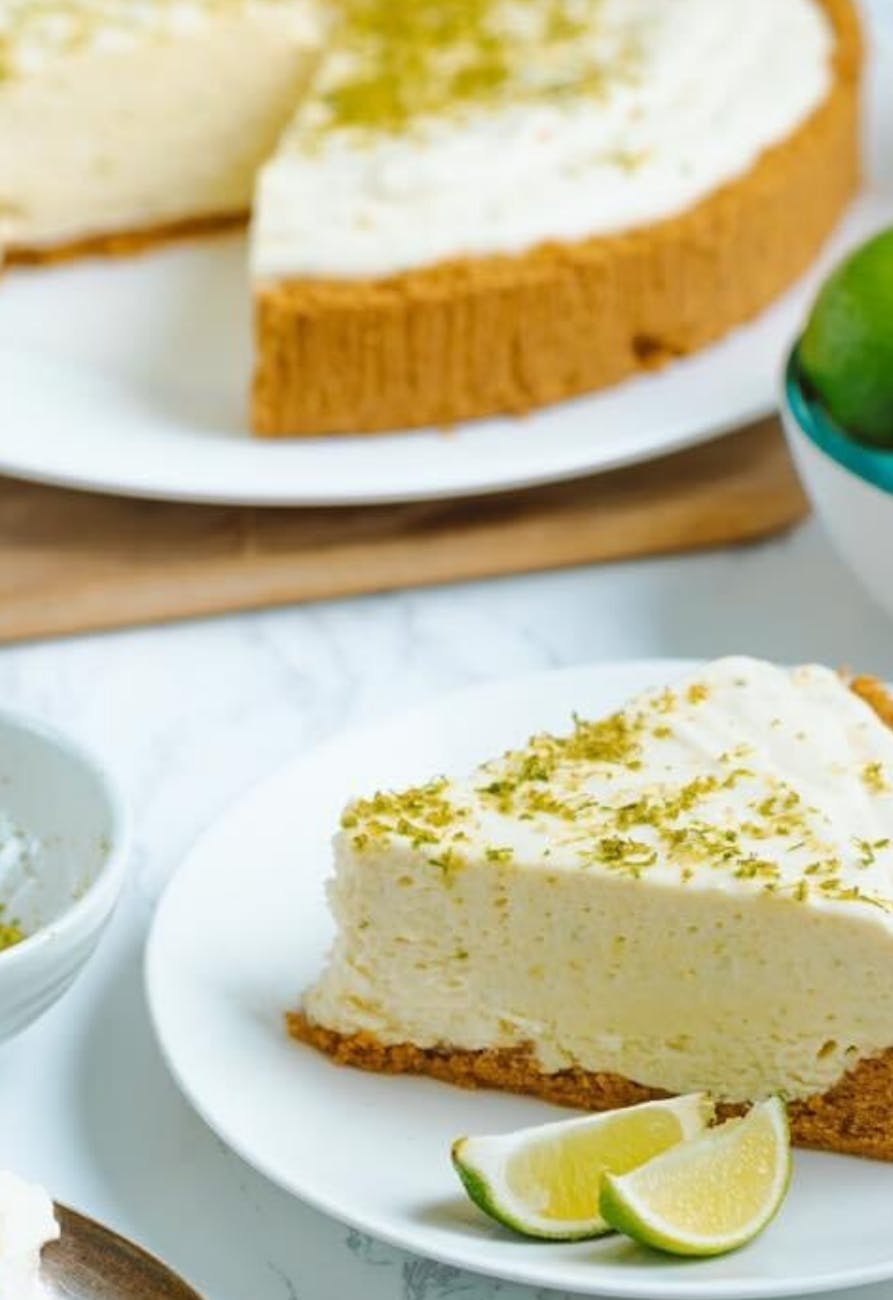
    Flash-forward to a recent humid night in a Miami hotel kitchenette, where I stood barefoot on sticky linoleum, bathed in microwave light and the snoring of my family through a wall that may as well have been made of Kleenex. I was bloated on Cuban oxtail stew, fried sweet plantains, tres leches cake, and key lime pie, anxious, spiritually sagging like a wet hammock. I missed the illusory reinvention vibes of Southern California—where even failure could be filtered through an ocean breeze and a protein smoothie.

    That’s when my invisible guru showed up, conjured by shame, cortisol, and the psychic residue of every unwritten to-do list. Half Stoic monk, half caffeinated boot camp instructor, he looked me dead in the eyes—the eyes of a man who’d seen too many midnight Pop-Tarts—and said, “Repeat after me: Less coffee, less food, more dignity. More focus, more humility, more gratitude, more work—less regret. Got it?”

    It was the kind of slogan you’d find stenciled on a CrossFit wall next to a kettlebell and a shattered dream. But fine, I nodded. I felt that brief, delusional jolt of resolve—the one that comes right before you delete all your food delivery apps and tell your wife you’re going keto again.

    Then I caved and confessed. “Look,” I told him, “I love your gospel. Really. But the moment a cookie enters the room, I turn into a lab rat in a dopamine lab. There’s this gremlin in me—wired for despair and internet snacks—who takes over the moment my blood sugar dips or a notification pings. What do I do with that guy?”

    The guru didn’t blink. He barely moved a muscle, as if quoting from the sacred scroll of Instagram fitness influencers:

     “As you live in accordance with the plan, you’ll grow stronger. The old ways will become revolting. The deeper you root yourself in the good, the weaker the bad becomes.”

    I nodded, sure—but not with conviction. It was more of a sweat-slicked head bob, the kind one gives when pretending to agree while actually fantasizing about cinnamon rolls. Augustine came to mind, that eloquent saint of foot-dragging repentance: “Grant me chastity and continence—but not yet.”

    In my case, it was more like: “Grant me food discipline, but let me demolish a Costco cheesecake first and start clean next fiscal year.”
    And just like that, I saw myself clearly: not a fitness monk, not a nutritional Spartan—just your everyday Reluctant Dieter, dragging my fork through life’s buffet while whispering, “Soon, Lord. But not now.”

    In spite of initial reluctance, on April 10th at the age of sixty-three, fresh off a family vacation in Miami and still spiritually sticky with airport pastrami sandwich guilt, I stepped on the scale and was greeted with a soul-curdling 247 pounds. Yes, some of it is lifelong muscle from half a century of hoisting kettlebells and playing Hercules in the garage. But make no mistake—this number was a slap in the face, a statistical insult to my dignity. Fueled by a righteous anger I can only describe as metabolic revenge, I went to war.

    First, I cut my meals down to three per day and gamified the system like a psychological Jedi. My lunchtime yogurt-and-berries bowl got reassigned as a post-nap “treat,” and a humble apple—normally the most boring fruit in the bowl—was elevated to nightly “dessert,” strategically scheduled for 8 p.m. to give my inner child something to cling to as the kitchen closed. I also slashed my coffee intake from 36 to 18 ounces (don’t worry, I’m still barely human), and dropped my creatine from 6 grams to a mere 3—enough to retain my swole, but not enough to float like a sodium balloon.

    Meanwhile, I came to grips with the ugly truth that I was overstuffing both my freezer and my face. The freezer had become a metaphor for my appetite: jammed with frozen berries, low-carb snacks, and delusions of future discipline. Constantly raiding it created two problems: overconsumption and literal water puddles from a clogged defrost drain. My wife and I emptied the thing out like detoxing hoarders, and miraculously, the fridge stopped weeping. I then purchased a chest freezer for the garage to create a buffer zone—a cold storage moat to protect the kitchen from my impulsive nibbling.

    By April 19, I had dropped to 240 pounds—a loss of seven pounds in nine days, even with an Easter cheat day that involved chocolate cake and blueberry pie, which I regret nothing about. Losing seven pounds seemed like a move in the right direction, a sign of a man with a healthy anger fueling my desire to achieve some self-control. 

      But here’s the real revelation from those ten days: the hunger I thought I was feeling wasn’t hunger—it was performance anxiety from my stomach, a neurotic need to react to every twitch of emptiness like it was a national emergency. That, my friends, is where Cravattenuation comes in.

    Cravattenuation is the noble and necessary art of muting your inner snack gremlin—the one who panics at the first polite growl of your stomach and demands cheese. It’s the mental and metabolic recalibration that teaches you this: real hunger is not a 3 p.m. yawn with a craving for almonds. It’s a deeper emptiness, one you can actually enjoy. Because when you let your appetite stretch out and breathe, you arrive at meals not with guilt or compulsion, but with appetite and joy. Hunger becomes less of a trigger and more of a drumroll.

    Cravattenuation the deliberate process of retraining your body to interpret minor hunger signals not as existential emergencies but as low-priority system notifications: “You might want to eat in a bit” instead of “RAID THE PANTRY OR DIE.” Just as meditation teaches you to sit with discomfort rather than react impulsively, Cravattenuation teaches you that a little hunger isn’t a crisis—it’s foreplay for a better meal.

    We’ve been conditioned by snack culture and anxiety-driven consumption to treat hunger as something to be feared and fixed immediately, like a smoke alarm or a toddler tantrum. But when you practice Cravattenuation, something remarkable happens: your threshold for hunger strengthens, and the urgency softens. You learn to sit with a mild stomach pang without spiraling into carb-lust. Over time, you develop what can only be described as Hunger Discernment: the ability to separate emotional nibble-itching from true physiological need.

    By making your body earn the meal—not through punishment, but patience—you begin to eat with a clarity and joy that’s been missing since the dawn of office vending machines. Food tastes better when you’re actually hungry for it. Not “kinda bored” hungry, not “scrolling through cheese reels” hungry, but real hungry. Cravattenuation helps you not only manage your weight with more ease and grace, it re-enchants the eating experience itself. You’ll start treating meals like mini homecomings rather than pit stops at a dopamine gas station.

    As I snacked less, I enjoyed my meals more. They had more savor than before, and here I had arrived at the desirable condition of Savorosity–what happens when you’ve tamed the snack-demon with Cravattenuation—the fine art of not panicking at the first rumble of your stomach. It’s hunger with manners. You arrive at meals like a guest at a candlelit dinner, not a contestant in a pie-eating contest. You chew like someone who reads books—slowly, curiously, with presence. You’re not chasing a craving. You’re honoring an earned appetite. And you know you’ve crossed into Savorosity when you feel less like a gremlin in a pantry and more like a monk with a spoon.

    But if Savorosity is dinner at a five-star bistro, we must acknowledge its opposite–Munchdrift, which is loitering in the food court of your own life. It’s the slow-motion landslide of indiscriminate nibbling—a cashew here, a dry crust of cheese there, a spoonful of peanut butter just to “hold you over.” It’s hunger as white noise, muffled beneath boredom, impulse, and the kind of existential drift that ends with you staring at an empty bag of pretzels like you just blacked out at a carb rave. In the Munchdrift state, flavor is irrelevant. Appetite never sharpens. Meals become a blur, and you, a passenger on the Grazing Express with no clear destination and no seatbelt.

    This war between Savorosity and Munchdrift isn’t just about food—it’s a philosophical struggle. I arm myself with these lexicon terms the way a weary soldier straps on armor, battling the inner sloth that says, “You’re going to die anyway, so why not faceplant into a tray of brownies?” But that’s a lie dressed in pastry. Because death may be inevitable, but turning into a winded, sweat-drenched metaphor for chaos along the way is not. Dignity matters. So does self-possession. And so does a philosophy of restraint—not one rooted in punishment, but in purpose.

    My old high school biology teacher, Mr. Hennessy—grumpy, flawed, and accidentally wise—once said everyone needs two things: a job and a philosophy. This is mine. Not some monkish denial cult, but a gritty, practical roadmap to push back against entropy. It’s the reluctant dieter’s creed. A form of mature rebellion. And maybe, just maybe, a recipe for actual happiness.

  • My Personal Sane Eating Lexicon: Cravattenuation, Savorosity, and Munchdrift

    My Personal Sane Eating Lexicon: Cravattenuation, Savorosity, and Munchdrift

    On April 10th, fresh off a family vacation in Miami and still spiritually sticky with airport pastrami sandwich guilt, I stepped on the scale and was greeted with a soul-curdling 247 pounds. Yes, some of it is lifelong muscle from half a century of hoisting kettlebells and playing Hercules in the garage. But make no mistake—this number was a slap in the face, a statistical insult to my dignity. Fueled by a righteous anger I can only describe as metabolic revenge, I went to war.

    First, I cut my meals down to three per day and gamified the system like a psychological Jedi. My lunchtime yogurt-and-berries bowl got reassigned as a post-nap “treat,” and a humble apple—normally the most boring fruit in the bowl—was elevated to nightly “dessert,” strategically scheduled for 8 p.m. to give my inner child something to cling to as the kitchen closed. I also slashed my coffee intake from 36 to 18 ounces (don’t worry, I’m still barely human), and dropped my creatine from 6 grams to a mere 3—enough to retain my swole, but not enough to float like a sodium balloon.

    Meanwhile, I came to grips with the ugly truth that I was overstuffing both my freezer and my face. The freezer had become a metaphor for my appetite: jammed with frozen berries, low-carb snacks, and delusions of future discipline. Constantly raiding it created two problems: overconsumption and literal water puddles from a clogged defrost drain. My wife and I emptied the thing out like detoxing hoarders, and miraculously, the fridge stopped weeping. I then purchased a chest freezer for the garage to create a buffer zone—a cold storage moat to protect the kitchen from my impulsive nibbling.

    By April 19, I had dropped to 240 pounds—a loss of seven pounds in nine days, even with an Easter cheat day that involved chocolate cake and blueberry pie, which I regret nothing about. Today I weigh again after my workout, prepared to assess the pastry fallout. But here’s the real revelation from those ten days: the hunger I thought I was feeling wasn’t hunger—it was performance anxiety from my stomach, a neurotic need to react to every twitch of emptiness like it was a national emergency. That, my friends, is where Cravattenuation comes in.

    Cravattenuation is the noble and necessary art of muting your inner snack gremlin—the one who panics at the first polite growl of your stomach and demands cheese. It’s the mental and metabolic recalibration that teaches you this: real hunger is not a 3 p.m. yawn with a craving for almonds. It’s a deeper emptiness, one you can actually enjoy. Because when you let your appetite stretch out and breathe, you arrive at meals not with guilt or compulsion, but with appetite and joy. Hunger becomes less of a trigger and more of a drumroll.

    Cravattenuation the deliberate process of retraining your body to interpret minor hunger signals not as existential emergencies but as low-priority system notifications: “You might want to eat in a bit” instead of “RAID THE PANTRY OR DIE.” Just as meditation teaches you to sit with discomfort rather than react impulsively, Cravattenuation teaches you that a little hunger isn’t a crisis—it’s foreplay for a better meal.

    We’ve been conditioned by snack culture and anxiety-driven consumption to treat hunger as something to be feared and fixed immediately, like a smoke alarm or a toddler tantrum. But when you practice Cravattenuation, something remarkable happens: your threshold for hunger strengthens, and the urgency softens. You learn to sit with a mild stomach pang without spiraling into carb-lust. Over time, you develop what can only be described as Hunger Discernment: the ability to separate emotional nibble-itching from true physiological need.


    The Unexpected Perk:

    By making your body earn the meal—not through punishment, but patience—you begin to eat with a clarity and joy that’s been missing since the dawn of office vending machines. Food tastes better when you’re actually hungry for it. Not “kinda bored” hungry, not “scrolling through cheese reels” hungry, but real hungry. Cravattenuation helps you not only manage your weight with more ease and grace, it re-enchants the eating experience itself. You’ll start treating meals like mini homecomings rather than pit stops at a dopamine gas station.


    Name for the Healthy State: Savorosity

    (savor + satiety + curiosity)

    Savorosity is the elegant state you enter after mastering Cravattenuation—a zone where hunger feels less like a hostage crisis and more like an invitation. It’s when you greet mealtime with curiosity and pleasure, not guilt or compulsion. It’s when you chew slower, taste deeper, and know you’ve arrived not because you gave in to a craving, but because you earned your appetite.

    Cravattenuation gets you there. Savorosity keeps you there. And together, they free you from the tyranny of the pantry’s siren call.

    Of course, the desired state of Savorosity has an opposite condition: Munchdrift, which is the mindless, momentum-driven eating that results from random grazing, emotional nibbling, and culinary boredom. It’s what happens when hunger is no longer a signal but a background noise, muffled by routine snacking and phantom cravings. In the Munchdrift state, meals are neither anticipated nor savored—they’re accidental. A handful of nuts here, a swipe of hummus there, three spoonfuls of cottage cheese at midnight, and suddenly, you’ve eaten 1,200 calories without ever feeling either full or satisfied. The food doesn’t taste bad; it just doesn’t taste like anything—because your palate is bored and your appetite never had a chance to sharpen.

    While Savorosity is marked by intentionality, restraint, and presence, Munchdrift is all drift and no anchor. It’s eating as ambient noise. It’s the cognitive equivalent of scrolling Instagram while watching TV while wondering why you’re still chewing. 

  • How to Stop Your Appetite from Heckling You and Achieve Savorosity

    How to Stop Your Appetite from Heckling You and Achieve Savorosity

    Coined Term: Cravattenuation

    (craving + attenuation)


    Extended Definition:

    Cravattenuation is the psychological and physiological art of turning down the volume on your inner snack gremlin—the one who starts kicking the back of your consciousness the moment your stomach makes a polite gurgle. It’s the deliberate process of retraining your body to interpret minor hunger signals not as existential emergencies but as low-priority system notifications: “You might want to eat in a bit” instead of “RAID THE PANTRY OR DIE.” Just as meditation teaches you to sit with discomfort rather than react impulsively, Cravattenuation teaches you that a little hunger isn’t a crisis—it’s foreplay for a better meal.

    We’ve been conditioned by snack culture and anxiety-driven consumption to treat hunger as something to be feared and fixed immediately, like a smoke alarm or a toddler tantrum. But when you practice Cravattenuation, something remarkable happens: your threshold for hunger strengthens, and the urgency softens. You learn to sit with a mild stomach pang without spiraling into carb-lust. Over time, you develop what can only be described as Hunger Discernment: the ability to separate emotional nibble-itching from true physiological need.


    The Unexpected Perk:

    By making your body earn the meal—not through punishment, but patience—you begin to eat with a clarity and joy that’s been missing since the dawn of office vending machines. Food tastes better when you’re actually hungry for it. Not “kinda bored” hungry, not “scrolling through cheese reels” hungry, but real hungry. Cravattenuation helps you not only manage your weight with more ease and grace, it re-enchants the eating experience itself. You’ll start treating meals like mini homecomings rather than pit stops at a dopamine gas station.


    Name for the Healthy State: Savorosity

    (savor + satiety + curiosity)

    Savorosity is the elegant state you enter after mastering Cravattenuation—a zone where hunger feels less like a hostage crisis and more like an invitation. It’s when you greet mealtime with curiosity and pleasure, not guilt or compulsion. It’s when you chew slower, taste deeper, and know you’ve arrived not because you gave in to a craving, but because you earned your appetite.

    Cravattenuation gets you there. Savorosity keeps you there. And together, they free you from the tyranny of the pantry’s siren call.

  • The Santa Claus of Donuts Must Die

    The Santa Claus of Donuts Must Die

    Let’s start with the obvious: your family bonds over food because food is reliable. It doesn’t argue with you about politics, it doesn’t criticize your life choices, and it doesn’t ask to borrow your car. It just shows up, warm and sugary, like a friend who never judges. And when you show up holding that pink box of donuts? You’re not just a guy walking through the front door—you’re the Santa Claus of Donuts, bearing gifts that turn your living room into a dopamine theme park. Everyone lights up. You are loved. You are admired. You are a hero.

    Until the sugar crash hits and you’re lying on the couch wondering how a simple box of pastries turned into a hostile takeover of your waistline. Again.

    You, my friend, have what polite society calls an “addictive personality,” but let’s not sugarcoat it (pun intended). You go overboard like it’s your patriotic duty. One treat turns into three. One bite into a blackout. You need boundaries, not Pinterest recipes.

    So here’s your prescription. It’s boring, brutal, and blessedly effective:

    Breakfast: Plain Greek yogurt, a scoop of protein powder, flaxseeds, chia seeds, and a handful of berries. Also, coffee. Strong enough to slap you awake and maybe shake loose some of your delusions.

    Lunch: A salad—yes, a salad—with actual protein in it. Maybe chicken. Maybe tuna. Add a scoop of cottage cheese if you hate joy a little less that day. Have some fruit so you don’t hallucinate cookies.
    Dinner: Protein again. Vegetables. Herbal tea, like the sad monk you are becoming. Cap it off with an apple and the faint memory of dessert.
    Snack Defense Protocol: If you start prowling like a raccoon between lunch and dinner, shove a carrot in your mouth, sip some green tea, and crack open a diet root beer. It’s not a thrill, it’s a strategy.

    And let us not forget why you had to slam the snack door shut like it owed you money: snacks are traitors. They pretend to be innocent little diversions—just a handful here, a nibble there—but they’re silent assassins. Those calories accumulate like guilt after a Vegas weekend, slowly padding your frame while you’re busy telling yourself you’re “cutting back.”

    Now, let’s address the hard truth, as spoken by the philosopher-king of overweight comedians, Tom Segura: “You don’t lose weight until you hate your fatness more than you love food.” Yes, it’s harsh. But he’s not wrong.

    Still, let’s reframe it with a little less bile and a touch more clarity:
    You won’t change until you prefer discipline to chaos. Until your craving for stability outweighs your need for a dopamine hit. Until your love of self-respect outweighs your love of Cheez-Its.

    You don’t need another meal plan—you need a code. A way of eating that doesn’t just fill your stomach, but recalibrates your priorities. Food is not your therapist. Food is not your friend. Food is fuel. And you? You’re not Santa Claus anymore. You’re something better: a man in control of his appetite, his identity, and his damn life.

    Now go make that yogurt bowl like it’s a holy ritual and not a punishment. The rest will follow.

  • 3 College Writing Prompts: Willpower Is Not a Weight-Loss Strategy: Rewriting the Narrative of Obesity in an Age of Ozempic

    3 College Writing Prompts: Willpower Is Not a Weight-Loss Strategy: Rewriting the Narrative of Obesity in an Age of Ozempic

    Essay Prompt:

    In contemporary culture, weight loss is often framed as a matter of individual discipline: eat less, move more, stay motivated. This narrative, reinforced by diet culture, media messaging, and public health campaigns, reduces a complex biopsychosocial phenomenon into a moral test of willpower. But what if this view is not only incomplete, but damaging?

    This essay invites you to critically analyze the myth of weight loss as a simple formula of personal responsibility, using the following readings:

    • Rebecca Johns, “A Diet Writer’s Regrets”
    • Johann Hari, “A Year on Ozempic Taught Me We’re Thinking About Obesity All Wrong”
    • Harriet Brown, “The Weight of the Evidence”
    • Sandra Aamodt, “Why You Can’t Lose Weight on a Diet”

    Drawing on these texts, write a 1,700-word argumentative essay that explores the deeper systemic, biological, and psychological forces that influence body weight. In your analysis, define what is meant by diet culture, obesity stigma, metabolic adaptation, and the illusion of control. Consider how economic privilege, the Industrial Food Complex, and the Diabetes-Management Complex affect who gets access to treatment and who gets blamed for their bodies.

    Reflect on the question: Is obesity the result of failed individual discipline—or a condition shaped by biology, capitalism, and inequality? And what are the ethical and political consequences of continuing to frame weight as a personal failing?


    Key Themes and Concepts to Define in Essay:

    • Diet culture: The belief system that prioritizes thinness as a moral virtue and equates weight loss with health and worth.
    • Obesity stigma: The systemic dehumanization, bias, and blame placed on people in larger bodies.
    • Metabolic adaptation: The body’s physiological resistance to weight loss, often leading to weight regain.
    • Ozempic and GLP-1 drugs: Medications that challenge traditional weight-loss advice by offering pharmacological interventions, often accessible only to the wealthy.
    • Industrial Food Complex: The economic system that prioritizes hyper-palatable, processed foods for profit.
    • Diabetes-Management Complex: The medical-industrial apparatus that profits from managing obesity-related conditions without addressing root causes.

    10-Paragraph Essay Outline


    Paragraph 1 – Introduction

    • Begin with a personal or cultural anecdote about dieting, body shame, or the weight-loss industry.
    • State the prevailing myth: that weight loss is just about willpower, calories, and exercise.
    • Introduce the core idea: this myth obscures structural, biological, and psychological realities.
    • End with a strong thesis: The cultural obsession with personal discipline in weight loss not only ignores science but perpetuates economic injustice, medical misinformation, and moral shame.

    Paragraph 2 – The Myth of Personal Responsibility

    • Explore how diet culture frames obesity as a personal failure.
    • Use Johns and Brown to show how this narrative is reinforced by health media and public policy.
    • Define diet culture and obesity stigma as forms of social control.

    Paragraph 3 – The Science of Weight and Metabolism

    • Explain Aamodt’s key argument: the body defends a weight range through metabolic adaptation.
    • Introduce the concept of the set point and how dieting can backfire physiologically.
    • Emphasize the biological limits of “discipline” in long-term weight maintenance.

    Paragraph 4 – Ozempic and the Medical Disruption of Diet Culture

    • Analyze Hari’s experience with Ozempic as a reframing of what obesity is and isn’t.
    • Explain how drugs like Ozempic challenge the calorie-math logic of diet culture.
    • Raise the question: if a drug changes appetite, was willpower ever the issue?

    Paragraph 5 – Economic Access and the Ozempic Divide

    • Examine the cost of GLP-1 drugs and the class-based disparity in access.
    • Discuss how the rich can “solve” obesity pharmacologically while others are blamed.
    • Introduce the concept of the Diabetes-Management Complex and its profit motives.

    Paragraph 6 – The Industrial Food Complex and Engineered Cravings

    • Analyze the food industry’s role in promoting addictive, ultra-processed foods.
    • Use Brown and outside data (optional) to show how working-class communities are targeted by fast food and soda industries.
    • Connect this to systemic inequality: people are set up to fail and then blamed for it.

    Paragraph 7 – Psychological Toll and the Shame Cycle

    • Highlight the emotional and mental health damage caused by diet failure and stigma.
    • Reference Johns and Aamodt: shame is not a motivator—it’s a trap.
    • Argue that repeated dieting often leads to worse health outcomes, not better ones.

    Paragraph 8 – Counterargument: Isn’t Some Responsibility Necessary?

    • Acknowledge the argument that individuals do make choices about food and movement.
    • Rebut by showing how choice is constrained by biology, environment, and marketing.
    • Emphasize that awareness and access—not shame—should guide public health.

    Paragraph 9 – Reframing Obesity: Toward Compassionate Policy and Practice

    • Suggest new narratives: body neutrality, medical compassion, anti-poverty approaches.
    • Point to Hari’s conclusion: we must rethink how we talk about food, body, and health.
    • Argue for policies that regulate Big Food and expand access to affordable treatment—not just lectures on willpower.

    Paragraph 10 – Conclusion

    • Reaffirm thesis: The weight-loss myth isn’t just scientifically flawed—it’s morally dangerous.
    • Remind the reader that bodies are not math problems to be solved.
    • End with a call to change the story: from blame to understanding, from shame to structural justice.

    Three Sample Thesis Statements


    Thesis 1:
    Despite decades of public health messaging urging personal responsibility, evidence from metabolic science and socioeconomic analysis shows that weight loss is rarely a matter of willpower; rather, it is shaped by systemic inequalities, industrial food marketing, and biological resistance that diet culture refuses to acknowledge.


    Thesis 2:
    Ozempic has exposed the hollowness of traditional dieting advice by proving that appetite, metabolism, and weight are governed by mechanisms beyond discipline—forcing us to rethink obesity not as moral failure, but as a condition entangled in capitalism, privilege, and biology.


    Thesis 3:
    While self-discipline plays a role in shaping health behaviors, framing obesity as a personal choice erases the complex realities faced by those in larger bodies—and perpetuates a culture that profits from their shame while denying them access to real solutions.

    Prompt Variation #1:

    Title:

    Ozempic Nation: Rethinking Health, Shame, and the New Politics of Body Control

    Prompt:

    In recent years, the rise of weight-loss drugs like Ozempic has disrupted the cultural script about how people should lose weight. For decades, Americans were taught that health was a product of self-control, calorie-counting, and personal virtue. Now, pharmaceutical interventions are reframing obesity not as a failure of discipline, but as a medical condition treatable through science—at least, for those who can afford it.

    In a 1,700-word argumentative essay, use the following sources to explore the tension between medical innovation and cultural shame in the weight-loss conversation:

    • Rebecca Johns, “A Diet Writer’s Regrets”
    • Johann Hari, “A Year on Ozempic Taught Me We’re Thinking About Obesity All Wrong”
    • Harriet Brown, “The Weight of the Evidence”
    • Sandra Aamodt, “Why You Can’t Lose Weight on a Diet”

    Your essay should analyze the shifting meanings of health, body control, and legitimacy in the age of Ozempic. What happens when pharmaceutical shortcuts challenge decades of moral messaging around food and fitness? Who benefits from this shift—and who is still left behind?

    Define and explore key concepts such as obesity stigma, the illusion of dietary control, medical privilege, and the cultural performance of health. Consider how these sources challenge or reinforce the idea that technology can “fix” what social systems continue to break.


    Sample Thesis Statements:

    Thesis 1:
    Ozempic reveals the deep contradictions at the heart of American health culture: while it promises to liberate people from shame and failed diets, it reinforces an unequal system in which the wealthy gain slimness without stigma while the poor remain trapped in cycles of blame and exclusion.

    Thesis 2:
    The pharmaceutical rebranding of obesity as a treatable disease may signal progress, but it risks medicalizing a problem rooted in inequality and cultural cruelty—shifting the solution from public reform to private access.

    Thesis 3:
    Even as Ozempic offers a scientific disruption of diet culture, the surrounding narrative still clings to old myths of self-control, body optimization, and moral value, showing that shame is more durable than even the most effective drug.


    Prompt Variation #2:

    Title:

    The Hunger Trap: How Diet Culture Profits from Our Failure

    Prompt:

    For decades, diet culture has promised transformation through willpower: thinner bodies, better health, and a more valuable self. Yet mounting evidence suggests that these promises are not only false but economically and biologically rigged to ensure failure.

    Using the following texts, write a 1,700-word argumentative essay examining how diet culture operates as an economic and psychological trap:

    • Rebecca Johns, “A Diet Writer’s Regrets”
    • Johann Hari, “A Year on Ozempic Taught Me We’re Thinking About Obesity All Wrong”
    • Harriet Brown, “The Weight of the Evidence”
    • Sandra Aamodt, “Why You Can’t Lose Weight on a Diet”

    Your task is to explore how the weight-loss industry—and the broader systems of food production, health marketing, and cultural control—profits from the manufactured failure of diets. Analyze how this industry shapes individual psychology while diverting attention from systemic issues such as poverty, food engineering, and medical access.

    Define key terms such as the weight-loss industrial complex, metabolic resistance, social shame as behavioral control, and the commodification of insecurity. Ask: who profits when we hate our bodies, and what changes when we stop believing weight loss is the solution?


    Sample Thesis Statements:

    Thesis 1:
    Diet culture functions less as a roadmap to health than as a profit engine fueled by failure, shame, and false hope—ensuring that the more we try to lose weight, the more the system wins.

    Thesis 2:
    The illusion of dietary control is not a harmless myth but a profitable one, carefully engineered by the Industrial Food Complex and the diet industry to keep consumers trapped in a cycle of craving, guilt, and spending.

    Thesis 3:
    By exposing how diets are designed to fail and shame is weaponized for profit, these texts argue that weight loss is not a health goal—it is an industry built on emotional extraction and economic exploitation.

  • The Weight of the System: Rethinking Willpower, Obesity, and the Economics of Weight Loss

    The Weight of the System: Rethinking Willpower, Obesity, and the Economics of Weight Loss

    Here is the first essay prompt for my critical thinking class:

    The Weight of the System: Rethinking Willpower, Obesity, and the Economics of Weight Loss

    For decades, society has preached the same mantra: weight loss is a matter of willpower, personal responsibility, and discipline. But what if that narrative is flawed, oversimplified, or even deliberately misleading? In reality, obesity is not just about individual choices—it is shaped by biology, economics, corporate interests, and healthcare disparities. The diet industry thrives on promising easy fixes, while the pharmaceutical industry profits from expensive weight-loss drugs like Ozempic. Meanwhile, processed foods—engineered for addiction—ensure that millions remain locked in an endless cycle of weight gain and dieting.

    For this 1,700-word argumentative essay (MLA format required), analyze the misconceptions surrounding weight loss and explore the deeper forces at play. Use the following sources to challenge the idea that weight management is simply about eating less and exercising more:

    • Rebecca Johns – “A Diet Writer’s Regrets”
    • Johann Hari – “A Year on Ozempic Taught Me We’re Thinking About Obesity All Wrong”
    • Harriet Brown – “The Weight of the Evidence”
    • Sandra Aamodt – “Why You Can’t Lose Weight on a Diet”

    Key Questions to Consider:

    • Is personal responsibility a fair framework for understanding obesity, or does it obscure the role of systemic barriers?
    • How do economic privilege and the availability of weight-loss drugs like Ozempic create a divide between those who can afford to manage their weight and those who cannot?
    • What role does the food industry play in promoting processed, addictive foods while pharmaceutical companies profit from treating the consequences?
    • Does the concept of “self-discipline” in dieting ignore scientific realities about metabolism, set points, and the long-term difficulty of maintaining weight loss?

    Focus Areas for Analysis:

    1. Personal Responsibility vs. Systemic Barriers – Johns and Hari challenge the traditional belief that dieting is a matter of willpower, exposing the emotional and physical toll of long-term weight struggles.
    2. Economic Disparity in Weight Loss Solutions – Hari’s critique of Ozempic highlights the ethical concerns surrounding healthcare access and the commercialization of weight loss.
    3. The Science of Set Points and Metabolism – Aamodt and Brown explain how biology resists sustained weight loss, complicating the simplistic “calories in, calories out” narrative.
    4. Capitalism and the Food Industry – Examine how the Industrial Food Complex profits from processed foods while the pharmaceutical industry monetizes weight-related health conditions.

    Conclusion:

    Is the weight-loss narrative fed to the public based on reality, or is it a distraction from larger economic and corporate interests? Consider how acknowledging these systemic influences could reshape our understanding of obesity and lead to more effective and compassionate solutions.