When I ask my fifteen-year-old daughters if someone is popular at their high school, they look at me like I’ve just asked if the fax machine is working. “No one cares about that anymore,” they say, with the weary detachment of two Gen Z philosophers sipping iced boba through eco-friendly straws. I get the same vibe from my college students. I bring up social media stars, expecting at least a flicker of interest. Instead, I get shrugs and the damning indictment: “Being popular on social media is so 2018.”
So there it is: popularity is dead. Not just the experience, but the entire concept. Dead, buried, and apparently embalmed in the same mausoleum as MySpace and LiveJournal.
And honestly? Good. If a generation has finally grown numb to the cheap dopamine hits of follower counts and algorithmic clout, that’s a kind of evolutionary win. The whole business of self-branding on social media now feels as outdated as a glamor shot from 1997. Narcissism wrapped in filters is no longer aspirational—it’s cringe.
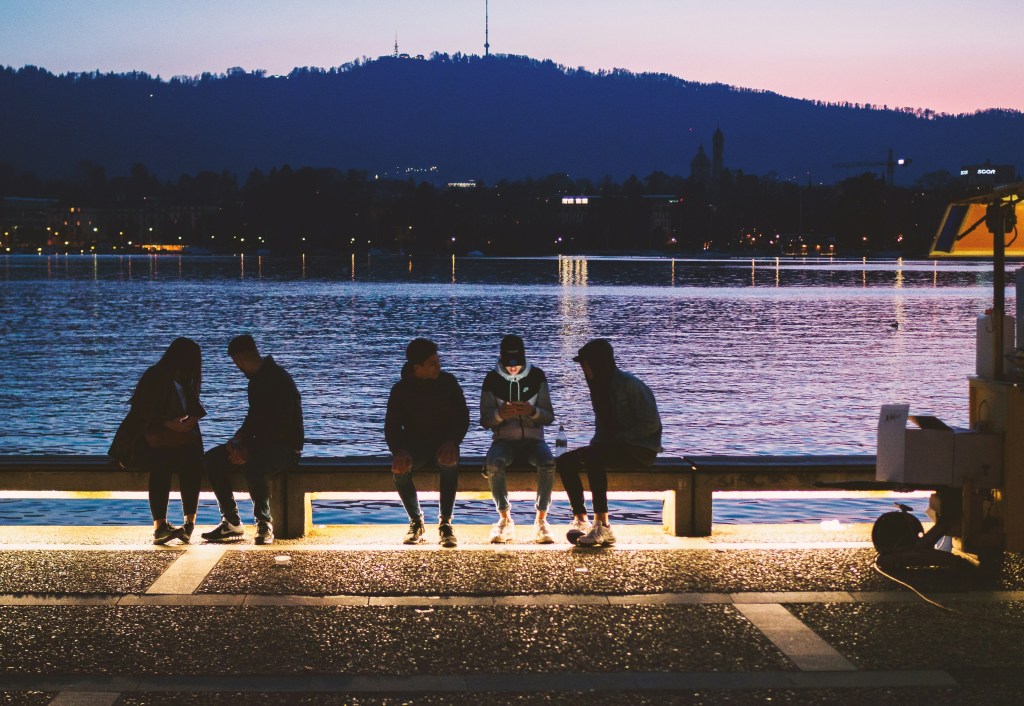
But here’s the catch: human nature abhors a vacuum. If popularity is out, something else must rise to take its place. So I asked one of my daughters what really matters now. Her answer was disarmingly simple: “Having a small group of friends you trust and can hang out with.” No influencer deals, no follower counts, no “likes.” Just intimacy, safety, presence.
That answer stuck with me. Maybe this is the backlash we didn’t see coming: a return to analog friendship in a digital age, a quiet rebellion against the curated fakery of online performance. Maybe they’re not disengaged—they’re detoxing.
This reminds me of a student I had over a decade ago. Back in the heyday of car-model websites (yes, those existed), she was a minor online celebrity at sixteen—long legs, smoky eyeliner, thousands of fans. Then she got pregnant, gained weight, and her adoring public turned on her like piranhas. She told me, with the grim clarity of someone who’d seen the inside of the circus tent, “It was all fake.”
By twenty, she was a single mother in my class—cynical, guarded, distrustful, and utterly magnetic in her quiet, unsmiling wisdom. I found her honesty refreshing. Had she come in chirping about TikTok fame and lip gloss sponsorships, I would’ve tuned her out. But her brokenness made her real, and real people are increasingly rare in this era of weaponized positivity.
I told my current students about her last week. We agreed that she was better off post-fame. Sadder, yes—but also wiser, grounded, and free from the illusion that popularity equals value. The discussion turned to happiness, that other bloated American myth, and how it’s often peddled like a multivitamin you’re supposed to take daily.
But maybe happiness—like popularity—is overrated. Maybe trust, wisdom, and genuine belonging are what matter. And maybe, just maybe, this generation is smart enough to know that already.
 Cinemorphosis
Leave a comment