In the early ’90s, screenwriter Dennis Potter—whose haunting 1980 film Blade on a Feather once grabbed my imagination by the throat—sat across from Charlie Rose, passionately defending one of humanity’s most derided cultural artifacts: the “crappy love song.”
Potter’s argument was simple and oddly noble:
In a world where we grovel like pigs at the trough of materialism, even the cheesiest love ballad points, however clumsily, toward something higher—a yearning for transformative love, the kind that rattles the soul and redeems our miserable existence.
And that, Potter insisted, should be celebrated, not sneered at.
I see his point.
But I can’t quite choke it down.
What happens when the music is even crasser than life itself?
Forgive the offense, but Kenny G springs to mind—a man whose saxophone emits what can only be described as the ambient soundtrack of lobotomized love.
Millions swoon to his treacly squeals, convinced they’re tasting transcendence.
But what they’re really swallowing is sentimentality in its most lethal form: syrupy, infantilizing, and vaguely unhinged.
While I love Potter for wanting to defend the human need for transcendent emotion, I can’t ignore the underlying rot.
These “crappy love songs,” much like Kenny G’s ambient anesthesia, often peddle not real love, but an emotionally stunted counterfeit—sentimentality, a soft mask stretched tight over something far uglier.
Sentimentality terrifies me because it is not benign.
It is childish emotion weaponized.
It is the refusal to mature, to engage with the complicated ambiguities of real love, real pain, real life.
And because these stunted feelings are defended with the ferocity of a cornered child, sentimentality often harbors its dark twin: violence.
Saul Bellow, with his characteristic unsparing clarity in Herzog, nailed it:
It’s the most sentimental people who are the most violent.
Why?
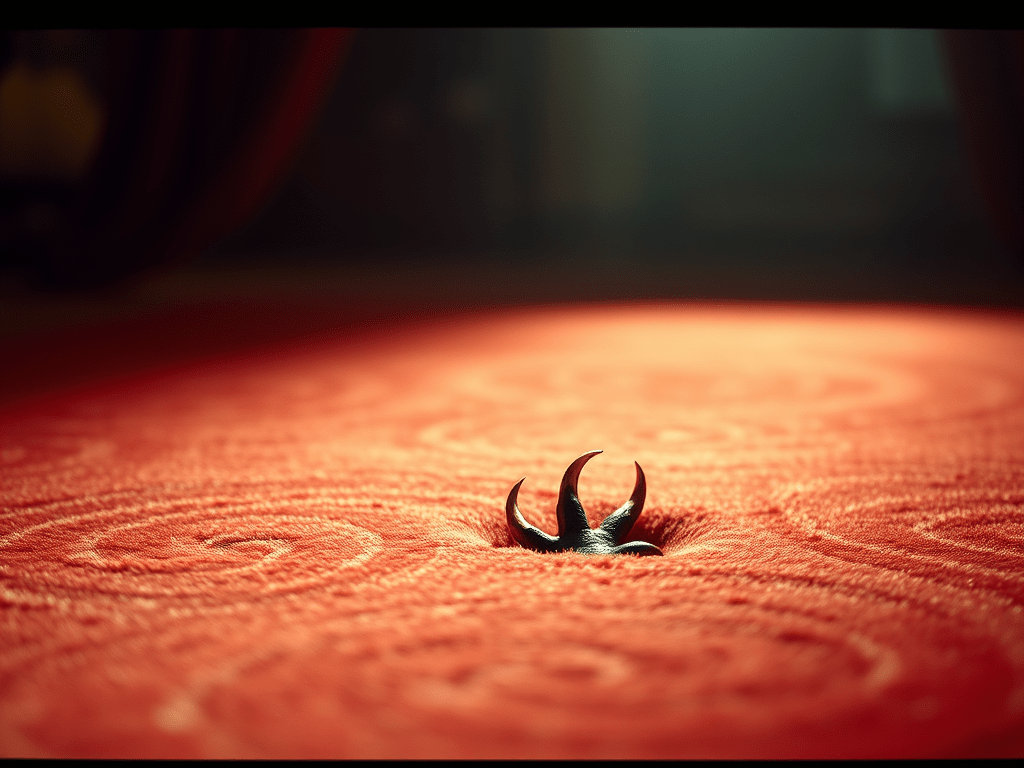
Because sentimentality is a velvet carpet stretched precariously over a tiger’s claw.
It’s the illusion of sweetness clinging desperately to a subterranean rage—the rage of people who cannot tolerate having their fragile, maudlin dreams challenged.
To question sentimentality is to trigger a defensive violence, a panicked fury at the idea that real adulthood demands something sterner, braver, and infinitely less sweet.
So no, Dennis Potter, I can’t fully join you in your defense of the crappy love song.
Because too often, beneath that soaring key change and saccharine lyric, I hear not the longing for transcendent love—
but the faint, snarling growl of a soul that refuses to grow up.
 Cinemorphosis
Leave a comment