Essay Prompt (1,700 words):
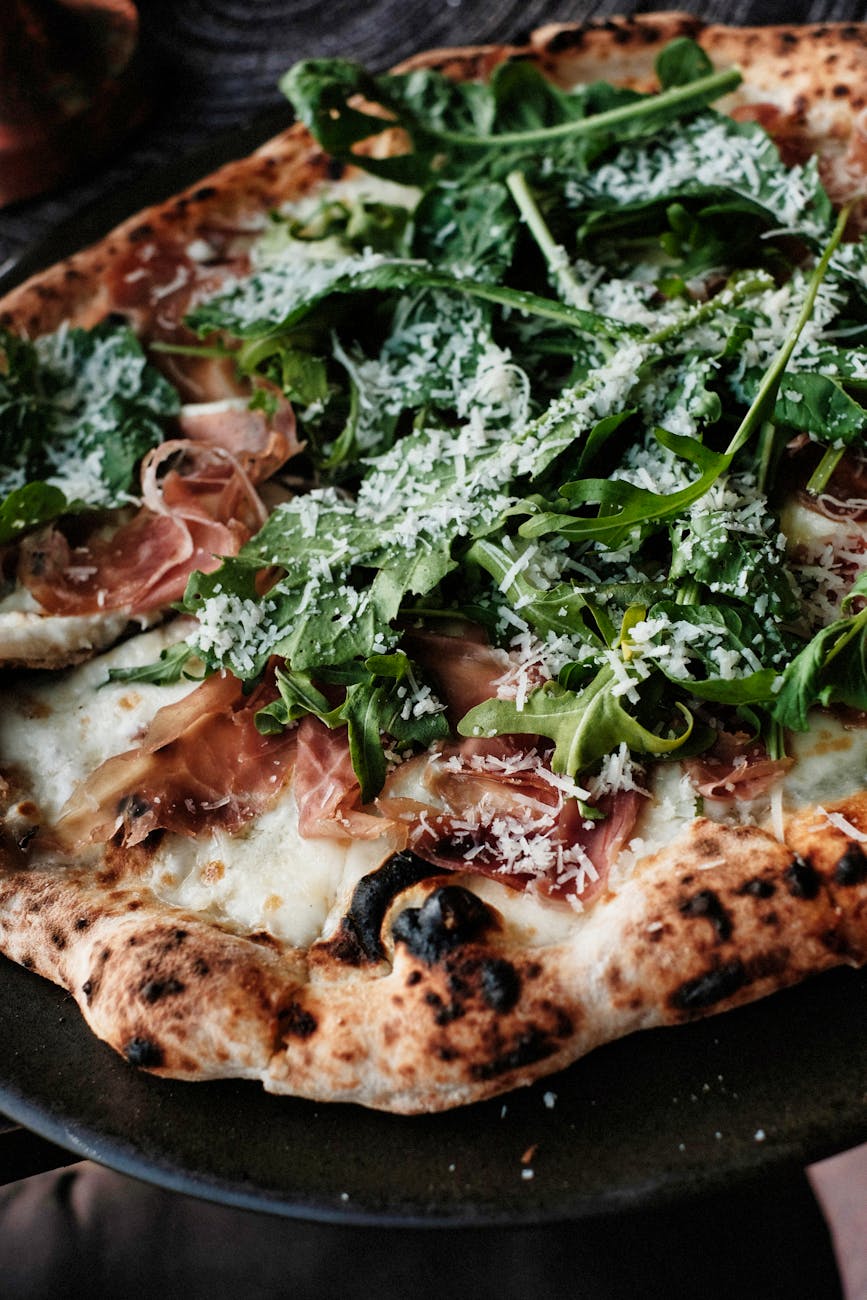
In the Chef’s Table: Pizza episode featuring Ann Kim, food becomes a site of transformation, healing, and reinvention. Kim channels her failed acting career into culinary artistry, crafting dishes that express the multiplicity of her identity—as a Korean-American daughter, an artist, and an immigrant success story. Her pizzas become canvases for memory, rebellion, and gratitude, especially toward her parents. Her story is a microcosm of the broader immigrant narrative: negotiating identity, navigating cultural shame, and ultimately reversing the script as the very foods once mocked become culinary gold.
In this essay, compare the themes in Ann Kim’s story with those in Ugly Delicious (Season 1, Episode “Tacos”) and selected episodes of The Taco Chronicles. How do these shows depict food as more than sustenance—as performance, identity, resistance, and love? In what ways do immigrant chefs and food workers subvert the shame once associated with their cultural foods and assert pride, creativity, and belonging through cuisine?
Your essay must engage with the visual rhetoric of the shows (tone, music, imagery), analyze the role of food as narrative and identity, and include at least two secondary sources—these may include academic articles on food studies, identity, or immigrant narratives.
Sample Thesis Statements:
1. The Performance of the Plate
Through Ann Kim’s story in Chef’s Table: Pizza, the taco discourse in Ugly Delicious, and the street-food heroism of The Taco Chronicles, we see food function as a performance of identity, where immigrant chefs use culinary artistry to reclaim scorned traditions, express hybrid selves, and find belonging in spaces that once excluded them.
Mapping components:
- Culinary performance as identity expression
- Reversal of cultural shame into pride
- Belonging through the craft of food
2. From Shame to Reverence
Ann Kim, David Chang, and the taqueros of The Taco Chronicles show how the foods once mocked in American lunchrooms are now celebrated on global stages, revealing that cuisine is a powerful tool of cultural revenge, emotional healing, and self-definition for immigrant communities.
Mapping components:
- Mockery and marginalization of immigrant food
- Culinary revenge and cultural redemption
- Healing and self-definition through cooking
3. Food as Love, Labor, and Legacy
While Chef’s Table: Pizza casts Ann Kim’s story as one of artistic reinvention and filial love, Ugly Delicious and The Taco Chronicles emphasize how food binds generations, builds communities, and becomes a labor of love that transforms trauma into legacy.
Mapping components:
- Culinary reinvention as personal and artistic legacy
- Food as intergenerational bridge
- Labor, love, and storytelling through cuisine
Sample Outline:
I. Introduction
- Hook: A vivid scene from Ann Kim’s episode—placing gochujang on pizza as rebellion and homage.
- Context: Rise of food documentaries as cultural texts.
- Thesis: (Insert one of the thesis statements above.)
II. Ann Kim: The Personal is Culinary
- Acting failure and identity fragmentation
- Food as theatrical medium: personas, freedom, risk
- Immigrant shame turned into culinary power (Korean pizza)
- Cooking for her parents as an act of redemption and gratitude
III. Ugly Delicious: The Taco Episode and Cultural Inversion
- David Chang’s exploration of authenticity and invention
- The taco as a battleground of legitimacy (Mexican roots vs. American remix)
- Use of celebrity chefs and taqueros to show class and cultural divides
- Food once marginalized now used as a symbol of culinary innovation
IV. The Taco Chronicles: Myth, Ritual, and Regional Pride
- Focus on specific episodes (e.g., Suadero, Cochinita Pibil)
- Tacos as sacred practice, generational labor, and social equalizer
- Visual and musical rhetoric: the taco as folk hero
- Repeated motif: taqueros breaking class and cultural boundaries with corn, fire, and steel
V. Comparative Analysis
- Immigrant identity in all three: reclaiming power through food
- Emotional resonance: food as apology, tribute, rebellion
- Different tones: Kim’s cinematic elegance vs. Chang’s irreverent inquiry vs. Chronicles’ reverent folklore
VI. Counterargument Section
- Some critics argue that food media romanticizes struggle or sanitizes labor conditions
- Rebuttal: While these shows may aestheticize food, they also restore dignity to cuisines and cooks historically ignored by dominant culture
VII. Conclusion
- Reassert the thesis: food is not just fuel—it is metaphor, memoir, and medium
- End with a return to a powerful image—perhaps Ann Kim in her pizzeria, cooking for her parents, feeding them not just dinner, but decades of unspoken love
 Cinemorphosis
Leave a comment