Personality Starvation
Personality Starvation is the gradual erosion of character, depth, and individuality caused by the systematic removal of struggle, responsibility, and formative labor from human development. It occurs when friction—failure, boredom, repetition, social risk, and unglamorous work—is replaced by automation, optimization, and AI-assisted shortcuts that produce results without demanding personal investment. In a state of personality starvation, individuals may appear competent, efficient, and productive, yet lack the resilience, humility, patience, and textured inner life from which originality and meaning emerge. Because personality is forged through effort rather than output, a culture that eliminates its own “grunt work” does not liberate talent; it malnourishes it, leaving behind polished performers with underdeveloped selves and an artistic, intellectual, and moral ecosystem increasingly thin, fragile, and interchangeable.
***
Nick Geisler’s essay, “The Problem With Letting AI Do the Grunt Work,” reads like a dispatch from a vanished ecosystem—the intellectual tide pools where writers once learned to breathe. Early in his career, Geisler cranked out disposable magazine pieces about lipstick shades, entomophagy, and regional accents. It wasn’t glamorous, and it certainly wasn’t lucrative. But it was formative. As he puts it, he learned how to write a clean sentence, structure information logically, and adjust tone to an audience—skills he now uses daily in screenwriting, film editing, and communications. The insultingly mundane work was the work. It trained his eye, disciplined his prose, and toughened his temperament. Today, that apprenticeship ladder has been kicked away. AI now writes the fluff, the promos, the documentary drafts, the script notes—the very terrain where writers once earned their calluses. Entry-level writing jobs haven’t evolved; they’ve evaporated. And with them goes the slow, character-building ascent that turns amateurs into artists.
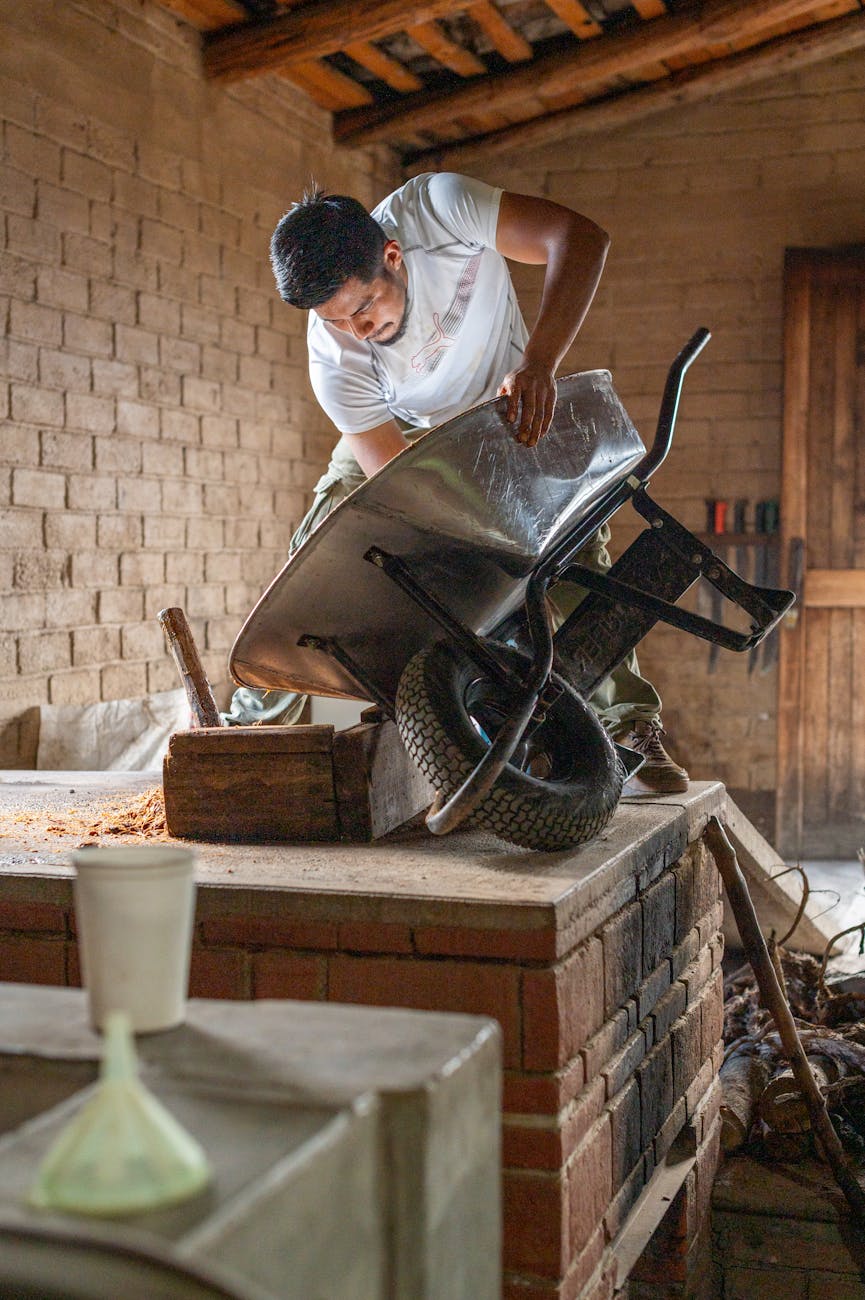
Geisler calls this what it is: an extinction event. He cites a study that estimates that more than 200,000 entertainment-industry jobs in the U.S. could be disrupted by AI as early as 2026. Defenders of automation insist this is liberation—that by outsourcing the drudgery, artists will finally be free to focus on their “real work.” This is a fantasy peddled by people who have never made anything worth keeping. Grunt work is not an obstacle to art; it is the forge. It builds grit, patience, humility, social intelligence, and—most importantly—personality. Art doesn’t emerge from frictionless efficiency; it emerges from temperament shaped under pressure. A personality raised inside a Frictionless Dome, shielded from boredom, rejection, and repetition, will produce work as thin and sterile as its upbringing. Sartre had it right: to be fully human, you have to get your hands dirty. Clean hands aren’t a sign of progress. They’re evidence of starvation.
 Cinemorphosis
Leave a comment