I’ve made more real friendships online over watches than I ever expected—full-grown adults bonding over bezel action, dial texture, and the shared conviction that the perfect collection is exactly one purchase away. It’s a peculiar fraternity: half hobby, half recovery meeting. We compare scars from impulse buys and premature flips. We confess, we relapse, we congratulate one another on restraint that lasts roughly twelve days. Then someone posts a new release, and the room goes quiet. We nod, knowingly. Maybe this time we’re cured, we say—the way a gambler says he’s just there for the buffet.
My own delirium began in 2005, when I was forty-three and certain that mechanical watches were not merely instruments but therapeutic devices—tiny machines capable of repairing the larger, less cooperative machinery inside me. Twenty years disappeared in a blur of rotating bezels, “exit watches,” and divers purchased for hypothetical adventures that never rose above grading papers. The obsession didn’t feel excessive. It felt like maintenance.
Then, at sixty-three, something shifted. Mortality didn’t shout; it tapped me lightly on the shoulder, like a polite but persistent waiter. The hobby didn’t vanish. The flame still burns. But the heat changed. The urgency drained away. After two decades of acquisition, a quiet truth settled in: no matter how precise the watch, it was still losing the only race that mattered.
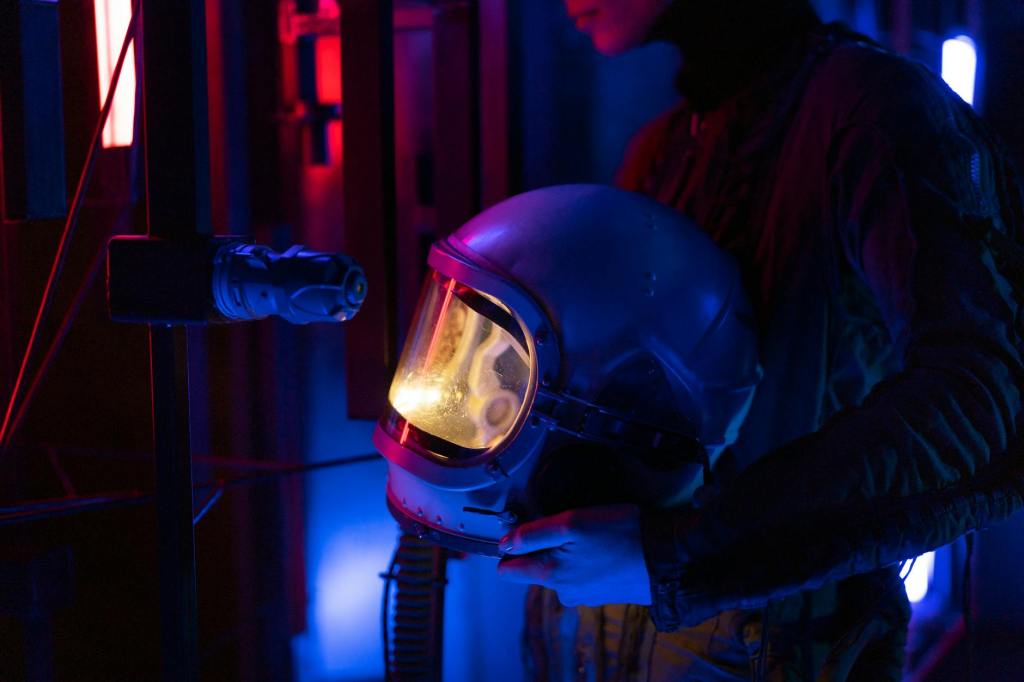
The sensation reminds me of a scene from Battlestar Galactica: a traitor is sealed behind glass, pleading as the airlock hisses and the crew looks on, solemn and unmovable. A ritual exile. That’s what aging feels like–not tragedy, not humiliation. Just the slow recognition that you’ve crossed into a different atmosphere. Those still inside the warm illusion of endless tomorrows don’t push you away. They simply drift forward without you.
The pane lowers gently. You tap it, wave, even smile, but the cockpit of youthful urgency is sealed. No reentry. What remains is quieter work: dignity over display, usefulness over accumulation, meaning over inventory. You stop building collections and start building perspective. You become less of a buyer and more of a witness.
This is the Mortality Attenuation Phase: the gradual reduction of acquisition fever as the finite horizon comes into view. The obsession doesn’t die. It simply loses its panic. The watches remain. The urgency does not. Objects can mark time. They cannot bargain with it.
 Cinemorphosis
Leave a comment