You cannot understand watch obsession without understanding religious conversion. At some point, the hobby stops being about objects and starts behaving like faith.
No one would seriously claim a timepiece is divine. And yet the devoted enthusiast approaches the hobby with the discipline, ritual, and emotional seriousness of a Trappist monk. This is not shopping. This is vocation.
Every serious collector eventually enters the desert.
There comes a period of withdrawal—no forums, no influencers, no hype lists—just the quiet work of figuring out what you actually like. The goal is purity. To borrow from René Girard, mimetic desire is heresy. Buying what the tribe loves is imitation. Discovering your own taste is revelation.
But the desert is temporary. No believer practices alone forever.
Soon enough, the enthusiast returns to the congregation: YouTube channels, forums, group chats, wrist-shot threads. What gets called “research” becomes a daily ritual. Hours pass in a fever swamp of comparisons, debates, rumors, and release speculation.
The information is secondary.
The real function is Research Communion—the comfort of shared obsession, the quiet reassurance that you belong to a fellowship that speaks your language and validates your concerns about case thickness and lume performance.
Like any conversion, the watch enthusiast lives in two eras: Before Watches and After Watches.
Before was vague. Time passed unnoticed. Evenings disappeared into the fog.
After is different. The day has structure. The wrist has meaning. Life feels sharper, more intentional, more alive—because something small and precise is always there, quietly marking your existence.
But faith has its trials.
There are dark nights: compulsive buying, financial regret, obsessive comparison, the creeping suspicion that you’ve become what outsiders call a Watch Idiot Savant. Friends don’t understand. Some quietly decide you’ve become strange.
If the devotion is real, this doesn’t weaken the believer. It deepens the bond with the tribe.
An us-versus-them mentality emerges. Non-watch people become a separate species—citizens of a dull world where time is checked on phones and meaning is measured in convenience. Meanwhile, a private conviction grows stronger: the world doesn’t understand your discernment, your discipline, your eye.
But beneath all the brands, movements, and materials lies the true object of devotion.
The enthusiast is not chasing watches.
He is chasing order.
He is chasing the feeling that somewhere, something is precise, aligned, and under control. He is searching for the pure and absolute in the form of Sacred Time.
This condition has a name: Sacred Time Syndrome.
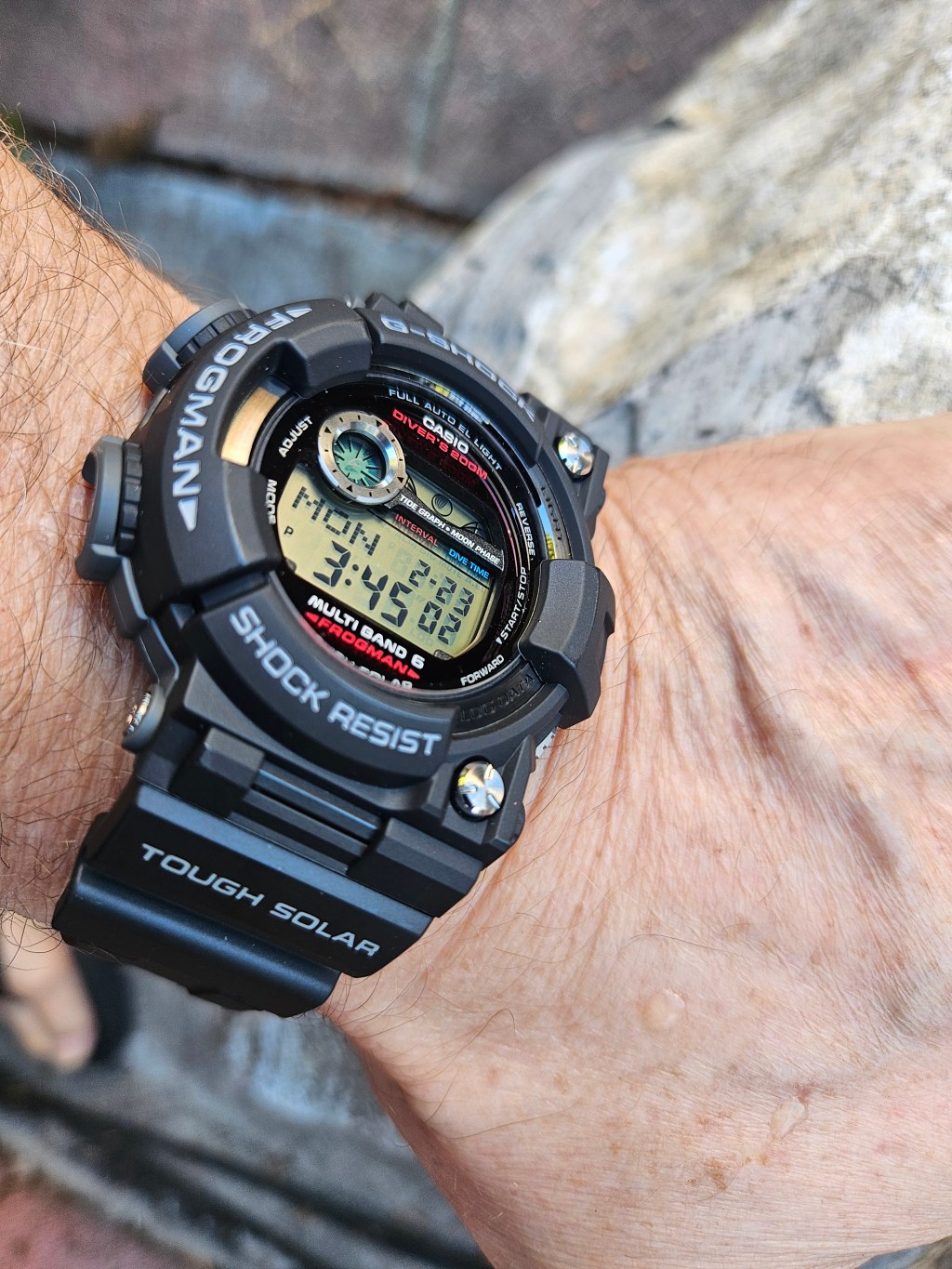
It is the quiet belief that a watch is not merely a tool but a wearable altar where chaos is subdued and existence ticks in disciplined submission. The wearer does not simply check the hour; he consults it. Atomic synchronization feels like divine correction. A perfectly regulated movement suggests moral virtue. Drift becomes an existential failure.
Underneath the talk of lume, tolerances, and finishing lies the real motive: the hope that if time on the wrist is exact, then life itself might also be brought into alignment.
Because the deeper fear is this:
Time is vast.
Time is indifferent.
Time is not impressed by your collection.
So the enthusiast keeps buying, adjusting, comparing—not for status, not for craftsmanship, not even for pleasure.
He is purchasing small, precise moments of reassurance that the universe, at least on his wrist, still answers to order.
 Cinemorphosis
Leave a comment