The algorithms at Hulu and Netflix have learned one undeniable fact about me: I am powerless to resist true crime. Every evening they present another descent into human depravity, as if politely asking, Would you like to witness civilization unravel once more? More often than not, I oblige. Among the many stories they have served me, one from Netflix’s Worst Neighbor Ever has lingered in my mind. The episode, “Midwest Meltdown,” begins not with a monster but with a woman who once fit comfortably into her small-town community. Moncy Shirley was a respected nurse in Richmond Hill, Indiana, living what appeared to be an ordinary life. Then came divorce. Her husband left, and it was as though she resolved to reclaim a youth she believed had been stolen from her. She plunged into a whirlwind of dating, flaunted her sexual adventures with startling indiscretion, and cultivated an image built on expensive cars, cosmetic surgery, and perpetual reinvention. Her neighbors had admired the earlier Moncy—the dependable wife and community member whose values resembled their own. The new Moncy seemed intoxicated by exhibitionism. One neighbor, disturbed by Moncy’s increasingly explicit stories, decided she no longer wanted her daughter exposed to such influences. It was not merely the promiscuity that alienated people; it was the sense that Moncy had begun treating every social norm as an obstacle to be mocked.
Then came Mark Leonard, a man whose appearance alone seemed to advertise bad decisions. With frosted blond hair, puka-shell necklaces, and the slick confidence of a carnival swindler, Leonard looked less like a trustworthy neighbor than someone who would sell counterfeit watches from the trunk of a car. The documentary patiently assembles his résumé of deception: woman after woman manipulated, savings siphoned away, trust converted into profit. Leonard did not simply enter the neighborhood; he infected it. Moncy, meanwhile, withdrew further from longtime friends while publicly displaying her romance with theatrical defiance. The couple’s conspicuous affection on the front porch felt less like love than a declaration that ordinary standards of decency no longer applied to them. Their message seemed unmistakable: our freedom is none of your business.
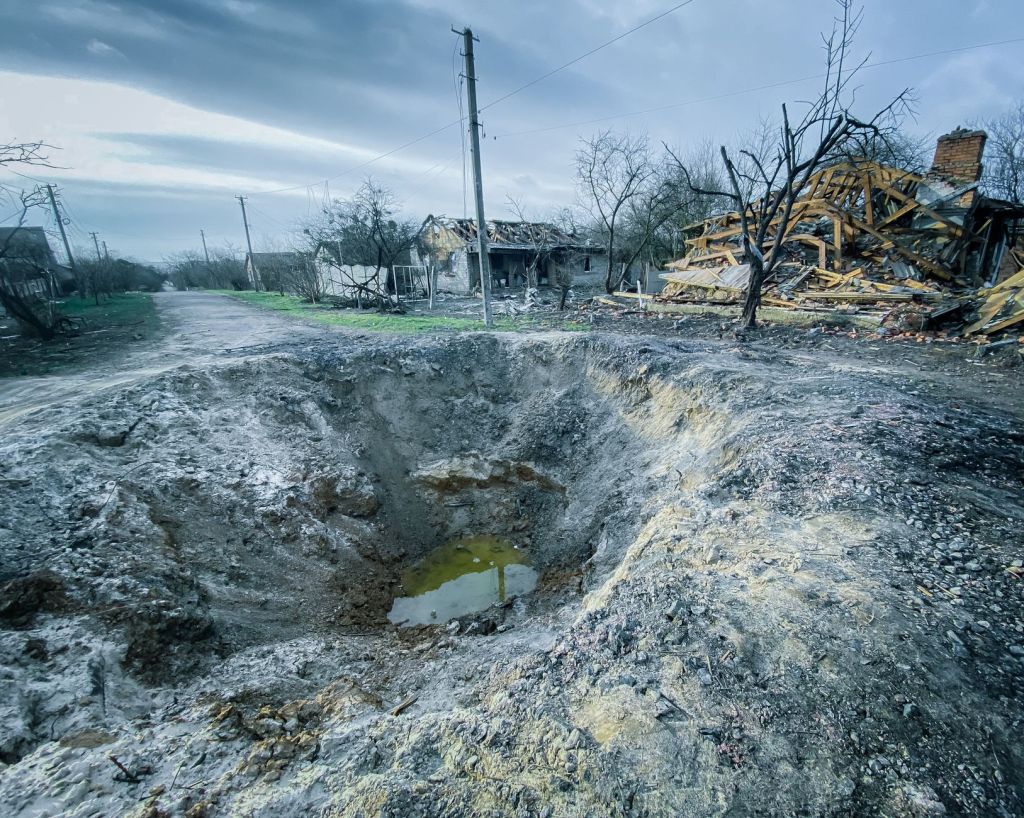
That illusion exploded—literally—on the night of November 10, 2012. Moncy’s home became the epicenter of a blast so violent that it leveled neighboring houses and transformed a quiet subdivision into what aerial footage resembled after a military strike. Investigators from the ATF quickly concluded this was no accidental gas leak. Evidence pointed instead to meticulous planning: removed gas valves, a microwave modified as a delayed ignition device, and a conspiracy involving Moncy, Mark Leonard, and his brother to stage a fire for a $300,000 insurance payout. Their greed weaponized an entire neighborhood. Two innocent people died. Dozens suffered injuries. Families lost homes that had taken decades to build. One chilling detail captures the moral inversion at the heart of the crime: Moncy carefully arranged for someone to care for her cat before the explosion while displaying astonishing indifference toward the hundreds of human beings living just beyond her property line.
Listening to the survivors, I was struck not only by their grief but by their bewilderment. They had welcomed Moncy into their community, befriended her, trusted her, and watched her transform into someone willing to sacrifice their lives for money and fantasy. Many eventually left Richmond Hill, unable to bear living among the memories of that night. Moncy received a fifty-year prison sentence. Mark Leonard was sentenced to life and died in prison in 2018. Yet the moral force of the story reaches beyond criminal justice. “Midwest Meltdown” is ultimately about what happens when freedom is severed from responsibility. Moncy came to believe that happiness meant satisfying every appetite, flaunting every impulse, and treating other people as incidental to her own self-expression. The residents of Richmond Hill understood freedom differently—as something inseparable from loyalty, trust, and mutual obligation. That contrast explains why the explosion feels larger than an insurance scam. It is the physical manifestation of a moral philosophy in which the self becomes the highest authority and the community is reduced to collateral damage. The lesson is difficult but indispensable: our lives are not private playgrounds. They are bound to the lives of others, and the choices we make inevitably either strengthen the communities that sustain us or, as in Richmond Hill, leave them in ruins.


Leave a comment