Category: Health and Fitness

  • Farmer’s Walks, Rotator Cuffs, and the Ghosts of TypePad

    Farmer’s Walks, Rotator Cuffs, and the Ghosts of TypePad

    Everyday I try to learn something new, though today’s lessons felt like a report card in masochism. After three weeks of doing the Farmer’s Walk—barefoot, lugging kettlebells across hot pavement like some deranged strongman wannabe—my feet staged a revolt. Now I shuffle around in cushioned flip-flops, praying for pardon from my inflamed soles.

    Lesson two: a rotator cuff tear heals on its own calendar, not mine. Gone are the days of explosive kettlebell theatrics; now I creep through slow, deliberate rows like a man tiptoeing past a sleeping dragon.

    But the real education arrived online. When TypePad collapsed and I ferried a few dozen radio-obsessive posts over to Cinemorphosis, I stared into the abyss of my own archive. What I saw wasn’t noble enthusiasm but neurotic Internet poisoning: the frenzied output of a man hooked on the performance of being “a journalist,” even if only in cosplay. The early 2000s gave me all the symptoms of attention addiction—posting too often, sharing too much, mistaking volume for meaning.

    I’m grateful to have deleted X and demoted Facebook to a ghost town. My writing belongs elsewhere now. On Cinemorphosis I can stretch out, let literature, culture, music, television, even dreams bloom into full color. It feels like stepping through a door into a new world, one I don’t intend to leave.

  • The Pea Protein Plague

    The Pea Protein Plague

    For three days, I flirted with the fantasy of going vegan in the protein department. Out went my dependable whey; in came Orgain’s peanut butter-flavored vegan powder ($32), built on the gritty backbone of pea protein. Waiting in the wings was OWYN Pro Elite in dark chocolate ($47), still sealed, still smug.

    But curiosity didn’t last. It curdled into resolve — the kind of resolve born from three days of gut-twisting cramps so vicious they stole my ability to work out. Imagine the irony: my protein obsession, meant to fuel training, knocked me out of the gym entirely. Not just any protein, but vegan protein, embraced in part to end my petty larceny of cow’s milk from calves. My humanitarian mission dissolved in a haze of bloating and despair.

    So I texted my neighbor Holly, handed over $80 of organic powders, and felt as if I were banishing demons. She was delighted. Her family loves vegan protein powder for their smoothies. I was both exorcised and relieved. Good riddance to powders that turned my insides into a war zone.

    Looking forward, I’ll still be a thief — but only a petty one. A scoop of whey stirred into my morning buckwheat groats. Two modest helpings of plain Greek yogurt with honey at lunch and after my nap. A splash of stolen milk here and there. I hope the calves understand: my theft is not egregious, just survivable.

    Still, my diet is 90 percent plants, enough to keep my conscience propped up. My protein intake will slide from 180 grams to about 140, and so be it. I’ll trade hypertrophy for digestive peace.

    Because let me say it clearly: some of us must never touch pea protein again. It expands inside us like an alien organism, leaving us to wish for death’s consoling embrace. Never again.

  • The Difference Between Thriving and Withering on a Vegan Diet

    The Difference Between Thriving and Withering on a Vegan Diet

    Like many people, I want to believe that a plant-based diet can deliver optimal nutrition for everyone—from casual gym-goers to powerlifters and elite athletes. It’s a hopeful vision: strong bodies built on beans and lentils instead of beef. But a memory from 2019 lingers in my mind and keeps me cautious.

    That year I had a nursing student in my class. She was sharp, disciplined, a straight-A student who also worked as a personal trainer at Gold’s Gym. On top of all that, she was a powerlifter. Under the guidance of an experienced coach, she decided to go vegan. For the first several months, everything looked fine. But after about nine months, the cracks showed. Her skin grew pale, her training stalled, she felt weak and lightheaded, and worst of all—her hair began to fall out in clumps. When she abandoned the vegan diet, her health rebounded.

    At the time, I didn’t know what I know now. Maybe she was missing key amino acids like lysine or leucine. Maybe she wasn’t using vegan protein powders that could have filled the gap. Maybe she didn’t know that a vegan diet contains no creatine at all, and a simple 5-gram daily supplement might have made the difference. The truth is, neither of us will ever know.

    This is what haunts me: a vegan diet can be excellent for cardiovascular health and a powerful humanitarian stand against factory farming, but only if it’s done with knowledge and precision. Done carelessly, it can lead to exactly what my student experienced—decline, weakness, and disillusionment.

    I can’t know for certain whether a few smart adjustments would have allowed her to thrive. But I can’t shake the suspicion that with the right tools—a quality vegan protein blend, a steady supply of B12, an algal omega-3 supplement, and a scoop of creatine—her story could have ended very differently. Instead of decline and disillusionment, she might have been proof that a plant-based diet, done right, can power even the most demanding athletic lives.

  • The Fallacy of False Priorities, Watch Edition

    The Fallacy of False Priorities, Watch Edition

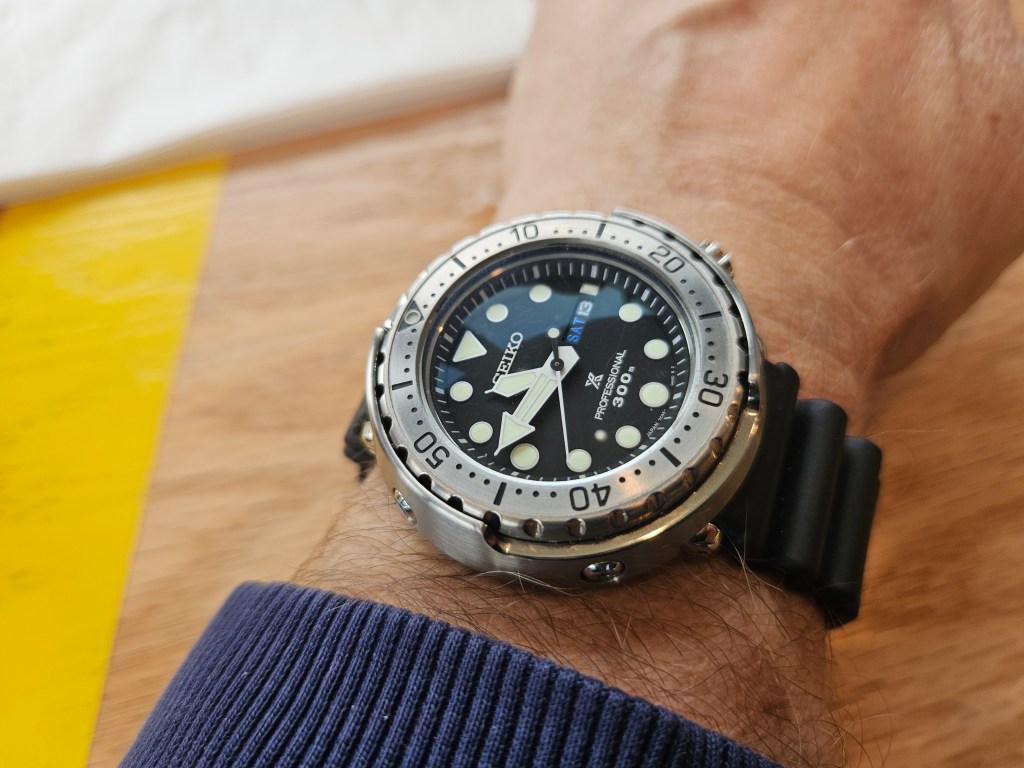
    “The double-minded man is unstable in all his ways.” Guilty as charged. Case in point: my tortured relationship with FKM Divecore straps.

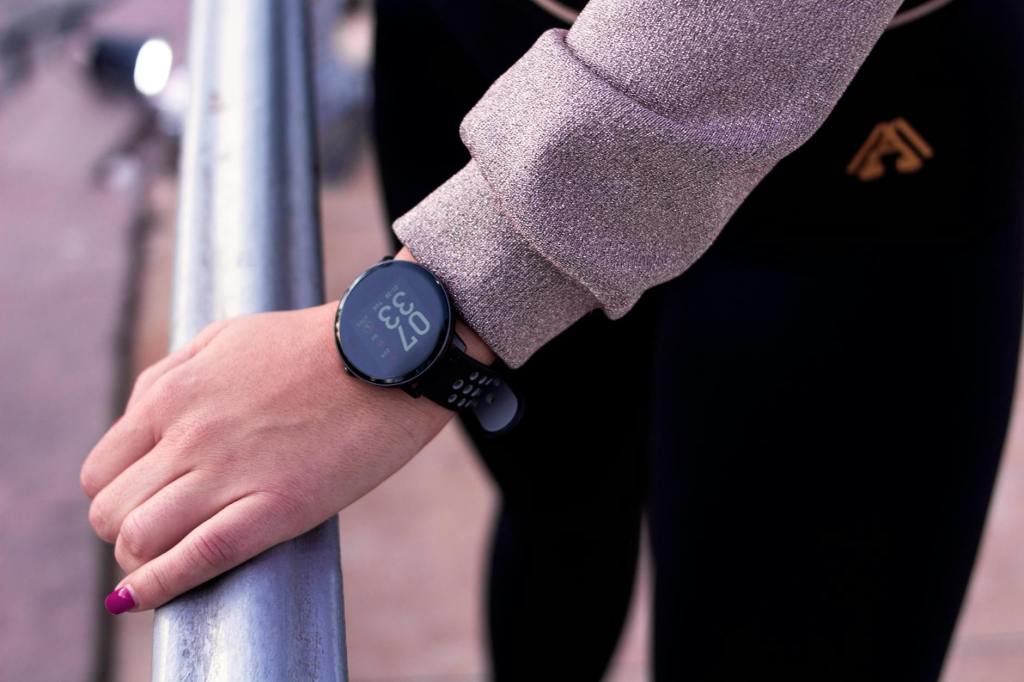
    The Notre Dame study had me spiraling—researchers tortured the material with solvents, heat, and abrasion until they squeezed out PFAS “forever chemicals” and then warned these might leach into human skin. Ever since, I’ve gone back and forth, back and forth, like a malfunctioning metronome, on whether to keep wearing the straps I love more than any other rubber I’ve tried in two decades of watch collecting.

    Of course, no one wants to think of their wristwear as a poison delivery system. But context matters. First, FKM is highly stable under real-world conditions; the lab tests were more horror show than practical scenario. Second, it’s the manufacturing process that endangers workers, not the end-user. Third, if we’re ranking PFAS risks, drinking unfiltered water, eating from PFAS-coated packaging, or cooking on scratched Teflon are solid tens on the risk scale, while wearing an FKM strap is a lonely little one. That’s the Fallacy of False Priorities: panic over the trivial while ignoring the obvious.

    Even so, the issue isn’t a Nothing Burger. Divecore’s own Paul admits handling FKM worries him, and he’s working on alternative materials—silicone, vulcanized silicone, HNBR—to protect his workers and reassure consumers. That’s just smart business.

    Meanwhile, I’m not without options. My strap drawer holds factory Seiko silicones and urethanes, plus top-tier Tropic straps made of vulcanized rubber. They’re fine, but none hold a candle to the sleek perfection of Divecore FKM. I tried swapping them in, but they feel like consolation prizes—serviceable, never glorious.

    So I made a deal with myself: enjoy my pristine FKMs for now, and when the new HNBR or silicone Divecore straps arrive, I’ll switch. Sounds reasonable. Except once you’ve let the idea of PFAS seeping into your skin lodge in your brain, it refuses to leave. I’ve written about it on Instagram, made a YouTube video, and now I’m stuck in an obsessive loop, second-guessing every strap change as though I were rewriting my will.

    Which brings me back to my original point: the double-minded man is unstable in all his ways. And right now, that man is staring at seven watches, toggling between glory and paranoia, wishing he could strap on peace of mind.

  • The Influenza of the Mind

    The Influenza of the Mind

    Last week, one of my teen daughters caught a cold. She shrugged it off with the stoicism of a soldier, and I barely noticed she was sick. Then my wife came down with it five days ago. It hit her harder, but she still managed to run errands, wrangle housework, and conquer the Everest of six laundry baskets stuffed with clothes that needed folding.

    Then there was me. Yesterday, after my afternoon nap, I felt aches and pains and immediately began writing my obituary. Sprawling out on the couch in the living room, I put on the docuseries The Kingdom on ESPN but had to close my eyes, then take another nap because I was “so unwell.” 

    Convinced I was succumbing to something sinister, I staggered into the kitchen and cooked dinner. The salmon, broccoli, and rice all came out overcooked—not because I was incapacitated, but because I was deep into Internet articles about PFAS “forever chemicals.” Nothing like a side of toxic paranoia with your charred protein.

    My family tolerated the burnt offering, attributing it to my alleged illness. But once I slumped onto the couch after dinner to watch Below Deck, I went full opera tenor: sighs, groans, complaints, the whole libretto of impending doom. My family, unimpressed, mocked me. “Illness always makes me morbid and lugubrious,” I explained, as if quoting from a Victorian diary.

    My daughters laughed. My wife rolled her eyes: “Here we go. The man flu.” I thought about citing research suggesting men actually suffer more with the flu, but even I knew I’d already overshared.

    “Maybe you’re just tired,” my wife said. “Maybe you shouldn’t work out tomorrow.”

    I declared that one missed workout would cause my muscles to shrivel like neglected houseplants. “I’m doomed,” I muttered, then retreated to bed before nine like a bereft invalid.

    This morning, I awoke braced for catastrophe—a full-blown cold, a fever, the Grim Reaper at my door. Instead, I felt…fine. Perfectly fine. My wife and daughter had been right. I wasn’t sick. I was just tired.

    The truth is, when I sense illness creeping in, I go from zero to tragic opera in seconds. I suffer from Influenza of the Mind, a performance illness that turns me into a paranoid man-baby. Last night’s theatrics were not the noble struggle of a fading patriarch, but the wailings of a melodramatic hypochondriac in need of nothing more than eight hours of sleep.

  • The John Deere Shoulder Massacre

    The John Deere Shoulder Massacre

    A month ago, I developed “golfer’s elbow”—a tender, nagging ache in my inner right elbow, courtesy of my stubborn devotion to single-arm kettlebell rows. Instead of backing off like a sensible adult, I “modified” the exercise into something more idiotic: a lawnmower pull, yanking the kettlebell skyward like I was trying to start a rusty John Deere.

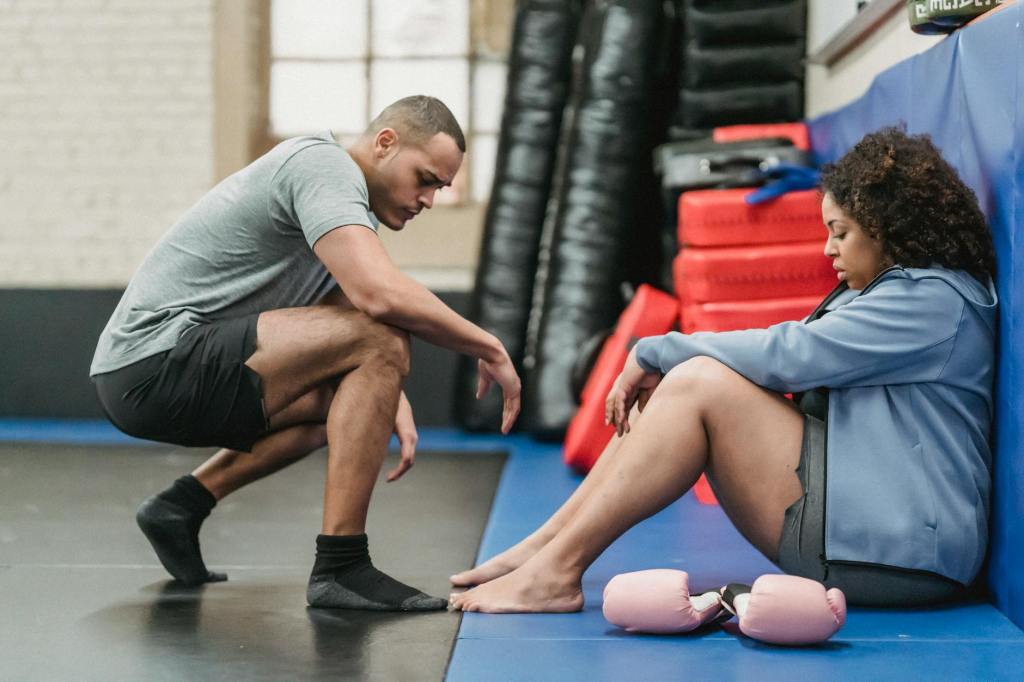
    The good news: within a couple of weeks, the elbow pain disappeared. The bad news: two weeks ago, my left rotator cuff staged a protest and tore, lightly but persistently. The pain has lingered, not as vicious as before, but enough to remind me that recovery at sixty-four runs on geological time. If it truly is a minor tear, I’m looking at six to twelve weeks before my shoulder forgives me.

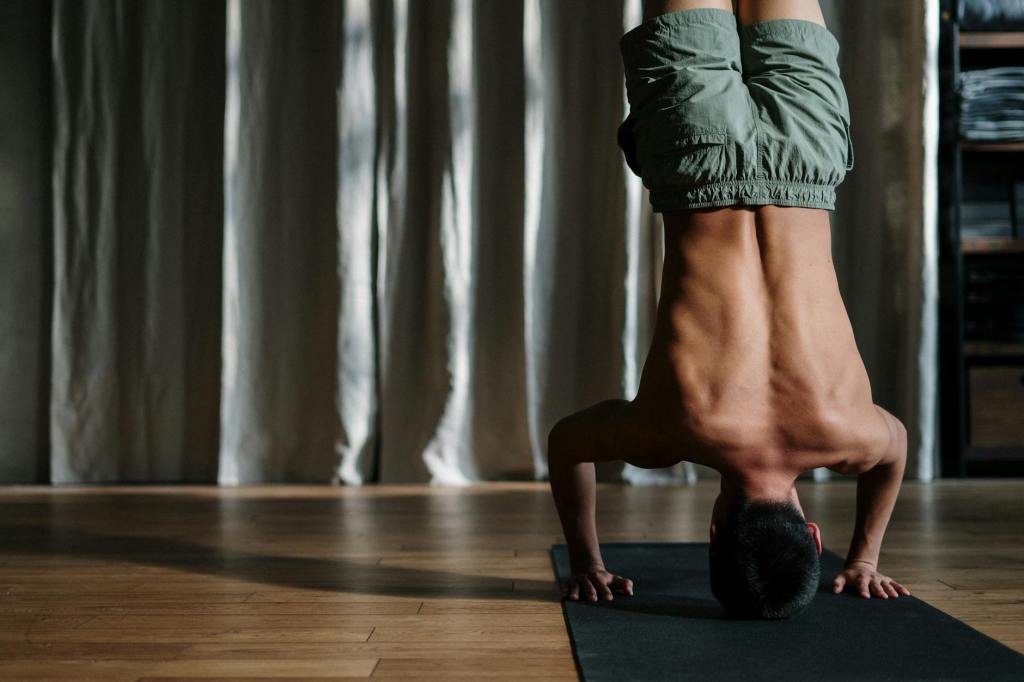
    When—if—this shoulder heals, I have no illusions about returning to my “factory settings.” The glory days of kettlebell carnage six days a week are behind me. The new plan: three or four sessions, lighter weights, and absolutely no more lawnmower rows. Instead, I’m pivoting to Zone 2 circuit training—steady sweat, elevated heart rate, endorphins over ego, sanity over low-rep bravado.

    For me, exercise isn’t just exercise—it’s therapy. It’s the way I shut down the mental chatter and scrub the cobwebs out of my skull. A life coach wants me to analyze my feelings. I’d rather blast them out with sweat and iron.

    Still, I know this is whack-a-mole. One injury heals, another pops up. That’s the deal when you insist on playing Atlas with kettlebells well past the warranty period. The only answer is to be smarter. The lawnmower row? It was my dumbest idea yet. Never again.

  • What Is the Risk of FKM Rubber Watch Straps in the Overall Scheme of Things?

    What Is the Risk of FKM Rubber Watch Straps in the Overall Scheme of Things?

    PFAS, the so-called “forever chemicals,” deserve our attention. They accumulate in the body, persist in the environment, and have been linked to cancer and organ toxicity. The question is not whether they are harmful—the science is clear enough on that—but how much risk each type of exposure carries.

    To live reasonably healthy lives in a world saturated with PFAS, we need to focus on reducing the high-risk exposures. Think of a scale from one to ten. At the top end—a full ten—you find firefighting foam, Gore-Tex fabrics, stain-resistant carpets, certain cosmetics, fast-food wrappers, fish and meat from contaminated waters, Teflon pans, unfiltered drinking water, and some dental flosses. At the bottom—a one—are minor exposures like wearing athletic clothing, sitting on treated upholstery, applying certain sunscreens, or strapping on an FKM watch band.

    On this spectrum, FKM straps rank very low. The lab studies that raised alarms subjected the rubber to extreme torture—solvents, high heat, and abrasion—to force PFAS out. That doesn’t resemble daily life. Normal wear—exposure to sweat, sunlight, or water—isn’t nearly enough to release meaningful amounts of PFAS. Compared to drinking contaminated water, eating food in PFAS-coated packaging, or scraping dinner out of a Teflon pan, the risk from a strap is trivial. If the PFAS risk ladder runs from one to ten, FKM sits squarely at one: background noise against the heavy hitters.

    In the end, acceptable risk is a personal calculation. For me, the sensible path is to avoid the high-risk exposures and stop fixating on the negligible ones. That means changing out my water filter, skipping fast-food packaging, and ditching old Teflon pans. But when it comes to wearing my FKM watch straps, I’m not going to lose sleep.

  • No Age Is for Cowards: Worry as Full-Time Employment

    No Age Is for Cowards: Worry as Full-Time Employment

    When I was six, my Grandma Mildred came to visit us at the Royal Lanai apartments in San Jose. This was around 1967. Like any neurotic little kid, I peppered her with endless questions about an upcoming event. Most of them revolved around food: what would we eat, would there be enough, and what if the deviled eggs ran out? Eventually, Grandma sighed and told me, “You worry too much.”

    Really? Another thing to worry about? Thanks, Grandma. Now I could add “chronic worrying” to my list of anxieties. Would it turn me into a puddle like the Wicked Witch? Would I self-destruct under the sheer weight of my own nerves?

    Flash forward fifty-eight years. Spoiler: I still worry like a professional. My bandwidth jams up with the dumbest obsessions—like finding the right rubber strap for my Seiko diver. I’ll lose sleep and dive so deep into Internet rabbit holes you’d think I was chasing doctorates in linguistics and ophthalmological physics simultaneously.

    Food isn’t any easier. Reading How Adam Smith Can Change Your Life, I encountered Hillel’s famous line: “If I am not for myself, who will be for me? If I am only for myself, who am I?” Roberts added that anyone who would sacrifice millions of lives to save a finger is “a monster of inhuman proportions.” Cue existential panic: If I chow down on Greek yogurt and whey protein while ignoring the industrial torture of animals, what kind of person does that make me?

    That question dredged up a memory. Years ago, while doing valet duty at my twins’ school, I chatted with Lucianna, a Brazilian parent. She told me about growing up on her uncle’s dairy farm, where calves were torn from their mothers so humans could have their milk. She remembered the calves wailing all night, a sound so haunting she’s sworn off dairy for life. Her story still rings in my ears.

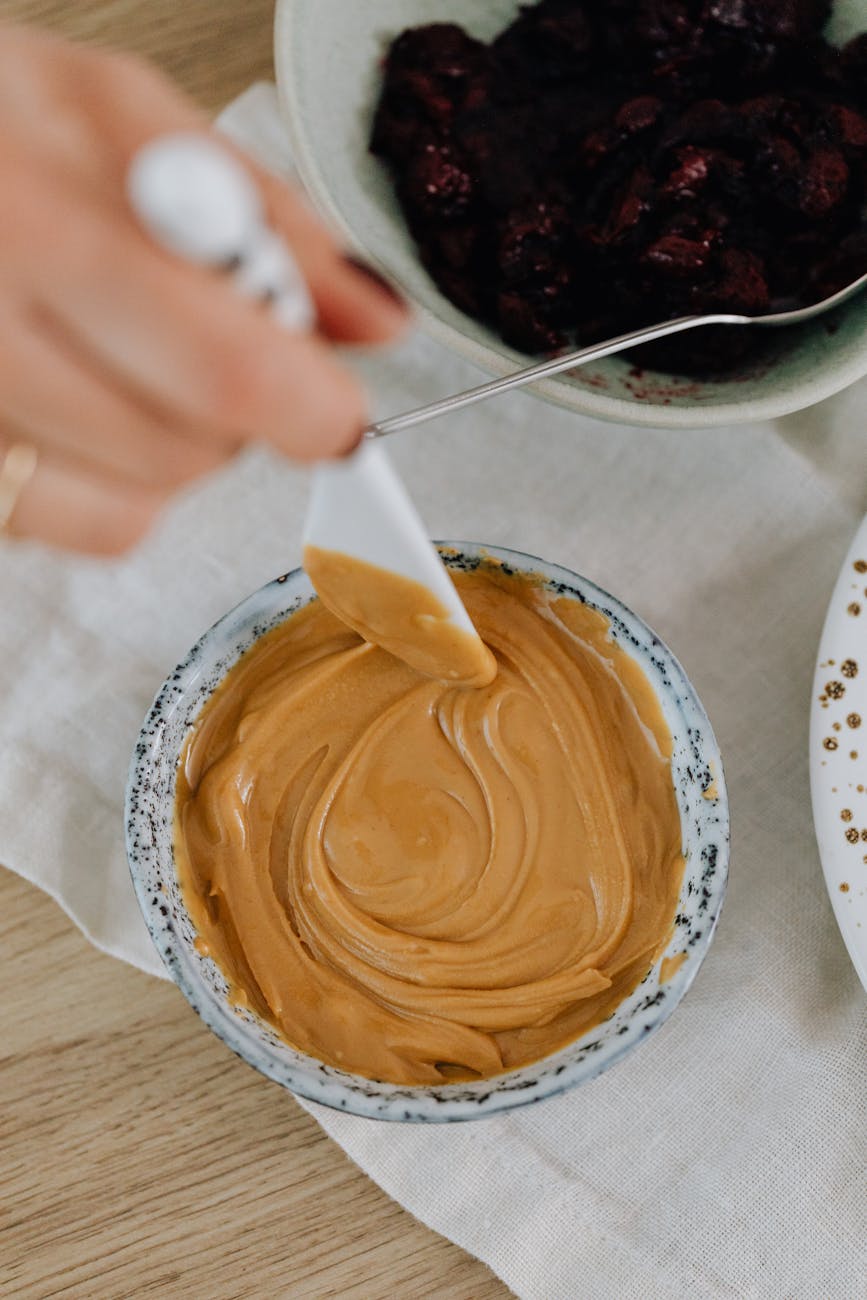
    So here I am, designing my new plant-based meal plan: buckwheat groats, tofu, tempeh, nut butter, soy milk, a stack of supplements, and protein powder. I’m ready to begin. But, of course, my inner worry machine kicks in:

    • What about my omnivore family? My tofu will feel like an accusation on their dinner table.
    • What about my friends and relatives? I’ll be dismissed as a moral buzzkill, banished to the Lonely Dungeon.
    • What about vacations? Hunting for vegan options in Miami or Oahu will turn relaxation into reconnaissance.
    • What about protein and Omega-3s? My muscles will wither, my brain will curdle, and I’ll be left a vegan husk.
    • What about cheating? What if, in a moment of weakness, I scrape a lemon-pepper shrimp into my mouth while clearing plates? Then I’ll hate myself, because I’ll have violated both my morals and my macros.

    And so the worrying goes. Yet maybe this is the point. Doing the right thing rarely comes gift-wrapped in comfort. It comes with sweat, tension, and plenty of struggle.

    My grandfather once told me when he was eighty and drowning in doctor visits: “Old age is not for cowards.” I’ll amend that. No age is for cowards. Living—really living—means confronting fears, fighting cowardice, and resisting the bondage of compulsive worrying. And if anyone has the secret sauce for escaping this mental hamster wheel, I’m all ears.

  • Confessions from Planet Soy: A Vegan’s Double Life

    Confessions from Planet Soy: A Vegan’s Double Life

    On your vegan planet—a lonely sphere orbiting light years away from your family’s meat-slicked universe—you begin the day with your ritual bowl: buckwheat groats buried under vegan protein powder, drowned in plain soy milk, jeweled with berries, peanuts, walnuts, and a dusting of cinnamon. To wash it down, you baptize your dark roast coffee with soy milk and stevia, a brew that tastes like contrition disguised as virtue.

    Next comes your supplement sacrament: creatine, magnesium, B-12, turmeric, algal oil omega-3. You don’t take pills—you swallow the illusion of control.

    After your workout, tofu takes center stage—sautéed over cucumbers, peppers, and arugula, slicked with balsamic, buried under nutritional yeast, Calabrian chili sauce, and herbs. Beans are optional, as though this carnival of legumes were still missing a clown. Alternatively, cube the tofu, simmer it in Thai peanut sauce, and pretend it’s indulgent.

    Post-nap comes the protein potion: more powder, more soy milk, leftover tofu blitzed in the blender, maybe apple slices draped in nut butter. You tell yourself this is food; your ancestors might call it penance.

    Dinner is a coin toss: tofu tacos loaded with vegetables, or the trusty oatmeal rerun—protein powder, berries, peanuts, soy milk. Meanwhile, across the table, your omnivorous family devours salmon, chicken, and spaghetti and meatballs. You watch the plates like contraband. Temptation comes later, as you clear dishes: a forkful of salmon swallowed in secret, or chicken “accidentally” folded into tomorrow’s tofu salad.

    And then? The halo slips. You tumble from vegan heaven into flexitarian purgatory, the dietary halfway house for frauds, traitors, and the morally spineless. Yet you persist. This new regimen gives you clarity, structure, and—against all reason—happiness. Whether that happiness is genuine or the first symptom of nutritional madness, we’ll investigate another day.

  • Letter of a Reluctant Vegan

    Letter of a Reluctant Vegan

    Dear Family and Friends,

    My conscience has dragged me, kicking and screaming, into veganism—at least in the realm of eating. I’m not claiming sainthood. There will still be leather on my belt and my chair, but food is the resource I consume daily until I croak, so food is where the battle line is drawn.

    Frankly, it feels absurd to have to write this letter. What am I supposed to do—show up at your barbecue with a thawed hockey puck of a veggie burger and no explanation? Consider this fair warning.

    I don’t pass judgment on those who can’t afford the luxury of organic lentils, nut butters, and vegan supplements. I judge only myself. I have the means. I have no excuse.

    For my Christian in-laws, who may brand this heresy, I’ll admit: Scripture says God gave us animals for food, and Jesus Himself ate fish. But tell me—do you really see Jesus slurping down a farm-factory tilapia raised in ammonia haze, or God green-lighting slaughterhouses where conveyor belts double as hell’s architecture? I don’t.

    Yes, animals in antiquity suffered in the kill, but the industrial scale today—the torture factories, the mass indifference to pain—requires a numbness of conscience that is staggering. Hunting is one thing. Outsourcing the deed to workers inhaling ammonia until their fingernails fall off is quite another.

    I can already hear the rebuttal: “Why fret over animals when humans suffer?” To which I reply: false dilemma. I can care about both. Just as I can walk and chew gum, I can oppose sweatshops and factory farms.

    Still, I know my silence won’t protect me. Even if I never lecture, my plate of tofu will speak volumes. My very behavior will look like an indictment. Mockery is inevitable.

    And sure, I could rationalize my way back. It would be easier to eat one family meal instead of making them salmon while I steam buckwheat groats. I could shrug and say, “The animals are doomed anyway, so I might as well enjoy them.” I could hide behind biology: “I’m an omnivore; meat is natural; animal protein is more bioavailable.” But to do this would be cowardice—a lazy suppression of conscience.

    I owe my family the best version of me, not the morally diminished one. So here I stand, vegan plate in hand. The road is awkward, lonely, and a little ridiculous, but it’s the road my conscience demands.