Category: Health and Fitness

  • The Wired Warrior: Football, Technology, and the Price of Glory: Is the Modern Athlete a Gladiator, a Lab Experiment, or Both? A College Writing Prompt

    The Wired Warrior: Football, Technology, and the Price of Glory: Is the Modern Athlete a Gladiator, a Lab Experiment, or Both? A College Writing Prompt

    Football is more than a game—it’s a national ritual built on sacrifice, spectacle, and, increasingly, moral controversy. As medical research continues to link tackle football to chronic traumatic encephalopathy (CTE), long-term disability, and early death, the sport faces growing scrutiny. Critics like Malcolm Gladwell, Kathleen Bachynski, and Steve Almond argue that football is an unethical institution that profits from the pain of young men—especially those from lower-income communities—who are treated more like commodities than people. Others defend football as a legitimate form of personal agency and cultural identity, where athletes like Ronnie Coleman and other elite performers knowingly risk their bodies for glory, pride, and a path to opportunity.

    At the same time, advances in technology—including smart helmets, biometric tracking, and AI-powered safety protocols—promise to make the game significantly safer. Some see these developments as the key to football’s survival, while others fear that a “watered-down” version of the sport would strip it of the danger, drama, and warrior ethos that fans crave.

    In a well-structured argumentative essay, respond to the following question:

    Should football be fundamentally reformed in response to CTE research and emerging safety technologies, or should it remain a high-risk sport built on personal choice, cultural tradition, and the pursuit of greatness?


    Your essay should:

    • Take a clear, defensible position on the central question.
    • Consider multiple perspectives, including ethical critiques, technological optimism, and the value of personal agency.
    • Engage with course materials such as Killer Inside, Evolution of the Black Quarterback, CTE case studies, and relevant authors (e.g., Gladwell, Almond, Bachynski).
    • Explore how reform could affect not only players and fans, but also the future cultural identity of the sport.

    Here is a 9-paragraph argumentative essay outline that follows the Toulmin structure, tailored specifically to your prompt on football, ethics, and technology:


    Title: Challenging the Football Status Quo: Risk, Reform, and the Future of the Game


    I. Introduction

    • Hook: Open with a vivid image of a high-stakes NFL game—stadium roaring, players colliding, the quarterback limping off the field.
    • Context: Briefly explain how football’s cultural dominance is being challenged by increasing awareness of CTE, exploitation, and emerging safety technologies.
    • Thesis (Claim): Football must be fundamentally reformed in response to CTE research and technological advances—not to destroy the sport, but to preserve its integrity, protect its players, and allow it to evolve ethically in a changing society.

    II. Background

    • Define CTE and its connection to tackle football.
    • Summarize how football traditionally valorizes physical sacrifice and risk.
    • Introduce the ethical controversy: entertainment vs. exploitation.

    III. Point 1 – The Moral Imperative to Reform

    • Warrant: If a system knowingly causes irreversible harm, society has a duty to intervene.
    • Evidence: Reference studies on CTE and examples of players suffering post-retirement (e.g., Junior Seau, Aaron Hernandez).
    • Tie-in: Reform isn’t a moral overreach—it’s damage control.

    IV. Point 2 – Technology Makes Reform Feasible

    • Claim: Smart helmets, AI-driven impact analysis, and biometric wearables can reduce injury without eliminating physicality.
    • Evidence: Cite current innovations and their projected benefits.
    • Warrant: Technological reform isn’t fantasy—it’s already happening.

    V. Point 3 – True Player Choice Requires Full Awareness

    • Claim: Arguing that players “know the risks” assumes informed consent—but many players start young and lack full knowledge of long-term effects.
    • Evidence: Use Bachynski’s critique of youth football and the financial coercion tied to poverty.
    • Warrant: Informed choice is only valid when other viable opportunities exist.

    VI. Counterargument – The Tradition of Risk is Central to the Game

    • Present the argument: Football, like MMA or bodybuilding, is about voluntary risk and personal glory.
    • Use Noah’s and Daniel’s perspectives from Bodenner’s essay to show how some players accept risk with pride.
    • Acknowledge the emotional weight of this argument.

    VII. Rebuttal – Spectacle Doesn’t Justify Preventable Harm

    • Response: Cultural tradition is not a moral defense; sports have evolved before.
    • Use comparisons: NASCAR added safety after deaths, boxing implemented concussion protocols.
    • Argue that reform can preserve the game’s intensity without making sacrifice its currency.

    VIII. Broader Implications

    • Claim: Reforming football could ripple outward—setting ethical standards for other sports and youth programs.
    • Connect to societal values: Is our entertainment worth the human cost?
    • Suggest that football can remain powerful and inspiring without being a bloodsport.

    IX. Conclusion

    • Reaffirm thesis: Reform is not the death of football—it’s the only path to preserving it responsibly.
    • Emphasize the dual benefit: safer players and a sport that aligns with evolving cultural ethics.
    • Leave readers with a final image: a new generation of players thriving in a game that challenges them without destroying them.
  • Brains for Glory: How Football Became the Lottery of the Left Behind

    Brains for Glory: How Football Became the Lottery of the Left Behind

    In Alana Semuels’ “The White Flight from Football,” we meet Shantavia Jackson, a single mother working the night shift at Home Depot. With three sons—ages 11, 12, and 14—she turns to youth football not just for recreation but as a form of structure, mentorship, and protection. Coaches become surrogate father figures, teaching discipline and teamwork. For her son Qway, who lives with a mental disorder, football provides a stabilizing force: a team that functions as his support system.

    For Shantavia, football isn’t just a sport—it’s an escape hatch. She can’t afford to send her sons to college, and she sees football as the only viable route out of a life circumscribed by poverty. It’s a desperate gamble, but in communities like hers, desperate gambles are often the only kind available.

    Against this backdrop, research continues to pile up showing that tackle football can cause severe and irreversible brain trauma. In response, many parents—particularly white and affluent—are pulling their children out of youth leagues. The ability to make that choice is, at its core, an expression of privilege. While white participation in youth football declines, Black participation remains disproportionately high: 44 percent of Black boys play tackle football, compared to just 29 percent of their white peers. This racial divide plays out on the national stage: today, Black athletes make up nearly half of all Division I college football players, up from 39 percent in 2000, while white athletes have dropped from 51 percent to 37 percent.

    The implication is grim: Black children are more likely to accept long-term risks because they have fewer short-term options. White children, cushioned by economic security and broader educational opportunities, can afford to walk away. The more the science reveals about the dangers of early head trauma, the more it becomes clear who is left holding the risk.

    And the science is damning. A 2017 Boston University study found that athletes who began playing tackle football before age 12 were twice as likely to develop behavioral problems and three times as likely to suffer from clinical depression. A separate study by Wake Forest University revealed that boys who played just one season of tackle football between the ages of 8 and 13 showed diminished brain function. The greatest fear is CTE—chronic traumatic encephalopathy—a degenerative brain disease caused by repeated hits to the head, not just concussions. Even subconcussive blows can cause lasting damage. In 2017, researchers examined the brains of 111 deceased NFL players. They found CTE in 110 of them.

    In response, some former players and medical experts now advocate delaying tackle football until high school, when bodies are more physically mature and kids are better able to understand and implement safe tackling techniques. But the sport is growing, not shrinking, and its profitability only reinforces the risk. At Texas A&M University, football generates $148 million a year. That revenue stream depends on a constant influx of young talent—often from families like Shantavia’s—eager for a scholarship and a shot at something better.

    The decision to play football, or not to, has become yet another expression of America’s racial wealth divide. As of 2021, the median wealth of white households was $250,400—about 9.2 times that of Black households, which stood at just $27,100. Though there have been modest gains in Black wealth, the gap remains vast. In 2022, the median wealth for Black households rose to $44,890—still far behind the $285,000 median for white households. This disparity isn’t merely numerical; it’s structural, baked into the opportunities people can or cannot access.

    In this context, football becomes less a sport and more a bloodletting ritual—one that disproportionately brutalizes the bodies of those with the fewest alternatives. For children growing up in neighborhoods with failing schools, limited healthcare, and short life expectancies, football isn’t just a game. It’s a high-stakes wager: risk your brain for a future, or settle for no future at all.

  • The Gorilla Pecs of Glory: Why We Watch Men Smash Each Other and Call It Civilization

    The Gorilla Pecs of Glory: Why We Watch Men Smash Each Other and Call It Civilization

    According to Jonathan Gottschall, author of The Professor in the Cage: Why Men Fight and Why We Like to Watch, football isn’t just sport—it’s ritualized combat. A tamed brawl. A socially sanctioned way to indulge our primal appetite for domination without devolving into street warfare. He calls it the monkey dance, a primitive ballet with rules, referees, and halftime shows. I prefer a less polite term: the gorilla pec slap—because that’s what it is. Chest-thumping, ego-flexing theater that feels a lot less like play and a lot more like primal pageantry.

    Gottschall’s thesis is blunt and unapologetic: we are wired for battle. From schoolyard scuffles to rap battles to cage fights, we seek structured conflict to test status, establish pecking orders, and avoid descending into outright anarchy. Whether it’s verbal warfare on stage or two linemen colliding at full speed, it’s all the same story: controlled aggression keeping the real chaos at bay.

    And the stakes, bizarrely, are moral. Gottschall suggests that these “battles with a code” serve a civilizing function: they allow men—yes, mostly men—to hash out dominance hierarchies without burning down the village. Ritualized violence, he argues, is less toxic than the alternative: unpredictable, unsanctioned brutality.

    This raises an uncomfortable truth about the function of sports: men need to know where they stand. The pecking order isn’t just some caveman relic—it’s a form of psychological infrastructure. Everyone knowing their “lane” may sound medieval, but Gottschall insists it’s what prevents society from devolving into a Mad Max sequel. And frankly, he might be right.

    Ritualized battle—be it on the field, the mat, or the mic—feeds something deeper than bloodlust. It gives us narrative. Stories of courage, humiliation, redemption, and collapse. We see ourselves in those stories. We crave them not just for the carnage but for what they reveal: who we are when the pressure spikes and the lights come on.

    Still, some social critics aren’t buying it. They see football and its violent cousins as nothing more than toxic masculinity wrapped in billion-dollar branding. To them, it’s hero cosplay for emotionally stunted men. But Gottschall flips that argument: suppressing these instincts doesn’t make us enlightened—it just makes us dishonest.

    That said, even if we accept that ritualized combat is hardwired and necessary, we’re still left with a lingering question: at what cost? The bodies pile up. The brains deteriorate. Athletes become avatars for our fantasies—and casualties of them, too. Their injuries are real, their careers often short, and their pain long. And yet the spectacle rolls on.

    Meanwhile, the sports industry—like any good dealer—knows how to keep us hooked. Betting apps ping our dopamine receptors, endless content fills our social feeds, and we’re suddenly refreshing stats at 2 a.m. like Wall Street analysts chasing fantasy league glory. What started as play becomes compulsion. Hero worship mutates into dependency. Sports betting morphs into moral rot.

    So where does that leave the thinking sports fan? Are we doomed to either overanalyze the game into oblivion or become wide-eyed addicts to its spectacle? Can we still enjoy a bone-rattling hit without silently calculating the CTE risk?

    There are no easy answers. But here’s the uncomfortable truth: sports are too good at what they do. They hijack our lizard brains, feed our tribal instincts, and offer us drama cleaner than politics, safer than war, and more thrilling than any sermon.

    And like those mythical gorillas slapping their chests in the mist, we’ll keep watching. Because beneath the helmets and highlight reels, we’re not just watching games—we’re watching ourselves. And that, more than anything, is the real addiction.

  • The Santa Claus of Donuts Must Die

    The Santa Claus of Donuts Must Die

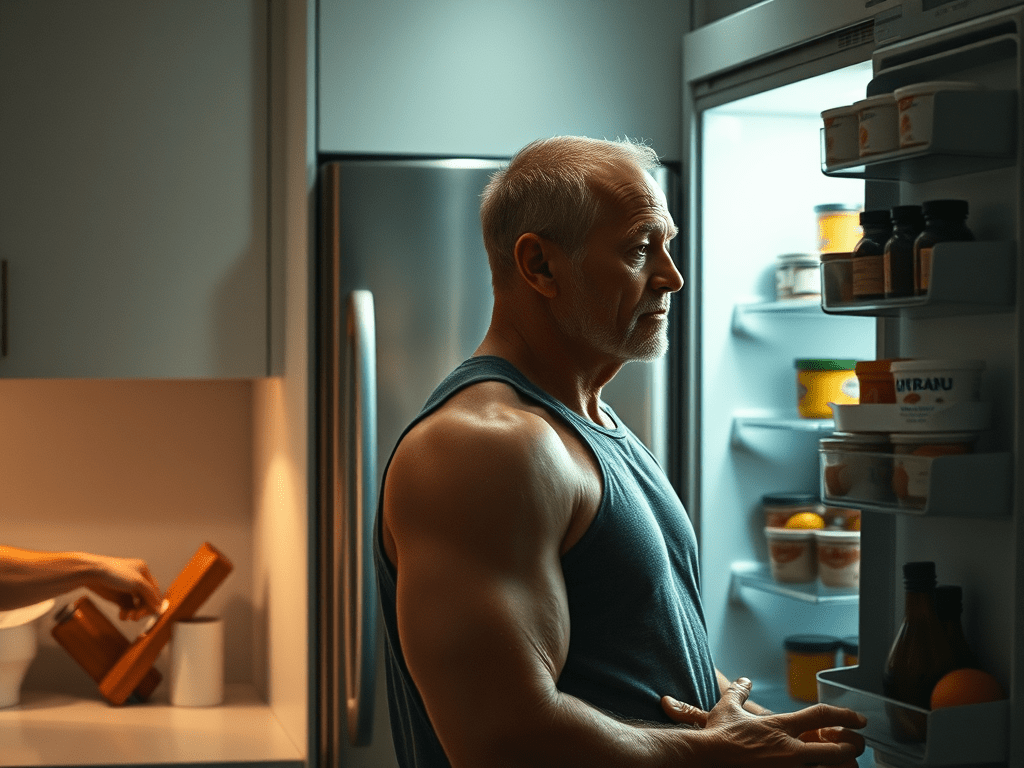
    Let’s start with the obvious: your family bonds over food because food is reliable. It doesn’t argue with you about politics, it doesn’t criticize your life choices, and it doesn’t ask to borrow your car. It just shows up, warm and sugary, like a friend who never judges. And when you show up holding that pink box of donuts? You’re not just a guy walking through the front door—you’re the Santa Claus of Donuts, bearing gifts that turn your living room into a dopamine theme park. Everyone lights up. You are loved. You are admired. You are a hero.

    Until the sugar crash hits and you’re lying on the couch wondering how a simple box of pastries turned into a hostile takeover of your waistline. Again.

    You, my friend, have what polite society calls an “addictive personality,” but let’s not sugarcoat it (pun intended). You go overboard like it’s your patriotic duty. One treat turns into three. One bite into a blackout. You need boundaries, not Pinterest recipes.

    So here’s your prescription. It’s boring, brutal, and blessedly effective:

    Breakfast: Plain Greek yogurt, a scoop of protein powder, flaxseeds, chia seeds, and a handful of berries. Also, coffee. Strong enough to slap you awake and maybe shake loose some of your delusions.

    Lunch: A salad—yes, a salad—with actual protein in it. Maybe chicken. Maybe tuna. Add a scoop of cottage cheese if you hate joy a little less that day. Have some fruit so you don’t hallucinate cookies.
    Dinner: Protein again. Vegetables. Herbal tea, like the sad monk you are becoming. Cap it off with an apple and the faint memory of dessert.
    Snack Defense Protocol: If you start prowling like a raccoon between lunch and dinner, shove a carrot in your mouth, sip some green tea, and crack open a diet root beer. It’s not a thrill, it’s a strategy.

    And let us not forget why you had to slam the snack door shut like it owed you money: snacks are traitors. They pretend to be innocent little diversions—just a handful here, a nibble there—but they’re silent assassins. Those calories accumulate like guilt after a Vegas weekend, slowly padding your frame while you’re busy telling yourself you’re “cutting back.”

    Now, let’s address the hard truth, as spoken by the philosopher-king of overweight comedians, Tom Segura: “You don’t lose weight until you hate your fatness more than you love food.” Yes, it’s harsh. But he’s not wrong.

    Still, let’s reframe it with a little less bile and a touch more clarity:
    You won’t change until you prefer discipline to chaos. Until your craving for stability outweighs your need for a dopamine hit. Until your love of self-respect outweighs your love of Cheez-Its.

    You don’t need another meal plan—you need a code. A way of eating that doesn’t just fill your stomach, but recalibrates your priorities. Food is not your therapist. Food is not your friend. Food is fuel. And you? You’re not Santa Claus anymore. You’re something better: a man in control of his appetite, his identity, and his damn life.

    Now go make that yogurt bowl like it’s a holy ritual and not a punishment. The rest will follow.

  • An Argument for Healthy Denial: A Self-Help Sermon for the Self-Indulgent

    An Argument for Healthy Denial: A Self-Help Sermon for the Self-Indulgent

    Let’s be honest. You’ve tried the soft-glow Instagram mantras and the overpriced journaling apps. You’ve danced with dopamine like a lab rat in a Vegas casino, chasing every ping, snack, scroll, and retail hit like it was divine revelation. And where has it gotten you? Nowhere worth photographing.

    So here’s your wake-up call, preacher-style, minus the tambourine: take care of your damn self. Not in that syrupy “self-care” way that means binge-watching prestige TV while mainlining DoorDash and calling it therapy. No, I mean the kind of care that involves discipline, boundaries, and strategic discomfort—also known as healthy denial.

    Phil Stutz is right: your relationship with your body, your soul, and the people around you depends on your ability to say “no” like your life depends on it—because it does. Not “no” out of self-loathing or ascetic performance art, but “no” because you actually give a damn about the human being you’re becoming.

    You don’t skip the donut because you hate yourself. You skip it because you respect yourself enough not to let your biology, your boredom, or your bastardized idea of “treat culture” run your life. You are not a French bulldog in a baby stroller. You are a fully grown adult with responsibilities and, presumably, a spine.

    And no, this isn’t some narcissistic glow-up project. You’re not chiseling your abs to become a thirst trap or launching your “healing journey” vlog. This is not a TED Talk in the making. This is about getting better because the people who count on you deserve more than your bloated, distracted, half-baked self. Society doesn’t need another dopamine junkie sucking on algorithmic pacifiers while pretending to be “living their truth.”

    Yes, some will tell you denial is toxic, puritanical, even abusive. These are the same people who believe “treating yourself” five times a day is a human right. But let’s get something straight: healthy denial is not self-hatred—it’s self-respect with a steel backbone. You deny yourself garbage because you’re aiming for gold. You crave meaning, not just muffins. You want to die with fewer regrets, not a legacy of half-eaten potato chips and unread terms of service.

    So here’s what you’re going to do.
    You will stop snacking. Period.
    You will stop scrolling like a brainless peasant begging for dopamine crumbs from tech oligarchs.
    You will stop curating materialistic trinkets—yes, even the “limited edition” timepieces—and broadcasting your conspicuous consumption like a status-starved magpie.

    Instead, you will create.

    You will write.
    You will make music.
    You will work out with the devotion of a monk in a burning temple.
    You will show up for your family like it matters—because it does.
    And you will treat your time on this spinning sphere not as an entitlement but as the limited-edition miracle it is.

    This is not about being better than others. This is about being better for others. And if that sounds corny to you, maybe you’ve been swimming in irony so long you’ve forgotten what sincerity feels like.

    Here’s your new gospel: eat clean, think clearly, serve humbly, and waste nothing—not even time.

    Now get to it. The clock is ticking, and you’re not getting any younger.

  • The Boba-Loaded Lie: How Big Soda Got a Makeover

    The Boba-Loaded Lie: How Big Soda Got a Makeover

    Magical thinking is the bedazzled duct tape we slap onto reality to avoid facing the truth. It lets us take something objectively terrible—like a 20-ounce bottle of fizzy corn syrup—and slap on enough gloss, hashtags, and buzzwords to make it seem like an act of wellness. It’s how you turn poison into a product. And that, in essence, is what Ellen Cushing unpacks in her incisive Atlantic piece, The Drink Americans Can’t Quit.”

    Once upon a time, Big Soda was king—until the internet’s favorite shirtless gym bros decided that guzzling sugar water was about as cool as smoking indoors. Sodas became the new Marlboros: once iconic, now socially repellent. But like any villain in a rebooted franchise, soda didn’t die. It got a makeover. Now it struts back into our lives wearing a new name tag: energy drink, boba tea, cold brew, mushroom latte, functional hydration. Same blood sugar spike, new marketing copy.

    Cushing doesn’t just document this cynical rebranding—she vivisects it. The modern “status beverage” has evolved into a Trojan horse of marketing genius: wrapped in virtue-signaling wellness language, dressed in neutral tones and matte cans, and fortified with meaningless additions like adaptogens, B vitamins, or vaguely defined “nootropics.” These drinks promise energy, clarity, even spiritual alignment—because what better way to mask liquid candy than by suggesting it unlocks your third eye?

    But the rot remains. These drinks are still what Cushing calls “a remarkably unhealthy, nutritionally inessential product that costs pennies to make”—only now, they’re draped in the aesthetic of self-care. We’ve replaced high-fructose corn syrup with high-gloss delusion. It’s not soda, you see—it’s a wellness ritual. A personality in a can. A lifestyle choice with a QR code.

    And it works because the industry knows exactly who we are: vanity-ridden optimists with just enough disposable income and just little enough critical thinking to fall for it again. We don’t want hydration; we want a vibe. Something that fits in our hand, photographs well on Instagram, and makes us feel like we’re doing something good for ourselves—while doing the exact opposite.

    Cushing’s essay left me seething, in the best way. Because once you see the scam, you can’t unsee it. I don’t care if your can is minimalist, if your label says “plant-based,” or if Gwyneth Paltrow herself handed it to me with a smug nod. If it’s just soda in yoga pants, I’m out.

    So no, I won’t be purchasing a $5 can of turmeric-infused, adaptogen-enhanced, crystal-charged carbonated nonsense. Because once I understand the con, drinking it would feel like punching my own dignity in the face. I’d rather hydrate the old-fashioned way—with water and a shred of self-respect.

  • 3 College Writing Prompts: Willpower Is Not a Weight-Loss Strategy: Rewriting the Narrative of Obesity in an Age of Ozempic

    3 College Writing Prompts: Willpower Is Not a Weight-Loss Strategy: Rewriting the Narrative of Obesity in an Age of Ozempic

    Essay Prompt:

    In contemporary culture, weight loss is often framed as a matter of individual discipline: eat less, move more, stay motivated. This narrative, reinforced by diet culture, media messaging, and public health campaigns, reduces a complex biopsychosocial phenomenon into a moral test of willpower. But what if this view is not only incomplete, but damaging?

    This essay invites you to critically analyze the myth of weight loss as a simple formula of personal responsibility, using the following readings:

    • Rebecca Johns, “A Diet Writer’s Regrets”
    • Johann Hari, “A Year on Ozempic Taught Me We’re Thinking About Obesity All Wrong”
    • Harriet Brown, “The Weight of the Evidence”
    • Sandra Aamodt, “Why You Can’t Lose Weight on a Diet”

    Drawing on these texts, write a 1,700-word argumentative essay that explores the deeper systemic, biological, and psychological forces that influence body weight. In your analysis, define what is meant by diet culture, obesity stigma, metabolic adaptation, and the illusion of control. Consider how economic privilege, the Industrial Food Complex, and the Diabetes-Management Complex affect who gets access to treatment and who gets blamed for their bodies.

    Reflect on the question: Is obesity the result of failed individual discipline—or a condition shaped by biology, capitalism, and inequality? And what are the ethical and political consequences of continuing to frame weight as a personal failing?


    Key Themes and Concepts to Define in Essay:

    • Diet culture: The belief system that prioritizes thinness as a moral virtue and equates weight loss with health and worth.
    • Obesity stigma: The systemic dehumanization, bias, and blame placed on people in larger bodies.
    • Metabolic adaptation: The body’s physiological resistance to weight loss, often leading to weight regain.
    • Ozempic and GLP-1 drugs: Medications that challenge traditional weight-loss advice by offering pharmacological interventions, often accessible only to the wealthy.
    • Industrial Food Complex: The economic system that prioritizes hyper-palatable, processed foods for profit.
    • Diabetes-Management Complex: The medical-industrial apparatus that profits from managing obesity-related conditions without addressing root causes.

    10-Paragraph Essay Outline


    Paragraph 1 – Introduction

    • Begin with a personal or cultural anecdote about dieting, body shame, or the weight-loss industry.
    • State the prevailing myth: that weight loss is just about willpower, calories, and exercise.
    • Introduce the core idea: this myth obscures structural, biological, and psychological realities.
    • End with a strong thesis: The cultural obsession with personal discipline in weight loss not only ignores science but perpetuates economic injustice, medical misinformation, and moral shame.

    Paragraph 2 – The Myth of Personal Responsibility

    • Explore how diet culture frames obesity as a personal failure.
    • Use Johns and Brown to show how this narrative is reinforced by health media and public policy.
    • Define diet culture and obesity stigma as forms of social control.

    Paragraph 3 – The Science of Weight and Metabolism

    • Explain Aamodt’s key argument: the body defends a weight range through metabolic adaptation.
    • Introduce the concept of the set point and how dieting can backfire physiologically.
    • Emphasize the biological limits of “discipline” in long-term weight maintenance.

    Paragraph 4 – Ozempic and the Medical Disruption of Diet Culture

    • Analyze Hari’s experience with Ozempic as a reframing of what obesity is and isn’t.
    • Explain how drugs like Ozempic challenge the calorie-math logic of diet culture.
    • Raise the question: if a drug changes appetite, was willpower ever the issue?

    Paragraph 5 – Economic Access and the Ozempic Divide

    • Examine the cost of GLP-1 drugs and the class-based disparity in access.
    • Discuss how the rich can “solve” obesity pharmacologically while others are blamed.
    • Introduce the concept of the Diabetes-Management Complex and its profit motives.

    Paragraph 6 – The Industrial Food Complex and Engineered Cravings

    • Analyze the food industry’s role in promoting addictive, ultra-processed foods.
    • Use Brown and outside data (optional) to show how working-class communities are targeted by fast food and soda industries.
    • Connect this to systemic inequality: people are set up to fail and then blamed for it.

    Paragraph 7 – Psychological Toll and the Shame Cycle

    • Highlight the emotional and mental health damage caused by diet failure and stigma.
    • Reference Johns and Aamodt: shame is not a motivator—it’s a trap.
    • Argue that repeated dieting often leads to worse health outcomes, not better ones.

    Paragraph 8 – Counterargument: Isn’t Some Responsibility Necessary?

    • Acknowledge the argument that individuals do make choices about food and movement.
    • Rebut by showing how choice is constrained by biology, environment, and marketing.
    • Emphasize that awareness and access—not shame—should guide public health.

    Paragraph 9 – Reframing Obesity: Toward Compassionate Policy and Practice

    • Suggest new narratives: body neutrality, medical compassion, anti-poverty approaches.
    • Point to Hari’s conclusion: we must rethink how we talk about food, body, and health.
    • Argue for policies that regulate Big Food and expand access to affordable treatment—not just lectures on willpower.

    Paragraph 10 – Conclusion

    • Reaffirm thesis: The weight-loss myth isn’t just scientifically flawed—it’s morally dangerous.
    • Remind the reader that bodies are not math problems to be solved.
    • End with a call to change the story: from blame to understanding, from shame to structural justice.

    Three Sample Thesis Statements


    Thesis 1:
    Despite decades of public health messaging urging personal responsibility, evidence from metabolic science and socioeconomic analysis shows that weight loss is rarely a matter of willpower; rather, it is shaped by systemic inequalities, industrial food marketing, and biological resistance that diet culture refuses to acknowledge.


    Thesis 2:
    Ozempic has exposed the hollowness of traditional dieting advice by proving that appetite, metabolism, and weight are governed by mechanisms beyond discipline—forcing us to rethink obesity not as moral failure, but as a condition entangled in capitalism, privilege, and biology.


    Thesis 3:
    While self-discipline plays a role in shaping health behaviors, framing obesity as a personal choice erases the complex realities faced by those in larger bodies—and perpetuates a culture that profits from their shame while denying them access to real solutions.

    Prompt Variation #1:

    Title:

    Ozempic Nation: Rethinking Health, Shame, and the New Politics of Body Control

    Prompt:

    In recent years, the rise of weight-loss drugs like Ozempic has disrupted the cultural script about how people should lose weight. For decades, Americans were taught that health was a product of self-control, calorie-counting, and personal virtue. Now, pharmaceutical interventions are reframing obesity not as a failure of discipline, but as a medical condition treatable through science—at least, for those who can afford it.

    In a 1,700-word argumentative essay, use the following sources to explore the tension between medical innovation and cultural shame in the weight-loss conversation:

    • Rebecca Johns, “A Diet Writer’s Regrets”
    • Johann Hari, “A Year on Ozempic Taught Me We’re Thinking About Obesity All Wrong”
    • Harriet Brown, “The Weight of the Evidence”
    • Sandra Aamodt, “Why You Can’t Lose Weight on a Diet”

    Your essay should analyze the shifting meanings of health, body control, and legitimacy in the age of Ozempic. What happens when pharmaceutical shortcuts challenge decades of moral messaging around food and fitness? Who benefits from this shift—and who is still left behind?

    Define and explore key concepts such as obesity stigma, the illusion of dietary control, medical privilege, and the cultural performance of health. Consider how these sources challenge or reinforce the idea that technology can “fix” what social systems continue to break.


    Sample Thesis Statements:

    Thesis 1:
    Ozempic reveals the deep contradictions at the heart of American health culture: while it promises to liberate people from shame and failed diets, it reinforces an unequal system in which the wealthy gain slimness without stigma while the poor remain trapped in cycles of blame and exclusion.

    Thesis 2:
    The pharmaceutical rebranding of obesity as a treatable disease may signal progress, but it risks medicalizing a problem rooted in inequality and cultural cruelty—shifting the solution from public reform to private access.

    Thesis 3:
    Even as Ozempic offers a scientific disruption of diet culture, the surrounding narrative still clings to old myths of self-control, body optimization, and moral value, showing that shame is more durable than even the most effective drug.


    Prompt Variation #2:

    Title:

    The Hunger Trap: How Diet Culture Profits from Our Failure

    Prompt:

    For decades, diet culture has promised transformation through willpower: thinner bodies, better health, and a more valuable self. Yet mounting evidence suggests that these promises are not only false but economically and biologically rigged to ensure failure.

    Using the following texts, write a 1,700-word argumentative essay examining how diet culture operates as an economic and psychological trap:

    • Rebecca Johns, “A Diet Writer’s Regrets”
    • Johann Hari, “A Year on Ozempic Taught Me We’re Thinking About Obesity All Wrong”
    • Harriet Brown, “The Weight of the Evidence”
    • Sandra Aamodt, “Why You Can’t Lose Weight on a Diet”

    Your task is to explore how the weight-loss industry—and the broader systems of food production, health marketing, and cultural control—profits from the manufactured failure of diets. Analyze how this industry shapes individual psychology while diverting attention from systemic issues such as poverty, food engineering, and medical access.

    Define key terms such as the weight-loss industrial complex, metabolic resistance, social shame as behavioral control, and the commodification of insecurity. Ask: who profits when we hate our bodies, and what changes when we stop believing weight loss is the solution?


    Sample Thesis Statements:

    Thesis 1:
    Diet culture functions less as a roadmap to health than as a profit engine fueled by failure, shame, and false hope—ensuring that the more we try to lose weight, the more the system wins.

    Thesis 2:
    The illusion of dietary control is not a harmless myth but a profitable one, carefully engineered by the Industrial Food Complex and the diet industry to keep consumers trapped in a cycle of craving, guilt, and spending.

    Thesis 3:
    By exposing how diets are designed to fail and shame is weaponized for profit, these texts argue that weight loss is not a health goal—it is an industry built on emotional extraction and economic exploitation.

  • Punchlines and Prenups: Why Comedians Make Surprisingly Solid Spouses

    Punchlines and Prenups: Why Comedians Make Surprisingly Solid Spouses

    In her essay “What Comedians Know About Staying Married,” Olga Khazan throws us a curveball: stand-up comics, those neurotic jesters fueled by dysfunction and oversharing, somehow have enviably strong marriages. Yes, the very people whose livelihoods depend on broadcasting their most humiliating personal stories to drunken strangers in dark clubs have—brace yourself—functional, long-lasting relationships.

    This sounds like the premise of a dark joke: A comedian walks into a marriage… and it actually works out?

    Khazan rattles off an eyebrow-raising list: Bert Kreischer (who once famously performed shirtless while talking about binge-drinking with Russian mobsters), Jerry Seinfeld, Jon Stewart, Tina Fey, Conan O’Brien, Adam Sandler, Ellen DeGeneres, Stephen Colbert, Tom Papa, Jim Gaffigan, and Nate Bargatze. Not exactly a group of low-key, emotionally regulated nine-to-fivers. And yet, many of them are married to the same person they were with when they were broke, bombing open mics, and sleeping on stained futons.

    So what’s the secret sauce—besides not cheating with the club manager or moving to L.A. for “more stage time” and never calling home again?

    According to Khazan, it’s that these comics are astute students of human nature. Their job is to analyze and exaggerate the absurdities of life, especially their own. They live in a constant loop of self-examination and observational sharpness, and when that lens is turned inward—not just for laughs, but for emotional insight—it becomes a tool for longevity. In other words, they have weaponized their neuroses for good.

    By that logic, therapists, philosophers, professors, and other caffeine-dependent, overthinking professionals should also have excellent marriage stats. (Spoiler: they don’t.) So the real takeaway isn’t that comedy makes you marriage material, but that a reflective worldview and the ability to call yourself on your own crap might.

    Still, Khazan digs deeper and finds another ingredient: collaboration. These comic couples are often not just married; they’re co-creators. Podcasts, YouTube channels, touring schedules, editing sessions—they’re not just paying the bills together, they’re building something. It’s the opposite of what she calls “mutual stagnation,” that slow marital death by couch, where both parties rot in front of The Great British Bake-Off, silently aging into human-shaped throw pillows.

    I had a flashback reading that: Estes Park, Colorado, 2002. I was the best man at my friend’s wedding. As I helped the priest unload a boxy camcorder from his Volkswagen Beetle, he said, “My brother’s getting divorced. No affair, no drama. They just didn’t grow.” That phrase haunted me. They just didn’t grow. They watched TV every night until they turned into living wallpaper.

    In contrast, the comic couples Khazan describes are building together, or at least sharing war stories from the front lines of the road. They’re not roommates with mutual dental insurance—they’re comrades. And while the rest of us are debating whether to splurge on Disney+ Premium, they’re debating how far they can push a bit about their sex life without getting served divorce papers.

    Khazan points out that this delicate dance—what to say on stage about your spouse and what to leave in the vault—requires real communication. These couples talk about boundaries. They negotiate what’s sacred and what’s fair game. That kind of honesty may not always be funny, but it’s the opposite of resentment.

    And the road? Turns out, time apart isn’t marital poison. It’s oxygen. When one half of the couple is in Omaha doing five shows in three nights, they’re not growing sick of each other’s chewing or laundry pile. They’re getting some much-needed space. Absence makes the heart grow fonder—and also less likely to stab someone for breathing too loudly.

    But ultimately, the golden ticket, according to Khazan, is metacognition: the ability to think about how you’re thinking. It’s that moment where you pause mid-freakout and realize, “Oh. I’m spiraling like a lunatic. Maybe I should stop yelling about the dishwasher and step outside.”

    It reminded me of a moment in my own marriage two decades ago. My wife and I were in the thick of some knock-down-drag-out verbal joust over—well, I have no idea. Whatever it was, we were spiraling fast. But then, mid-argument, I had an out-of-body experience. I hovered above the room like a judgmental ceiling fan and watched myself—a grown man—losing his mind over who knows what. In that moment of clarity, I clutched my stomach, declared I had “intestinal distress,” and locked myself in the bathroom for 45 minutes. Crisis averted. Marriage preserved. Thank you, metacognition.

    So maybe that’s the real lesson. You don’t need to be a comedian to make your marriage work. But it helps to be someone who’s spent a lifetime poking around in the attic of your psyche, who can recognize your own absurdity in real time, and who knows when to quit the bit and retreat to the bathroom before you say something irreversible.

    Marriage isn’t a punchline. But if you’re lucky, it’s a running joke you both keep writing together.

  • Meat, Morals, and the Myth of the “Faketarian”

    Meat, Morals, and the Myth of the “Faketarian”

    In Yasmin Tayag’s Atlantic essay, “America Is Done Pretending About Meat,” she slices through the tofu-thin veneer of plant-based hype with surgical clarity. Her subtitle—“Plant-based has lost its appeal”—isn’t just a culinary observation; it’s a cultural postmortem. In today’s ideological food fight, meat isn’t just food. It’s masculinity on a plate, red-state swagger served rare. Meanwhile, the plant-based lifestyle—once the darling of climate warriors and West Coast yoga instructors—now reeks of smugness and crumbling coastal elitism.

    Pre-pandemic, faux meat had its moment. Impossible Burgers sizzled their way into fast food joints, and Beyond Meat strutted onto grocery shelves like it was about to win a Nobel Prize in moral superiority. But somewhere between mask mandates and mutual loathing, America got bored with pretending its black bean patty was filet mignon. Political tribalism hardened, and nothing says “I vote red” like a slab of charred ribeye.

    Beyond the performative virtue signaling, there’s a more primal truth: meat is delicious. Our conscience may wag its finger over climate guilt and industrial cruelty, but our mouths water for seared fat and sizzle. And let’s be honest—those plant-based patties? Nutritional Trojan horses. They’re packed with sodium, industrial oils, and the kind of pea protein that leaves you hungry two hours later. A real burger satisfies. A fake one is cosplay.

    Tayag throws another burger on the grill: half of all self-proclaimed vegans and vegetarians are liars—“faketarians,” as my cousin calls them—quietly munching chicken wings when no one’s looking. The moral high ground is slippery when coated in barbecue sauce.

    Personally, my culinary choices are less about ethics and more about domestic diplomacy. My wife and daughters are carnivores, and I’m not about to start a civil war over tempeh. Sure, I dabble in lentils and drizzle tahini on roasted vegetables, but I still rely on Greek yogurt and whey protein to keep my muscles from filing a grievance.

    So yes, I lean plant-based, but only enough to stay credible in a Whole Foods aisle—not enough to trigger a household mutiny. Call it “functional tribalism.” Call it “married life.” Just don’t call it vegan.

  • Fear, Fat, and the Fickle Gods of Appetite: A Diet Writer’s Tale

    Fear, Fat, and the Fickle Gods of Appetite: A Diet Writer’s Tale

    Rebecca Johns spent decades whispering sweet, slimming nothings into the ears of women’s magazine readers—low-fat gospel by day, seductive chocolate cake recipes by night. In her Atlantic essay, “A Diet Writer’s Regrets,” she confesses the irony that while readers gobbled up her diet advice like SnackWell’s cookies, she was losing the battle against her own body. At twenty-three, fresh out of college and desperate to shrink her waistline, Johns eagerly volunteered for the magazine’s diet beat. She got the gig—and with it, a front-row seat to her own unraveling.

    As her writing career expanded, so did she. The more she advised others on portion control, the more food tightened its psychological grip on her. She became the oracle of thinness while secretly bingeing and self-loathing. And her audience? They were just as eager to read about lemon-water detoxes as they were molten lava cakes for their next dinner party. The entire racket, she realized, was built on contradiction and fantasy.

    By 2017, she weighed 298 pounds, with a BMI in “Call the doctor” territory. She had tried every acronym on the dieting menu—WW, keto, IF, CICO—but none of them stuck. Then, like a miracle in an injector pen, came Mounjaro. Prescribed in 2023, this GLP-1 wonder drug rewired her hunger like a tech support call for the brain. No more food noise. No more gnawing obsession. Eighty pounds evaporated. At last, she became the kind of person she had written about for thirty years but never met—herself, only thinner.

    But here’s the twist: now that she’s tasted liberation, she’s terrified. Insurance may soon ghost her, and Mounjaro, priced like a luxury car lease, will slip from reach. She knows too much to let herself go back, and not enough to know how to stay the course without her miracle molecule. The horror? She might have to white-knuckle her way through celery sticks and willpower.

    Johns doesn’t mince words when she calls body acceptance a euphemism for surrender. “If skinny were truly optional,” she writes, “we’d all choose it.” And she’s not wrong. If college is driven by fear of poverty, maybe dieting is driven by fear of dying too soon—or worse, returning to a body you fought so hard to escape.

    If fear gets the job done, Johns suggests, then let it. After all, if love won’t keep you away from the donuts, maybe dread will.