Tag: food

  • The Gospel of Broccoli

    The Gospel of Broccoli

    For the last two decades, I’ve gorged myself on a certain genre of book: part self-help, part pop psychology, part personal confession, and part armchair sociology. They’re all cut from the same cloth. Sometimes the title is blunt and monosyllabic—Grit, Flow, Blink. The kind of title that slaps you with FOMO and whispers: you’re missing out on the one great discovery of our age.

    The author inevitably casts themselves as an intellectual Indiana Jones, unearthing some dark corner of human frailty—our laziness, our compulsions, our doomscrolling brains—and holding it aloft like a cursed artifact. But don’t worry: they’ll swap your vice for a virtue. Where once was sloth, you’ll now install grit. Replace despair with tenacity, chaos with routine, cowardice with courage. Each quality is presented as if it were a rare mineral dug from the Earth’s molten core, not something your grandmother muttered at you over meatloaf.

    I’ll grant them this: these books are smooth. The anecdotes are lively, the arguments persuasive, the storytelling slick enough to convince you that eating your vegetables is an act of revolution. And yet—I wince. These books are built on a template so predictable you can spot the seams. They’re self-help in disguise, draped in academic robes to save the reader the shame of browsing the “Inspiration” aisle.

    Their authors remind me of medieval minstrels and troubadours, wandering into our living rooms and cubicles to hose down our cobwebbed souls with disinfectant. They don’t strum lutes anymore—they host podcasts, deliver TED Talks, and keynote conferences. We line up for their sermons because they make us feel clean. They are the secular priests of our age, baptizing us in chapter-length homilies and promising to purge our modern sins.

    The journey they lead us on is as predictable as a Disney ride: first the dark woods of dysfunction, then the bright meadows of redemption. The simplicity borders on smugness, and yet—I still buy the ticket. Why? Because sometimes I need to be scolded into eating my broccoli. These books are broccoli dressed up in filet mignon plating: familiar, obvious, slightly sanctimonious, but undeniably good for me in small, bitter doses.

  • The Terrarium of the Gods

    The Terrarium of the Gods

    Last night I dreamed I was prowling for beachfront property in the dead of night when I stumbled upon a terrarium the size of several football fields—an absurd, glass-walled Eden under artificial light. Some plots were shameless cons, swindler specials dressed up with tacky lawn ornaments and fake palm trees. Others, however, had loamy, dark soil that practically hummed with fertility. Over the PA system, an NPR announcer’s warm, soporific voice guided prospective dreamers like me, pointing out which plots were worth my attention.

    I claimed a plot perfect for herbs, tomatoes, and peaches, imagining future harvests under this climate-controlled dome. Then I set off to find my family, who were dining on the rooftop of a nearby hotel, high above the night and the surf. When I arrived, they were lit with merriment, clinking glasses with friends, laughter rolling across the table like a tide.

    Leo, a family friend with the generosity of a man who’s just inherited a brewery, pressed a frosty glass stein of amber beer into my hand. I’m not much of a beer drinker, but curiosity won, and I took a long pull. It was cold, crisp, and shockingly delicious—like a liquid reprieve from all earthly woes. Before I could savor the moment, a teenage boy with only the flimsiest link to Leo snatched the stein from my hand and drained it with feral efficiency. I seethed but swallowed my annoyance.

    Leo, undeterred, promised reinforcements: more beer, plus sandwiches from “the downstairs stash.” He led me to a cold-storage room the size of a cathedral. Inside, shelves groaned under the weight of sandwiches—no ordinary deli fare, but hand-crafted masterpieces assembled by World Series legends of the 1970s. Every sandwich bore a tag in looping script: Dave Winfield. Reggie Jackson. Willie Stargell. Dave Parker. Jim “Catfish” Hunter. Preserved by refrigeration so perfect, the bread seemed freshly baked, the lettuce still crisp, as though the ballplayers had just stepped away from the cutting board.

    We loaded up on sandwiches and pitchers, returned to the rooftop, and feasted under the city lights. The beer was endless, the view intoxicating. For a fleeting moment, I felt like I had not only bought the best plot in the terrarium but inherited the whole ridiculous world.

  • Will Optimization Kill the Joy of Mechanical Watches?

    Will Optimization Kill the Joy of Mechanical Watches?

    Sometimes I wonder how technology might assassinate my love for timepieces. Picture this: a $200 spool of 3-D printer feedstock spits out your $10,000 grail watch. Eight years later, when the mechanical movement needs servicing, you don’t take it to a watchmaker—you print another.

    If watch-printing is as easy as making pancakes, I’d have thousands. Would I be happy? No. I’d be the spoiled rich kid sulking in his palatial bedroom because Mom and Dad bought him every toy but a bazooka.

    “Son, I bought you everything.”
    “But I want a bazooka.”
    “They’re illegal.”
    “I don’t care!”

    When everything is instant, the “holy grail” becomes an inside joke. The magic dies in the flood of abundance. Just ask the diamond industry. Lab-grown stones are flawless, cheap, and undetectable to the human eye—obliterating the romance of bankrupting yourself for an engagement ring. Watches could be next.

    And that’s just one front. On another, tech billionaires are funding biohackers to keep us ticking for 900 years. If I’m going to live to 85, time feels urgent. If I’m going to live to 900, time is a leisurely brunch. Chronological time starts to matter less than biological time—the wear and tear written in my cells.

    In that world, your Rolex Submariner won’t tell you what matters. Your doctor-prescribed smartwatch will, tracking cardiovascular vitality, antioxidant levels, and the sorry truth of your lifestyle choices. Refuse to wear it, and your insurance premiums explode tenfold or you’re cut off entirely. Privacy? Gone. Your vitals are known to your insurer, employer, spouse, dating app matches, and the guy at your gym checking your actuarial risk.

    When the mechanical watch dies, so does your privacy. And somewhere, Dale Gribble from King of the Hill is finding the conspiracy angle.

    Give it five years. Our “watch collector meet-up” will look more like group therapy for mechanical-watch dinosaurs funding their therapists instead of their ADs. But fear not—obsession never dies, it just changes costume. Post-watch, your new drug will be optimization.

    You’ll strap on your OnePlus Watch 3, buy a $2,600 CAROL resistance bike, and simulate being chased by a saber-toothed tiger because “hormesis”—that holy word—demands mild ordeals to make you live forever. Resistance intervals, intermittent fasting, cold plunges. Goodbye winding bezels; hello gamified cell stress.

    Our poster boy? Bryan Johnson—the billionaire fasting himself pale, zapping his groin nightly to maintain the virility of a high school quarterback. Critics say he looks like a vampire who’s just failed a blood test. I say he’s the future. Picture him at 200, marrying a 20-year-old and siring a brood. Male Potency and Reproductive Success: the distilled recipe for happiness.

    Except I’m kidding. The truth: peer-reviewed science says we might beat the big killers before 90—heart disease, cancer, stroke, Alzheimer’s—but the biological ceiling is still ~100. Eventually your organs quit. All the optimization in the world won’t rewrite that.

    As a watch obsessive, I know the tyranny of time. The biohackers are fixated on biological time as if it’s the only kind that matters. But the Greeks knew a third: kairos—the moment saturated with meaning, purpose, connection. All the Bryan Johnsons in the world can’t 3-D print that.

    Live 200 years without kairos and you’re not a winner; you’re a remake of Citizen Kane with a garage full of exotic cars and no friends.

    A long time ago, a friend told me about the night cocaine hollowed him out so completely that he didn’t care his best friend was kissing his girlfriend. Then a voice in his head said, “Dude, you should care.” He went to rehab the next day. That’s soul work.

    And that’s what’s missing from the longevity cult: soul work. Without it, all the tech, watches, and optimized mitochondria in the world are just a shiny grift.

  • The French Toast Zone and Other Dangerous Places

    The French Toast Zone and Other Dangerous Places

    Recently, I watched the new King of the Hill, where the gang has aged into the gentle patina of later life. In one scene, Hank, Peggy, and Bobby are seated at the kitchen table, devouring what looked like French toast or chocolate chip pancakes—something golden, sweet, and unapologetically bad for you. It was an ordinary family breakfast, the kind you imagine smelling from three houses away. Watching it felt like slipping into a warm bath of contentment. These were normal people, enjoying themselves, at ease in the sacred space I call the French Toast Zone.

    The French Toast Zone is the place where life is easy, breakfast is decadent, and you’re at peace with your waistline, your arteries, and your eventual mortality. But step into the biomarker minefield—calories counted, protein ratios calibrated, insulin spikes plotted like military campaigns—and you’re in the Restriction Zone. The mood shifts. Every bite is an act of negotiation with your cholesterol, your bathroom scale, and the grim actuarial math of your lifespan.

    Real life, of course, is not an all-inclusive stay in either zone. Most of us shuttle back and forth—half saint, half sinner—forever bargaining between the delights of German chocolate cake and the promise of three extra years of foggy-eyed longevity. Too much denial, and you die having lived as a monk in a bakery you never entered. Too much indulgence, and you’re trapped on the hedonic treadmill, sprinting after pleasures that get smaller the closer you get.

    Some people manage this dance effortlessly. They live in homeostasis, exercising moderation as naturally as breathing. I have never been one of these blessed creatures. As a teenage bodybuilder who saw biceps as salvation from low self-esteem, I learned early that moderation was for other people. My internal wiring is a one-way circuit from obsession to burnout and back again. I am, in short, Extreme Man.

    Extreme Man has his own archetype—a tragic, sweaty figure charging at his chosen folly until he mutates into something grotesque. Then comes the epiphany, the Damascus jolt that scrambles his molecules and sends him hurtling into a new life mission. It could be religion, music, bodybuilding, stamp collecting—doesn’t matter. Once the lightning strikes, moderation becomes an obscenity. He must convert the world.

    When I was a teenage Olympic weightlifter, I preached squats with the fervor of a street-corner prophet, convinced proper form could change lives. My audience—bewildered, politely nodding—failed to share my revelation. Some Extremes get written off as harmless cranks. Others, gifted with charisma, build religions followed by millions.

    The homeostatic types are often immune to these evangelists. They are already content. But for those of us who never knew balance, the siren call of radical change is intoxicating. We cling to the hope that the right transformation will lift us out of our malaise.

    Neither camp is wholly admirable. The balanced can model moderation—or smug mediocrity. The Extremes can inspire reinvention—or display unhinged egotism. The truth is in the messy middle, where both tendencies collide, and if you’re lucky, you learn from both without being consumed by either.

  • The Unspeakable Miracle of the Clean Break

    The Unspeakable Miracle of the Clean Break

    I stopped buying toilet paper three months ago. Not as an act of rebellion or eco-virtue—just as a natural consequence of no longer needing it. At first, I thought it was a fluke. But week after week, the same strange reality: quick, frictionless exits from the bathroom with nothing left to wipe. Naturally, I retraced my steps. What had changed?

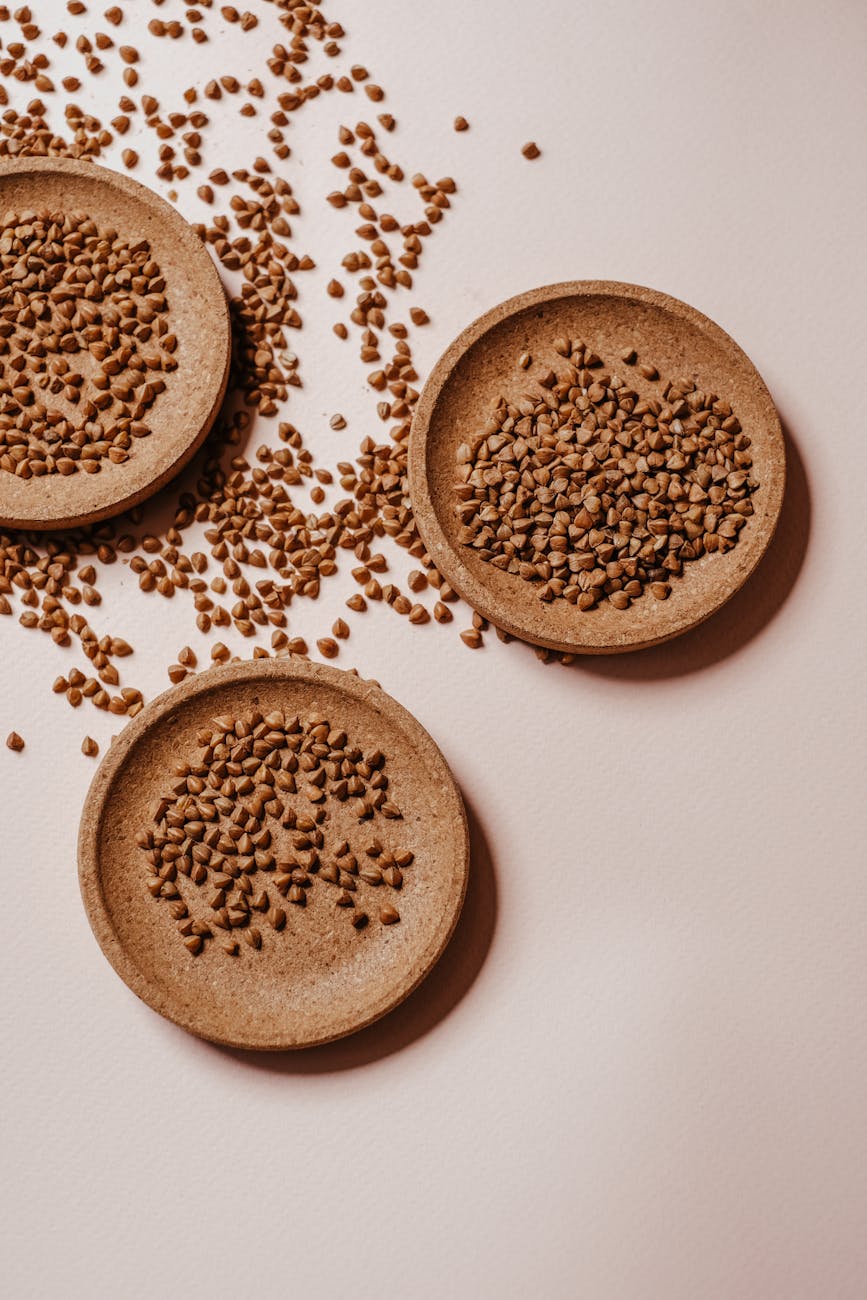
    Breakfast, for starters. I began eating buckwheat groats—just under half a cup—bathed in soy milk, whey protein, and a handful of berries. Think monk breakfast with gym-bro toppings. At lunch, I ditched meat and tinned fish in favor of twelve ounces of super-firm tofu atop a cucumber salad, dressed with Greek yogurt, nutritional yeast, and whatever herbs made me feel like I was living in Tuscany.

    Dinner? Whatever my wife cooks. I’m not a monster.

    Of course, the hero here is the buckwheat. It isn’t wheat, not really—it’s a seed masquerading as a grain, gloriously gluten-free and loaded with insoluble fiber and resistant starch. In less science-y terms: it bulks, it sweeps, it feeds your gut’s good guys, and it delivers the elusive clean break. The kind of bathroom visit where nothing lingers—physically or emotionally.

    Then there’s the tofu. It doesn’t showboat. It doesn’t need to. Its gift is its non-disruption. High in protein, low in drama, tofu is the digestive equivalent of a self-driving electric car. It quietly replaces the gut’s old sputtering engine, the one bogged down by greasy meats and dairy sabotage, and makes everything hum.

    Put the two together, and suddenly, bathroom time became… efficient. Minimal. Almost elegant. No TP required. Just a moment of stunned gratitude, a small prayer to the intestinal gods, and a confused gaze into the middle distance: Did I just hack the human body?

    And then came the real question: Do I tell people?

    Because while we’ll chat endlessly about protein macros, creatine, cholesterol, and God help us, cold plunges—we go silent on the topic of TP use and the miracle of no longer needing it. And yet, so many are secretly miserable. The bloating, the straining, the endless wiping. And here I am with the holy grail—and I’m supposed to stay quiet?

    No, I won’t promise this will work for everyone. But if you’re even slightly intrigued by the promise of digestive liberation, consider the humble buckwheat. Consider the tofu. And maybe, just maybe, you’ll find yourself typing from a place of lightness, efficiency, and radiant intestinal peace.

  • Groats, Greens, and the Gospel of Self-Control

    Groats, Greens, and the Gospel of Self-Control

    I’m a man prone to obsessions. Not in a cute, quirky, Wes Anderson way, but in the full-blown, white-knuckled grip of irrational fixations that orbit around some grand illusion of self-improvement. These fixations rarely tether themselves to anything as vulgar as reality, which means I have to approach them like a man handling live wires—gingerly, skeptically, with rubber gloves and a fire extinguisher nearby. My latest obsession? A brutally austere, monastic eating plan masquerading as discipline but smelling faintly of madness.

    The rules are simple, almost religious in tone: three meals a day. No snacks. Breakfast is a steaming bowl of steel-cut oats doped with vanilla protein powder and berries. Lunch: buckwheat groats, same protein powder, same berries, different bowl. Dinner: a joyless, crunchy salad of cucumber and bell pepper crowned with sauteed tofu and doused in a dressing so puritanical it could double as penance—balsamic vinegar, Greek yogurt, nutritional yeast, and a blizzard of righteous herbs. To add some zing, I’ll dump a tablespoon of Trader Joe’s Italian Hot Bomba Sauce to give me a lifeline to joy and pleasure. 

    But here’s the rub: the long, harrowing stretch between lunch and dinner. That’s when the madness starts to whisper. Could green tea keep me afloat? Coffee? A heretical diet soda or two? These are the thoughts of a man trying to barter with his own obsession, bargaining with the jailer who’s taken his afternoon hostage. I pretend it’s hunger, but what I’m really feeling is the hollow buzz of addiction to a narrative: that if I follow this sacred routine, I will unlock a better, lighter, more transcendent version of myself.

    Of course, it’s likely just another chimera—one more shimmering lie I chase like a half-crazed mystic in a Whole Foods aisle. I suspect I don’t actually change. I just trade compulsions. Some people devour cheesecake. I devour grand narratives of control, discipline, and spiritual rebirth through groats and greens. My real diet isn’t food—it’s fantasy. And I am a glutton.

  • Chunky: The Candy Bar That Gaslit My Taste Buds

    Chunky: The Candy Bar That Gaslit My Taste Buds

    Of all the confections that have ever graced my palm, none haunts my imagination quite like the Chunky bar. It’s not a candy bar so much as a relic—an absurd, silver-foiled ingot you’d expect to pry loose from a cursed dwarven mine, guarded by balrogs and bureaucracy.

    Let’s start with the shape. The Chunky is a squat, lumpy pyramid—a candy bar built like it wants to be a paperweight. Peanuts and raisins form the bulk of its crude alchemy, though earlier iterations flaunted Brazil nuts and cashews, adding to its ancient mystique.

    The taste? Off. Not bad exactly, but certainly not seductive. Its faintly bitter, vaguely disappointing flavor has a curious effect: you start to convince yourself that this underwhelming mouthful must be good for you. A health food in disguise. A sweet for contrarians. Like chewing on moral fiber.

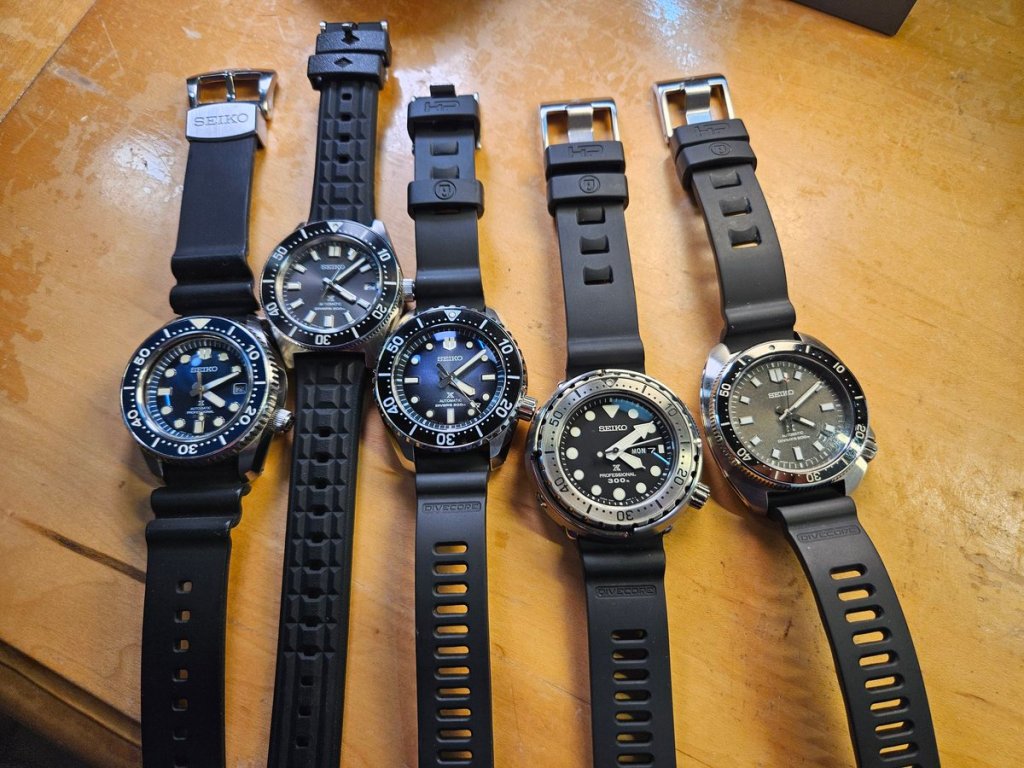
    Then there’s the weight. The Chunky carries mass. It sits in your hand with the cold confidence of a Seiko diver watch on a stainless-steel bracelet. There’s a heft to it—an aura of seriousness. No one double-fists a Chunky on a whim. You eat one as an act of personal philosophy.

    To deepen its enigma, the Chunky has become scarce. Since the ’90s, it’s been largely exiled from gas station shelves, spotted only in the digital wilds of the Internet. It’s no longer a candy bar—it’s a rumor. A memory. A grail. And even when you do track one down and unwrap it in a moment of nostalgic triumph, you’re struck with the bitter realization: you’re not reliving a taste. You’re chasing a ghost.

    The truth is, you’re more in love with the idea of the Chunky bar than the thing itself. Its greatest ingredient is projection. It is candy-as-concept. The chunky grail.

    And so, like a certain kind of watch obsessive—those who hunt for the mythical One Perfect Timepiece, the Holy Grail Diver that will satisfy all wrist cravings—you may find that what you’re after is not an object, but an ideal. The Chunky isn’t a candy bar. It’s a mirror. A reminder that the real addiction lies not in sugar or steel, but in fantasy.

  • Desert Paradise for the Chronically Disenchanted

    Desert Paradise for the Chronically Disenchanted

    Fresh off the bus from the bustling Bay Area, you found yourself marooned in Hobcallow—a sun-bleached corner of California that could only be generously described as a town. With zero friends and even fewer social obligations, you embraced your solitude like a monk taking a vow of silence. Your one-bedroom apartment became your sanctuary—no roommates, no forced small talk, just you and the sweet luxury of never having to negotiate chores or TV channels.

    Your companions? A stack of CDs featuring Morrissey, The Smiths, and other bands that sounded like group therapy sessions set to a minor key. The soundtrack was perfect as you labored over your novel Hercu-Dome, your dystopian magnum opus in which society punished the overweight with Orwellian fervor for failing to meet state-mandated body standards.

    When you weren’t writing, you plinked away on your Yamaha ebony upright, conjuring self-indulgent sonatas that only the most pretentious muses could appreciate. You didn’t read music so much as let it ooze out of you—luscious chords here, shameless glissandos there—while imagining some ethereal goddess materializing in your living room to stroke your ego as you struck a soulful pose.

    Compared to the misery of your college days in the Bay Area, your Hobcallow digs felt like a five-star resort. Back then, you hadn’t been living so much as squatting in a glorified crawlspace. That room had a gaping hole in the wall, perfectly positioned at bed level, letting in gusts of cold air so vengeful it felt like the Bay’s fog had developed a personal vendetta against you. Sleeping wasn’t rest—it was combat. You huddled under layers like you were gearing up for an Everest summit—jacket, hat, and gloves included, if the wind got particularly sassy.

    Your diet back then was a tragicomedy in three acts: breakfast, lunch, and dinner. Cheerios were the lead performer, while bean-and-cheese burritos played the understudy when you felt adventurous. These “burritos” were little more than refried sludge folded into tortillas with all the flexibility of a sheet of drywall. The cheese? The kind that refused to melt out of pure spite, clinging to the tortilla like it was serving a life sentence. Each bite reminded you that you weren’t starving—but you were nowhere near thriving either.

    Your transportation situation was another chapter in your tale of woe. You drove a ten-year-old Toyota Tercel that was less car and more haunted maraca. Every time you touched the brakes, the thing let out a tortured groan, like it wanted to die with dignity. Navigating the Bay Area hills required a white-knuckled grip and a whispered prayer that the Tercel wouldn’t roll backward into a bus full of nuns and cyclists. Fixing it became a twisted game of financial Russian roulette: either repair the brakes or buy groceries. One of you had to suffer.

    Money? Scarcer than warmth in that arctic excuse for a room. Every broken item—of which there were many—demanded a patch job involving duct tape, superstition, and whatever scraps you could scavenge. Gathering enough quarters for the laundromat felt like winning a regional lottery. “Luxury” meant adding an extra spoonful of salsa to your burrito—living on the edge by upgrading the spice level in a meal otherwise soaked in depression.

    Looking back, it was a miracle you escaped that purgatory with your sanity—or whatever passed for it. That drafty hellhole taught you resilience, sure, but more than anything, it taught you to laugh at the sheer absurdity of trying to survive in a city that demanded gold while you were scraping together lint and hope.

    So there you were, newly settled in this desert hideaway, craving a hint of the luxury you’d never known. On weekends, you tanned your lean, 195-pound frame beside The Springs’ apartment pool—a so-called “luxury” pool that only deserved the title because the sign said so. Real friendships didn’t blossom there—friendships were messy and overrated—but you collected a small cluster of “acquaintances,” a bizarre cast of characters who could only exist in this sun-scorched limbo.

    You weren’t thriving, but at least you weren’t freezing or chewing on cardboard disguised as food. And in a place like Hobcallow, that was as close to paradise as you were ever going to get.

  • Trader Joe’s and the End of the World (One Tofu Block at a Time)

    Trader Joe’s and the End of the World (One Tofu Block at a Time)

    With my wife and twin daughters making the long drive home from San Francisco, I realized someone had to restock the household pantry. That someone was me. So by 8 a.m., I was wandering the fluorescent aisles of Trader Joe’s, still half-asleep, in search of tempeh, oat milk, and maybe a reason to keep going.

    Twenty seconds in, I spotted Eliot—a jazz musician in his early forties who’s worked there forever and knows every spice rack and frozen entrée by memory. I hadn’t seen him in a while. He asked if I’d retired from teaching at the local college yet.

    “Two more years,” I said, adding, “but who knows what’s happening to writing classes in the Age of ChatGPT. Everyone talks like they know. They don’t.”

    He asked how I’m handling it in the classroom.

    “I’m not sure I am,” I told him. “I can teach. I can perform. I can entertain. But grading online essays? That’s an existential crisis wrapped in a PDF. I’m dancing in quicksand.”

    Eliot nodded grimly. “This generation doesn’t read.”

    “My daughters don’t,” I said. “Their friends don’t. They’re sweet kids, empathetic and funny, but they don’t seem built for a world that requires deadlines, grit, or employment.”

    Eliot, without hesitation: “We’re screwed.”

    “And there’s no going back,” I said. “CNN gets out-watched by Joe Rogan. Most people get their facts from guys yelling into ring lights while drinking protein shakes.”

    We stared into the epistemic abyss together, nodded, and parted ways before we started crying in the chip aisle.

    Twenty minutes later, I made it to the checkout line, where I was greeted by Megan—the tall, soft-spoken vegan cashier who’s known me for years. She had just broken up with her boyfriend and noticed the mountain of super-firm tofu in my cart.

    We exchanged tofu recipes, talked about the protein digestibility scale, and mourned the impossibility of plant-based love in a society fueled by backyard barbecue. Her breakup, as it turns out, was partly due to meat incompatibility. “He grilled like it was a belief system,” she said.

    We also touched—briefly—on factory farming, which always makes me want to cry or scream or stop eating altogether. But just like I couldn’t solve the collapse of literacy and truth with Eliot, I couldn’t solve the meat-industrial complex with Megan.

    All I could do was pay for my groceries and accept the fact that I’m a limited man in a crumbling culture, armed with tofu, oat milk, and a Costco-sized tub of almond butter.

    I loaded the trunk with the small consolation that I had, at the very least, fed my family.

  • Too Good to Sip: My Toxic Romance with Coffee

    Too Good to Sip: My Toxic Romance with Coffee

    I should probably quit drinking coffee—not because it’s bad for me, but because it’s too good, like a lover who ruins you for everyone else.

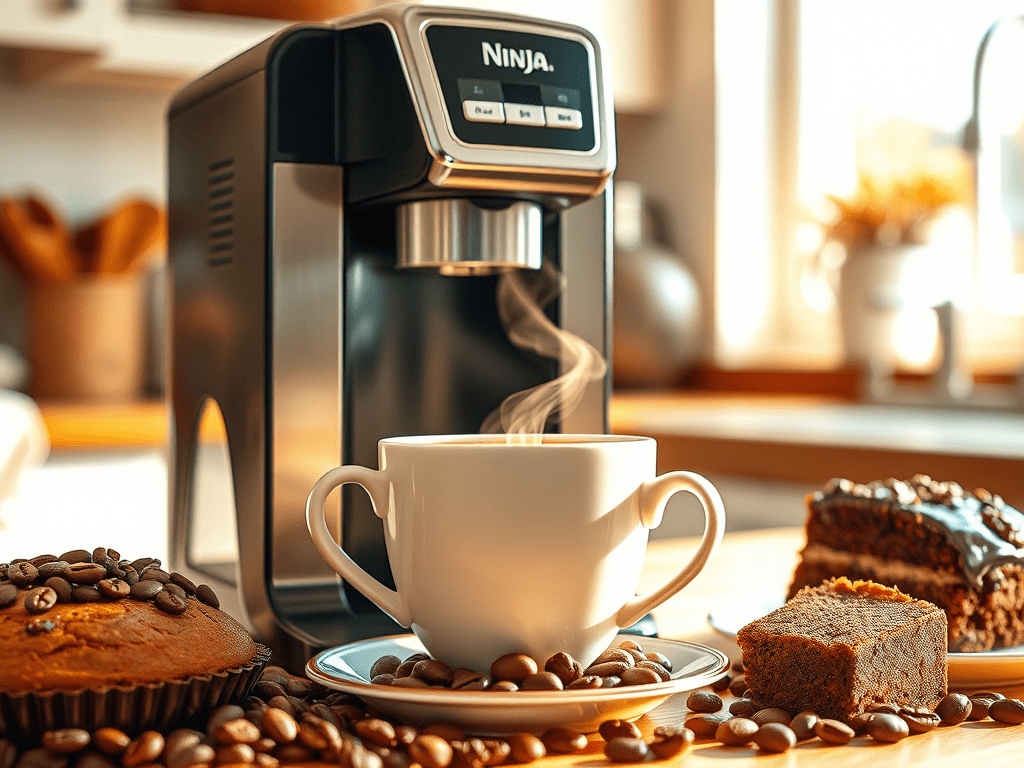
    This revelation smacked me in the face after a visit to my in-laws in Prescott Valley. There, in the quiet altitude of Arizona suburbia, I encountered coffee nirvana via a Ninja coffee maker—a machine that makes my Keurig taste like it was brewed through a gym sock. The Ninja’s brew was hotter, stronger, bolder. It had the depth of a Russian novel and the intensity of a Quentin Tarantino monologue. I immediately bought one for myself, eager to elevate my mornings into spiritual events. And elevate them I did—too far.

    Now my life has become tragically front-loaded. The coffee is too exquisite. It’s an overachiever. Nothing that follows—emails, errands, workouts, social obligations—can match its rich, scalding glory. My day peaks at 7:12 a.m., and everything after is a slow descent into lukewarm mediocrity. My existence has become a parade of yawns between two cups of perfection.

    This isn’t living. It’s a caffeine cult. And I’m the high priest.

    So what am I to do? Only one solution remains: renounce coffee. Banish the beans. Crawl out of this roasted rut and reinvent myself as a man unshackled from the tyranny of joy. I will become someone who experiences life itself—not just life plus Arabica.

    Or so I’d like to believe. Because deep down, I know I’ll just replace one ritual with another. Like that British expat novelist who lives in Tunisia, the one with the butler who brings him tea and a giant slab of cake every afternoon. That’ll be me. Earl Grey at four, carrot cake on Monday, German chocolate on Tuesday, and so on. I’ll swap a vice, rename it “ritual,” and carry on.

    Coffee may be gone, but the cravings will simply find new costumes.