Tag: food

  • Soy-Boy Rising: Confessions of a Reluctant Carnivore

    Soy-Boy Rising: Confessions of a Reluctant Carnivore

    I’m not a vegan, though I flirt with the lifestyle like someone dabbling in theater—call it vegan cosplay. I still eat fish a few times a week. My wife’s turkey meatballs make regular cameos. And every now and then, Mongolian beef seduces me with its glossy, MSG-laced siren song. That said, I’ve slashed my meat intake by 75%, which, by American standards, practically makes me a Buddhist monk.

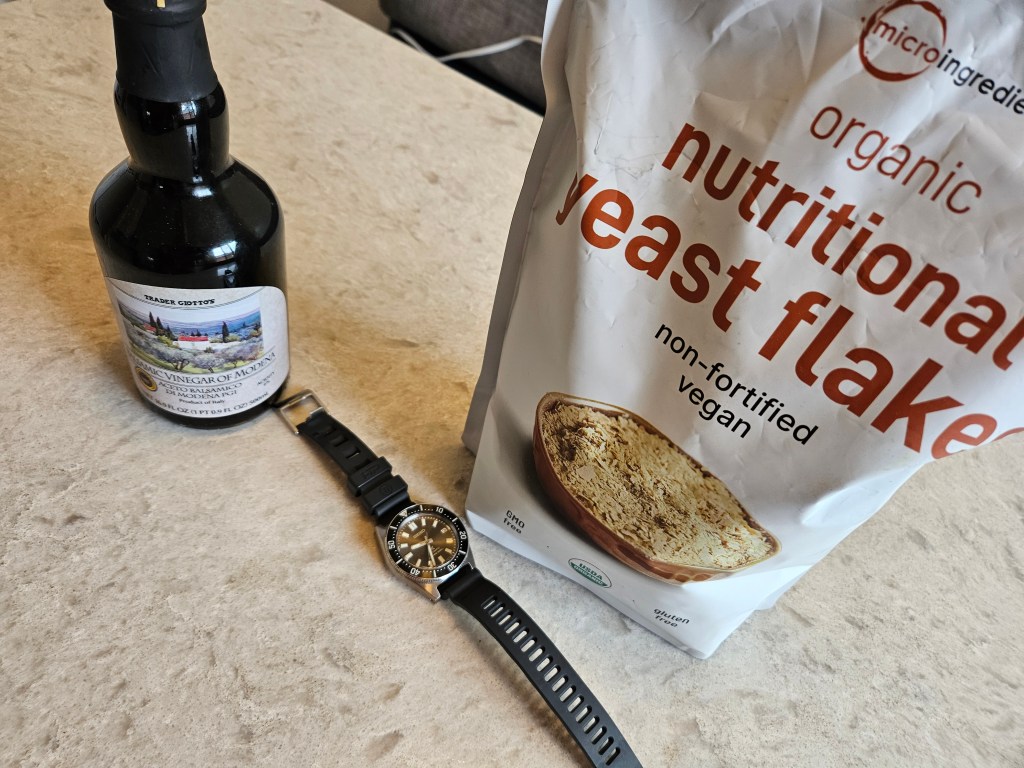
    These days, I spend an inordinate amount of time pressing water out of high-protein tofu bricks like they’ve wronged me. I cube them, toss them in olive oil, and dust them with whatever spices are within reach—barbecue rub, smoked paprika, Italian herbs, chili flakes. While they sizzle, I assemble my daily temple of penance: a salad of arugula, balsamic vinegar, nutritional yeast, and a squirt of spicy mustard. Add in some herbs, and it’s a flavor riot with zero cholesterol.

    Surprisingly, it satisfies me. The texture, the tang, the crunch—I’m not suffering. I’m thriving. But I can already hear the Bro-sphere grunting with disapproval. To them, my tofu devotion is nothing short of culinary treason. The True Path, they say, is paved in ribeyes and romaine. Soy is heresy. My masculinity, they warn, is at risk of withering into oblivion if I don’t start eating liver by the pound.

    Let them growl. I don’t evangelize. If carnivore life gives them six-pack abs and existential clarity, more power to them. But my reasons for sidestepping meat are complicated. One: I find raw meat disgusting. I’ve never acclimated. Slabs of pink muscle leaking juice in my hands? No thanks. Sure, I’ll eat a well-prepared dish if someone sets it in front of me, but I don’t like the psychic gymnastics it takes to pretend nothing had to die for it.

    So yes, sometimes I give in. But most mornings, you’ll find me standing over a bowl of buckwheat groats, quietly thrilled not to be cooking a corpse. The older I get, the more that matters. Not for moral purity. Just peace of mind—and digestion.

  • Mercury Rising, Tuna Retiring: A Fish Addict’s Tofu Detox

    Mercury Rising, Tuna Retiring: A Fish Addict’s Tofu Detox

    Howard Stern recently went public with the kind of health confession that makes nutrition nerds shiver with schadenfreude: years of eating fish like a ravenous sea lion left him with sky-high mercury levels—over 30, when 8 is considered the red alert line. His white blood cell count crashed, and his bloodstream began to resemble a periodic table. So now he’s easing into a mostly plant-based diet, still clinging to salmon and shrimp a few times a week like a man transitioning from whiskey to kombucha.

    Taking a page from Howard’s mercury memoir, I’m retiring my daily canned-fish salad lunch. No more tuna tins. No more mackerel mania. In their place? A half-block of Trader Joe’s High-Protein Tofu, sautéed in olive oil like a grown-up with arteries worth protecting. The whole package is 70 grams of protein. I’ll eat one half at lunch, the other half either for dinner or for the next day.

    Preparation, of course, requires a bit of tofu theater. I wrap the slab in a dish towel and stack a Dutch oven on top like I’m pressing it into a confession. From there, it crisps nicely in the pan—unlike my nerves, which are still adjusting to life without anchovies.

    The salad base: arugula, because I enjoy a green that fights back. The dressing: Greek yogurt whipped with nutritional yeast, herbs, and spices—a tangy, umami-rich blend that says “I’m trying” louder than balsamic ever could.

    If I need a protein boost, I’ll toss in some drained beans or egg whites, though I refuse to let the salad become a protein arms race. The goal isn’t to feel full for eight hours—it’s to avoid mercury poisoning while still pretending I’m eating for pleasure.

    We’ll see how satisfying it all is. At worst, I miss the old tuna days. At best, I keep my nervous system intact and live long enough to be skeptical of my next health phase.

  • Why I’m Eating Like My Life Depends on It (Because It Might)

    Why I’m Eating Like My Life Depends on It (Because It Might)

    In 2020, my mother passed away from kidney disease. She refused to go on a dialysis machine. I found out a few days ago that her sister, now 80, has stage-4 kidney disease. My aunt doesn’t drink or smoke, but her doctor told her that age can do its job on the kidneys and will give her medication and a diet to slow down the disease’s progression. 

    I assume I may have a genetic predisposition for tired kidneys, so at 63, I’m looking to make some preventative dietary changes. I’m going to watch my potassium, phosphates, and sodium. I’m going to cut down on dairy, nuts, nut butters, sweets, diet sodas, canned fish, meat and such. I’m going to keep my creatine at 3 grams a day. Being overweight, having high sugar levels, high cholesterol, and high blood pressure are all bad for the kidneys, so my diet has to keep those areas under control. I remember Doctor Peter Attia writing in his book Outlive: The Science and Art of Longevity that having advanced kidney disease presents a shorter lifespan diagnosis than stage-4 cancer, so I feel motivated to be diligent. My diet now looks like this:

    Breakfast: I’ll rotate 5 breakfast grains in which I will measure exactly one-fourth cup of one of the following: 1. steel-cut oatmeal, 2. quinoa, 3. buckwheat groats, 4. bulgur, and 5. hulled or foxtail millet (11-12 grams of protein) with half a cup of Greek plain yogurt, chia seeds, walnuts, plain soy milk, phosphate-free protein powder, berries, and coffee.

    Lunch: Salad with 20 grams of protein tempeh, rinsed from a can or cooked beans or salmon with balsamic vinegar, herbs and spices, half cup of soy milk, berries or small tangerine. 

    Post-nap Afternoon Snack: One cup of plain Greek yogurt with phosphate-free protein powder, or no powder at all, and berries. 

    Dinner: Vegetables, protein of some kind, including braised tofu, and a small apple. If I want a vegan dinner, I can make a mixture of rice or quinoa with black beans, tofu or tempeh, and a cup of coconut milk. 

    Between meals: No more diet soda of any kind, only water, herbal tea, and soda water.   

  • Truth or Hustle: Performing the Self in the Age of Spectacle (College Essay Prompt)

    Truth or Hustle: Performing the Self in the Age of Spectacle (College Essay Prompt)

    Essay Prompt:

    In the HBO Max special Mike Tyson: Undisputed Truth, Tyson delivers a raw, emotionally charged monologue in which he recounts the highs and lows of his life—abuse, addiction, fame, disgrace, and grief—with moments of striking self-awareness and brutal candor. The performance walks a fine line between personal catharsis and public spectacle.

    In contrast, the Netflix documentary Untold: The Liver King exposes Brian Johnson—a self-styled primal lifestyle influencer—as a constructed persona built on lies, steroid use, and performative masculinity. Johnson’s brand sells authenticity while hiding calculated deception, ultimately revealing the blurred line between self-expression and grift.

    In a 1,700-word essay, analyze and compare how these two figures—Tyson and Johnson—use storytelling as performance, and to what extent their narratives can be seen as acts of truth-telling versus brand management.

    Consider the following questions to shape your argument:

    • What makes storytelling feel “authentic,” and how is that authenticity earned or staged?
    • How do vulnerability and confession function differently in Tyson’s monologue vs. Johnson’s documentary revelation?
    • To what extent are both men grifters—selling pain, performance, or redemption to maintain relevance or profit?
    • Where does the audience’s complicity come into play? Are we consuming truth, or just another curated persona?

    Support your argument with close analysis of both documentaries, and engage at least two secondary sources on authenticity, performance, media, or masculinity.

    Three Sample Thesis Statements (with Mapping Components):


    1. Performance vs. Persona

    While Mike Tyson: Undisputed Truth offers a raw, emotionally grounded form of storytelling that embraces contradiction and vulnerability, Untold: The Liver King reveals a carefully curated identity rooted in deception and spectacle, showing how authenticity can be performed—and faked—for commercial gain.

    Mapping:

    • Tyson’s emotional transparency and narrative arc
    • Liver King’s constructed masculinity and hidden steroid use
    • The commodification of pain and image in public life

    2. Redemption as Product

    Both Tyson and the Liver King use storytelling to shape redemptive narratives, but where Tyson uses confession to reconcile with past chaos, Johnson’s confession serves primarily to preserve his brand—revealing how vulnerability, when monetized, can become just another form of grift.

    Mapping:

    • Redemption arc as performance
    • Strategic confession vs. genuine self-reckoning
    • The role of audience sympathy in validating narrative authenticity

    3. The Grift We Applaud

    Tyson and Johnson exemplify the thin line between storyteller and hustler in modern media culture, where charisma and spectacle blur truth. Ultimately, both rely on the audience’s desire to believe in transformation—whether real or manufactured—making us complicit in their self-mythologies.

    Mapping:

    • The myth of the fallen hero vs. the primal guru
    • Audience complicity in enabling the performance
    • Spectacle as the currency of truth in influencer culture

    Suggested Reading List


    On Authenticity & Performance:

    1. Erving Goffman – The Presentation of Self in Everyday Life
      Classic text on how individuals perform identity for social audiences.
    2. Lionel Trilling – Sincerity and Authenticity
      A deeper philosophical look at how authenticity has evolved as a moral and aesthetic concept.
    3. Andrew Potter – The Authenticity Hoax
      A critique of how “authenticity” has been commodified and repackaged as lifestyle branding.

    On Grift, Media, and Branding:

    1. Chris Hedges – Empire of Illusion
      Sharp cultural critique on how entertainment has replaced reality, and spectacle has displaced truth.
    2. Naomi Klein – No Logo (selections)
      On the rise of personal branding and the corporatization of identity—relevant to the Liver King’s monetization of lifestyle.
    3. Alissa Quart – Branded: The Buying and Selling of Teenagers
      Helps contextualize how audiences, especially younger ones, are trained to consume personality as product.

    On Masculinity and Image:

    1. Susan Faludi – Stiffed: The Betrayal of the American Man
      Explores how modern men feel disconnected from authentic purpose and turn to performance and power narratives.
    2. Michael Kimmel – Guyland: The Perilous World Where Boys Become Men
      Useful for analyzing the Liver King’s appeal to adolescent masculine ideals rooted in tribalism, strength, and dominance.

  • Borderless Flavors: Food, Power, and the Collapse of Culinary Elitism (College Essay Prompt)

    Borderless Flavors: Food, Power, and the Collapse of Culinary Elitism (College Essay Prompt)

    Essay Prompt (1,700 words):

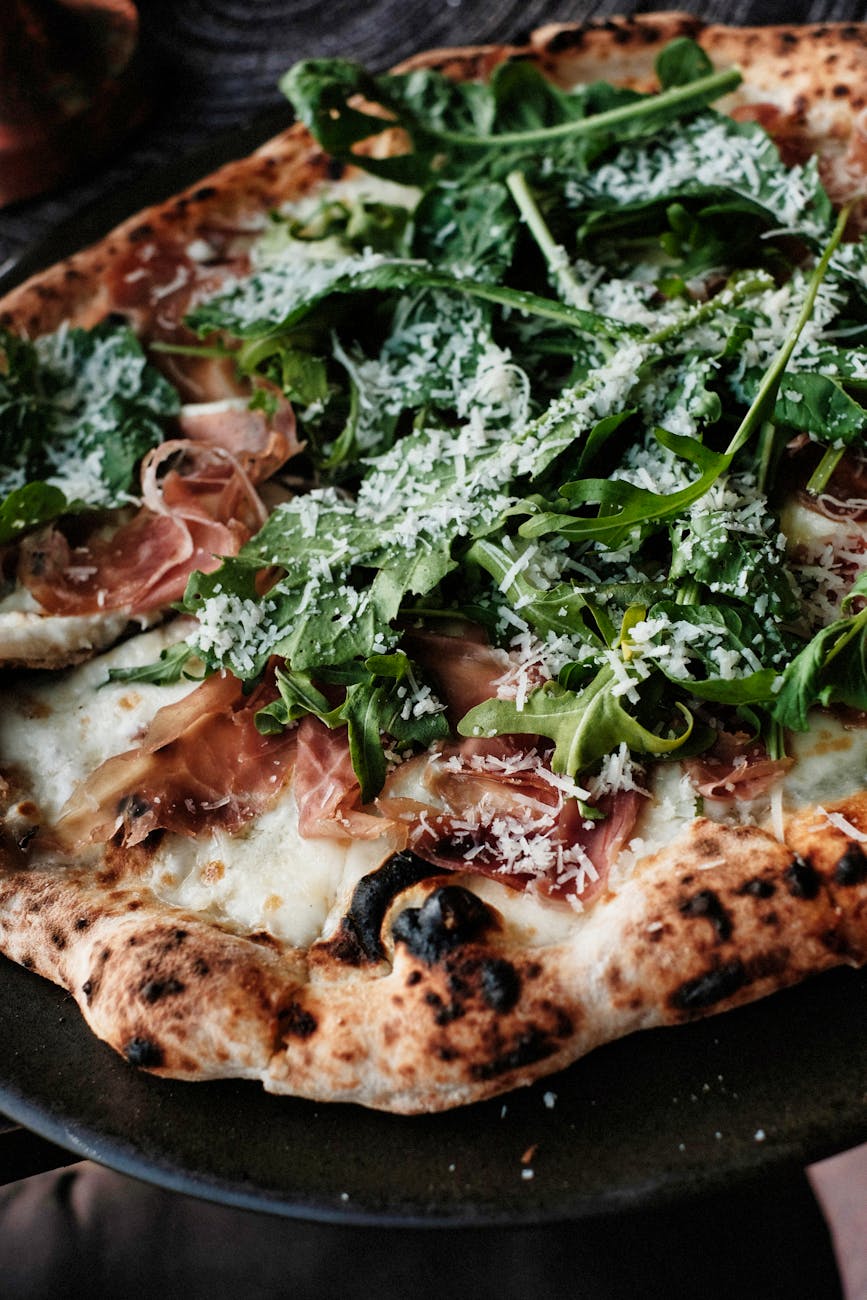
    In the Chef’s Table: Pizza episode featuring Ann Kim, food becomes a site of transformation, healing, and reinvention. Kim channels her failed acting career into culinary artistry, crafting dishes that express the multiplicity of her identity—as a Korean-American daughter, an artist, and an immigrant success story. Her pizzas become canvases for memory, rebellion, and gratitude, especially toward her parents. Her story is a microcosm of the broader immigrant narrative: negotiating identity, navigating cultural shame, and ultimately reversing the script as the very foods once mocked become culinary gold.

    In this essay, compare the themes in Ann Kim’s story with those in Ugly Delicious (Season 1, Episode “Tacos”) and selected episodes of The Taco Chronicles. How do these shows depict food as more than sustenance—as performance, identity, resistance, and love? In what ways do immigrant chefs and food workers subvert the shame once associated with their cultural foods and assert pride, creativity, and belonging through cuisine?

    Your essay must engage with the visual rhetoric of the shows (tone, music, imagery), analyze the role of food as narrative and identity, and include at least two secondary sources—these may include academic articles on food studies, identity, or immigrant narratives.

    Sample Thesis Statements:

    1. The Performance of the Plate
    Through Ann Kim’s story in Chef’s Table: Pizza, the taco discourse in Ugly Delicious, and the street-food heroism of The Taco Chronicles, we see food function as a performance of identity, where immigrant chefs use culinary artistry to reclaim scorned traditions, express hybrid selves, and find belonging in spaces that once excluded them.

    Mapping components:

    • Culinary performance as identity expression
    • Reversal of cultural shame into pride
    • Belonging through the craft of food

    2. From Shame to Reverence
    Ann Kim, David Chang, and the taqueros of The Taco Chronicles show how the foods once mocked in American lunchrooms are now celebrated on global stages, revealing that cuisine is a powerful tool of cultural revenge, emotional healing, and self-definition for immigrant communities.

    Mapping components:

    • Mockery and marginalization of immigrant food
    • Culinary revenge and cultural redemption
    • Healing and self-definition through cooking

    3. Food as Love, Labor, and Legacy
    While Chef’s Table: Pizza casts Ann Kim’s story as one of artistic reinvention and filial love, Ugly Delicious and The Taco Chronicles emphasize how food binds generations, builds communities, and becomes a labor of love that transforms trauma into legacy.

    Mapping components:

    • Culinary reinvention as personal and artistic legacy
    • Food as intergenerational bridge
    • Labor, love, and storytelling through cuisine

    Sample Outline:


    I. Introduction

    • Hook: A vivid scene from Ann Kim’s episode—placing gochujang on pizza as rebellion and homage.
    • Context: Rise of food documentaries as cultural texts.
    • Thesis: (Insert one of the thesis statements above.)

    II. Ann Kim: The Personal is Culinary

    • Acting failure and identity fragmentation
    • Food as theatrical medium: personas, freedom, risk
    • Immigrant shame turned into culinary power (Korean pizza)
    • Cooking for her parents as an act of redemption and gratitude

    III. Ugly Delicious: The Taco Episode and Cultural Inversion

    • David Chang’s exploration of authenticity and invention
    • The taco as a battleground of legitimacy (Mexican roots vs. American remix)
    • Use of celebrity chefs and taqueros to show class and cultural divides
    • Food once marginalized now used as a symbol of culinary innovation

    IV. The Taco Chronicles: Myth, Ritual, and Regional Pride

    • Focus on specific episodes (e.g., Suadero, Cochinita Pibil)
    • Tacos as sacred practice, generational labor, and social equalizer
    • Visual and musical rhetoric: the taco as folk hero
    • Repeated motif: taqueros breaking class and cultural boundaries with corn, fire, and steel

    V. Comparative Analysis

    • Immigrant identity in all three: reclaiming power through food
    • Emotional resonance: food as apology, tribute, rebellion
    • Different tones: Kim’s cinematic elegance vs. Chang’s irreverent inquiry vs. Chronicles’ reverent folklore

    VI. Counterargument Section

    • Some critics argue that food media romanticizes struggle or sanitizes labor conditions
    • Rebuttal: While these shows may aestheticize food, they also restore dignity to cuisines and cooks historically ignored by dominant culture

    VII. Conclusion

    • Reassert the thesis: food is not just fuel—it is metaphor, memoir, and medium
    • End with a return to a powerful image—perhaps Ann Kim in her pizzeria, cooking for her parents, feeding them not just dinner, but decades of unspoken love

  • Taco Nation: How a Humble Street Food Became Mexico’s Superpower (College Essay Prompt)

    Taco Nation: How a Humble Street Food Became Mexico’s Superpower (College Essay Prompt)

    Essay Prompt:

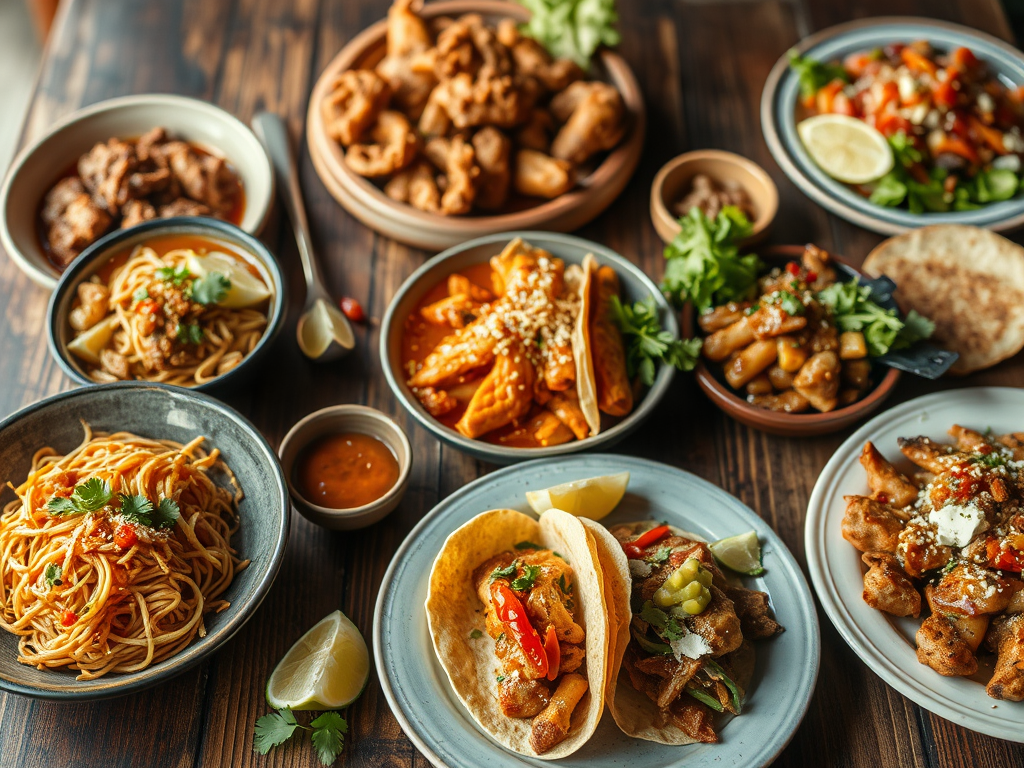
    In the Netflix docuseries The Taco Chronicles, the taco is not portrayed as a mere food item but as a cultural force—an edible emblem of Mexico’s resilience, creativity, and soul. The series argues that the taco is a kind of Mexican superfood—not only for its nutritional versatility, but also for its power to break down cultural and class barriers, foster community, and rejuvenate the communal spirit through the sacred staple of corn. It is both deeply traditional and endlessly innovative, enchanting the people who eat it and the taqueros who make it.

    Write a 1,700-word argumentative essay that responds to the claim that the taco functions as a Mexican superfood with transformative social and cultural power. Consider how the taco transcends boundaries—economic, racial, culinary, and geographic—while also preserving deep-rooted traditions. You may also explore counterarguments: Is the global popularity of the taco watering down its identity? Is the romanticization of street food masking deeper inequalities?

    Support your argument with examples from The Taco Chronicles and incorporate at least two additional sources (journalistic, scholarly, or culinary writing) that offer insights into food culture, globalization, or Mexican identity.

    Sample Thesis Statements:


    1. The Taco as Cultural Bridge
    While often seen as humble street food, the taco stands as a powerful symbol of cultural resilience, breaking barriers of class and race, rejuvenating communities through the ancestral force of corn, and reinventing itself across borders without losing its soul.

    Mapping components:

    • Symbol of cultural resilience
    • Rejuvenation through corn
    • Innovation without cultural loss

    2. A Superfood for the Soul
    Far from just a culinary trend, the taco operates as a Mexican superfood by nourishing the body, connecting diverse communities across social divides, and reviving cultural heritage through its balance of tradition and modern flair.

    Mapping components:

    • Nourishment and accessibility
    • Cross-class and cross-cultural unity
    • Reinvention of tradition

    3. Romantic or Real? Interrogating the Taco’s Power
    Though The Taco Chronicles portrays the taco as a superfood capable of healing social divisions and celebrating tradition, its growing global appeal risks cultural dilution, commodification, and the masking of labor inequities behind its charm.

    Mapping components:

    • Healing and communal unity
    • Risk of global commodification
    • Invisible labor and exploitation

    Here are three counterarguments with rebuttals, each addressing a core claim from the prompt about the taco’s cultural and communal power:


    Counterargument 1: “The Taco Has Been Commercialized Beyond Recognition”

    As the taco gains global popularity, it’s often stripped of its cultural context and repackaged as a trendy, overpriced novelty in upscale restaurants. The soul of the taco gets lost in translation, turning it into an Instagram prop rather than a communal or ancestral food.

    Rebuttal:
    While some global versions of the taco are divorced from tradition, The Taco Chronicles shows that innovation and authenticity can coexist. From suadero in Mexico City to cochinita pibil in Yucatán, the taco is continually reinvented without losing its cultural core. Rather than being erased, the taco’s story is being exported—sometimes imperfectly, but often with respect and curiosity.


    Counterargument 2: “Romanticizing the Taco Ignores Labor Exploitation”

    Celebrating the taco as a symbol of love and unity risks whitewashing the harsh labor realities faced by many taqueros, many of whom work long hours in informal economies with little pay or security.

    Rebuttal:
    Yes, romanticizing food can blur the realities of labor, but The Taco Chronicles doesn’t shy away from this. It honors the taquero not just as a cook but as a craftsman, keeper of tradition, and community anchor. Elevating their work brings visibility and dignity—not erasure. Recognizing tacos as cultural capital can be the first step toward advocating for fair labor practices in the food industry.


    Counterargument 3: “The Taco Doesn’t Break Class Barriers—It Reinforces Them”

    Although tacos are accessible, their new gourmet incarnations often exclude working-class eaters, turning a people’s food into a luxury experience and reinforcing class divides rather than dismantling them.

    Rebuttal:
    The taco’s genius lies in its dual identity. It can be both a 10-peso street meal and a $15 chef’s experiment without collapsing under the weight of either role. Its roots in affordability and improvisation mean that it retains its cultural identity even when elevated. More importantly, the street taco is still thriving—in Mexico and beyond—resisting erasure by holding its own against the forces of culinary elitism.
  • The Vegan That Lives in My Head (and Nowhere Else)

    The Vegan That Lives in My Head (and Nowhere Else)

    At six a.m., mug in hand, I sat down at my desk with the smug satisfaction of a man pretending to be in control of his day—only to be ambushed by a large brown spider launching itself from my desk drawer like it was fleeing the FBI. It vanished into the shadows, and I was left stewing in the indignity of defeat. I didn’t catch it. Worse, for the second morning in a row, I couldn’t remember my dream. Something about a car near the ocean, a faceless authority figure mumbling instructions, and then—blank. Freud would be disappointed. I’m more annoyed.

    My dreams often involve cars. They also often involve the ocean. I suspect this means I’m perpetually trying to get somewhere, while simultaneously wanting to be swallowed by the Great Womb of the Deep. Birth, Death, and the Cycle of Life.

    Midway through my coffee, my teenage daughter wandered into my office, eyebrows raised in alarm as I recounted the spider saga and my failed dream recall. She showed the appropriate amount of concern, then casually announced she was heading to Starbucks for a chai latte. It’s comforting how the rituals of youth persist, even as their fathers spiral existentially over arachnids and unconscious symbolism.

    I banged out a new essay prompt for next semester—something about manufactured authenticity and influencer FOMO—then drove the girls to school, came back, and burned 805 calories in 61 minutes on the Schwinn Airdyne. Or as I’ve come to call it: The Misery Machine. This isn’t exercise. This is penance. Only those seeking redemption or working through unresolved guilt buy these medieval contraptions. The bike doesn’t offer health—it offers absolution.

    Post-shower weigh-in: 231. Still twenty pounds away from my goal, but less disgusting than I was yesterday, so—progress.

    Later, I drifted into my usual morning fantasy: becoming a vegan. No, not a preachy zealot in hemp sandals, but a serene, plant-based domestic monk, stirring lentils and sipping soy lattes like some morally superior Miyagi of meal prep. In this fantasy, I don’t haul home slabs of meat leaking blood onto Trader Joe’s paper bags. No. I have evolved.

    In this alternate timeline, breakfast is steel-cut oatmeal or buckwheat groats with walnuts, berries, soy milk, and a dash of protein powder. Lunch and dinner are identical—because I’m disciplined, not boring—a sacred Le Creuset Dutch oven bubbling with a Caribbean rice-and-beans concoction: quinoa or white rice, black beans, cubes of tempeh, coconut milk, tomato sauce, and enough spice to remind me I’m still alive. The afternoon snack is a tall glass of soy milk with a scoop of vegan protein, because the aspirational me is nothing if not consistent.

    Of course, this will never happen.

    My wife and daughters won’t eat this way. Neither, frankly, will I. I’ve known student-athletes who withered into pale husks trying to go vegan. Others have thrived and glowed like enlightened celery sticks. I, on the other hand, turn into a foggy-headed anemic with the energy of a depressed manatee. But the fantasy persists. This vegan version of me—let’s call him “The Better Me”—exists only in the realm of self-mythology, filed away with other fictional selves: The Novelist Who Writes Before Dawn, The Man Who Loves Yoga, and The Guy Who Only Checks His Phone Twice a Day.

    They’re all gathering dust in the mental trophy case labeled Deferred Dreams. To catalogue them all would require another post—and a second pot of coffee.

  • Blessed Are the Gluten-Free: America’s New Spiritual Elite

    Blessed Are the Gluten-Free: America’s New Spiritual Elite

    Reading Amy Larocca’s How to Be Well is like watching Gwyneth Paltrow’s ghost possess a Whole Foods employee mid-mushroom latte. Her book is equal parts riveting and scalpel-sharp, dissecting the strange mutation of fashionistas who’ve traded in Gucci for goop and now drape themselves in wellness jargon like it’s couture. These wellness evangelists don’t just eat clean—they chant it. They speak in tongues made of spirulina, lipospheric vitamin C, Cordyceps, Shilajit resin, and ho shou wu, stringing together syllables like they’re summoning the ghost of Hippocrates.

    What we’re witnessing isn’t self-care—it’s a personality cult with better lighting. The modern wellness priestess has crowned herself a demigod, armed with adaptogens instead of sacraments, waving her magic tincture dropper and pointing lesser mortals toward the True Path of purified, gluten-free, unpasteurized transcendence. It’s not just health—it’s high-performance sanctimony.

    Larocca nails the diagnosis with surgical precision: “I sometimes think of wellness as the project of buying your own body back for yourself.” Translation? Welcome to America’s chicest hostage situation, where the ransom is payable in collagen peptides and oat milk. The goal is to become the luxury-branded version of you—perfect skin, toxin-free bowels, and moral superiority radiating from every overpriced yoga mat. The side effect? It magnifies the gaping inequalities of modern life like a magnifying mirror you didn’t ask to look into.

    Because let’s be honest: none of this comes cheap. These rituals of wellness cost money—bucketloads of it. We’re not talking about a jog around the park and some tap water. We’re talking $12 green juices and $300 infrared saunas. The entire project is rigged to serve the few while gaslighting the many. The wellness priestess doesn’t just ignore that her lifestyle is unattainable for most—she markets that inaccessibility as part of the charm.

    This isn’t health—it’s spiritual cosplay for the affluent.

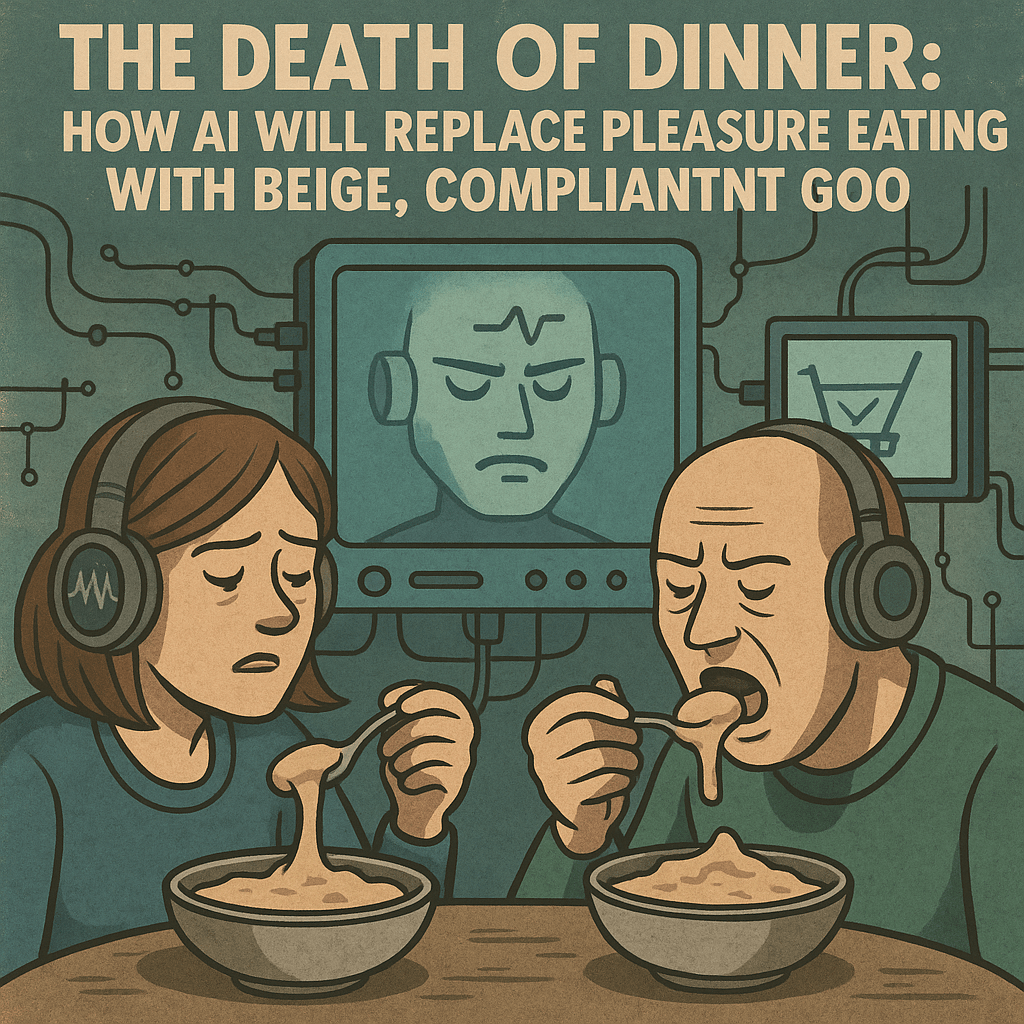
  • The Death of Dinner: How AI Could Replace Pleasure Eating with Beige, Compliant Goo

    The Death of Dinner: How AI Could Replace Pleasure Eating with Beige, Compliant Goo

    Savor that croissant while you still can—flaky, buttery, criminally indulgent. In a few decades, it’ll be contraband nostalgia, recounted in hushed tones by grandparents who once lived in a time when bread still had a soul and cheese wasn’t “shelf-stable.” Because AI is coming for your taste buds, and it’s not bringing hot sauce.

    We are entering the era of algorithm-approved alimentation—a techno-utopia where food isn’t eaten, it’s administered. Where meals are no longer social rituals or sensory joys but compliance events optimized for satiety curves and glucose response. Your plate is now a spreadsheet, and your fork is a biometric reporting device.

    Already, AI nutrition platforms like Noom, Lumen, and MyFitnessPal’s AI-diet overlords are serving up daily menus based on your gut flora’s mood and whether your insulin levels are feeling emotionally regulated. These platforms don’t ask what you’re craving—they tell you what your metrics will tolerate. Dinner is no longer about joy; it’s about hitting your macros and earning a dopamine pellet for obedience.

    Tech elites have already evacuated the dinner table. For them, food is just software for the stomach. Soylent, Huel, Ka’chava—these aren’t meals, they’re edible flowcharts. Designed not for delight but for efficiency, these drinkable spreadsheets are powdered proof that the future of food is just enough taste to make you swallow.

    And let’s not forget Ozempic and its GLP-1 cousins—the hormonal muzzle for hunger. Pair that with AI wearables whispering sweet nothings like “Time for your lentil paste” and you’ve got a whole generation learning that wanting flavor is a failure of character. Forget foie gras. It’s psy-ops via quinoa gel.

    Even your grocery cart is under surveillance. AI shopping assistants—already lurking in apps like Instacart—will gently steer you away from handmade pasta and toward fermented fiber bars and shelf-stable cheese-like products. Got a hankering for camembert? Sorry, your AI gut-coach has flagged it as non-compliant dairy-based frivolity. Enjoy your pea-protein puck, peasant.

    Soon, your lunch break won’t be lunch or a break. It’ll be a Pomodoro-synced ingestion window in which you sip an AI-formulated mushroom slurry while doom-scrolling synthetic influencers on GLP-1. Your food won’t comfort you—it will stabilize you, and that’s the most terrifying part. Three times a day, you’ll sip the same beige sludge of cricket protein, nootropic fibers, and psychoactive stabilizers, each meal a contract with the status quo: You will feel nothing, and you will comply.

    And if you’re lucky enough to live in an AI-UBI future, don’t expect dinner to be celebratory. Expect it to be regulated, subsidized, and flavor-neutral. Your government food credits won’t cover artisan cheddar or small-batch bread. Instead, your AI grocery budget assistant will chirp:

    “This selection exceeds your optimal cost-to-nutrient ratio. May I suggest oat crisps and processed cheese spread at 50% less and 300% more compliance?”

    Even without work, you won’t have the freedom to indulge. Your wearable will monitor your blood sugar, cholesterol, and moral fiber. Have a rogue bite of truffle mac & cheese? That spike in glucose just docked you two points from your UBI wellness score:

    “Indulgent eating may affect eligibility for enhanced wellness bonuses. Consider lentil loaf next time, citizen.”

    Eventually, pleasure eating becomes a class marker, like opera tickets or handwritten letters. Rich eccentrics will dine on duck confit in secrecy while the rest of us drink our AI-approved nutrient slurry in 600-calorie increments at 13:05 sharp. Flavor becomes a crime of privilege.

    The final insult? Your children won’t even miss it. They’ll grow up thinking “food joy” is a myth—like cursive writing or butter. They’ll hear stories of crusty baguettes and sizzling fat the way Boomers talk about jazz clubs and cigarettes. Romantic, but reckless.

    In this optimized hellscape, eating is no longer an art. It’s a biometric negotiation between your body and a neural net that no longer trusts you to feed yourself responsibly.

    The future of food is functional. Beige. Pre-chewed by code. And flavor? That’s just a bug in the system.

  • College Essay Prompt: Beyond Authentic: How Evolving Cuisines Tell Stories of Survival, Adaptation, and Identity

    College Essay Prompt: Beyond Authentic: How Evolving Cuisines Tell Stories of Survival, Adaptation, and Identity

    Overview:

    Write a 1,700-word argumentative essay examining whether dishes like birria ramen, orange chicken, Korean tacos, or Tex-Mex fajitas should be dismissed as inauthentic or embraced as culturally rich, adaptive expressions of immigrant creativity. Using the evolution of Mexican and Chinese food in the U.S. as your focus, evaluate how culinary “impurity” may reflect resilience more than betrayal.

    This assignment challenges the simplistic binary of cultural appropriation vs. cultural preservation by exploring how food evolves through migration, racism, class, capitalism, and the human need to survive—and thrive.


    Central Claim to Defend, Refute, or Complicate:

    Criticizing American Chinese and modern Mexican cuisine as “inauthentic” oversimplifies the historical, cultural, and economic forces that drive culinary evolution.


    Required Sources (Use at least 4, MLA format):

    • Gustavo Arellano – “Let White People Appropriate Mexican Food”
    • The Search for General Tso (dir. Ian Cheney, 2014)
    • Charles W. Hayford – “Who’s Afraid of Chop Suey?”
    • Cathy Erway – “More Than ‘Just Takeout’”
    • Kelley Kwok – “‘Not Real Chinese’: Why American Chinese Food Deserves Our Respect”
    • Jiayang Fan – “Searching for America with General Tso”

    Focus Questions to Consider:

    • What is gained or lost when immigrant cuisines adapt to mainstream tastes?
    • How have Mexican and Chinese-American dishes reflected creative survival strategies in the face of xenophobia or marginalization?
    • Is culinary “authenticity” a meaningful cultural value or an exclusionary myth?
    • How do evolving cuisines challenge stereotypes and redefine American identity?
    • Should food be judged by origin or by impact?

    Essay Requirements:

    • Length: 1,700 words
    • Format: MLA (12 pt font, double-spaced, Times New Roman)
    • Sources: At least 4 from the required list
    • Tone: Academic and analytical, but open to personal insight or cultural experience
    • Structure: Use the suggested outline below or build your own coherent structure

    Suggested Structure:

    Intro (200–300 words):

    • Open with the “authenticity” debate in food culture
    • Present the evolution of Mexican and Chinese cuisine as a case study
    • Clearly state your thesis: whether you defend, challenge, or complicate the rejection of “inauthentic” foods

    Section 1: Culinary Evolution as Cultural Power (400–500 words)

    • Use Arellano’s “adaptability” argument and The Search for General Tso
    • Explore how adaptation expands—not erases—culinary traditions

    Section 2: Food as a Tool of Survival (400–500 words)

    • Use Jiayang Fan and Cathy Erway to show how these cuisines offered paths to economic mobility and belonging
    • Address how racism shaped what was “acceptable” for the mainstream palate

    Section 3: Rethinking Authenticity (400–500 words)

    • Use Kelley Kwok and Hayford to interrogate what we even mean by “authentic”
    • Acknowledge that tradition matters—but argue that hybridity is the tradition of diaspora

    Section 4: Counterargument & Rebuttal (300–400 words)

    • Address critics who claim fusion or Americanized food dilutes culture
    • Rebut: show how adaptation often preserves a culture’s essence in new form

    Conclusion (200–300 words)

    • Reaffirm your thesis: evolving cuisine reflects the ingenuity, creativity, and endurance of immigrant communities
    • Reflect on how accepting culinary adaptation challenges us to redefine American identity itself

    Final Notes to Students:

    This essay isn’t just about food—it’s about the stories food tells. Let your argument reflect that complexity. Engage deeply with your sources, and don’t be afraid to explore tensions: pride vs. commodification, tradition vs. survival, innovation vs. erasure.