Tag: health

  • Thou Shalt Find Beauty in Freakishness—or Die Trying

    Thou Shalt Find Beauty in Freakishness—or Die Trying

    By high school, I had fully accepted that I was not designed for the mainstream assembly line. Master Po—the blind sage from Kung Fu—had become my imaginary spiritual adviser, reminding me that I was a misfit, “a brooding soul misaligned with this world.” I wore that label like a second skin. While the cool kids air-guitared to Aerosmith and Led Zeppelin, I was hypnotized by the twelve-minute prog-rock epics of Yes, King Crimson, The Strawbs, and Genesis—bands that required liner notes and a calculator to appreciate.

    Football was for the square-jawed; I preferred curling iron plates in the garage, sculpting myself into a protein-powered statue of misplaced purpose. Worse, I wasn’t just eccentric—I was evangelical. At parties, I arrived armed with Genesis LPs, a blender, and the self-righteous zeal of a macrobiotic missionary. While everyone else chugged beer, I lectured them on amino acid assimilation. “Beer tastes like horse piss!” I declared, mid-flex, clutching a protein shake like a chalice. Girls scattered like pigeons from a lawn sprinkler. “Come back!” I shouted after them. “I’m the only one here with abs!”

    Later, alone in my room, my biceps and I sulked together under the blue glow of my bedside lamp.
    “Master Po,” I sighed, “why am I such a freak?”
    “Because you throw banana peels in people’s path to keep them from getting close to you,” he said.
    “And why would I do that?”
    “To protect yourself.”
    “From what?”
    “Everyone is broken, Grasshopper—but you are cracked to the core. Yet remember: beauty can be found even in freakishness. If you don’t draw that beauty out, it will turn inward and destroy you.”
    “How so?”
    “Because if you keep throwing banana peels for others, you’ll eventually slip on them yourself.”
    I sighed. “I think it’s already happened.”

  • What If the Cranky Old Man on the Lawn Has a Point?

    What If the Cranky Old Man on the Lawn Has a Point?

    I’ve kept in touch with one of my former colleagues who retired from the college where she taught French for thirty years. She is close to eighty now. She told me she was already starting to feel a lack of engagement in her classroom at the end of her teaching days in 2016. Even though phones had to be turned to silent and be stowed away during class, she felt that the kids were just waiting until class was over to get back to their phones and social media. Their brains had changed, their attention spans had been truncated, and they needed to be constantly entertained.

    “Edutainment” was already influencing the way we teach, but the situation grew worse. Now, the addiction to screens has sucked the students into a black hole. Without their phones, they are detached, disengaged, and sullen. 

    It is a cliche that old people are annoying as hell because they are prone to reminisce about a golden age while lecturing the modern world for its recently acquired pathologies. They wax nostalgic for some mythical past that was full of grotesque prejudices, ignorance, and chicanery. To be a scold telling the world that you came from a better place is to be a pompous ass and a bore. I will concede all of that. But objectively speaking as someone who has taught over five decades, I can say there was a Before Times when life in the analog world wasn’t in competition with the digital world. Objectively speaking, something gets lost when we vacillate between the analog and the digital worlds. Public intellectuals such as Sam Harris and Jaron Lanier have made it clear that the digital landscape has become about commerce, addiction, loss of privacy, surveillance, fragmentation, and outrage. In other words, the Internet has had dehumanizing effects on us. 

    Parents who saw their children lying in bed scrolling over TikTok videos during the pandemic can tell you their children have been damaged, and that nothing makes them happier than to see their children hanging out with other kids–without their phones–and hanging out at the park, playing sports, taking walks at the beach, and finding respite from their screen existence. Parents wept with relief. 

    I enjoyed my youth without screens and curating my life on social media. Every summer between 1975 and 1979 when I was a high school teen, my family and ten other families and friends made the sojourn to Pt. Reyes Beach where the Johnson’s Oyster farm provided us with what seemed like bottomless truck beds of oysters. From noon to sunset, hundreds of us ate an infinite amount of barbecued oysters served with garlic butter and Tabasco sauce, thousands of loaves of garlic bread, and colossal slices of moist chocolate cake. Ignoring warnings of nearby great white shark sightings, we’d punctuate our feasting with forays into the waves before emerging from the ocean. Our muscular pecs shiny with rivulets of salt water, we returned to the picnic tables and had another serving of barbecued oysters. In the summer of 78, I opted to have my parents drive home without me. I got a ride home in the back of a truck with a bunch of random people I had met that day. Full from a day of feasting and feeling like King Neptune, we stared into the stars with our glazed lizard eyes and entertained each other with crazy stories. We had a healthy disregard for chronicling our experiences on social media, for monitoring the enormous food we consumed, and for time itself. Those were happy days indeed and pointed to an era gone and lost forever. 

    I would not have had that memory had I lived such a life with a smartphone. My memories would have been filtered through a prism of digital curation and a rewired brain that needs to filter my experience in such a way. We don’t grasp the depth of our brain’s rewiring because, like fish, we don’t know we are wet when all we know is the ocean around us. We have been rewired for this new oceanic environment.

    The screen has rewired the brains of young people. They don’t read. Many college instructors don’t assign books, or if they do, the books are on the short side. In the place of books, instructors assign short essays. When it comes to writing assignments, some high schools and colleges don’t assign essays anymore. They have the students hand-write paragraphs in class. 

    Of course, as you get older, you don’t want to be a bore and lecture the world on the way things were during Before Times. At the same time, if you taught in the 1980s to the 2020s and have seen the way technology has affected the human brain, self-esteem, addiction, reading comprehension, and critical thinking skills, you may have a lot to offer by contrasting the Screen Brain with the Pre-Screen Brain. You can can write academic books about this subject full of graphs and statistics, or you can give anecdotal narrative accounts, or some combination of the two, but it would be absurd to keep your mouth shut because you feared being reduced to the grumpy old person on the lawn arms akimbo screaming that the world is going to hell. Better to risk sounding like a crank than to watch silently as an entire generation scroll itself into oblivion.

  • The World’s Unwanted Alarm Clock

    The World’s Unwanted Alarm Clock

    No one warned me, but I should have seen it coming: creeping toward your mid-sixties is less a rite of passage than a crisis of competence. Or, to be precise, it’s a progressive misalignment with the modern world. You drop references to Danish Go-Rounds, Screaming Yellow Zonkers, Tooter Turtle, and All in the Family and watch blank faces stare back at you. You still assume that appliances are built with the sturdiness of yesteryear, only to find that today’s models disintegrate if you breathe on them sideways. This misalignment breeds a special kind of incompetence—egregious, preventable, humiliating.

    You can swallow vats of triglyceride omega-3 fish oil, but the short-term memory still slips away without mercy. You forget where you parked your socks (on the couch), that you meant to watch the final episode of that crime docuseries on Netflix, that a Costco-sized case of 12-gallon trash bags lurks in the garage, or that you already ground tomorrow’s coffee beans. The indignities pile up like unopened mail.

    These lapses, coupled with your fossilized references to extinct foods and beloved TV shows, render you a creature out of phase with the universe—an alien with wrinkles, blinking in confusion, flashing your unearned senior discount at the box office like it’s a badge of relevance.

    You can flex all you want against this verdict. Wolf down 200 grams of protein daily, clang kettlebells in the garage, and polish yourself into the semblance of a beaming bodybuilder who could pass for forty-four instead of sixty-four. But that delusion ends the second you get behind the wheel at night. Your depth perception is a cruel joke. The glare of headlights and streetlamps slices into your worn irises like laser beams, reminding you that biology—not discipline—is running the show.

    Like it or not, you’re aging in real time, a public spectacle of decline, the unwelcome prophet of mortality who shatters the younger generation’s illusion that time is indefinite. To them, you are as pleasant a presence as a neighbor’s dog barking at a squirrel at six a.m.—loud, unnecessary, and impossible to ignore.

    Congratulations–you’ve become the world’s unwanted alarm clock. 

  • Tooter Turtle Goes to Gold’s Gym

    Tooter Turtle Goes to Gold’s Gym

    When you’re old, you burn daylight running stupid counterfactuals. Forty years of teaching college writing and now I mutter to myself, “You were never meant to be a professor. You were meant to be a personal trainer.” This fantasy is less revelation than acid reflux—I can’t keep it down no matter how hard I try.

    But let’s be honest about the personal trainer gig. Path A: you scrape together rent money coaching half-motivated clients through limp triceps pushdowns while they whine about kale. Path B: you cater to narcissistic celebrities who want you to count their lunges in a whisper, until their self-absorption has hollowed you out like a dry coconut.

    In this farce, I’m no different than Tooter Turtle, that cartoon sad sack from my childhood. Every week he begged Mr. Wizard to reinvent him as a lumberjack, a detective, a gladiator, a football star. And every week he proved that no matter how much you change the costume, you can’t change the pratfall. His new career always ended in humiliation, panic, and the desperate cry: “Help me, Mr. Wizard!”

    That’s us: eternal college freshmen, forever switching majors, convinced that the next “out there” will be our deliverance. But when the magic portal opens, we loathe ourselves for asking.

    Me, a personal trainer? Please. Within a week I’d be rolling my eyes at clients’ flabby excuses, pawning my kettlebells to cover insurance premiums I don’t have, and slinging creatine tubs from the trunk of my Honda. I wouldn’t be a coach—I’d be a sidewalk prophet of six-pack abs, half-broke, half-starved, and wholly ridiculous.

    Punchline: In short, I’d be Tooter Turtle in gym shorts—begging Mr. Wizard to zap me back to the classroom, where at least the only thing I’m destroying is a freshman’s thesis statement.

  • The Aesthetic Pharmaceutical Complex (a College Essay Prompt)

    The Aesthetic Pharmaceutical Complex (a College Essay Prompt)

    Write a 1,700-word argumentative essay that evaluates this claim: GLP-1 weight-loss drugs (e.g., Ozempic/Wegovy) offer a Faustian bargain–they blunt appetite and deliver rapid results, but at significant cultural, moral, and social costs. Examine whether these drugs simply cure an individual problem or whether they reshape appetite, pleasure, gender and marital dynamics, class inequality, body aesthetics, and personal agency in ways that should alarm us.

    Use Rebecca Johns (“A Diet Writer’s Regrets”), Johann Hari (“A Year on Ozempic…”), Harriet Brown (“The Weight of the Evidence”), Sandra Aamodt (“Why You Can’t Lose Weight on a Diet”), and at least two additional reputable sources of your choice. Address both sides: acknowledge the medical benefits (for diabetes, metabolic disease, disability reduction) while testing the claim that GLP-1s amount to a societal deal with the devil — trading desire, culinary culture, and autonomy for narrow aesthetic and market outcomes.

    Be sure to define terms (e.g., “Faustian bargain,” “GLP-1 drugs,” “body aesthetics”), offer evidence, and include a clear counterargument and rebuttal.


    Five Sample Thesis Statements (with mapping components)

    1. Thesis 1
      GLP-1 drugs are a Faustian bargain: they deliver rapid weight loss and metabolic benefit, but they also erode culinary pleasure, exacerbate social inequality, and replace disciplined habits with pharmaceutical dependence.
    • Mapping: (1) immediate medical and psychological benefits, (2) cultural costs to food and pleasure, (3) social/economic consequences and dependence.
    1. Thesis 2
      While GLP-1 medications can rescue lives in a clinical sense, their mainstreaming industrializes thinness—privileging aesthetics over health, amplifying economic divides, and outsourcing self-control to corporations and prescribers.
    • Mapping: (1) clinical life-saving benefits, (2) commercialization of body aesthetics, (3) economic and ethical fallout.
    1. Thesis 3
      GLP-1 drugs pose an ethical dilemma: they promise to erase cravings and curb addiction, but in doing so they risk flattening human desire, unsettling intimate relationships, and converting a public-health problem into a luxury aesthetic market.
    • Mapping: (1) pharmacological suppression of appetite, (2) impact on relationships and social life, (3) marketization and inequality.
    1. Thesis 4
      The rise of GLP-1s reframes weight management from moral failing to medicalized consumerism—undeniable benefits for some masked by troubling costs: cultural loss, shifting marital dynamics, and a dangerous dependence on biotech fixes.
    • Mapping: (1) medical reframing of obesity, (2) cultural and interpersonal costs, (3) risks of technological dependence.
    1. Thesis 5
      GLP-1 drugs give individuals the power to silence hunger, but that power comes tethered to troubling social outcomes: it amplifies privilege, intensifies pressure for aesthetic conformity, and weakens the role of habit and self-discipline in healthy living.
    • Mapping: (1) appetite suppression and individual gains, (2) exacerbation of aesthetic and class pressure, (3) erosion of habit-based agency.

    Counterargument (fair, strong):
    Proponents of GLP-1 drugs argue that calling them a “Faustian bargain” ignores the very real medical and social benefits these medications deliver. For many patients—especially those with type 2 diabetes, obesity-related hypertension, or mobility-limiting weight—GLP-1s reduce blood sugar, lower cardiovascular risk, and unlock functional gains that years of dieting could not. Early reports also show improvements in mood, self-efficacy, and social participation: when chronic hunger is quieted, people can exercise more, sleep better, and engage with life instead of being consumed by food preoccupation. From this perspective, the drugs restore agency rather than remove it; they are tools that expand options for people trapped by biology, food environments, and limited access to behavioral medicine. To label them morally corrosive risks stigmatizing patients who finally find relief.

    Rebuttal:
    That claim deserves respect—but it doesn’t dissolve the deeper social harms that mainstreaming GLP-1s threatens to produce. Medicine can relieve individual suffering while simultaneously reshaping culture in ways that reward aesthetic conformity and widen inequality: when a pharmaceutical becomes the fastest route to thinness, weight status shifts further from a health metric to a marketable badge of status, attainable first by those with money, time, and prescriber access. The drugs also substitute biochemical fixes for social solutions—affordable nutritious food, safer neighborhoods for exercise, workplace protections—that address root causes of metabolic disease; this medicalization risks absolving policymakers and corporations of responsibility. Finally, the long-term psychosocial costs are real: appetite suppression can blunt pleasure and disrupt food’s role as social glue, and couples who diverge in access to these drugs face novel tensions over desirability, divided resources, and identity. In short, GLP-1s can be miracles for patients; they can also be catalysts for cultural and economic shifts that deserve critical scrutiny before we call the bargain a fair trade.

  • Expiration Date, Please Hold

    Expiration Date, Please Hold

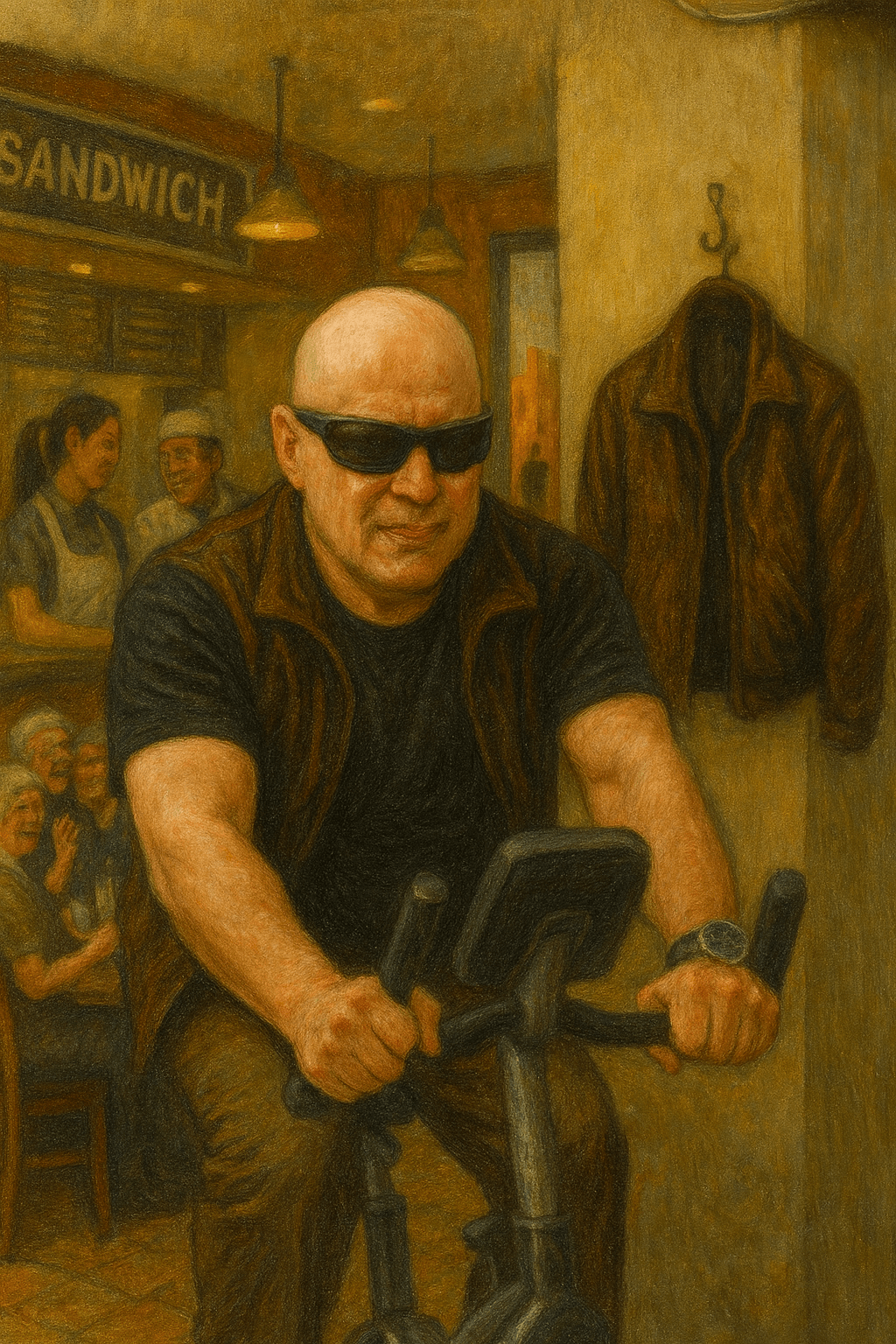
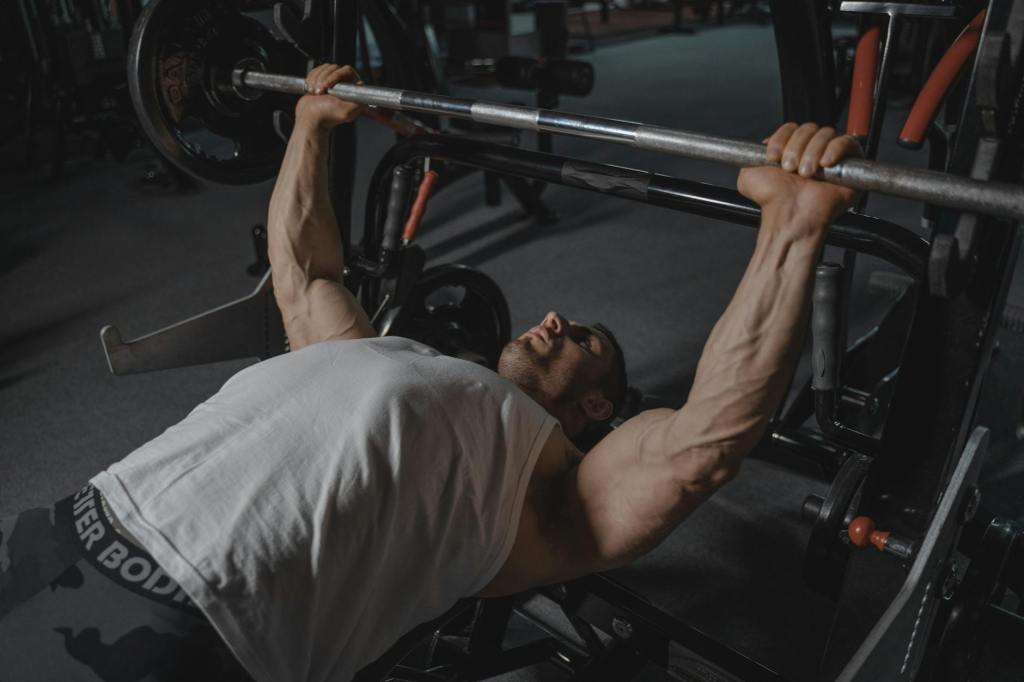
    I have been lifting longer than most marriages last. My barbell education began in 1974 at Earl Warren Junior High, when the world still smelled of gym chalk and cheap cologne. By twelve I was worshipping squats, chasing pec pumps, and counting out 200 grams of protein like it was scripture. Weightlifting wasn’t a hobby; it was a program for staying human in a chaotic world. Say what you will–and I will–but lifting saved me. Plain fact.

    Being a lifter has been a suite of advantages: I look younger than my driver’s license suggests, my muscular frame reads as backup insurance against chronic illnesses and wayward surgeons, and I can still train with a teenager’s ferocity. There is a chemical grace to it–the endorphin blast after a set that feels like a small, private resurrection. I am, frankly and proudly, a workout addict.

    But let’s not romanticize. Every addiction has its dark shadow. There will come a winter–perhaps in my eighties–when my body will send a clear memo: enough. The garage kettlebells I currently haul like battle standards will be too heavy, the Turkish Get-Up will turn into a consult with gravity. That prospect terrifies me because the kettlebell isn’t just steel and handle; it is a throttle on my will to live.

    We are all animated by different things. For me it is sweat, breath, the rattle of plates. For my old beloved Finnish Spitz, Gretchen, the decline arrived as a refusal of walks and food. When desire dies, everything else follows. So long as I rise hungry and ache for a workout, I count myself unexpired. When hunger and will fade, I suspect I’ll understand what Gretchen taught me without lectures, philosophy, or think pieces about aging in The Atlantic: the stopwatch of life has clicked.

    Am I foolish to have stapled my life to a routine of kettlebells and protein scoops? Have I mistaken the ritual for immortality? Maybe. Maybe I should cultivate other anchors–friends who aren’t gym bros, projects that don’t require a heart rate monitor. Or maybe I did the right thing: built a life that keeps me moving, thinking, and sufficiently irritable to remain alive.

    I don’t have the script for what comes after the iron thins. I’ve got the stubbornness to keep trying. If anyone’s got a convincing new plot, I’ll listen. Preferably between sets.

  • I’m in a YouTube Video Slump and I Don’t Know Why

    I’m in a YouTube Video Slump and I Don’t Know Why

    My WordPress dashboard tells me I’ve posted on Cinemorphosis for 152 days in a row, as if it’s awarding me the Blogging Olympics medal for “Most Neurotic Streak.” I don’t post daily out of discipline so much as survival. Writing is my mental hygiene—my daily scrub against chaos. Free therapy without the billable hours.

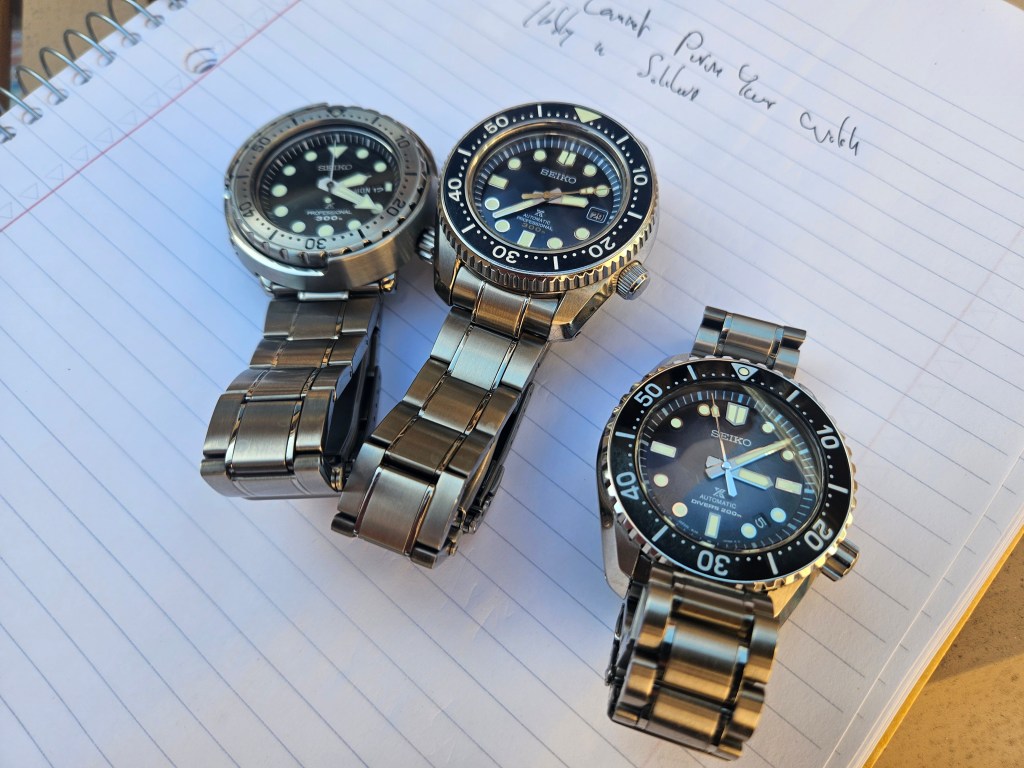
    YouTube, however, is another story. I haven’t made a video essay in over two weeks, and the gap feels like a cyst growing on my confidence. The longer I wait, the heavier the silence becomes, like trying to deadlift after skipping the gym for a month. I want to post, but not just to feed the beast. I don’t want to churn out recycled monologues about my watch obsession or let YouTube’s algorithm turn me into a carnival barker with clickbait headlines and fake urgency.

    It’s not as if I lack material. College just started, and I’m teaching the entire athletic department. A room full of goal-driven athletes who actually follow instructions? For a writing professor, that’s better than tenure. And as a relic from the muscle era of the 70s—Olympic lifts, protein shakes, and the occasional posing oil—I feel a strange kinship with them. We’ve already launched into our first essay assignment: the crisis of masculinity and how Bro influencers like the Liver King peddle snake oil dressed in bison liver. These guys exploit the anxieties of young men the way payday lenders exploit the broke. Can’t buy a house? Don’t worry, kid, buy abs. Tongue-tied around women? No problem, creatine is your Cyrano de Bergerac. The students are eating it up, and for once, their feedback has been better than protein pancakes.

    So why can’t I translate this into a video essay? Maybe because my brain recently short-circuited over something ridiculous: watch straps. I fell down the rabbit hole of FKM rubber straps after reading a study claiming they leach chemicals into your skin. My beloved Divecore straps—once the apex of wrist comfort—suddenly looked like toxic bracelets. I agonized for days, debating whether to bin them, keep them, or wrap my wrists in cheesecloth. The obsession drained me like a bad relationship. In protest, my mind and body staged a walkout, shutting down further watch chatter. For now, I’m taking a mental break. I’m grateful for the watches I have, but I don’t want to rejoin the strap wars or churn out videos about my latest dive into consumer madness.

    So here I am, taking a mental breather, trying to avoid the treadmill of compulsive content. It’s humbling to admit that the blogging streak hides a creative stall. But I know the video essays will return. They always do. Once I shake off the chemical paranoia and algorithm anxiety and process my thoughts, I’ll be back in the groove—hopefully with something worth watching.

  • The Pea Protein Plague

    The Pea Protein Plague

    For three days, I flirted with the fantasy of going vegan in the protein department. Out went my dependable whey; in came Orgain’s peanut butter-flavored vegan powder ($32), built on the gritty backbone of pea protein. Waiting in the wings was OWYN Pro Elite in dark chocolate ($47), still sealed, still smug.

    But curiosity didn’t last. It curdled into resolve — the kind of resolve born from three days of gut-twisting cramps so vicious they stole my ability to work out. Imagine the irony: my protein obsession, meant to fuel training, knocked me out of the gym entirely. Not just any protein, but vegan protein, embraced in part to end my petty larceny of cow’s milk from calves. My humanitarian mission dissolved in a haze of bloating and despair.

    So I texted my neighbor Holly, handed over $80 of organic powders, and felt as if I were banishing demons. She was delighted. Her family loves vegan protein powder for their smoothies. I was both exorcised and relieved. Good riddance to powders that turned my insides into a war zone.

    Looking forward, I’ll still be a thief — but only a petty one. A scoop of whey stirred into my morning buckwheat groats. Two modest helpings of plain Greek yogurt with honey at lunch and after my nap. A splash of stolen milk here and there. I hope the calves understand: my theft is not egregious, just survivable.

    Still, my diet is 90 percent plants, enough to keep my conscience propped up. My protein intake will slide from 180 grams to about 140, and so be it. I’ll trade hypertrophy for digestive peace.

    Because let me say it clearly: some of us must never touch pea protein again. It expands inside us like an alien organism, leaving us to wish for death’s consoling embrace. Never again.

  • The Difference Between Thriving and Withering on a Vegan Diet

    The Difference Between Thriving and Withering on a Vegan Diet

    Like many people, I want to believe that a plant-based diet can deliver optimal nutrition for everyone—from casual gym-goers to powerlifters and elite athletes. It’s a hopeful vision: strong bodies built on beans and lentils instead of beef. But a memory from 2019 lingers in my mind and keeps me cautious.

    That year I had a nursing student in my class. She was sharp, disciplined, a straight-A student who also worked as a personal trainer at Gold’s Gym. On top of all that, she was a powerlifter. Under the guidance of an experienced coach, she decided to go vegan. For the first several months, everything looked fine. But after about nine months, the cracks showed. Her skin grew pale, her training stalled, she felt weak and lightheaded, and worst of all—her hair began to fall out in clumps. When she abandoned the vegan diet, her health rebounded.

    At the time, I didn’t know what I know now. Maybe she was missing key amino acids like lysine or leucine. Maybe she wasn’t using vegan protein powders that could have filled the gap. Maybe she didn’t know that a vegan diet contains no creatine at all, and a simple 5-gram daily supplement might have made the difference. The truth is, neither of us will ever know.

    This is what haunts me: a vegan diet can be excellent for cardiovascular health and a powerful humanitarian stand against factory farming, but only if it’s done with knowledge and precision. Done carelessly, it can lead to exactly what my student experienced—decline, weakness, and disillusionment.

    I can’t know for certain whether a few smart adjustments would have allowed her to thrive. But I can’t shake the suspicion that with the right tools—a quality vegan protein blend, a steady supply of B12, an algal omega-3 supplement, and a scoop of creatine—her story could have ended very differently. Instead of decline and disillusionment, she might have been proof that a plant-based diet, done right, can power even the most demanding athletic lives.

  • The Influenza of the Mind

    The Influenza of the Mind

    Last week, one of my teen daughters caught a cold. She shrugged it off with the stoicism of a soldier, and I barely noticed she was sick. Then my wife came down with it five days ago. It hit her harder, but she still managed to run errands, wrangle housework, and conquer the Everest of six laundry baskets stuffed with clothes that needed folding.

    Then there was me. Yesterday, after my afternoon nap, I felt aches and pains and immediately began writing my obituary. Sprawling out on the couch in the living room, I put on the docuseries The Kingdom on ESPN but had to close my eyes, then take another nap because I was “so unwell.” 

    Convinced I was succumbing to something sinister, I staggered into the kitchen and cooked dinner. The salmon, broccoli, and rice all came out overcooked—not because I was incapacitated, but because I was deep into Internet articles about PFAS “forever chemicals.” Nothing like a side of toxic paranoia with your charred protein.

    My family tolerated the burnt offering, attributing it to my alleged illness. But once I slumped onto the couch after dinner to watch Below Deck, I went full opera tenor: sighs, groans, complaints, the whole libretto of impending doom. My family, unimpressed, mocked me. “Illness always makes me morbid and lugubrious,” I explained, as if quoting from a Victorian diary.

    My daughters laughed. My wife rolled her eyes: “Here we go. The man flu.” I thought about citing research suggesting men actually suffer more with the flu, but even I knew I’d already overshared.

    “Maybe you’re just tired,” my wife said. “Maybe you shouldn’t work out tomorrow.”

    I declared that one missed workout would cause my muscles to shrivel like neglected houseplants. “I’m doomed,” I muttered, then retreated to bed before nine like a bereft invalid.

    This morning, I awoke braced for catastrophe—a full-blown cold, a fever, the Grim Reaper at my door. Instead, I felt…fine. Perfectly fine. My wife and daughter had been right. I wasn’t sick. I was just tired.

    The truth is, when I sense illness creeping in, I go from zero to tragic opera in seconds. I suffer from Influenza of the Mind, a performance illness that turns me into a paranoid man-baby. Last night’s theatrics were not the noble struggle of a fading patriarch, but the wailings of a melodramatic hypochondriac in need of nothing more than eight hours of sleep.