After four decades of teaching college writing, I now find myself plagued by a humiliating truth: my reading habits have withered into something more decorative than devout. In my twenties, I devoured two books a week like a literary piranha. Now, I manage a limp 30-minute bedtime reading session before drooling onto the page like a narcoleptic bookworm. Call it aging, call it digital distraction, or—as I like to tell myself in moments of flattering delusion—call it undiagnosed ADHD. Whatever the cause, my reading stamina has become a cautionary tale.
If I want to do anything resembling real, rigorous reading, I’ve learned to prop myself between two 27-inch screens like a cyborg monk: one monitor displaying the sacred text, the other open to Google Docs so I can take notes, argue with myself, and shame my inner skimmer into paying attention. This is not pleasure reading. This is performance reading—a controlled environment designed to bully my mind into staying in the room. If a book so much as looks at me funny, I’ll click over to email.
But something strange has happened: I’ve become a better listener than reader. I now “read” through Audible with more duration and intensity than I’ve mustered with paper in years. Especially with nonfiction, the audiobook format feels less like cheating and more like a form of literary intravenous drip—direct, efficient, and oddly intimate. That’s why a recent blurb in The New Yorker caught my eye: Peter Szendy’s Powers of Reading: From Plato to Audiobooks isn’t just an academic tour through literary history—it’s a philosophical rebranding of the audiobook experience.
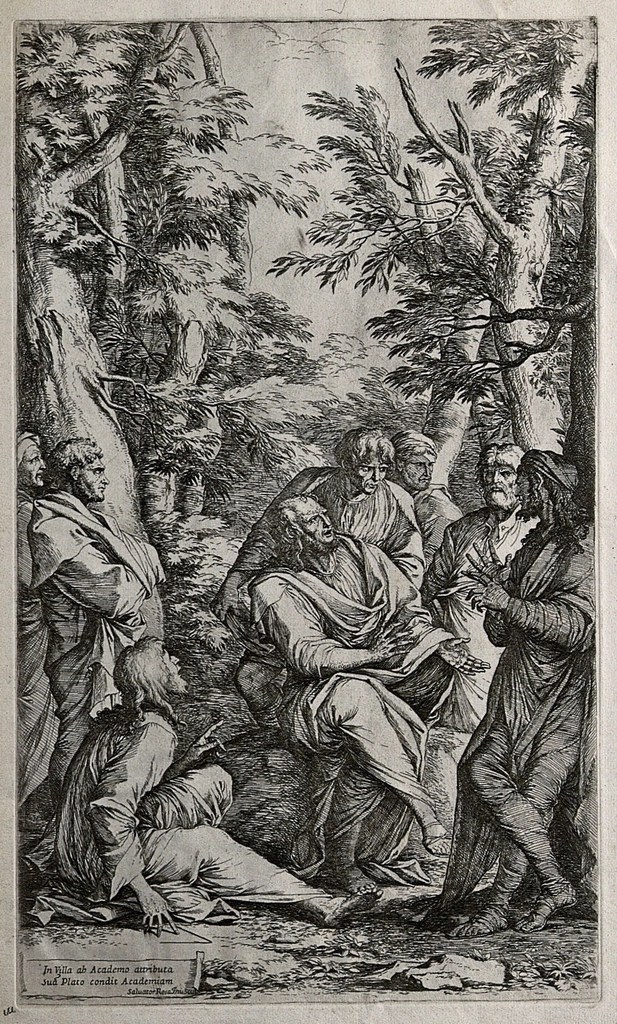
Szendy resurrects a long-lost distinction between two roles: the reader (the person decoding text) and the readee (the listener, the audience of the reading). Since antiquity, he notes, most literature wasn’t read—it was heard. We were, for most of human history, listenees. Silent, solo reading is a relatively recent phenomenon, and yet we’ve somehow crowned it the gold standard of literary engagement. Szendy isn’t buying it. In fact, he argues for the emancipation of the readee—a manifesto that practically throws confetti over the return of orality via Audible.
And here’s the kicker: even when we read to ourselves, we’re still listenees. We are listening to our own interior narration. We are, in essence, narrating to ourselves. Szendy suggests that when we read, we play both roles: the voice and the ear, the actor and the audience. And when we listen to a book, we are doing something ancient, dignified, and sacred—not some degraded, dumbed-down version of real reading.
So yes, maybe I’m a fallen reader, a man who used to crush Dostoevsky before breakfast but now requires high-tech scaffolding just to get through a paragraph. But thanks to Szendy, I can now see myself as a kind of restored readee—part monk, part machine, part audiobook in human form. Not a failure of attention, but a return to tradition. And if my bedtime ritual now sounds more like a podcast than a prayer, well… Plato probably would’ve approved.
 Cinemorphosis
Leave a comment