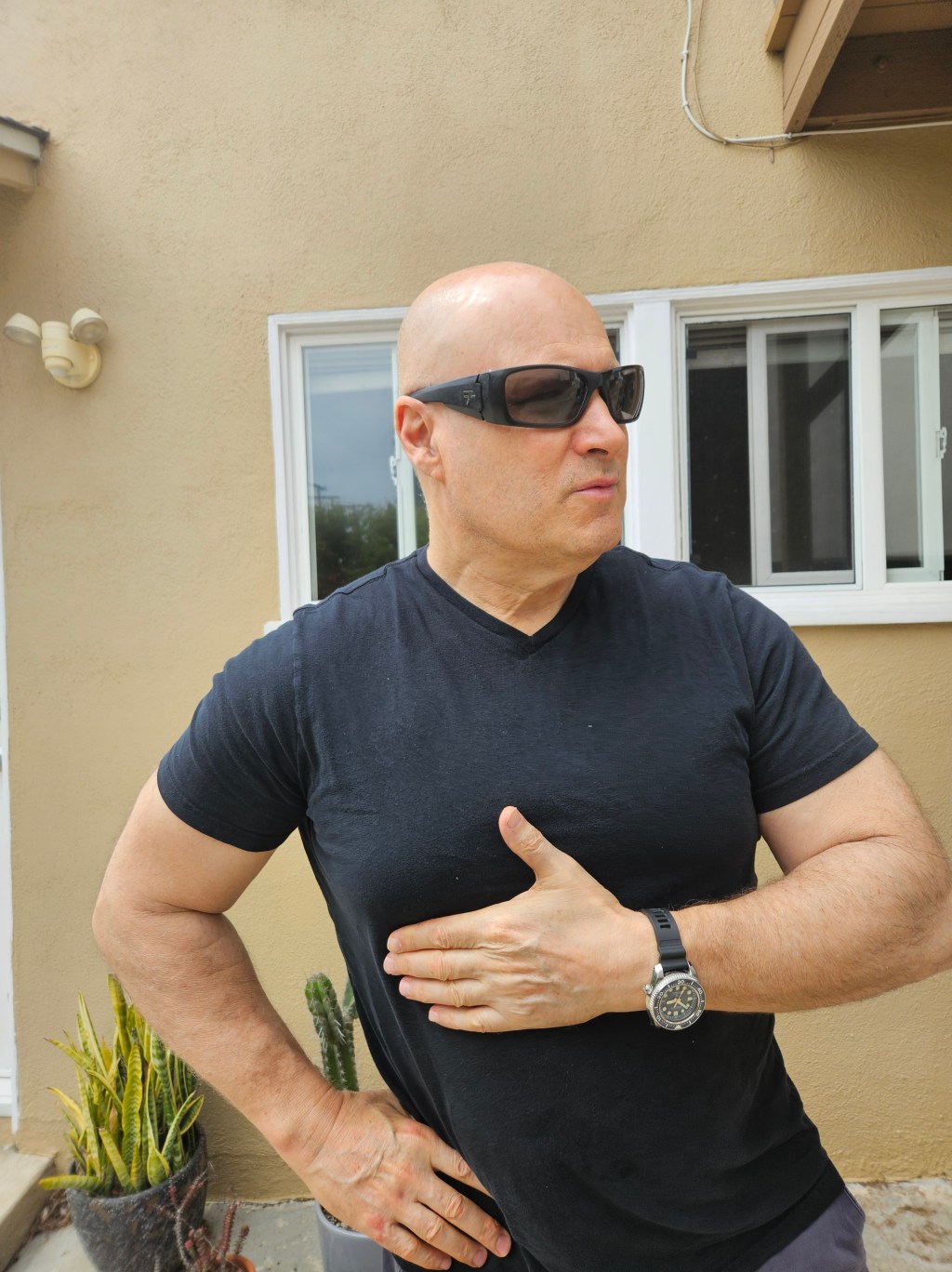
I’m fewer than four semesters away from retirement—June 2027, the final curtain—and I’d be lying if I said I wasn’t scared. For nearly forty years I’ve worn the armor of a college classroom persona: bigger, bolder, more disciplined than the fragile, fumbling man who hides inside. Teaching gave me a stage and a referee’s whistle. Without it, who am I? Just the broken man-child without a supervisor, left to his own devices.
During the pandemic, when colleagues were clawing to get out, I puffed out my chest and declared I was born ready for retirement. I pictured myself a disciplined Renaissance man: mornings at the piano, afternoons writing, evenings lifting kettlebells in the garage, book in hand before bed. A gilded schedule, as though I were independently wealthy. Now those boasts feel like hot air. Structure is one thing. The man animating that structure is another. In the classroom, the stakes were high: thirty pairs of eyes asking, Are you boring? Do you know what you’re talking about? The pressure kept me sharp, funny, and, occasionally, wise. No one lets you coast when you’re trapped under fluorescent lights for two hours with judgmental twenty-year-olds.
Bitter irony: I’m leaving just as I finally got it right. It took me decades to balance theater with approachability, to drop the drill-sergeant persona that once scared students into silence, to actually build a classroom where people learned and laughed. Now I can scaffold essays like an architect and coax timid students into crafting arguments brick by brick. And just as the machinery is humming, I’m stepping offstage. Melancholy doesn’t begin to cover it.
And then retirement makes you pay with loads of endless paperwork. Work forms that warn you that you cannot rescind your decision. Medicare forms with their cryptic alphabet soup (A, B, C, D), switching to my wife’s insurance, navigating private plans that read like IKEA instructions translated from Martian. I’ve joked I’d rather do faculty assessment reports than wrestle with retirement forms, and I meant it.
Meanwhile, time itself heckles me. I’ll be sixty-four in six weeks. At my cousin’s seventy-fifth birthday, the guests—all seventysomethings—mingled like ghosts of futures to come. One cousin, seventy-eight, told me that old age makes you invisible. You still occupy space, but people’s eyes skip over you, as if you’re furniture. Old age is rude like that: the world resents you for hogging resources after your best years are spent. You should apologize for existing. Step aside, old man.
So here I am, staring down a three-headed monster: paperwork, invisibility, and the slow evaporation of the job that kept me sane. What’s the plan? At six years old, I invented a companion—James, my imaginary friend. I’d knock on the apartment wall and tell my parents James wanted to play. They laughed, which only confirmed that James and I were onto something.
Now, on the cusp of retirement, I feel his absence. Because when I think of retirement, I think of loneliness, and when I think of loneliness, I think of Gollum—squatting in the cave, muttering “precious” as he caresses the ring. Only for me, the ring isn’t a piece of jewelry. It’s youth. Precious, lost youth. I stroke it with nostalgia and curse it with bitterness. How dare people treat me like I’m invisible, when old age has taught me more than their Google searches ever will? And yet—I know this bitterness is the opposite of wisdom.
So maybe I do need James back. But not the sweet, knock-on-the-wall James of childhood. I need James 2.0: a drill-sergeant life coach who will slap me across the face and bark: Stop whining. You’ve got love. You’ve got lights on in the house. You’re walking into retirement with more than most people ever dream of. Be grateful. And don’t you dare let this next chapter kick your ass.
 Cinemorphosis
Leave a comment