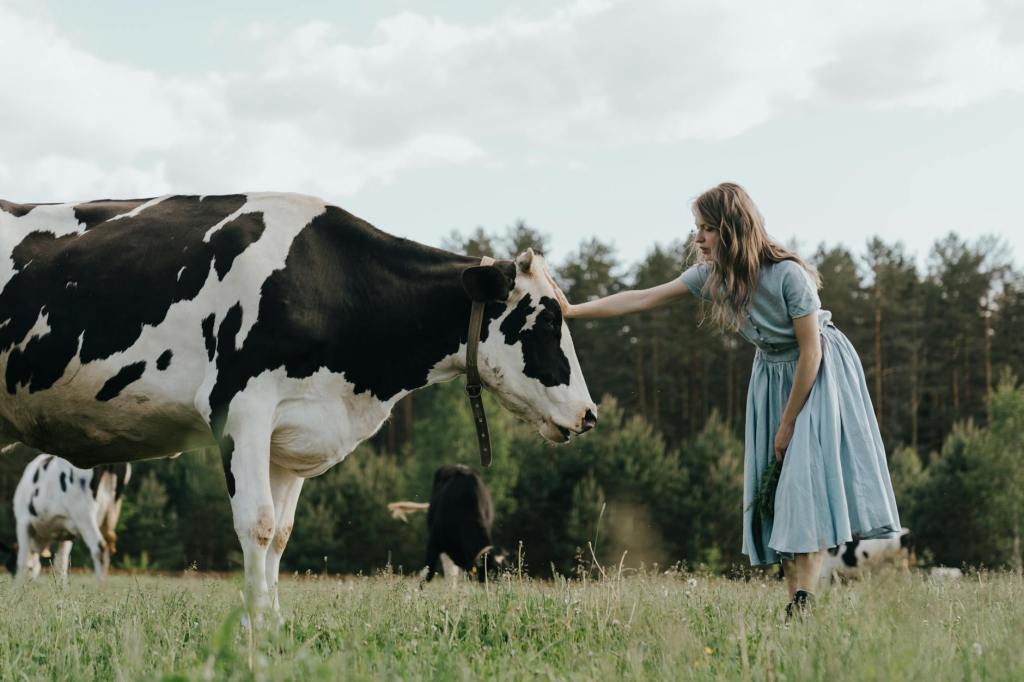
Cosmetic Overfit describes the point at which beauty becomes so heavily engineered—through makeup, styling, filtering, or performative polish—that it tips from alluring into AI-like. At this stage, refinement overshoots realism: faces grow too symmetrical, textures too smooth, gestures too rehearsed. What remains is not ugliness but artificiality—the aesthetic equivalent of a model trained too hard on a narrow dataset. Cosmetic overfit strips beauty of warmth, contingency, and human variance, replacing them with a glossy sameness that reads as synthetic. The result is a subtle loss of desire: the subject is still visually impressive but emotionally distant, admired without being longed for.
***
When I was in sixth grade, the most combustible argument on the playground wasn’t nuclear war or the morality of capitalism—it was Gilligan’s Island: Ginger or Mary Ann. Declaring your allegiance carried the same social risk as outing yourself politically today. Voices rose. Insults flew. Fists clenched. Friendships cracked. For the record, both women were flawless avatars of their type. Ginger was pure Hollywood excess—sequins, wigs, theatrical glamour, a walking studio backlot. Mary Ann was the counterspell: the sun-kissed farm girl with bare legs, natural hair, wide-eyed innocence, and a smile that suggested pie cooling on a windowsill. You couldn’t lose either way, but I gave my vote to Mary Ann. She wore less makeup, less artifice, one fewer strategically placed beauty mole. She looked touched by sunlight rather than a lighting rig. In retrospect, both women were almost too beautiful—beautiful enough to register as vaguely AI-like before AI existed. But Mary Ann was the less synthetic of the two, and that mattered. When beauty is over-engineered—buried under wigs, paint, and performance—it starts to feel algorithmic, glossy, emotionally inert. Mary Ann may have been cookie-cutter gorgeous, but she wasn’t laminated. And even back then, my pre-digital brain knew the rule: the less AI-like the beauty, the more irresistible it becomes.
 Cinemorphosis
Leave a comment