Most vegan diets chase variety. This one chases something else: predictability. I wanted a plan that supports gut health, delivers about 150 grams of protein, and stays around 2,300 calories—without turning every meal into a digestive gamble. The result is not a celebration of abundance. It’s a system that behaves.
The guiding idea is simple. Every meal is built from three parts: a stable starch, a low-residue protein, and a measured dose of fiber. The aim is not to flood the gut with “healthy” inputs, but to give it clear, consistent instructions.
Breakfast is structured but quiet. I start with well-cooked buckwheat groats—soft enough to digest without resistance. Into that goes a scoop of pea-and-rice protein powder, half a banana, a teaspoon of psyllium husk, and a small pour of unsweetened soy milk. It’s not exciting, but it is dependable. The psyllium adds just enough cohesion, the banana binds, and the protein arrives without the usual legume side effects.
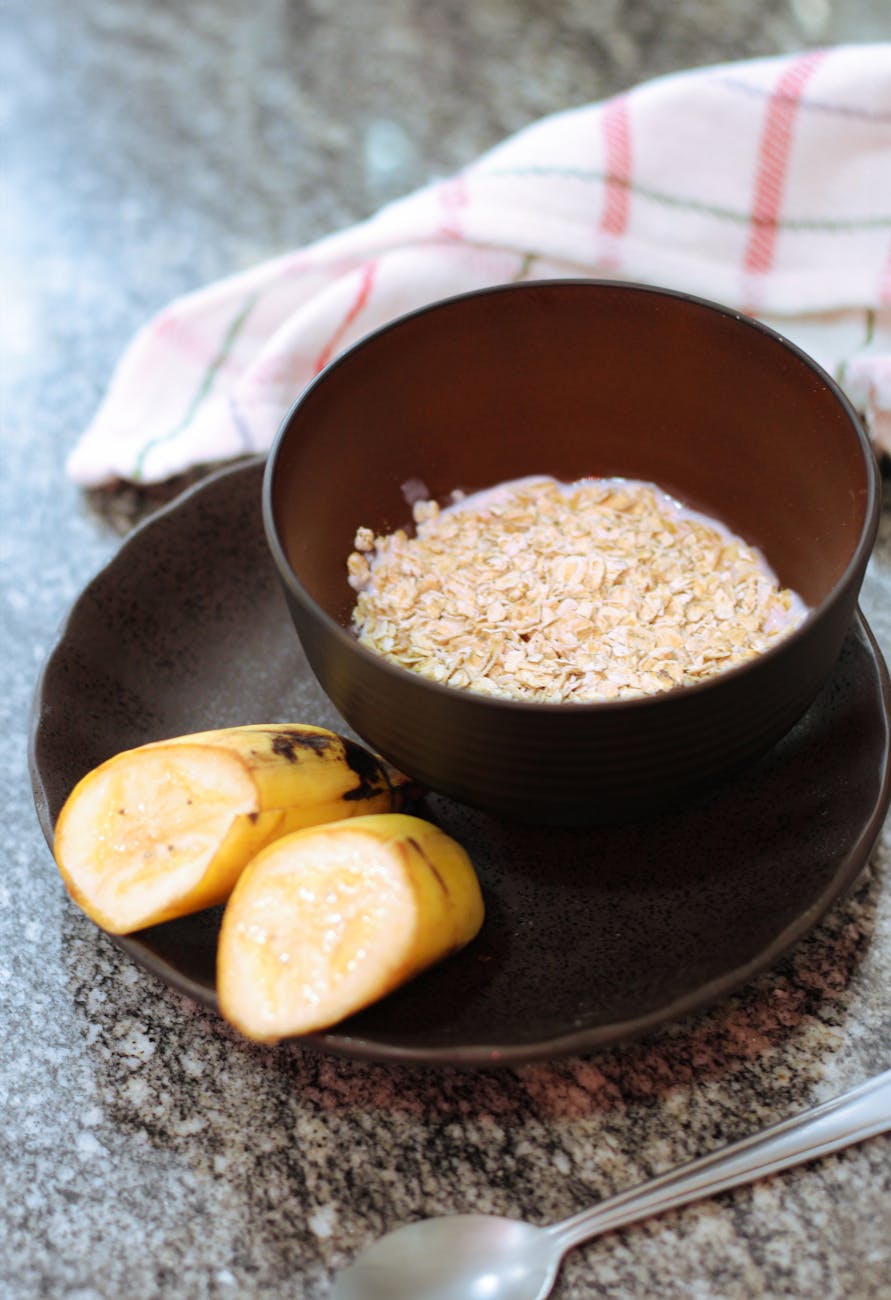
Lunch simplifies things even further. Oatmeal becomes the base—again, in a controlled portion. I add another scoop of protein powder, then rotate between half a banana and a small serving of applesauce. A modest amount of soy milk smooths it out. That’s it. No stacking of proteins, no fiber fireworks. Lunch is designed to send a single, clear signal to the body: digest, don’t negotiate.
Dinner does the heavy lifting. This is the anchor meal, the one that determines how the next morning unfolds. A plate of white rice and red potatoes forms the foundation—arguably the most reliable pairing for digestive stability. On top of that, I add about six ounces of extra-firm tofu and a side of sautéed zucchini or carrots. Everything is cooked soft. Everything is deliberate. A tablespoon of olive oil finishes the plate, not for indulgence, but for smooth passage.
If I need something at night, I keep it controlled: half a banana, a tablespoon of peanut butter, and a small glass of soy milk. Enough to take the edge off, not enough to start a second digestive act.
Across the day, the numbers line up: roughly 2,300 calories, about 150 grams of protein, and a moderate fiber intake that stays in the zone where things hold together instead of falling apart. The real achievement, though, isn’t the macros—it’s the consistency. Meals repeat. Ingredients overlap. The system stabilizes.
There are rules. Beans and lentils are out as daily staples—not because they’re unhealthy, but because they introduce too much variability. Raw vegetables are unnecessary friction. Fiber is measured, not celebrated. Variety is limited on purpose. This is a diet built on the belief that clarity beats complexity.
Is it boring? Often. But boredom, in this context, is a kind of luxury. It means nothing is going wrong. It means your body is no longer improvising. It means the system is working.
Can I sustain my health and muscle on a plant-based diet? What if I feel weak? To be honest, I have two contingency plans: I may have to add a scoop of Greek yogurt a day, and replace the vegan protein powder with whey protein powder. That will be the tentative part of the journey.
 Cinemorphosis
Leave a comment