My doctor wants bloodwork—a full panel: PSA, lipids, liver function, hemoglobin—the entire bureaucratic inquisition, designed to convert my bloodstream into a tidy Excel file. I concede the PSA; no one wants to play roulette with prostate cancer. But the rest feels like an elaborate confirmation of what I already know. At 230 pounds—twenty over my fighting weight—my numbers will behave themselves, with the lone exception of LDL, which will arrive slightly smug and slightly elevated. Twenty extra pounds always leaves a trace, like fingerprints at a low-stakes crime scene. At 210, those same labs would glow with moral rectitude, the biochemical equivalent of a pressed shirt and a firm handshake.
What I need is not diagnostics but discipline. The blood test will not reveal anything that a mirror and a waistband haven’t already disclosed. When the results come back, I’ll receive the ritual “plan of action,” translated from medical into plain English: lose twenty pounds. A reasonable directive. Also a promise I cannot make. I eat clean. I eat whole foods. I load up on protein. I’ve exiled alcohol. None of it matters. My appetite has the temperament of a teenager in shoulder pads, pacing the sidelines and waiting for the next snap.
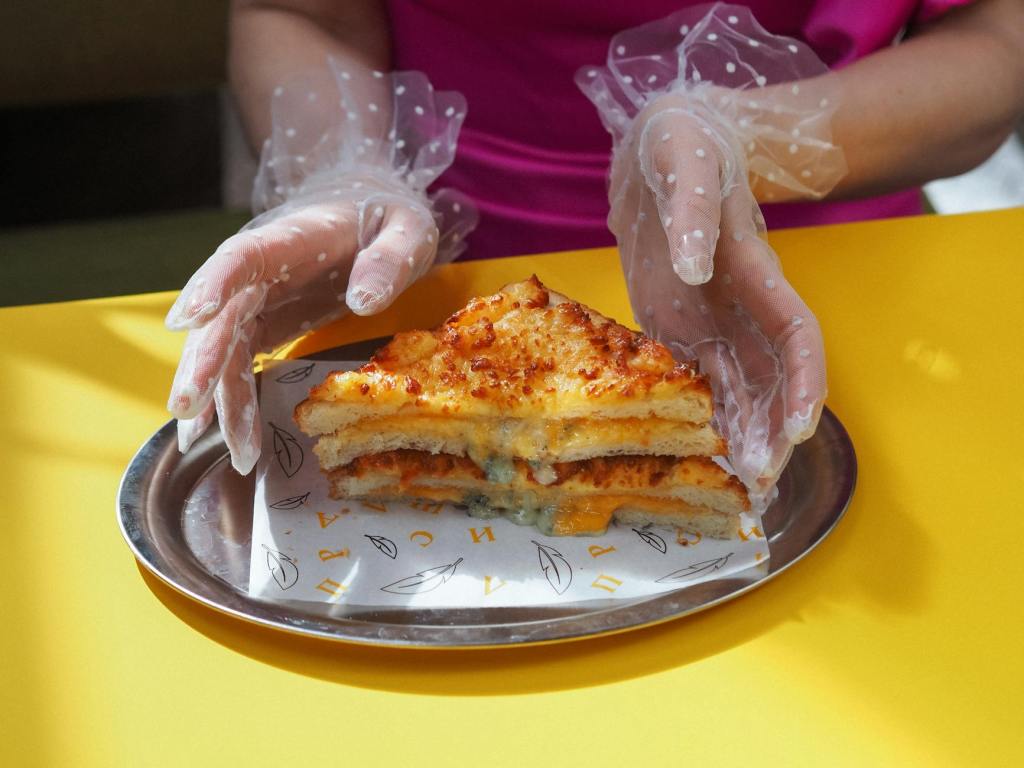
Spare me the reminder that I’m approaching sixty-five. My hunger did not get the memo. Last night, after dinner, after I had sworn a blood oath to stop eating at six, I began clearing out my daughter’s lunch bag and discovered it: an untouched turkey and cheese sandwich, wrapped in quiet indifference. There was no debate, no moral tribunal. I ate it immediately, reverently, savoring the soft, faintly sweet Trader Joe’s porridge bread as if it had been prepared for me by a benevolent deity with a sense of humor. It was, without exaggeration, the best moment of my day.
You can dress this up as weakness, but that misses the phenomenon. This is Sandwich Serendipity—the electric, unearned joy of finding an uneaten sandwich where none should exist. It is not leftovers; it is treasure. It is the culinary equivalent of discovering cash in an old jacket or rubbing a lamp and having lunch appear. The afflicted man does not pause to assess freshness, provenance, or caloric impact. He does not negotiate with his better angels. He consumes. The sandwich is accepted as a gift from the universe, a brief amnesty from restraint, a shining interruption in an otherwise disciplined life.
This is the man sitting across from the doctor, nodding politely at the mention of triglycerides and lifestyle modification. This is the man being asked to promise weight loss. And the honest answer—the only answer worth giving—is this: I will try. But somewhere, in some forgotten lunch bag, a sandwich is waiting. And when it calls, I will answer.


Leave a Reply