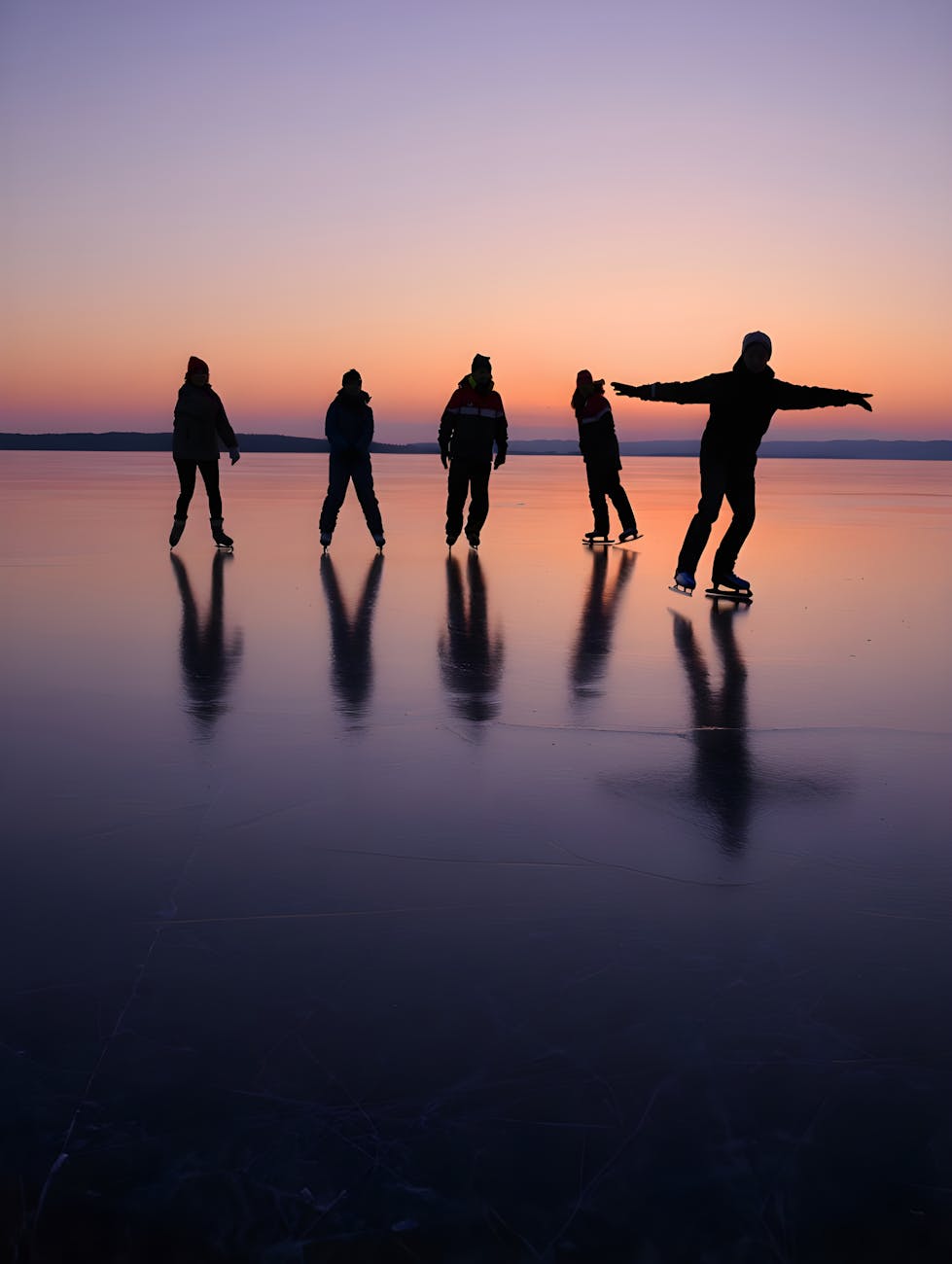
My wife has been sending me comedy skits about a subject that isn’t remotely funny: the epidemic of friendless adult men. The message arrives dressed as humor but lands as indictment—get off your ass and build a life that includes other human beings. Not for entertainment. For survival. For the family.
The problem is I don’t know how.
My friendships didn’t end with a bang; they evaporated. One by one, they thinned out, like hair in a drain, until nothing remained. I haven’t met a friend for a movie and a meal in nearly twenty-five years. Solitude didn’t ambush me; it settled in and redecorated. It became my default setting. Worse, it feels justified. I operate under a quiet but tyrannical assumption: no one would willingly spend that kind of time with me. Why would they? Friendship requires an investment, and I’ve already decided I’m not worth the return. Rejection is neatly avoided by never making the ask. A preemptive surrender disguised as dignity.
When I think about how this calcified, I go back to 2005. My cousin and I met for dinner in downtown Los Angeles. Afterward, he wanted to extend the evening—drive twenty minutes to a coffee shop, linger, talk. I felt the anxiety rise like a fever. Dinner had been the contract; anything beyond it felt like trespass. I went along, reluctantly. He noticed. He never asked again. He moved on to a life crowded with friendships, a calendar he has to prune. I perfected the art of leaving early.
I come by this honestly. My parents spent the last three decades of their lives without friends. My father borrowed social contact through his second wife but never rebuilt what he lost. My mother claimed friendships the way a customer claims familiarity with a waiter—pleasant, transactional, imaginary. Loneliness wasn’t diagnosed in our household; it was modeled. It looked normal. It felt inevitable.
My parents weren’t bad people. They were self-involved, chemically compromised, and emotionally unavailable. My father once told me that if he could do it over again, he wouldn’t have children. People recoil when they hear that. I didn’t. It had the ring of truth I had already lived with. My mother, meanwhile, oscillated between warmth and collapse. Her depressions were so severe she disappeared into hospitals, and I disappeared into my grandparents’ house. Childhood became something to endure rather than inhabit.
So I adapted. I became self-contained. I entertained myself. I eliminated the need for others before they could eliminate me. Being alone wasn’t a failure; it was a system.
In my twenties, desire disrupted that system. I wanted relationships, so I built a version of myself that could get them. I became talkative, confident, funny—an actor with good timing and a decent script. It worked. Women believed in the character. So did I. But the performance had no depth. It couldn’t sustain love because it wasn’t built on vulnerability, only on impression. The relationships collapsed under the weight of my anxiety and selfishness. I could attract; I could not attach.
That hasn’t entirely changed. I can still be charming in controlled environments. My colleagues enjoy me in passing. I can generate conversation the way a barista generates foam—pleasant, temporary, nonbinding. But conversation is not friendship. Friendship requires escalation, risk, the unthinkable act of asking someone to step outside the script and spend time with you. That’s where I freeze. I assume the answer will be no, and so I never pose the question. It’s a tidy system: I protect myself from rejection by guaranteeing isolation.
This morning, sitting in my car waiting to take my daughters to school, I almost performed another ritual of avoidance. I reached for my watch, ready to photograph it for Instagram—a small offering to the gods of trivial validation. For a moment, I considered it. Then the idea repulsed me. The absurdity of it. As if a watch photo could compensate for a hollow social life. As if attention could substitute for connection. It felt like feeding a hunger with sugar and calling it nourishment.
So I sat there instead, thinking about those videos my wife keeps sending me. They’re funny in the way a diagnosis can be funny—because it’s accurate. She’s worried. She should be.
The truth is simple and unflattering: I’ve built a life that minimizes risk and, in doing so, minimizes connection. If I want to be less of a burden to my family, I have to become someone who can love beyond the walls of his own habits. That means doing the one thing I’ve spent decades avoiding.
It means asking.


Leave a Reply