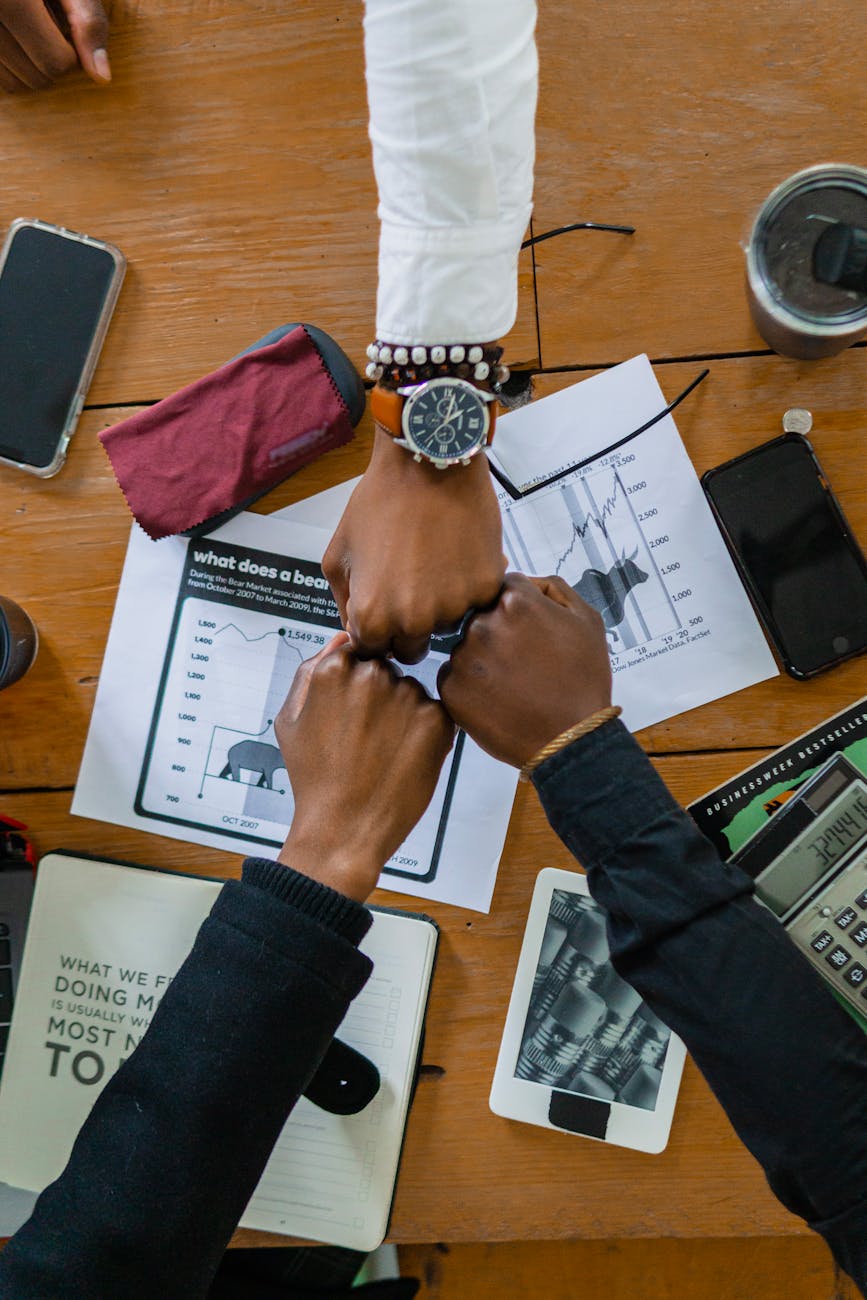
I grew up in an era that treated the handshake as a moral referendum on your character. A firm grip was not merely polite; it was a coded declaration of masculine competence. You were signaling that you possessed discipline, stamina, backbone, and enough latent violence to defend a small village if necessary. A weak handshake suggested spiritual decay, poor breeding, or a future career selling timeshares at a failing resort casino. But a strong handshake announced that you were dependable under pressure, capable of changing a tire in the rain, carrying injured comrades off a battlefield, and perhaps even grilling respectable steaks.
I was fascinated that so much mythology could be compressed into five seconds of hand-crushing theater.
As a teenage weightlifter in the 70s, I therefore trained my grip with almost religious seriousness. Wrist curls, reverse curls, deadlifts, heavy static holds, and Farmer’s Carries became part of my private campaign to forge hands like industrial machinery. I wanted my handshake to communicate, instantly and wordlessly, that I was not some fragile suburban larva surviving on pudding cups and self-esteem workshops. No. I was a steward of fortitude. A disciple of calluses. A young man preparing his forearms as though civilization itself might someday depend upon my ability to squeeze another person’s metacarpals into submission.
In Tom Bartlett’s essay “Will Americans Ever Lose Their Grip on the Handshake?,” the once-sacred ritual of clasping another person’s hand is reexamined in a post-COVID society where keeping your microbes to yourself has become more socially admirable than demonstrating frontier-man virility through palm compression. Bartlett is not especially alarmed by germs. What fascinates him are the men who transform the handshake into a grotesque form of dominance theater. These are not ordinary handshakes but ambushes disguised as greetings. Bartlett gives these overzealous apostles of grip strength colorful names: “knuckle-crunchers” and “arm-wrenchers,” men who approach introductions as though auditioning for medieval combat sports.
The irony, of course, is that the handshake originated as a gesture of trust and mutual respect, a symbolic declaration that neither party was concealing a weapon. But somewhere along the line, a certain species of male insecurity hijacked the custom and converted it into a portable power struggle. For these men, decades of frustration, competition, humiliation, suppressed rage, and unresolved father issues are compressed into one catastrophic squeeze. The handshake becomes less “Nice to meet you” and more “Submit before my forearm dominance.” One can almost imagine the recipient collapsing onto the carpet clutching shattered knuckles while the aggressor walks away believing he has established alpha status in the corporate ecosystem.
Perhaps, as Tom Bartlett suggests, we should retire the handshake altogether. But the replacement candidates come with their own peculiar humiliations. There is the hug, of course, that sprawling gesture of compulsory warmth favored by motivational speakers, yoga instructors, and emotionally overinvested acquaintances who smell faintly of essential oils. The modern hug often feels less like affection and more like a hostage situation with scented candles. Worse still, if your embrace comes from a former wrestler, CrossFit enthusiast, or retired Marine colonel, you may leave the encounter with compressed ribs and a revised understanding of your own skeletal fragility.
Then there is the nod, celebrated by Bill Bryson’s Notes from a Small Island in its portrait of British suburban reserve, where receiving a nod after ten years of acquaintance constitutes the emotional equivalent of a marriage proposal. Charming as that sounds, the nod remains too chilly and aloof for most societies. It lubricates social interaction about as effectively as sandpaper lubricates machinery. A civilization cannot survive on eyebrow movements alone.
No, the superior alternative—the one I have practiced loyally for the past decade—is the fist bump.
The fist bump is civilization refined. Thanks to generations of televised athletes, it has become the universal gesture of camaraderie, encouragement, and mutual respect. Unlike the handshake, which can devolve into a testosterone hostage crisis, the fist bump contains no hidden aggression. It is a gentle punch, a tiny collision of solidarity. Two people make eye contact, extend closed fists, and allow their knuckles to meet with the satisfying precision of perfectly aligned jigsaw pieces. Nobody dominates. Nobody submits. Nobody leaves with crushed metacarpals wondering whether they need orthopedic reconstruction.
The handshake belongs to a more primitive era, a time when men apparently believed friendship should feel like losing a thumb in farm equipment. It invites both illness and dominance theater. The fist bump, by contrast, asks for neither surrender nor pain. It is efficient, hygienic, egalitarian, and refreshingly free of rotator-cuff ideology.
The handshake had a good run. Let it retire with dignity before another knuckle-cruncher sends someone to urgent care.


Leave a Reply