The Great Lachyrmose was the stage name bestowed upon Jeff McMahon, a college writing student, bodybuilder, and part-time laborer at Jackson’s Wine and Spirits on Tunnel Road beside the Claremont Hotel. From 1983 to 1987, the store hosted wine tastings three evenings a week. There were bottles from Bordeaux, Napa, and Tuscany, a polished grand piano in the corner, and customers who came expecting Cabernet, Brie, and melancholy in equal measure.
The ritual never varied.
McMahon would be hidden away in the walk-in cooler stacking cases of beer or downstairs wrestling heavy crates of wine. His black T-shirt was perpetually torn, his forearms tattooed with cardboard abrasions, nicks from broken bottles, and fresh cuts courtesy of overzealous box cutters. He looked less like a concert pianist than a dockworker who had taken a wrong turn into a music conservatory.
Soon someone at the tasting bar would ask, “Where’s Lachyrmose?”
Another voice would join in. Then another. Before long the room itself seemed to chant for him.
Store owner Solomon Khan, who understood that theater sells almost as well as Chardonnay, would smile knowingly. If every chair around the tasting bar had been claimed, he would haul out more until the room resembled an impromptu recital hall. Only then would the Great Lachyrmose make his entrance, emerging dramatically from the cellar or the refrigerator like some wounded Romantic hero ascending from the underworld.
Without ceremony he would sit at the piano and spend the next hour filling the room with mournful nocturnes, elegiac waltzes, and slow-moving ballades that drifted through the store like woodsmoke on a winter evening. Conversations softened. Wine glasses paused halfway to waiting lips. Even the cash register seemed embarrassed to interrupt.
The most enchanting audience members were the neighborhood’s young mothers.
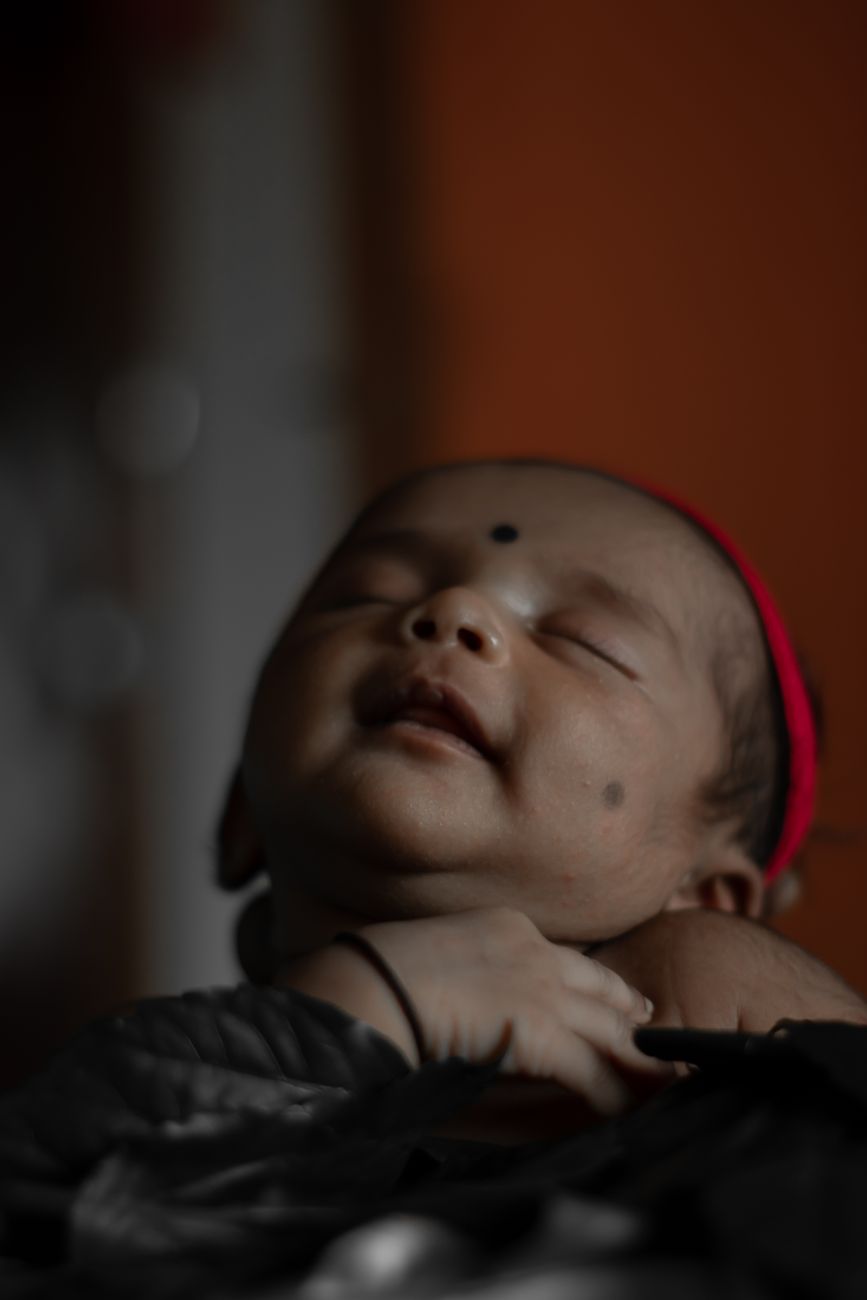
They would arrive carrying restless infants whose nightly resistance to sleep had exhausted every parental strategy except surrender. Somehow the Great Lachyrmose accomplished what rocking chairs, lullabies, and desperate pacing could not. One melancholy piano piece after another worked its quiet spell until tiny eyelids surrendered. The babies collapsed into peaceful sleep with astonishing reliability. Their grateful parents would offer Lachyrmose a smile and a gentle nod before slipping out into the Berkeley night, precious cargo cradled carefully in their arms.
It became one of the strangest guarantees in town. Jackson’s could promise good wine. Lachyrmose could promise sleeping babies.
As the years passed, however, something inside the pianist began to shift. He grew restless with his own success. He wanted brighter harmonies, quicker tempos, unexpected turns. He wanted music that laughed as often as it sighed.
His audience revolted.
The regulars did not come for experimentation. They came for emotional comfort. They wanted the familiar sorrow they had come to love, returning to those melancholy melodies with the same devotion families reserve for a grandmother’s chicken pot pie. Every new composition was politely tolerated before someone inevitably asked for one of the old sad songs.
Success had quietly become a cage.
The Great Lachyrmose had become a prisoner of his own repertoire.
So when McMahon accepted his first college teaching position, he quietly retired the character and left Jackson’s behind. For the first time, he could play whatever music interested him rather than whatever melancholy his audience wished to hear.
He gained artistic freedom, but he lost something as well.
He lost the strange little community that had gathered around a grand piano in the corner of a wine shop. He lost the nightly ritual of emerging from the cellar to a room full of expectant faces. He lost the grateful parents carrying sleeping babies into the darkness.
Even now, decades later, he occasionally misses the Great Lachyrmose. The music has changed. Life has changed. But belonging—that rare feeling that one’s peculiar gifts answer someone else’s unspoken need—is not so easily replaced.


Leave a Reply